How to Change Gimbal Mode Between FPV and Follow on DJI Drone
Peter Leslie
22 May 2026
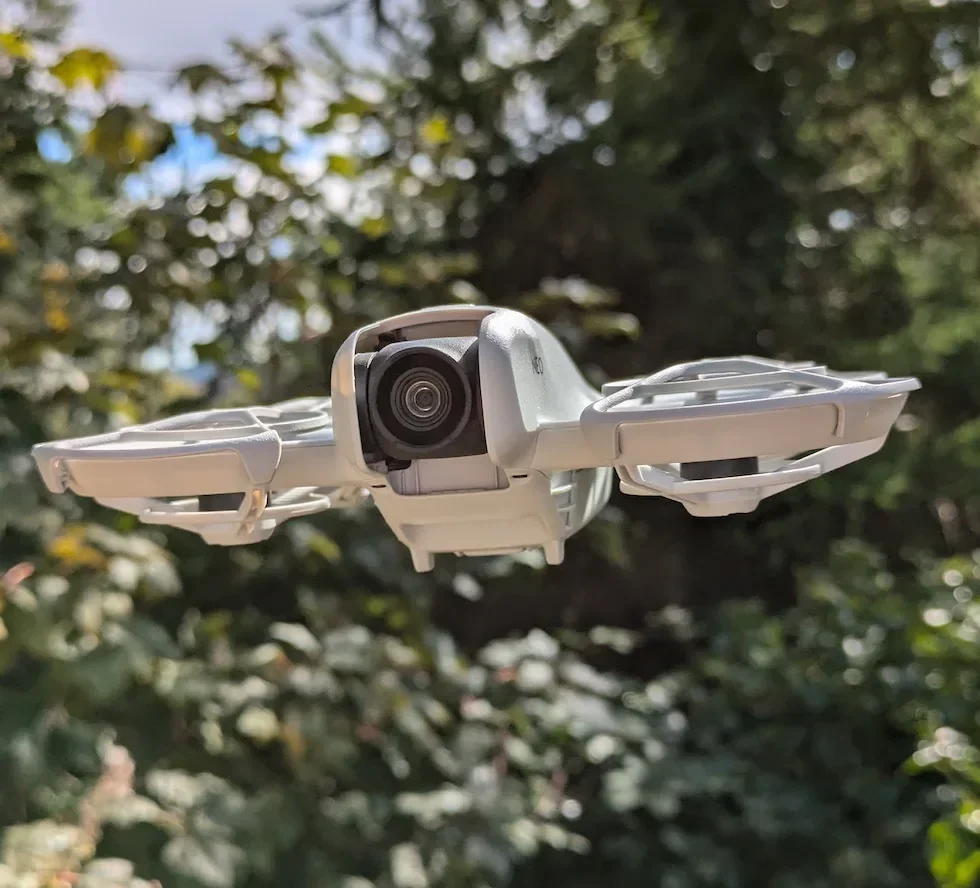
If your DJI drone footage is rolling with the drone when you wanted a flat, cinematic horizon — or sitting locked-flat when you wanted the rolling first-person look — the setting you are after is Gimbal Mode inside DJI Fly. It lives in the same place on every current DJI drone, a short scroll into the Control category, and it has exactly two choices.
Drones this applies to
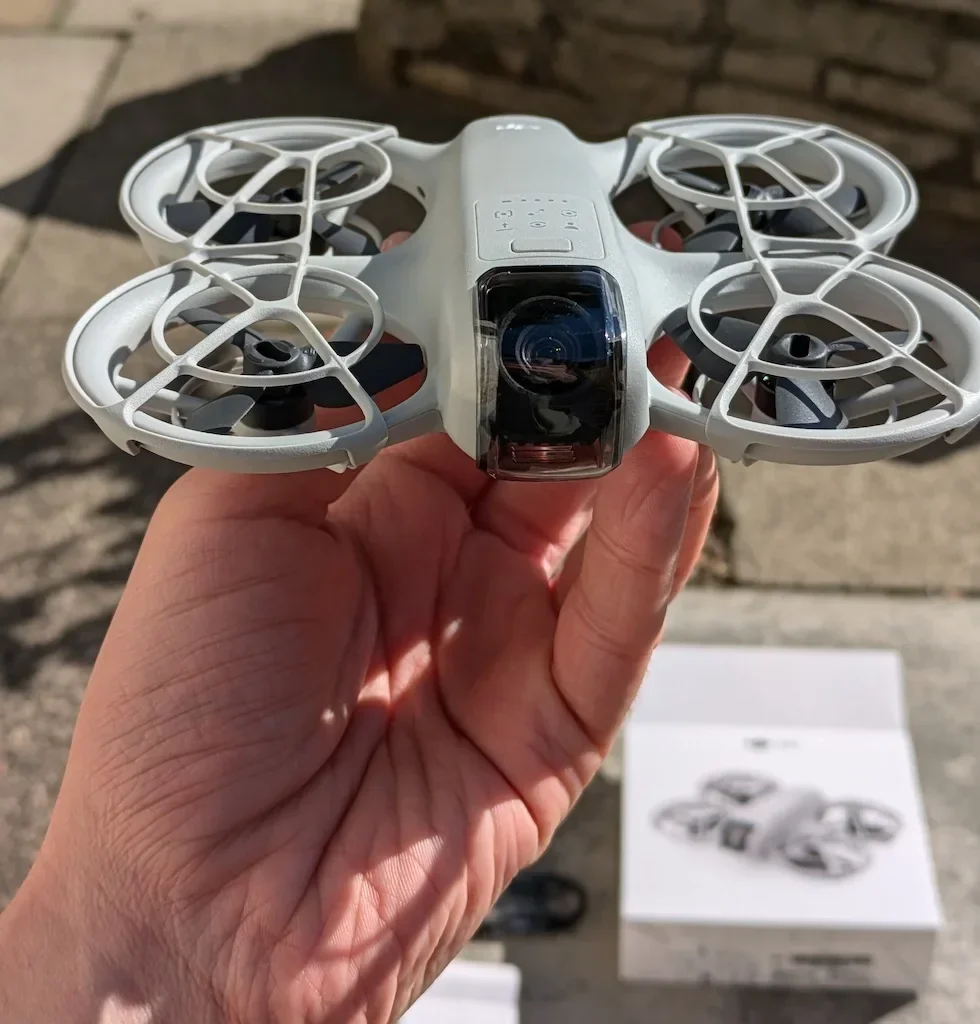
DJI Neo 2, DJI Mini 5 Pro, DJI Avata 2, DJI Air 3 Pro, DJI Mavic 4 Pro. The same procedure works on any drone running DJI Fly v1.21.2 or later — only the number of gimbal axes (single, two, or three) changes what FPV mode actually decouples on each model.
Quick guide
To change Gimbal Mode on DJI Drone, go to DJI Fly → Settings → Control → Gimbal Mode. Follow keeps the horizon level when the drone banks; FPV rolls the camera with the drone for a first-person look.
Step-by-step: How to Change Gimbal Mode Between FPV and Follow on DJI Drone
Follow these top to bottom the first time, and the path is muscle memory the second time. The labels and order are identical on every drone in the callout above.
Open the DJI Fly Settings menu from the camera view
With the drone connected and DJI Fly on the camera view, tap the Settings icon in the top right of the screen. The settings panel slides in from the right with the category tabs down the left-hand side.
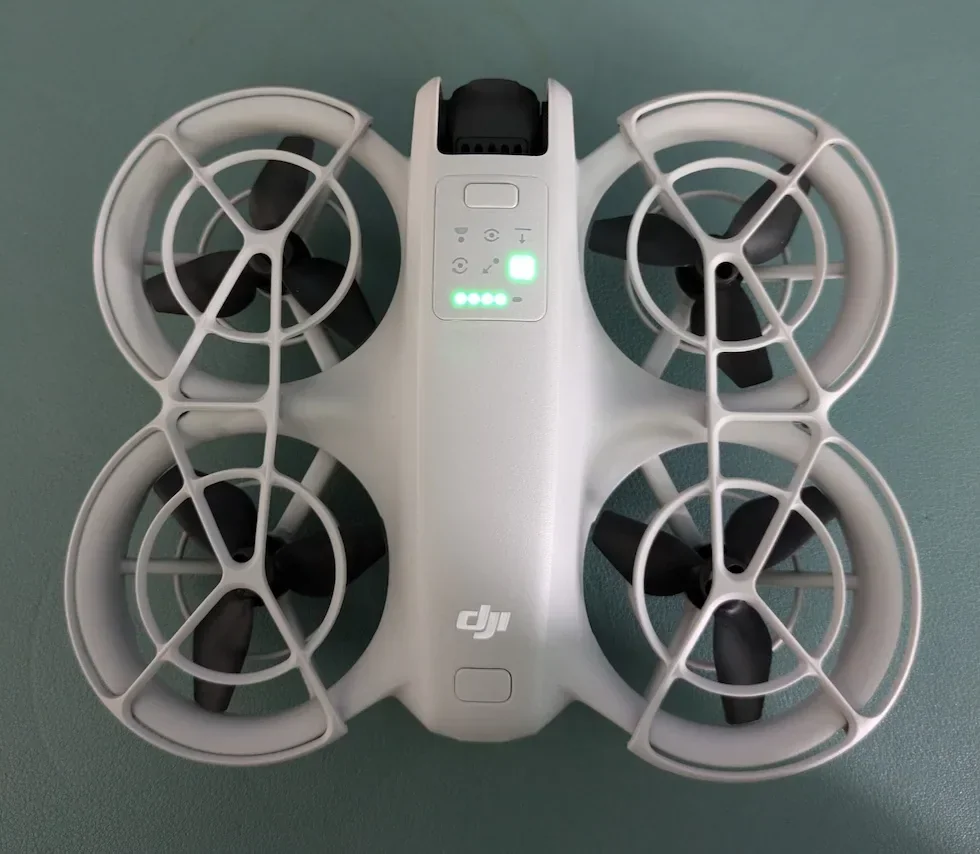
Tap the Control category at the top of the Settings panel
Control is the first tab at the top of the left-hand column, above Safety and Camera. Tap it and the right-hand pane updates with every control and gimbal-related option for the connected drone — gain and expo settings, stick mode, and the Gimbal section further down.
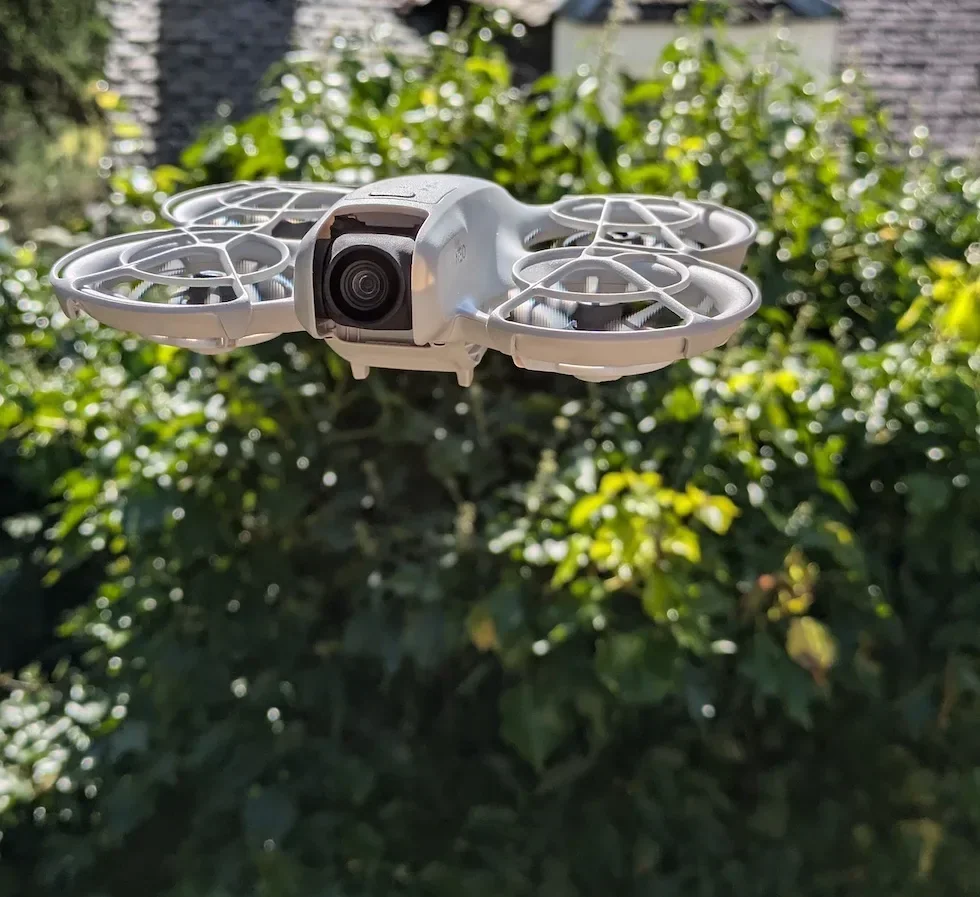
Scroll down to the Gimbal section inside Control
The top of the Control page is all control-related rows. Scroll past Gain and Expo Settings, Stick Mode, and the model-specific rows until the Gimbal sub-heading appears. Gimbal Mode is the first row underneath it.

Tap the Gimbal Mode row to expose the two options
Tap the Gimbal Mode row and the two options expand inline: Follow and FPV. The currently selected mode is highlighted so you can see at a glance which one the drone is on before you change it.
Pick Follow for a level horizon or FPV for a rolling one
Follow keeps the gimbal stable against the horizon so the picture stays flat even when the drone banks. FPV rolls the camera with the drone, so the horizon tilts in sync with the bank angle. Tap the one that suits the shot you are about to film.
Close the Settings panel to confirm the new gimbal mode
The selection saves the moment you tap it — there is no separate confirm button. Close the Settings panel to return to the camera view, and the drone gimbal will start using the new behaviour straight away on the next bank.
Peter's tip
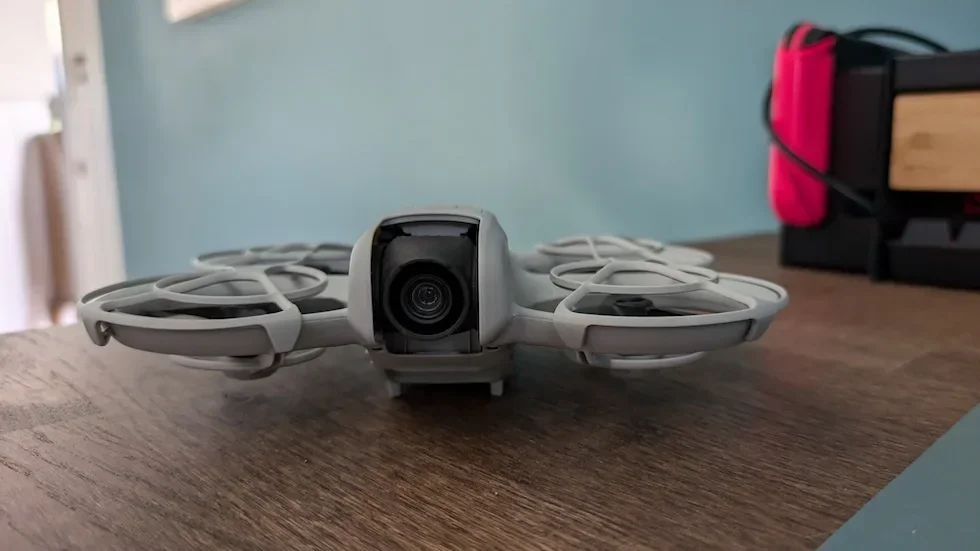
I keep Gimbal Mode on Follow for ninety percent of what I shoot — anything that is going to end up in a client deliverable or a wide cinematic clip stays on Follow. The only time I flip it to FPV is when I have a specific proximity line in mind and I want the picture to lean into the turn. Decide before the take-off, not in the air.
Follow Mode vs FPV Mode on DJI Drone
Two modes, two very different looks on the recorded clip. Use this table to pick before the take-off, not during one.
| Mode | What the horizon does | Best for |
|---|---|---|
| Follow | Stays pinned flat to the horizontal plane regardless of how the drone rolls or banks. The gimbal corrects on the roll axis to keep the picture level. | Cinematic clips, client deliverables, slow-line establishing shots, anything where a rolling horizon would feel like a mistake. |
| FPV | Rolls in sync with the drone, so a left bank tilts the picture left and a right bank tilts it right. The roll axis follows the drone rather than the world. | First-person flying, proximity lines, fly-through clips, anything where you want the camera to feel mounted to the drone rather than to gravity. |
Frequently asked questions
What is the default Gimbal Mode on a DJI drone?
Follow. Every current DJI drone ships with Gimbal Mode set to Follow, which keeps the horizon level when the drone rolls, banks, or speeds through a line. Switch to FPV only when you want the camera to roll with the drone for a first-person look — otherwise Follow is the right call.
What is the difference between Follow Mode and FPV Mode on a DJI drone?
Follow Mode keeps the gimbal stable relative to the horizontal plane, so the footage stays flat even when the drone banks into a turn. FPV Mode rolls the gimbal in sync with the drone, so a hard left bank tilts the picture left and a hard right bank tilts it right. Follow is built for cinematic clips; FPV is built for high-immersion first-person flying.
When should I switch a DJI drone to FPV gimbal mode?
Whenever you want the camera to feel like it is mounted to the inside of the drone — proximity flying, fast-moving line shots, fly-through clips, anything where a rolling horizon adds to the energy of the shot. The rolling picture sells the speed in a way that a locked-flat horizon never will.
Does the gimbal still stabilise the picture in FPV mode?
Yes. The gimbal stays active and stabilised in FPV mode — it just stops correcting the roll axis. Pitch and yaw stabilisation keep working as normal, so the picture is still smooth, it just rolls along with the drone instead of staying pinned flat.
Can I change Gimbal Mode mid-flight on a DJI drone?
Yes. Open Settings, tap Control, find Gimbal Mode, and tap the option you want — the change is live the second you tap it. Just do not try to do it mid-line in a tight FPV pass; hover or bring the drone to a slow forward speed, change the mode, then pick the line back up.
Why is my DJI drone horizon tilted even in Follow Mode?
A tilted horizon in Follow Mode usually means the gimbal needs a calibration. Land the drone, open Settings, tap Control, scroll to Gimbal, and run Gimbal Auto Calibration. If the tilt comes back after the calibration, the gimbal has likely taken a knock and needs a proper inspection before flying again.
Does Gimbal Mode affect the photo and video files saved to the drone?
It affects what was happening to the picture at the moment of capture, not the file itself. A clip recorded in FPV bakes the rolling horizon into the file — there is no way to un-roll it in post short of cropping. A clip recorded in Follow bakes a level horizon in. Pick the mode that matches the final look you want before the recording starts.
Does Gimbal Mode exist on every DJI drone running DJI Fly?
On every drone with a stabilised gimbal that supports a roll axis, yes — the Control menu carries the same Gimbal Mode row. On drones with a single-axis gimbal the FPV option still exists; it just decouples the roll behaviour from horizon-lock rather than adding a third axis of stabilisation. The menu path and the wording are identical across the current line-up.
Gimbal Mode is the cheapest one-tap change in DJI Fly that visibly changes the look of your footage. Get into the habit of picking the right one before the take-off and the drone will start delivering the shot you imagined, not the one the default happened to give you.
If you want a second opinion on which mode to use for a specific shot you have in mind, drop the details to peter@hiredronepilot.uk and I will come back to you directly. The video version of this walkthrough is on YouTube and the comments are open.
References
Primary source material for this article is the official DJI user documentation for each drone in the callout and DJI Fly. External links open in a new tab.
- DJI Fly — App download and release notes · The app where the Control category and the Gimbal Mode selector live across every current DJI drone. Release notes record any menu reshuffles between versions.
- DJI — UK consumer drone product line-up · Per-drone user manuals carry the Gimbal Operation Modes wording under §Gimbal Settings — Follow Mode holds the gimbal stable to the horizontal plane; FPV Mode rolls in sync with the drone.
- UK Civil Aviation Authority — The Drone and Model Aircraft Code (CAP2320) · The visual-line-of-sight expectation that frames why first-person framing on a recorded clip is a creative choice, not a flight aid.
Peter Leslie
Founder & GVC Drone Pilot
Peter is the founder of HireDronePilot. With thousands of logged commercial flight hours, he writes about drone technology, commercial surveying tactics, and UK aviation compliance.
Connect on LinkedIn