How to Change Units (Metric or Imperial) on DJI Drone
Peter Leslie
22 May 2026
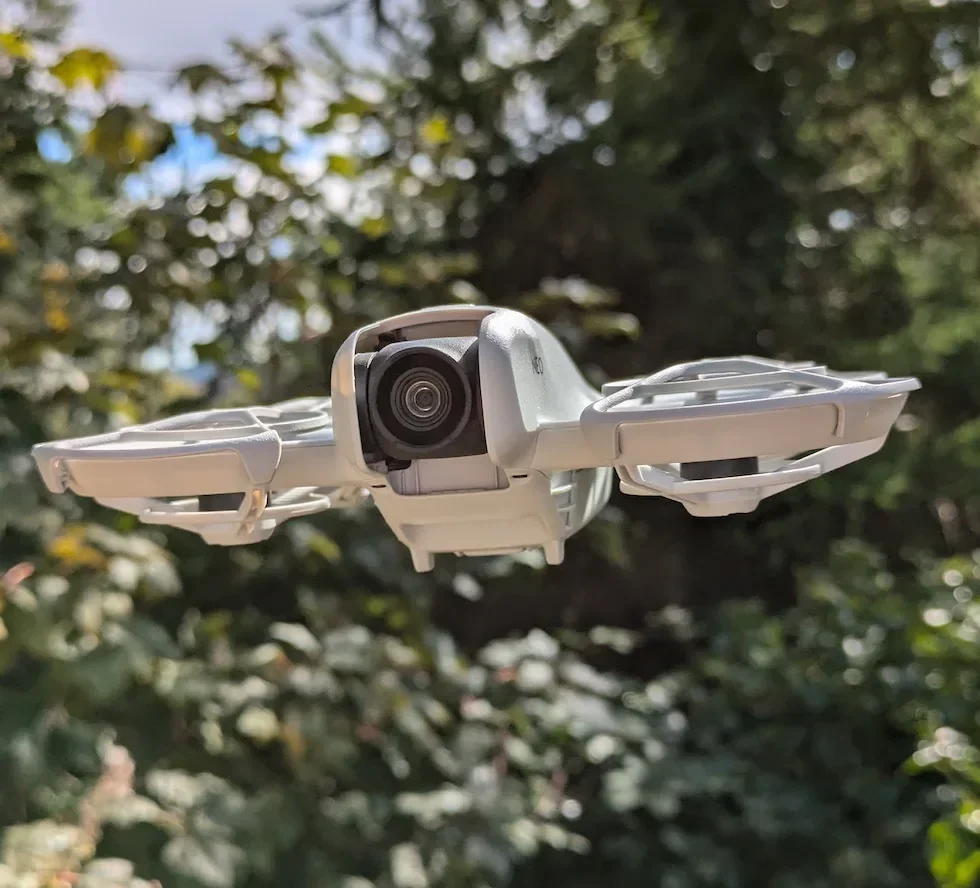
If the altitude readout on the DJI Fly camera view is showing the wrong unit system for the way you fly, or the speed figure on the bottom of the screen is not the one your client is briefing you in, the setting you are looking for is one row in DJI Fly. The Units selector flips every distance, speed and temperature reading on DJI Drone between metric and imperial in a single tap.
Drones this applies to
DJI Neo 2, DJI Mini 5 Pro, DJI Avata 2, DJI Air 3 Pro, DJI Mavic 4 Pro. The same procedure works on any drone running DJI Fly v1.21.2 or later — Units sits at the top of the Control category on every current model, and the menu labels read the same on iPhone and Android.
Quick guide
To change the units on DJI Drone, go to DJI Fly → Camera View → Settings → Control → Units. Metric shows metres and kilometres per hour; imperial shows feet and miles per hour. The new system applies to every readout on the camera view the moment you tap it.
Step-by-step: How to Change Units (Metric or Imperial) on DJI Drone
Follow these top to bottom the first time, and you will know the path off by heart the second time. The labels and order are identical on every drone in the callout above — the screenshots are taken on a DJI Neo 2.
Open the DJI Fly Settings menu from the camera view
With the drone powered on and the remote controller connected, launch DJI Fly and tap Go Fly to drop into the camera view. Tap the Settings icon in the top right of the screen — it is the three-dot menu pinned to the corner. The Settings panel slides in from the right over the live feed.
Tap the Control category in the Settings panel
Control is the first tab in the row that runs along the top of the Settings panel. Tap it once and the right-hand pane updates to show stick mode, gimbal behaviour, EXP curves, and the Units selector. Control is where this setting lives on every current DJI drone.
Find the Units row at the very top of the Control category
Units is the first selection inside the Control tab — no scrolling needed on any current drone. The row shows the current value on the right, either Metric or Imperial, so you can see at a glance which system the camera view is reading in before you change anything.
Tap Metric for metres and kilometres per hour
Tap Metric to read the camera view in the unit system the UK Drone Code is written in. Altitude and distance switch to metres, horizontal speed switches to kilometres per hour, and the temperature readout switches to Celsius. A checkmark lands beside Metric to confirm the selection.
Tap Imperial for feet and miles per hour
Tap Imperial to flip the camera view to the unit system US flight logs and US clients tend to brief in. Altitude and distance switch to feet, horizontal speed switches to miles per hour, and the temperature readout switches to Fahrenheit. The checkmark moves across to Imperial to confirm the change.
Close the Settings panel and return to the camera view
Tap anywhere outside the Settings panel, or tap the close icon at the top of the panel, to drop back to the live feed. The new Units value takes effect the moment you tap it, so the altitude, distance and speed readouts on the camera view are already showing the chosen system by the time you see them again.
Cross-check the altitude readout against the Maximum Altitude slider
Open Settings again, tap Safety, and glance at the Maximum Altitude slider. If you fly to the UK limit of one hundred and twenty metres, the slider should read that figure in metric and roughly three hundred and ninety four feet in imperial. The slider position has not moved — only the number beside it has.
Peter's tip
I leave Units on Metric for every UK job because the Drone Code, the CAA altitude limit and every operational authorisation I have ever held are written in metres. The only time I flip to Imperial is when I am exporting a flight summary for a US client who would rather not do the conversion in their head.
Metric vs Imperial on DJI Drone
Two systems, every readout on the camera view follows the one you pick. Use this table to choose before you take off, not in the middle of a job.
| Units | Altitude and distance | Speed and temperature |
|---|---|---|
| Metric | Altitude and distance read in metres. UK Drone Code limits are written in this system, so the figures on screen match the legal text. | Horizontal speed reads in kilometres per hour. Temperature reads in Celsius. |
| Imperial | Altitude and distance read in feet. US flight logs and US clients tend to brief in this system, so the camera view lines up with the paperwork. | Horizontal speed reads in miles per hour. Temperature reads in Fahrenheit. |
Frequently asked questions
Does changing units on DJI Drone affect anything other than the on-screen readouts?
No. The Units selector only changes how altitude, distance, horizontal speed and temperature are displayed in DJI Fly. The drone flies the same flight, the firmware uses the same internal values, and recorded footage is not affected. Only the numbers you read on the phone change.
What is the difference between metric and imperial on DJI Drone?
Metric shows altitude and distance in metres, horizontal speed in kilometres per hour and temperature in Celsius. Imperial shows altitude and distance in feet, horizontal speed in miles per hour and temperature in Fahrenheit. The setting flips every readout on the camera view at once.
When should I use metric, and when should I use imperial on DJI Drone?
Metric is the natural pick for UK drone pilots because the Drone Code and the CAA write the legal limits in metres — one hundred and twenty metres maximum altitude and fifty metres separation from uninvolved people. Imperial is the natural pick when you are sharing footage with a US crew, reading a US flight log or working with a client who briefs you in feet.
Does the altitude limit on DJI Drone change when I switch to imperial?
No. The Maximum Altitude limit is the same height in the real world either way — what changes is the number on the readout. One hundred and twenty metres in metric is roughly three hundred and ninety four feet in imperial, so the slider lands on a different figure but the drone tops out at the same height above the take-off point.
Will the unit change apply to the home screen and the Album in DJI Fly too?
Yes. Once you change Units, every distance and speed in DJI Fly follows the new system, including the flight summary on the Album page and the maximum altitude and distance figures shown when you tap into a saved flight log. The setting is app-wide rather than per-screen.
Does the Units choice on DJI Drone carry over between flights?
Yes. DJI Fly remembers the Units choice between sessions, so picking imperial once keeps it on every time you launch the app until you switch it back. Reinstalling DJI Fly resets the value to the default for your region, which is normally the only way to lose the setting.
Does this setting carry across to DJI Goggles on DJI Drone?
No. The Units selector is a DJI Fly toggle that scales the on-phone interface. DJI Goggles use their own internal HUD with their own preferences for unit display, so the metric and imperial choice you make in DJI Fly does not carry across to the goggles view. Set the unit system in each interface separately if you fly with both.
Why is the speed readout on DJI Drone still showing the wrong unit after the change?
An out-of-date DJI Fly build sometimes caches the old unit on the camera view until you back out and reopen the Settings panel once. Force-close DJI Fly and relaunch with the drone still connected — the readout picks up the new system on the fresh camera view. If the row will not stick at all, update DJI Fly from the App Store or Google Play first.
The Units selector is one of those small DJI Fly toggles that earns its keep the first time your readout disagrees with the briefing in your hand. Pick the system that matches the paperwork, and altitude, distance and speed on the camera view all line up the moment you tap.
If you would rather have a second pair of eyes on your DJI Drone setup before a job, drop the details to peter@hiredronepilot.uk and I will come back to you directly. The video version of this walkthrough is on YouTube and the comments are open.
References
Primary source material for this article is the official DJI user documentation for each drone in the callout and DJI Fly. External links open in a new tab.
- DJI Fly — App download and release notes · The app where the Settings panel, the Control category, and the Units row all live across every current DJI drone. Release notes record any layout changes between app versions.
- DJI — UK consumer drone product line-up · Per-drone product pages confirm Units sits at the top of the Control category on every current model.
- UK Civil Aviation Authority — The Drone and Model Aircraft Code (CAP2320) · The CAA writes the altitude and separation limits in metres, which is why Metric is the natural pick for UK flying.
Peter Leslie
Founder & GVC Drone Pilot
Peter is the founder of HireDronePilot. With thousands of logged commercial flight hours, he writes about drone technology, commercial surveying tactics, and UK aviation compliance.
Connect on LinkedIn