How to Enable Burst-Shot Photo Mode on DJI Drone
Peter Leslie
22 May 2026
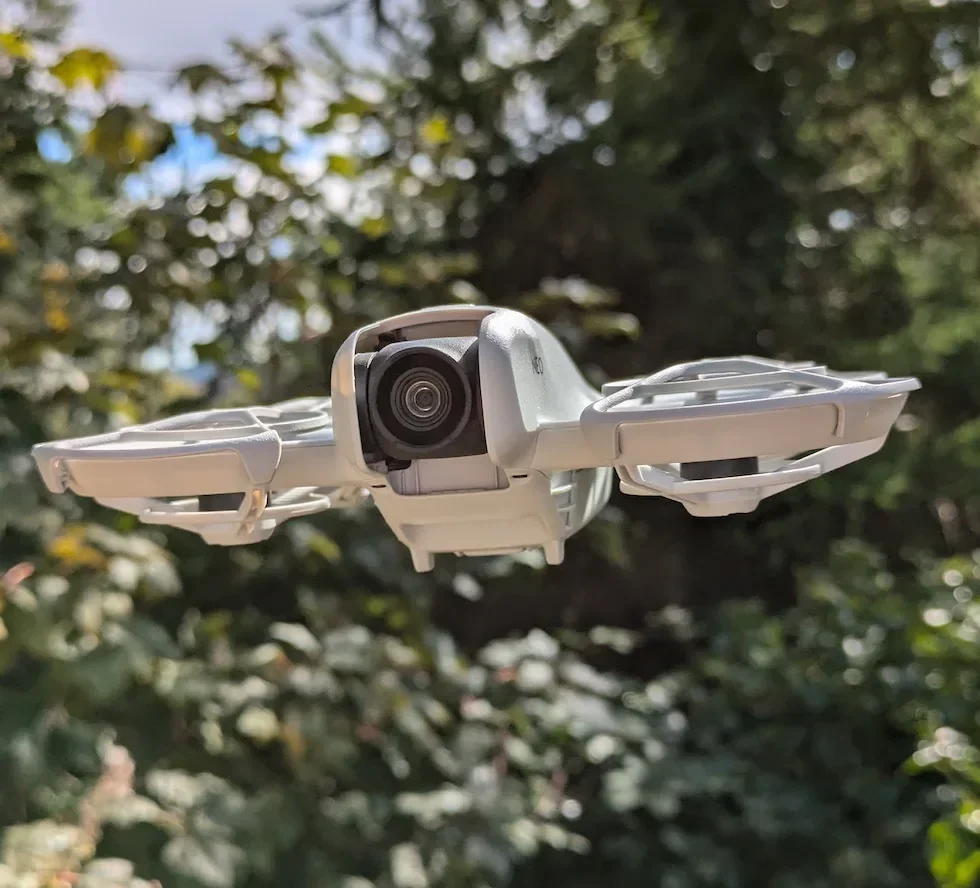
If the subject in front of a DJI drone is moving — a car on a coast road, a cyclist on a trail, a dog tearing across a field — and a single frame keeps landing on the wrong fraction of a second, the setting you are looking for is Burst-shot inside DJI Fly. It lives in the same place on every current DJI drone, behind a single tap on the shooting mode chip next to the shutter, and the count picker exposes a choice of three or five frames per press.
Drones this applies to
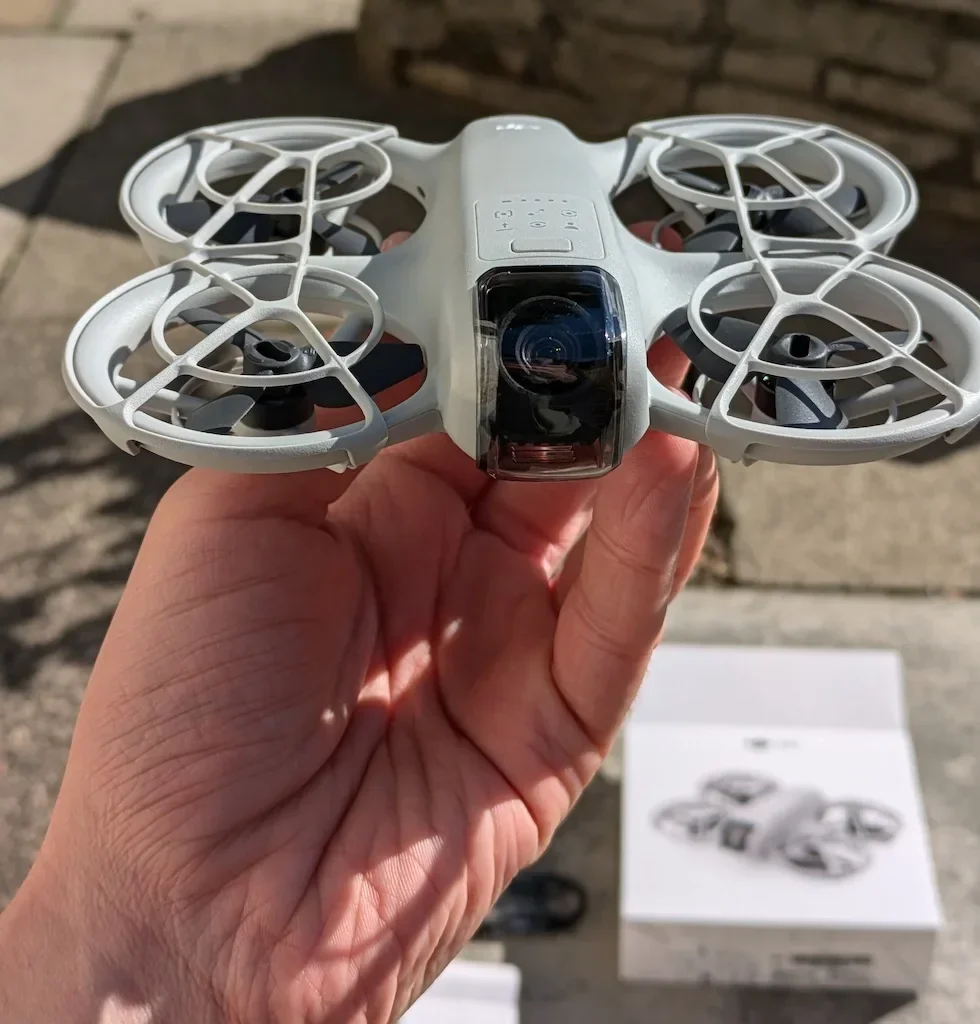
DJI Neo 2, DJI Mini 5 Pro, DJI Avata 2, DJI Air 3 Pro, DJI Mavic 4 Pro. The same procedure works on any drone running DJI Fly v1.21.2 or later — only the maximum photo resolution behind the shutter varies slightly between models.
Quick guide
To enable Burst-shot on DJI Drone, go to DJI Fly → Camera view → Photo mode → Shooting mode chip → Burst → pick 3 or 5 frames. Three frames suits most action; five gives a longer sequence for fast or unpredictable subjects.
Step-by-step: How to Enable Burst-Shot Photo Mode on DJI Drone
Follow these top to bottom the first time, and the path is muscle memory the second time. The labels and order are identical on every drone in the callout above.
Switch DJI Fly to photo mode from the camera view
With the drone connected and DJI Fly on the camera view, look at the bottom right of the screen. Tap the Photo / Video toggle so the shutter glyph shows a still-camera icon rather than a record dot — the shooting mode chip only appears once photo mode is live.
Locate the shooting mode chip beside the shutter button
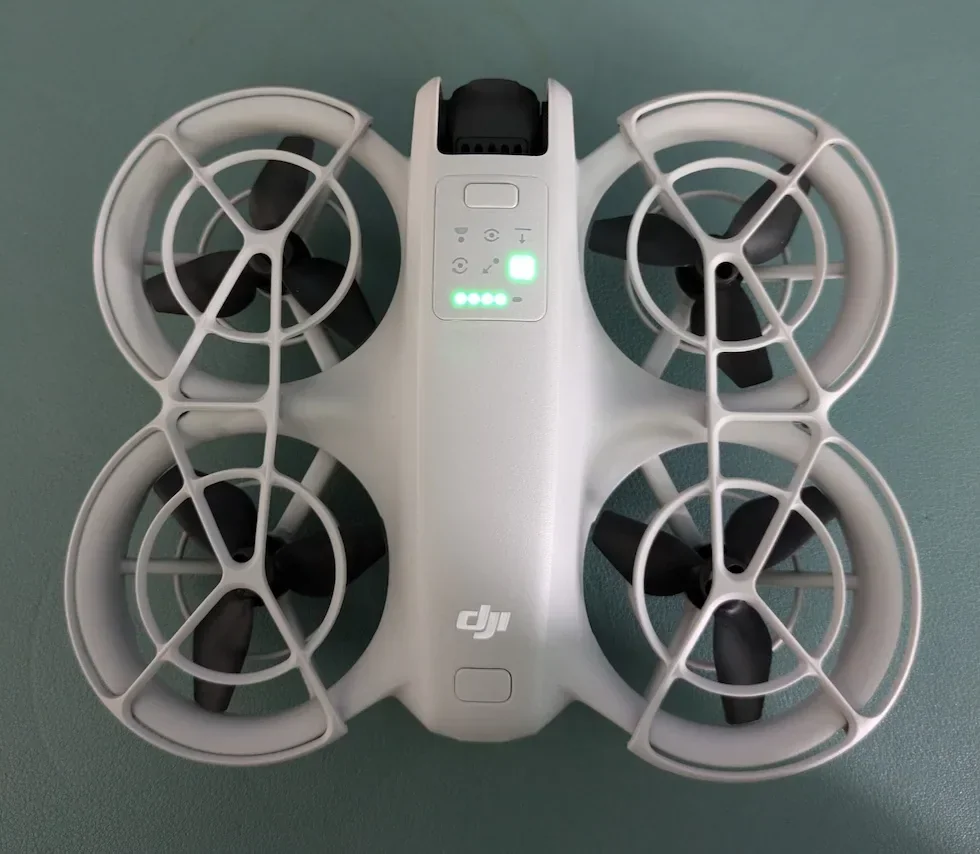
The shooting mode chip sits right next to the round shutter button on the DJI Fly camera view. It carries the name of whichever mode is currently live — Single, Burst, or Timer. If the chip reads Single, the drone is still on the default one-frame-per-press behaviour and Burst has not been enabled yet.
Tap the shooting mode chip to open the selector
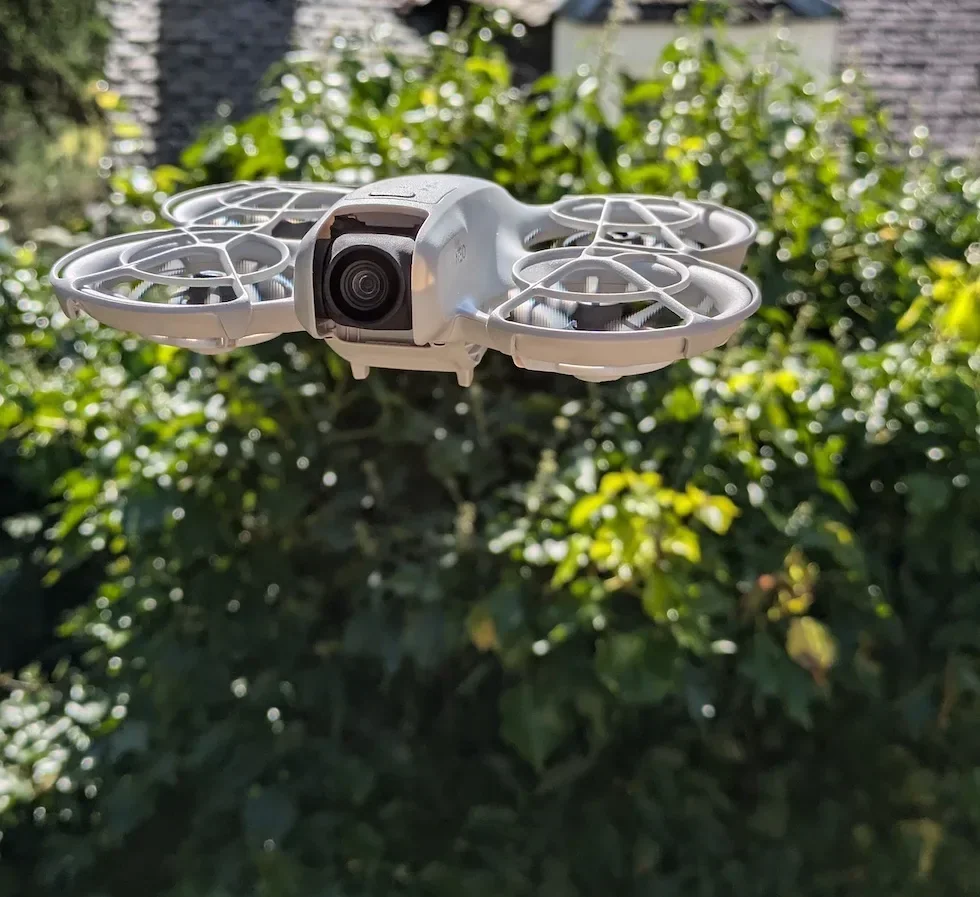
Tap the chip once and DJI Fly slides out a short selector with the three available shooting modes — Single, Burst, and Timer. The current selection is highlighted so you can see at a glance which one the drone is on before you change it.

Tap Burst in the selector to enable Burst-shot mode
Tap Burst in the open selector. The chip next to the shutter updates straight away to read Burst, and the drone stays in Burst-shot mode until you change it again — across the rest of the flight and on the next boot.
Pick three or five frames from the burst count picker
With Burst selected, DJI Fly exposes a count picker right next to the shooting mode chip. Tap 3 for a short three-frame sequence per press, or 5 for a longer five-frame run on faster or less predictable subjects. The drone remembers whichever number you pick for the next press.
Close the selector and confirm the chip reads Burst
Tap outside the selector to close it. Check the shooting mode chip next to the shutter now reads Burst and the count next to it shows the number you picked. The drone holds that state on the chip until the next change, so a glance before the first shot saves a wasted single-frame press.
Press the shutter once to fire the burst sequence
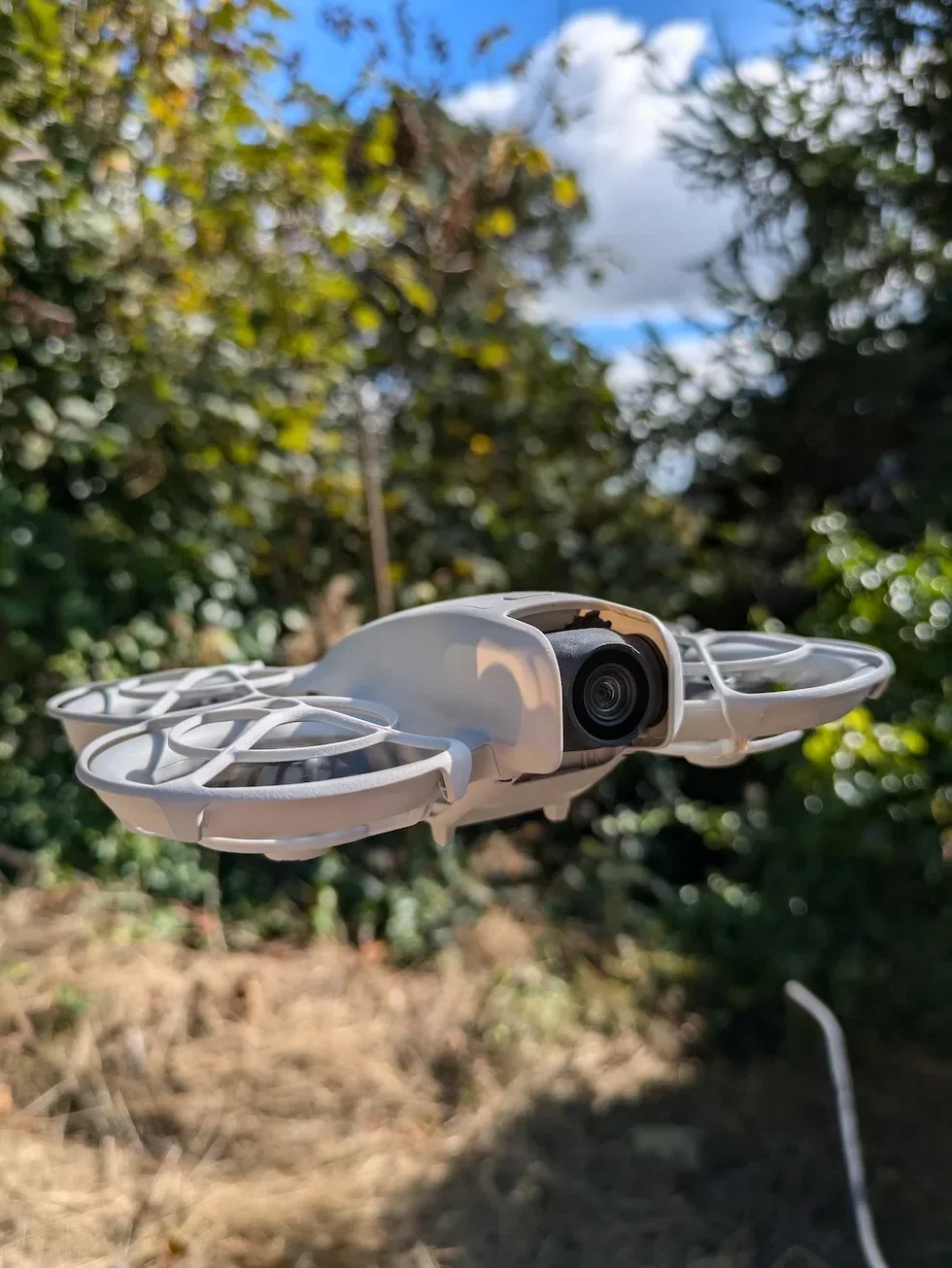
Frame the moving subject in the DJI Fly viewfinder and press the shutter button on the remote controller once. The drone fires the whole burst on that single press — there is no need to hold the button down — and each frame writes to the DJI Fly gallery as its own JPEG.
Peter's tip
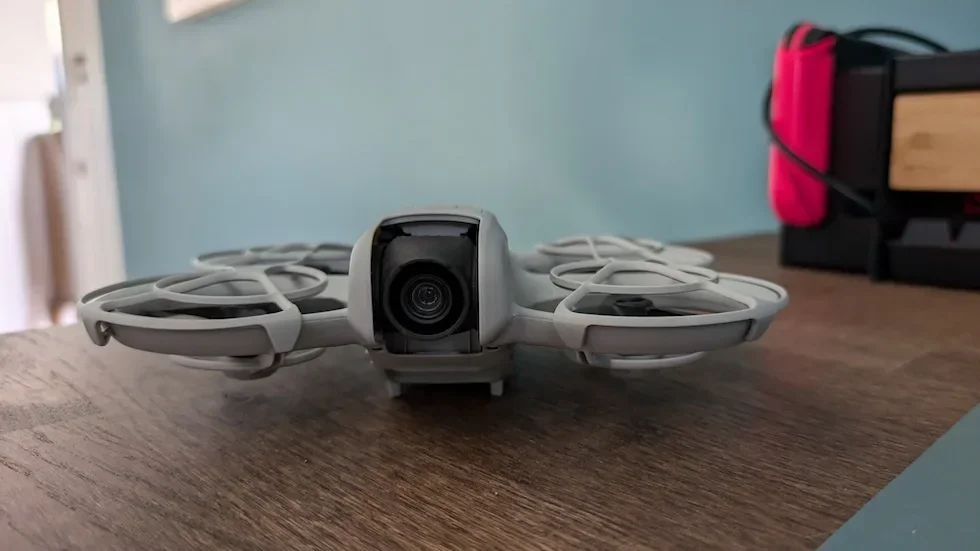
I leave every DJI drone I fly on three-frame Burst for almost any action shoot — cars on a coast road, a friend running a trail, a dog chasing a ball — and only bump to five when the subject is fast and unpredictable like splashes or kids on a beach. Three frames is enough to catch the right moment without doubling the gallery clean-up afterwards. The frame I end up keeping is almost never the one I thought I was timing the press for, which is the whole reason to switch off Single in the first place.
Three frames vs five frames
Same chip, same press — the only difference is how many JPEGs land in the gallery. Use this table to pick the count before the flight rather than during it.
| Burst count | What happens on a shutter press | Best for |
|---|---|---|
| 3 frames | A short three-frame sequence on one press. The drone fires the burst and stops on its own — three JPEGs save to the gallery for cherry-picking afterwards. | Most action — cars, cyclists, running dogs, walking subjects. Enough frames for the middle one to land on the right moment without doubling the gallery. |
| 5 frames | A longer five-frame sequence on one press. Five JPEGs save to the gallery, giving a wider window of moments to choose from in post. | Faster or less predictable subjects — splashes, kids on a beach, sports, anything where a fraction of a second separates a sharp frame from a blurred one. |
Frequently asked questions
How many frames does Burst-shot mode capture on a DJI drone?
Three or five, picked from the count selector that appears next to the shooting mode chip once Burst is active. Both options fire on a single shutter press, so there is no need to hold the button down. The drone saves each frame as a separate JPEG to the DJI Fly gallery so drone pilots can scroll through afterwards and keep only the sharpest one.
When should I use three frames versus five frames?
Three is enough for most action — cars, cyclists, a dog running across frame — because the middle frame usually carries the right moment. Switch to five when the subject is faster or less predictable, like splashes on a coast, kids on a beach, or anything where a fraction of a second separates a sharp frame from a blurred one. Five also gives a longer sequence to choose from if the light is bouncing around.
Does Burst-shot use more storage than Single?
Yes. A five-frame Burst writes five JPEGs to the gallery per shutter press, where Single would have written one. A heavy day of action shooting can fill an SD card quicker than the same flight on Single, so worth a glance at the storage indicator on the DJI Fly camera view before a long Burst session. Clearing unused frames out of the gallery after each flight keeps the card from creeping full.
Can I switch to Burst-shot from the remote controller?
The dedicated photo button on the remote controller enters photo mode directly, but the Burst selection itself is a tap on the shooting mode chip in DJI Fly. Drone pilots flying without the controller can still get to the chip from the camera view over the Wi-Fi link to the drone. Either way, the chip is the place where Single, Burst, and Timer are picked.
Does Burst-shot affect the photo aspect ratio or resolution?
No. The shooting mode chip only changes how many frames the shutter fires per press — the aspect ratio and resolution still come from their own chips on the camera view. Switching to Burst leaves both of those settings exactly where they were on the last flight, so a 4:3 Single setup carries straight into 4:3 Burst at the same pixel count.
Why is the Burst chip greyed out in DJI Fly?
The shooting mode chip is only live once DJI Fly is in photo mode — if the camera view is sat on video, the chip disappears. Tap the Photo / Video toggle so the shutter glyph shows a still-camera icon, and Single, Burst, and Timer come back as options. If the chip is still missing after switching to photo mode, restart DJI Fly and reconnect the drone.
Does a DJI drone remember Burst-shot between flights?
Yes. DJI Fly holds onto the last shooting mode selection, so if you finished yesterday on Burst the drone boots straight back into Burst today. The count picker also remembers whether you were on three frames or five. Worth a glance at the chip before the first shot of a flight in case the last session was for a different kind of subject.
Is Burst-shot available on every current DJI drone?
Yes — every current consumer DJI drone running DJI Fly exposes Single, Burst, and Timer on the shooting mode chip, and the three or five frame count picker behaves the same way across the line-up. Only the maximum photo resolution behind the shooting mode differs between models, not the procedure to enable Burst itself. The menu path stays the same whether the drone is a DJI Neo 2, a DJI Mini 5 Pro, or a DJI Mavic 4 Pro.
Burst-shot on a DJI drone is one of those settings that pays back the half-second it takes to switch on — pick the count that matches the subject, fire the sequence on one press, and the right frame is almost always sitting somewhere in the gallery afterwards.
If you want a second opinion on whether three frames or five is the right default for the kind of work you do, drop the details to peter@hiredronepilot.uk and I will come back to you directly. The video version of this walkthrough is on YouTube and the comments are open.
References
Primary source material for this article is the official DJI user documentation for each drone in the callout and DJI Fly. External links open in a new tab.
- DJI Fly — App download and release notes · The app where the shooting mode chip and the three or five frame Burst count picker live across every current DJI drone. Release notes record any menu reshuffles between versions.
- DJI — UK consumer drone product line-up · Per-drone product pages and user manuals carry the photo shooting mode behaviour, sensor specifications, and the JPEG output sizes that the Burst sequence writes to the gallery.
- UK Civil Aviation Authority — The Drone and Model Aircraft Code (CAP2320) · The visual-line-of-sight and behaviour-towards-people rules that frame how close any of these action subjects can sensibly be approached in the first place.
Peter Leslie
Founder & GVC Drone Pilot
Peter is the founder of HireDronePilot. With thousands of logged commercial flight hours, he writes about drone technology, commercial surveying tactics, and UK aviation compliance.
Connect on LinkedIn