How to Turn the Obstacle Radar Map On or Off on DJI Drone
Peter Leslie
22 May 2026
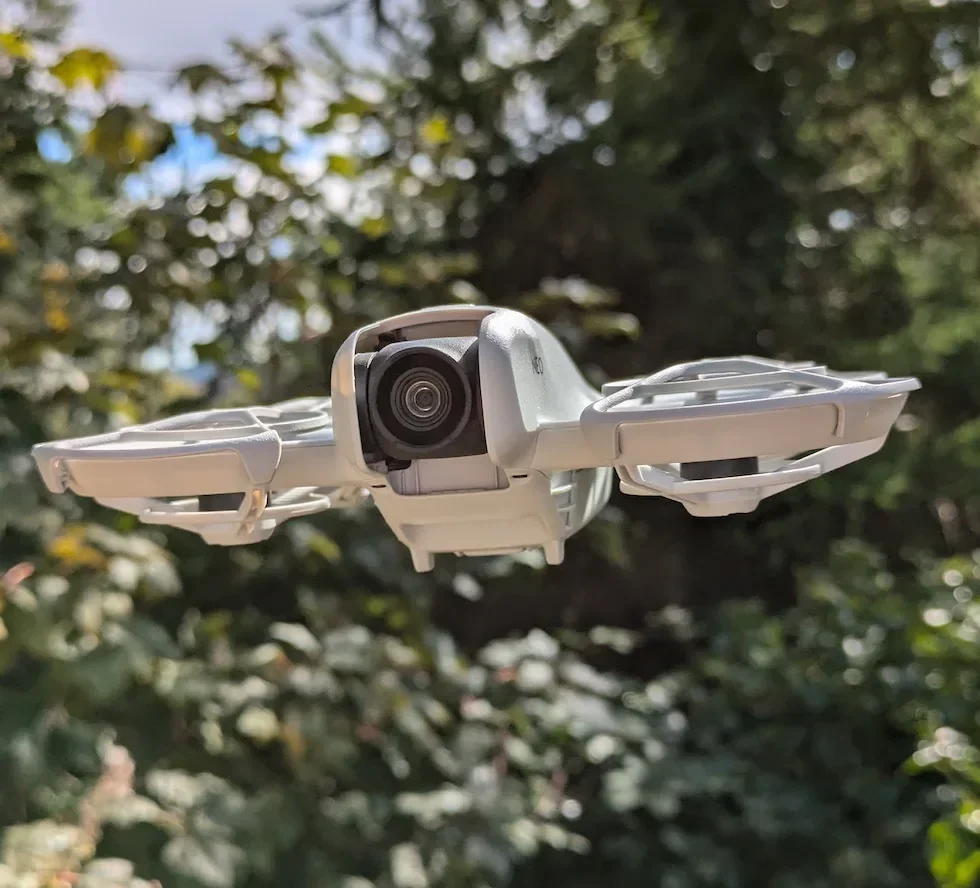
If you are flying a DJI drone and the radar dial that keeps flashing on the camera view is either reassuring you or actively annoying you, the switch to control it is one toggle inside the DJI Fly Safety menu. Most drone pilots never go looking for it because the overlay is on by default and the toggle is buried a short scroll down the Safety list.
Drones this applies to
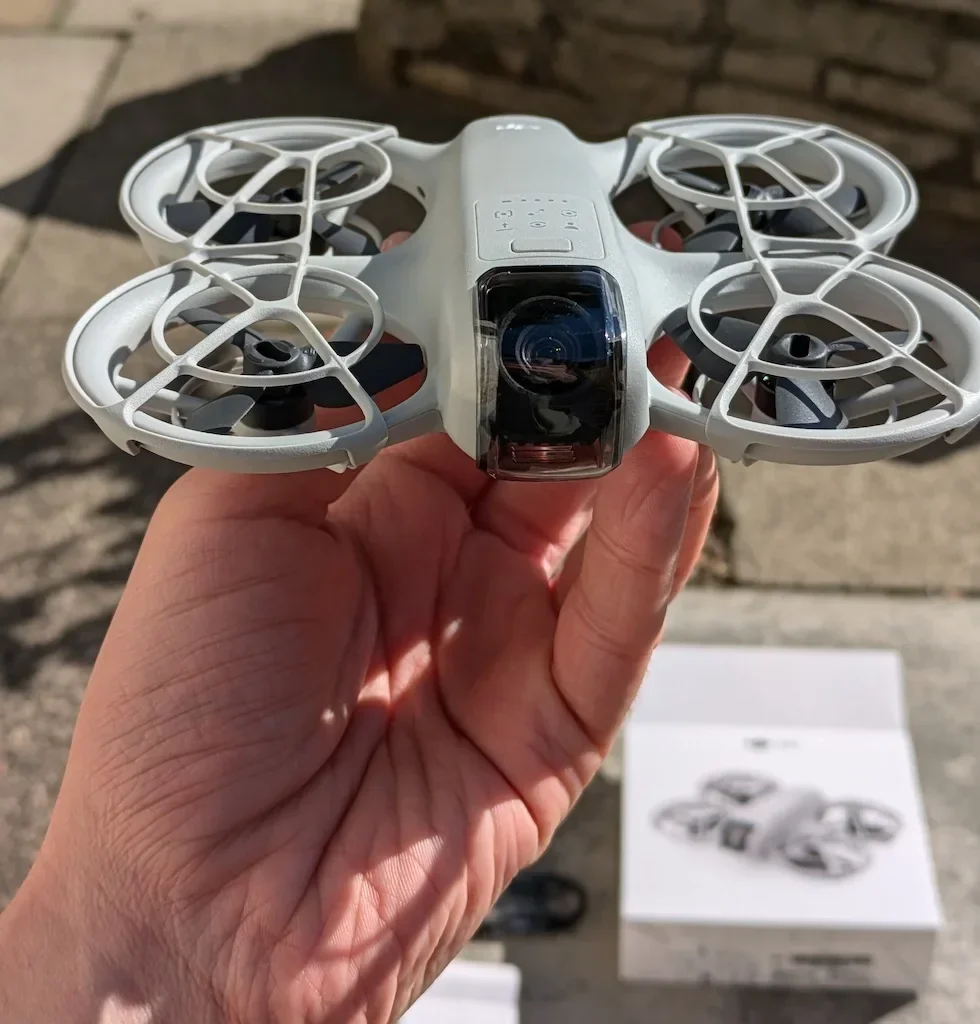
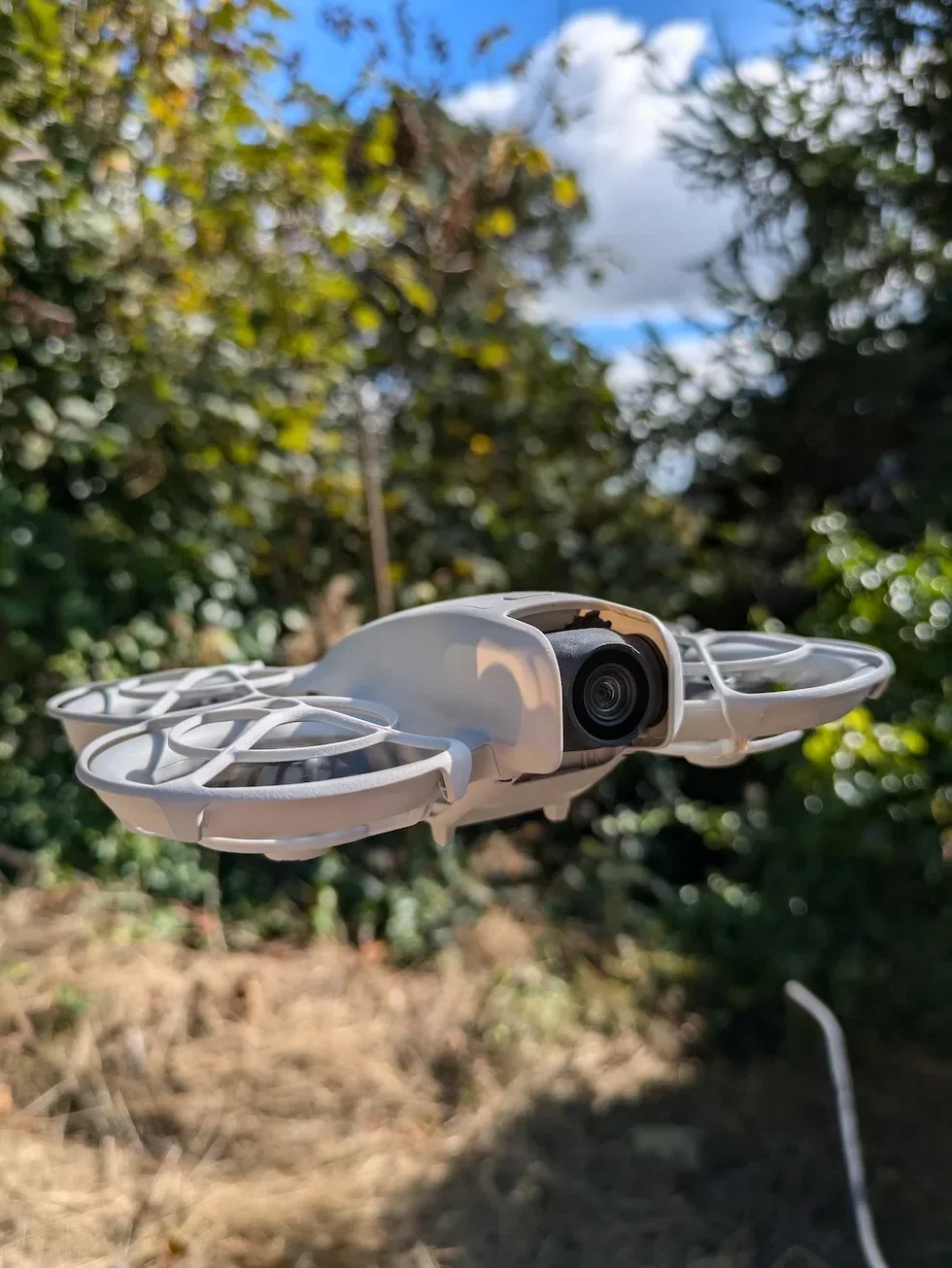
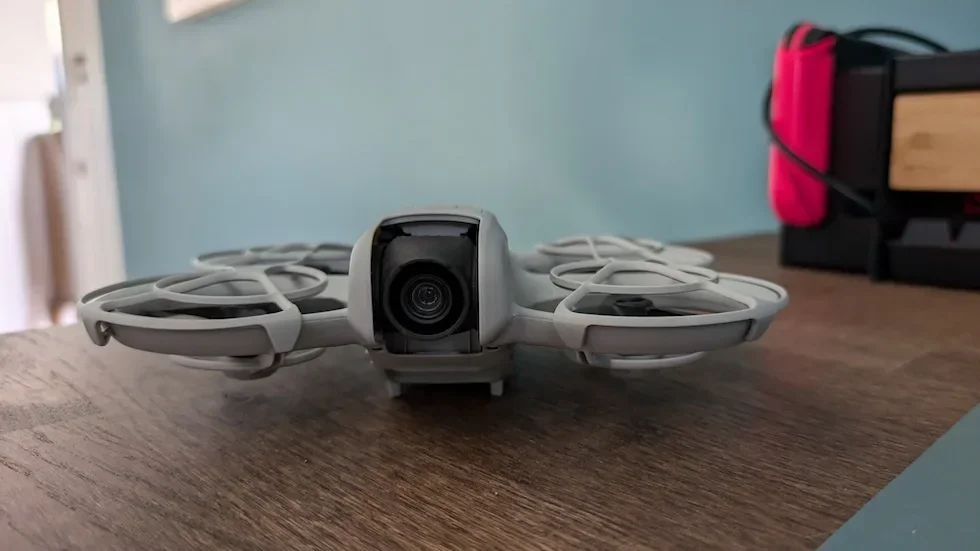
The Obstacle Radar Map is only meaningful on DJI drones that ship with an omnidirectional or multi-directional vision system — currently the DJI Neo 2, DJI Mini 5 Pro, DJI Avata 2, DJI Air 3 Pro and DJI Mavic 4 Pro. The Safety menu path and the toggle label are identical on each one. Drones with only forward and downward sensors do not draw a radar dial — there is nothing to map for the sides and rear, so the row will either be missing from the Safety list or the overlay will simply never appear in flight.
Quick guide
To switch the Obstacle Radar Map on DJI Drone, go to DJI Fly → Settings (three dots) → Safety → Obstacle Radar Map. On draws the radar overlay on the camera view whenever an obstacle is detected; off hides the overlay entirely without changing how the drone flies.
Step-by-step: How to Turn the Obstacle Radar Map On or Off on DJI Drone
Follow these top to bottom the first time, and you will know the path off by heart the second time.
Open DJI Fly to the live camera view with the drone connected
Power on the drone, link the remote controller, and wait for the live camera feed to come up in DJI Fly. The settings panel only populates with every category once the drone is connected and reporting to the app.
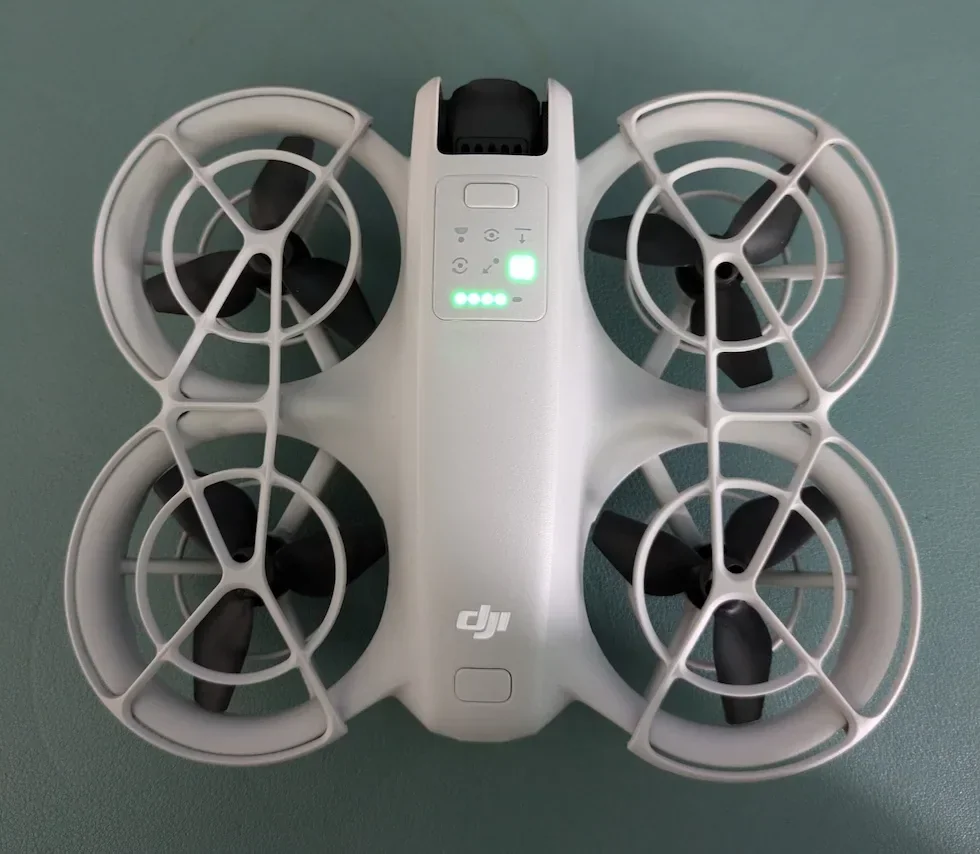
Tap the three-dot settings icon in the top-right of the camera view
The three dots sit in the top-right corner of the DJI Fly camera view, just above the battery readout. Tap them to slide the in-flight settings panel in from the right of the screen.
Select the Safety category at the top of the settings panel
The Safety category is the first tab in the settings panel — the one with the shield icon. It holds the obstacle-avoidance behaviour, the Max Altitude limit, the RTH altitude, the AR settings, and the Obstacle Radar Map toggle that this guide is about.
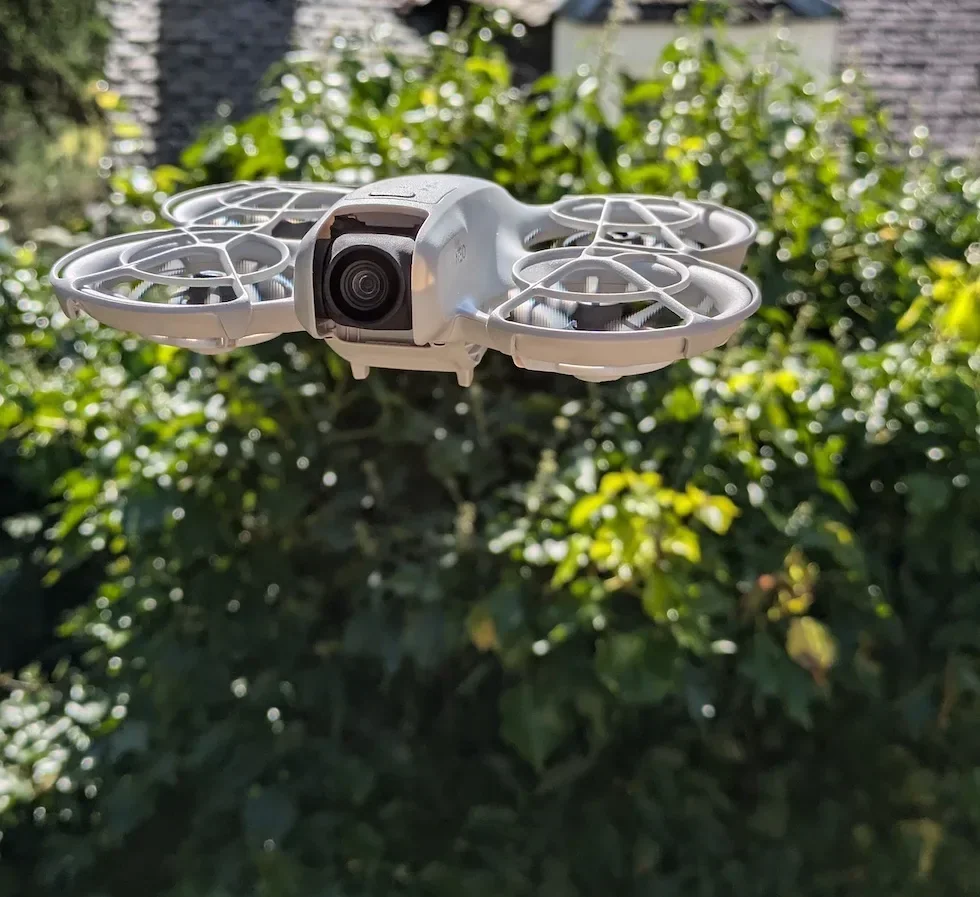
Scroll down the Safety list to the Obstacle Radar Map row
The Obstacle Radar Map row is a short way down the Safety list, below the obstacle-avoidance behaviour and above the AR Settings block. The row has a one-line caption underneath the label describing the overlay it controls.
Tap the Obstacle Radar Map toggle to switch it on or off
A single tap on the toggle flips the state. Slide it to the on position to draw the radar overlay on the camera view whenever the sensors detect an obstacle; slide it off to hide the overlay entirely. The change is immediate and there is no confirmation prompt.
Dismiss the settings panel and confirm the new state on the camera view
Tap anywhere on the camera view outside the settings panel to dismiss it. With the toggle on, fly close to a tree or a wall and the radar overlay will appear around the drone marker; with the toggle off the camera view stays clean even when the sensors trigger.
Peter's tip
I leave the Obstacle Radar Map on for every flight that involves clutter — orbits, low-altitude tracking, anything in trees — because the arcs lighting up gives me a half-second more warning than my own eyes do. The only time I switch it off is when I am recording a slow cinematic pull-back where I want the camera view absolutely clean for the playback, and I know the line is clear before I start.
Obstacle Radar Map on vs off on DJI Drone
Two states, one decision. Pick from this table when you are deciding whether the overlay earns its place on the camera view for the flight you are about to do.
| State | What you see on the camera view | Best for |
|---|---|---|
| On (default) | A radar dial around the drone marker that lights up with coloured arcs whenever the obstacle sensors detect something nearby. Arcs grow brighter the closer the obstacle is. | Flying in clutter, orbits around trees and buildings, recovering line of sight after a turn, FPV-style flying through goggles, and any flight where situational awareness matters more than a clean camera view. |
| Off | A clean camera view with no radar overlay drawn — even when the sensors are still working in the background and bypassing or braking on detected obstacles. | Cinematic pull-backs in open air, recording the camera view for playback, experienced manual lines where the visual noise is distracting, and high-altitude flights where there is nothing to detect anyway. |
Frequently asked questions
What is the Obstacle Radar Map on DJI Drone?
It is the on-screen radar overlay that DJI Fly draws on top of the camera view whenever the drone vision system detects an obstacle nearby. The drone sits at the centre of the overlay, with arcs and coloured zones that grow brighter the closer an obstacle is. It is a display aid for the obstacle sensors — it does not change how the drone reacts, it just shows you what the sensors are seeing.
Is the Obstacle Radar Map on by default on DJI Drone?
Yes. A fresh install of DJI Fly with a compatible drone paired ships with the Obstacle Radar Map switched on, so the overlay appears the first time the sensors pick up something within range. The setting is remembered across flights, so if you switch it off it will stay off until you go back into Safety and flip it again.
Does turning the Obstacle Radar Map off disable obstacle avoidance on DJI Drone?
No. The Obstacle Radar Map is purely a visual overlay — it shows you what the sensors are seeing. The drone keeps using its vision system to bypass or brake exactly the same way regardless of whether the overlay is drawn on screen. The flight behaviour is controlled by the separate Obstacle Avoidance setting in the same Safety menu.
When should I turn the Obstacle Radar Map off on DJI Drone?
Turn it off when you are recording the camera view and the radar overlay is getting in the way of the framing — for example a smooth orbit around a tree where every arc draws another red flash across the frame. Turn it off if you are flying an experienced manual line and the constant visual noise is distracting rather than helpful. Otherwise leave it on; it is one of the cheapest situational-awareness aids the DJI Fly app has.
Will turning the Obstacle Radar Map off save battery on DJI Drone?
No, not measurably. The vision system is running and consuming the same power regardless of whether the overlay is drawn — the only thing the toggle changes is whether the radar dial gets painted onto the phone screen. Flight time, recording time, and transmission range are all unchanged.
Why is the Obstacle Radar Map not showing on my DJI Drone even with the toggle on?
The overlay only renders when the sensors actually detect something within range — clear air, open field, or empty sky will not draw any arcs. If you have a confirmed obstacle nearby and still see nothing, check that the flight mode is one that uses obstacle avoidance (Sport mode and Manual mode both disable it), check that the vision sensors are not blocked by water droplets or dirt, and make sure the DJI Fly app is up to date.
Does the Obstacle Radar Map work in the DJI Goggles N3?
Yes, on drones that support FPV flight through the goggles the radar overlay renders in the goggles view the same way it does on a phone screen, and the same Safety menu toggle controls both. When you are flying through goggles the overlay is arguably more important, because you cannot see the drone with your own eyes — leaving it on is the sensible default for FPV-style flights.
Which DJI drones have an Obstacle Radar Map?
The radar overlay is only meaningful on DJI drones with an omnidirectional or multi-directional vision system — DJI Neo 2, DJI Mini 5 Pro, DJI Avata 2, DJI Air 3 Pro and DJI Mavic 4 Pro. Drones with only downward and forward sensors (older Mini-class drones, for example) do not draw a radar dial because there is nothing to map for the sides and rear.
The Obstacle Radar Map is one of those DJI Fly aids that does its job quietly until you switch it off and realise how much of your situational awareness was riding on it. Set it deliberately for the flight you are about to do, not once and forgotten.
If you are still not sure whether to fly with the overlay on or off for a specific job, drop the details to peter@hiredronepilot.uk and I will come back to you directly. The video version of this walkthrough is on YouTube and the comments are open.
References
Primary source material for this article is the official DJI documentation and DJI Fly. External links open in a new tab.
- DJI Fly — App download and release notes · The app version under verification (v1.21.2). Release notes track any change to the Safety settings layout between versions.
- DJI consumer drones — Product range (UK) · Current DJI Fly compatible drones with omnidirectional vision systems that feed the radar overlay.
- DJI Support — User manuals and downloads · Obstacle sensing system reference and the Safety menu layout in DJI Fly.
Peter Leslie
Founder & GVC Drone Pilot
Peter is the founder of HireDronePilot. With thousands of logged commercial flight hours, he writes about drone technology, commercial surveying tactics, and UK aviation compliance.
Connect on LinkedIn