Stop risking lives and wasting thousands on scaffolding just to see what's wrong. Get multiple quotes from CAA-approved drone pilots to inspect your roof safely and quickly.
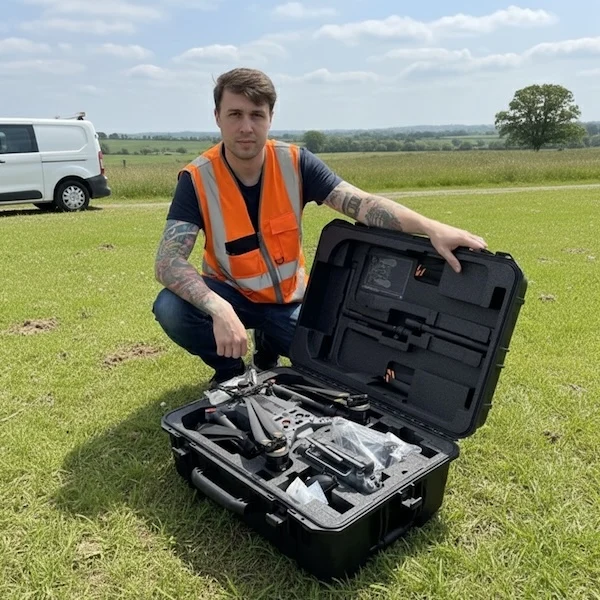
“Every drone pilot on this network is personally vetted by me — insurance, qualifications, flight history.”
Peter Leslie · Founder & GVC Drone Pilot
Trusted by site managers & agencies across the UK

Post your details to compare quotes from local roof-specialist drone pilots.
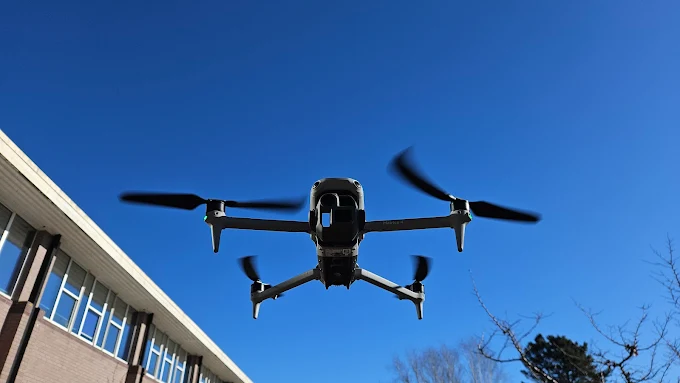
From thermal scans to gutter checks — every roof variant delivered by CAA-approved pilots.
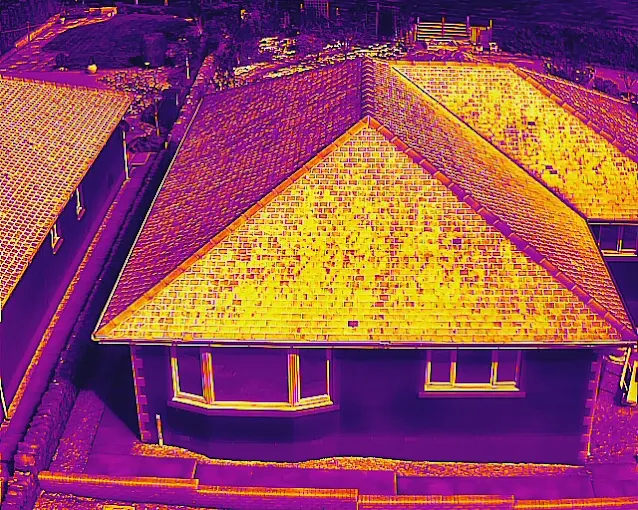
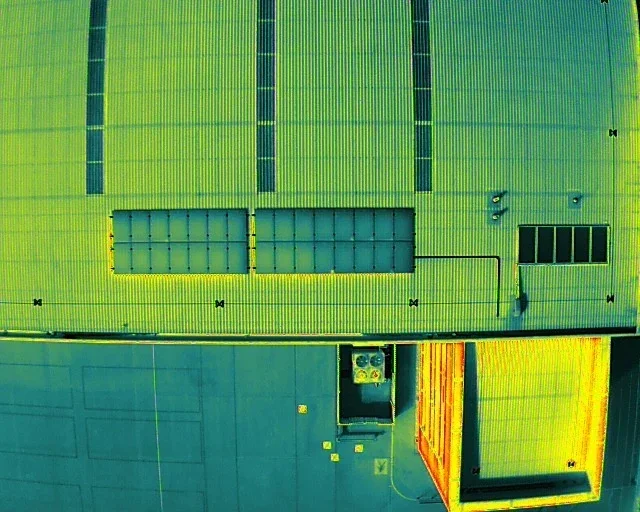
Spot heat loss, trapped moisture and failing insulation with radiometric thermal imagery from the air.
Get thermal roof quotesScaled, georeferenced roof maps you can measure — ideal for quoting repairs or quantifying tile area.
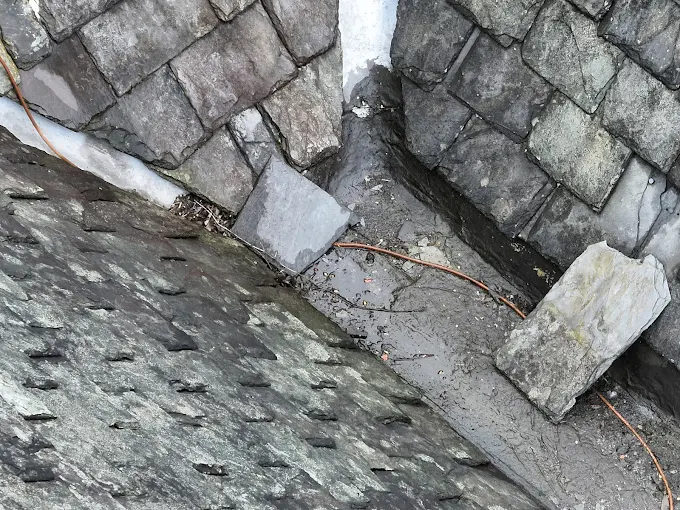
Get roof mapping quotesClose-range imagery of gutters, flashings and valleys — catch blockages and lifted details before a leak develops.
Request a gutter check
From a single slipped tile on a semi-detached house to thermal heat-loss on a 50,000 sq ft warehouse. We capture exactly what you need to see.
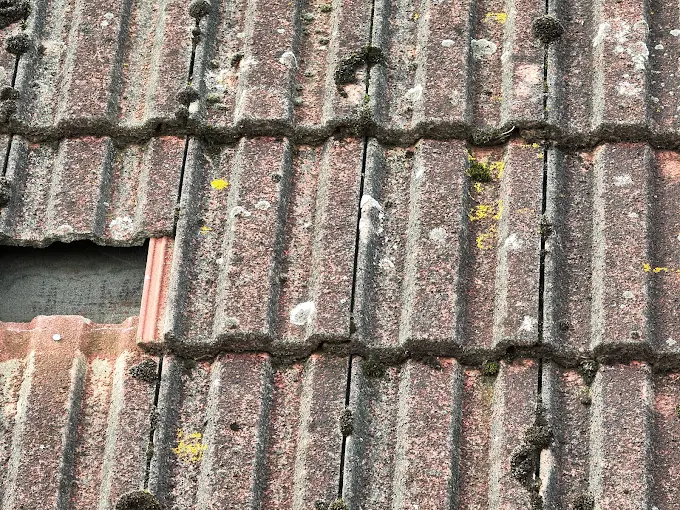
Water getting in but your roofer can't find the source? High-resolution optical zoom can spot hairline cracks in tiles and failing leadwork that the human eye misses.
If water gets under a commercial flat roof membrane, it destroys the insulation. Our drone pilots use thermal cameras to map out exact areas of trapped moisture.
Losing energy efficiency? A thermal drone survey can instantly pinpoint defective solar cells, blown diodes, and string failures across your entire roof array.
Need to prove the condition of a roof for a lease event or property purchase? Get 4K, date-stamped photographic evidence of every single elevation and gutter.
Don't let loss adjusters dismiss your insurance claim. Undeniable high-res aerial photos ensure your storm damage claim is processed fairly and quickly.
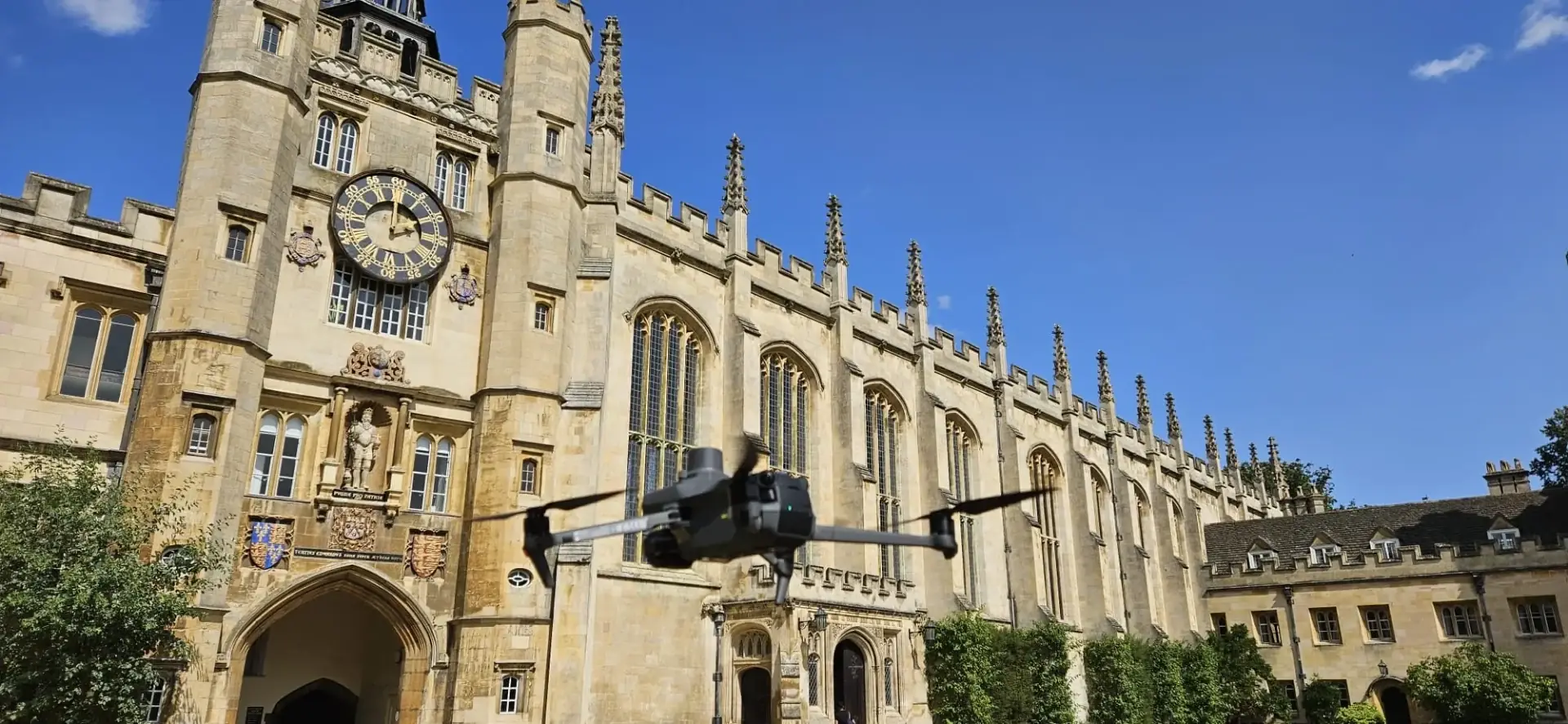
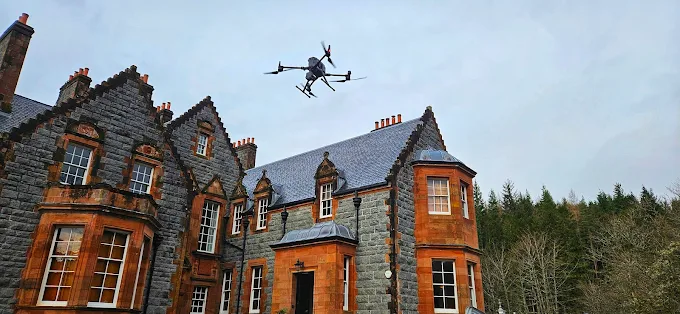
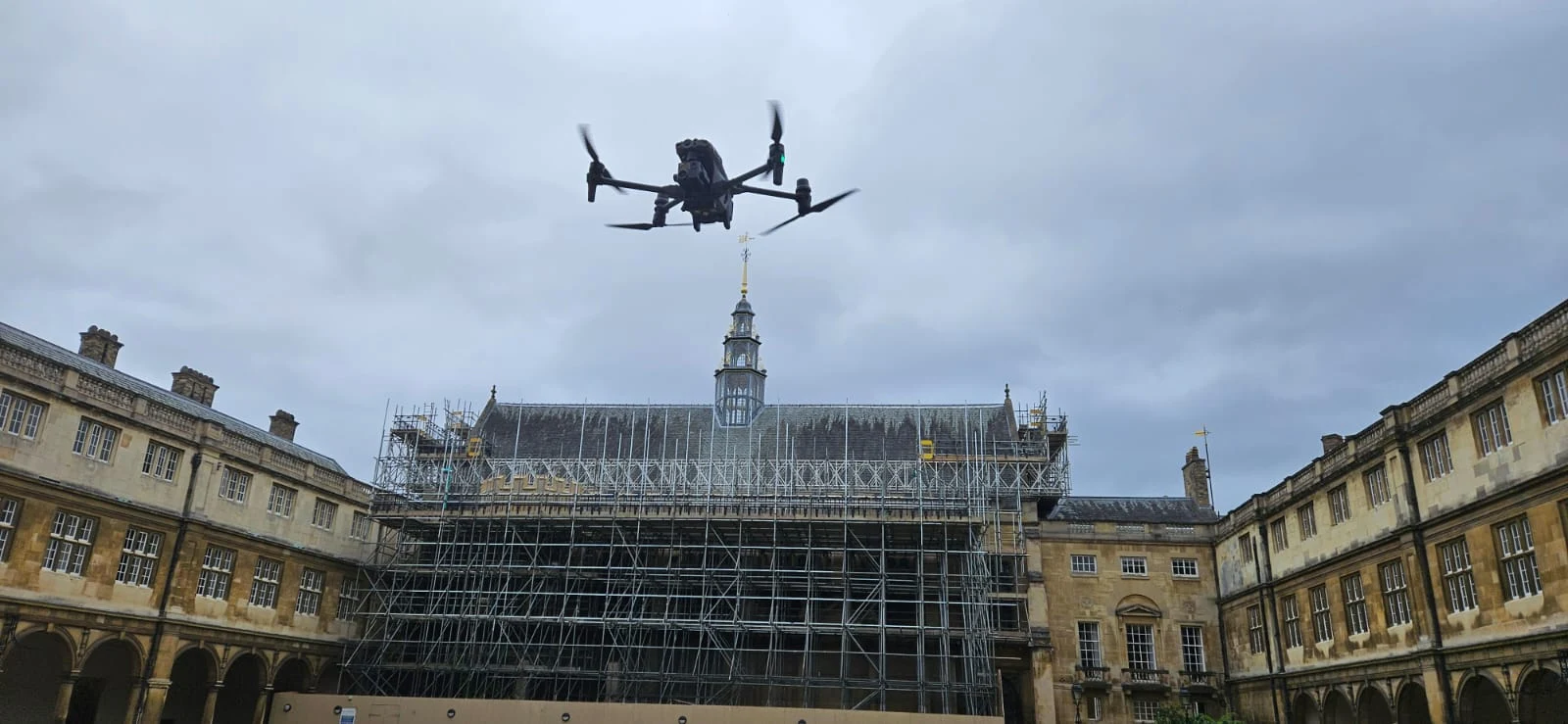
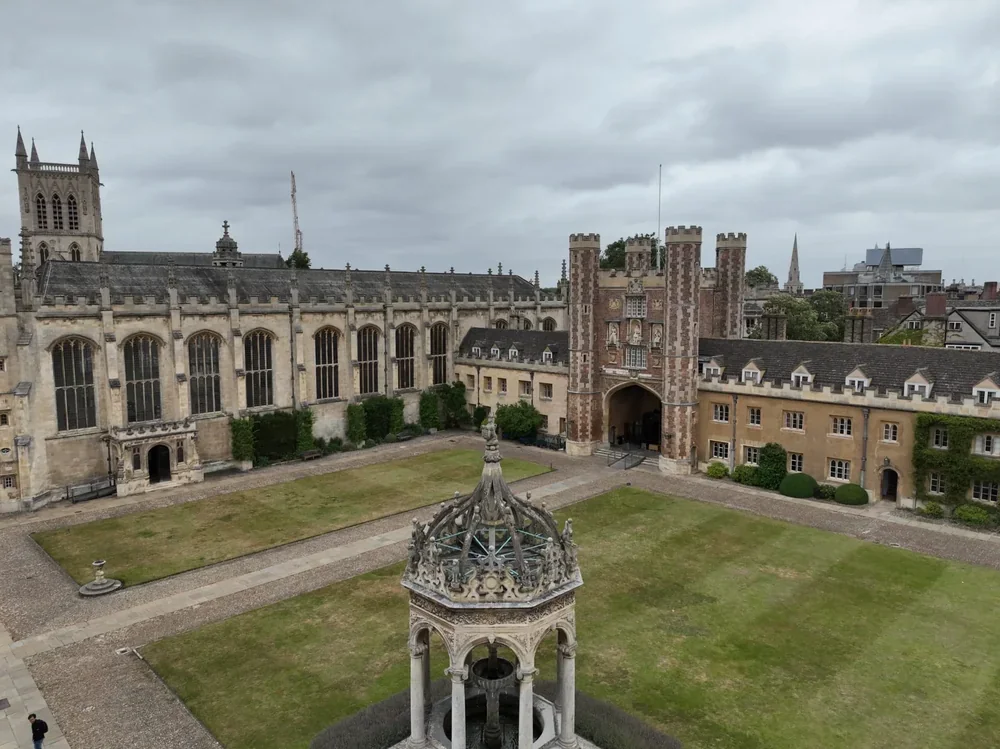
Inspect fragile slates, historic masonry, and high chimney stacks safely. Drones capture the condition without laying a single finger on the historic building.
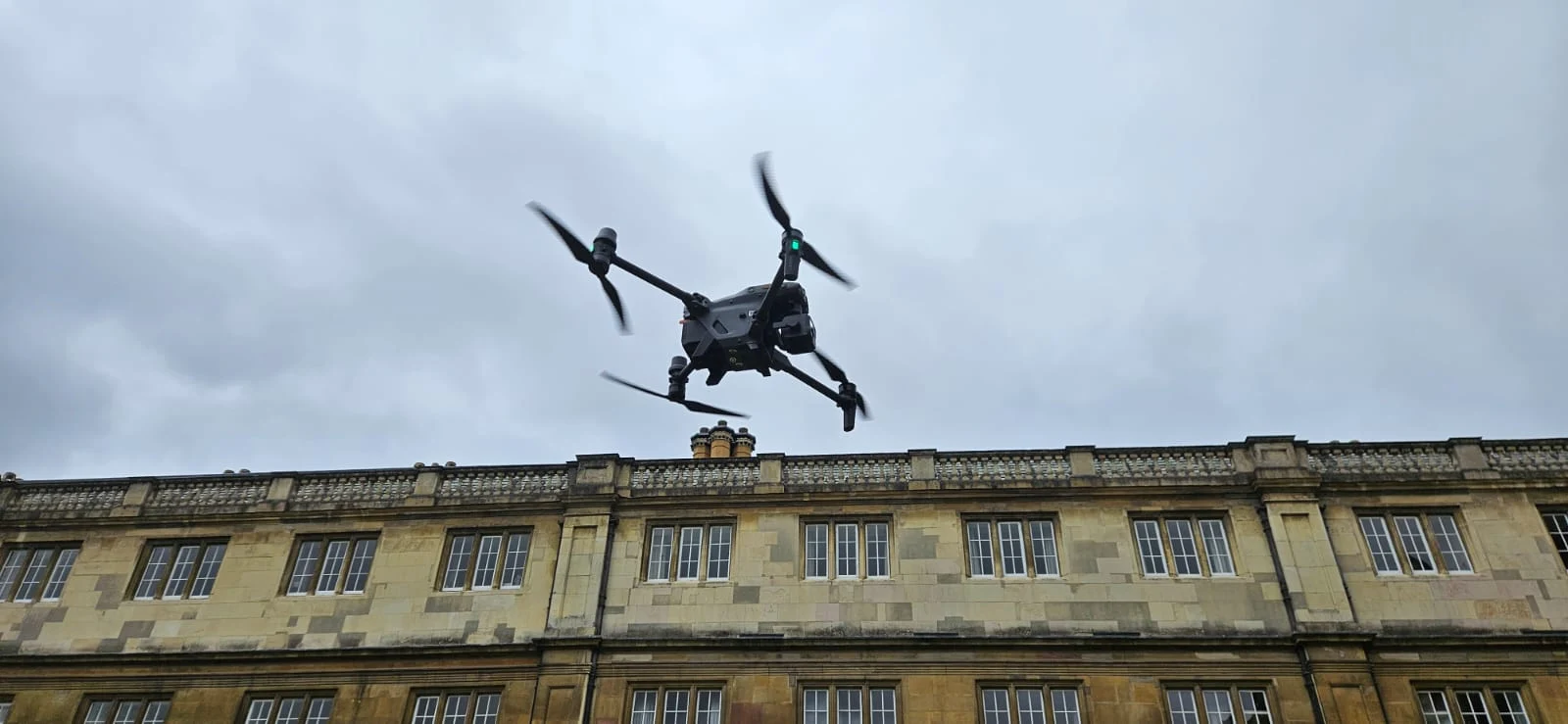
Roof inspections require a very specific skill set. Flying a drone close to a building, often in urban areas with complex airspace, isn't something a hobbyist should attempt.
I built HireDronePilot because I saw property managers taking massive risks by hiring uninsured drone operators off social media. If a drone pilot without commercial insurance crashes into your property, you could be held liable.
My team and I act as the gatekeeper. We manually verify the commercial insurance, CAA Flyer ID, and Operational Authorisations of every single drone pilot before they are allowed to quote on your roof survey. You only deal with vetted, legal professionals.
Every Drone pilot is Manually Vetted
100% Compliant UK Network
We give you better data, much faster, for a fraction of the cost.
Stop paying £2,000+ just to "have a look". A drone survey costs a fraction of the price of scaffolding or a cherry picker, giving you the answers you need without the heavy access costs.
Working at height is the most dangerous aspect of property maintenance. Drones keep boots firmly on the ground, completely eliminating health and safety risks from your site.
No waiting weeks for access permits or scaffolding teams to arrive. Our local drone pilots can often be on-site within 48 hours, fly the roof in 45 minutes, and deliver your data the same day.
We've built this system to be as hands-off as possible for you.
Fill in our simple 2-minute brief. Tell us your location, roof type, and whether you need standard photos or thermal imaging. We'll review it immediately.
Within hours, you'll receive tailored quotes directly from vetted roof-specialist drone operators. Compare their prices and equipment capabilities side-by-side.
Choose the drone pilot that fits your budget. You deal directly with them for the shoot and delivery, ensuring clear communication and no hidden middleman fees.
Don't just take our word for it. Here is how our drone pilots have helped solve actual roofing headaches.
"We were quoted £3,500 just for the scaffolding to check a leak on our commercial unit. Posted a brief on here, had a thermal drone pilot out the next day for £450. They found the trapped moisture instantly. Phenomenal service."
Mark T.
Facilities Manager, Leeds
"Incredibly easy to use. I needed a dilapidation report for a 3-story office building. Received 4 quotes within a few hours. The drone pilot we chose delivered crystal clear 4K images of the entire roof and gutters the same week."
Sarah J.
Commercial Surveyor, Bristol
"My roofer couldn't find the source of a leak on my pitched roof safely. The drone pilot got close enough to see a cracked tile right near the chimney stack. Saved me so much stress and money. Highly recommend."
David W.
Homeowner, Manchester
The full guide
Everything you'd want to know before booking — the process, the time, the prep, the report, and how it compares to scaffolding or a roofer's ladder.
A drone roof inspection is not a one-click flight. A competent operator runs it as a seven-stage process: pre-flight site assessment (legal compliance, airspace check, neighbour access, weather), automated flight planning (the mission that guarantees roof coverage and image overlap), Visual Line of Sight maintained throughout, structured image capture across orthomosaic, oblique, detail and thermal passes, photogrammetry processing off-site, defect analysis by a qualified surveyor or roofer, and a final report that pairs each defect with annotated imagery, a severity note and a repair recommendation.
The seven stages are what separate a documented survey from a hobbyist flight. If a quote does not mention the analysis stage, the report you receive will be a folder of raw photos rather than a usable defect list.
The flight itself usually takes 15 to 20 minutes on a standard residential roof. The whole on-site visit — arrival, briefing, setup, flight, pack-up — runs one to two hours. Photogrammetry processing is off-site and runs from an hour to a full working day depending on scale.
The finished report lands in two to five working days for residential, up to ten for complex commercial or heritage work. Same-day promises almost always skip the defect analysis stage — and that is the stage that gives the report its value. Weather is the biggest swing factor; wind, rain, and low cloud are the three conditions that will push the flight into a reschedule.
Send the drone pilot the full address, the roof type, and any known issues at the time of booking — that single email shapes the flight plan. Confirm garden access and a sensible takeoff and landing area; a no-access site is a no-fly site. If the roof can only be photographed by overflying a neighbour's garden, give the pilot the neighbour's contact in advance so consent is sorted before arrival.
Do not tarp the roof, move scaffolding, or hose anything down before the visit unless the pilot has asked you to — those alter the evidence the survey is meant to capture. The on-site visit is usually under an hour; most of the work happens afterwards in the analysis stage.
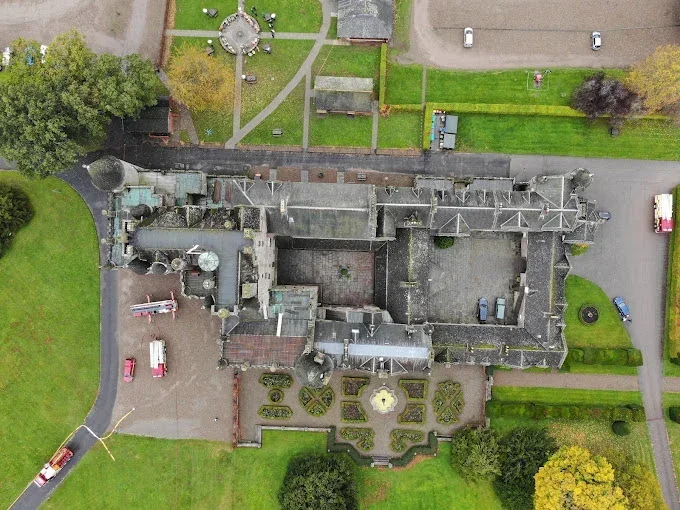
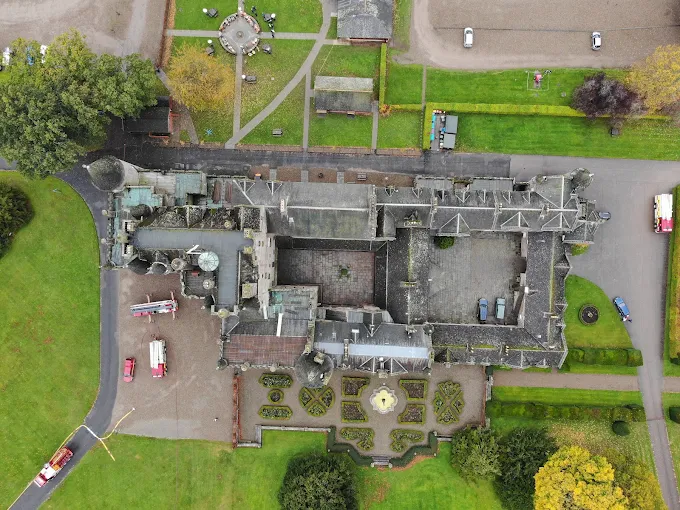
Orthomosaic — the map. Geometrically accurate, measurable, and the anchor for every tagged defect in the report. Oblique views cover the pitch faces and vertical detail that a straight-down pass cannot resolve. Detail shots are zoomed-in high-resolution photos of specific defects, ready to drop into the per-defect pages of the report.
Thermal images show surface temperature, which is how moisture paths and missing insulation become visible. 3D model views let the reader inspect chimneys, dormers, and other vertical features from any angle, and are increasingly standard rather than an add-on.
A drone roof report is a layered PDF — a one-page summary, a defect map (the orthomosaic with every defect numbered on it), a per-defect breakdown with severity, photo and recommended repair route, and the raw dataset underneath. A 3D model is increasingly included as standard.
The report must be portable — another operator or roofer should be able to reopen the data and confirm the findings. An independent drone report is not an estimate from a contractor; it is evidence that exists before anyone quotes a price, which is the leverage you need at the negotiation stage.
Drone inspections win on safety — the surveyor stays on the ground instead of climbing ladders or scaffolding, which is the single biggest reduction in fall risk of any inspection method. On residential jobs the drone method finishes in a single morning where scaffold-based work commits the property for about a week. High-resolution orthomosaics and 3D models give a measurable record that a phone-photo ladder report cannot match. Thermal payloads add moisture and insulation data that a traditional inspection cannot generate at all.
Traditional methods still win on one specific thing — a surveyor physically on the roof can lift a slate or tap a mortar joint, which a drone cannot do. For most UK homes and commercial buildings, the honest answer is: a drone inspection first, and only escalate to a physical inspection on the specific areas the drone flags.
An annual inspection is the sensible baseline for a UK home, scheduled for late spring once the worst winter weather has passed. Roofs that are over twenty years old, coastal, heavily wooded, or on exposed ground sensibly move up to twice a year. Any severe wind, hail, or heavy snow event warrants an inspection within a few days, while the damage is still fresh and before water starts tracking inside.
Commercial, industrial and flat-roofed buildings run on a different clock — twice yearly as the floor, quarterly for high-value or regulated stock. Flat and low-pitch roofs in particular fail silently, so they need more frequent visits than a pitched residential tile roof.
The visible camera finds where water got in; the thermal camera finds where it went next. Trapped moisture changes the thermal mass of the roof, which shows up on the heat map as cool or warm patches. Drone thermal surveys work best in the evening or early morning, when the roof is giving off the heat it absorbed during the day.
Flat roofs are the single best use case — hidden moisture paths under the waterproof layer often have no visible signs at all. Pitched roofs benefit too: slipped slates, lifted flashings, and cracked ridges become obvious on a thermal pass before the damp appears inside the house. Thermal data is not proof of a leak on its own — it tells the analyst where to look on the visible imagery, and together the two layers close the case.
The useful window for a storm-damage drone roof inspection is the first week — after that, evidence starts degrading and insurers get harder to satisfy. Never climb onto a storm-damaged roof yourself; a drone inspection is safer, faster, and produces better imagery for your claim.
A competent drone pilot will document every elevation, chimney stack, valley and flashing detail with geotagged, timestamped imagery. The report should include a short plain-English summary, annotated photography, and a clear list of what is storm-related and what is wear. Commercial storm inspections are Specific Category work under UK drone law — ask for the Operational Authorisation before booking.
On most residential drone roof inspections, attendance is optional — the Remote Pilot does not need access inside the house. Legal authority to fly over your property only needs to come from you once, in writing, before the flight. Outside access is usually enough; a garden, driveway, or pavement gives the drone pilot a safe launch area.
That is why remote homeowners and landlords can commission inspections across the country. There are a few situations where attending is genuinely useful — usually where internal damp maps onto an external defect and the pilot can correlate the two in person — but they are the exception, not the rule.
Legally yes, provided you follow the Drone Code. Registration is weight-triggered — any camera drone at 100g or above needs a Flyer ID and an Operator ID. Your flight has to stay inside the sub-category your drone is rated for. Neighbours, roads, and airspace restrictions can turn a seemingly simple garden flight into something that needs additional permissions.
Third-party liability insurance is not legally required for recreational flying, but it is strongly recommended the moment the drone is over a building. For anything beyond a quick look, a professional inspection gives you a measurable, dated report that a consumer flight cannot produce — and that's what insurers, buyers and roofers actually want to see.
Everything you need to know before you post your project brief.
Don't pay for scaffolding until you know you need it. Post your brief now and let the quotes come to you.
Prefer to chat with our team? Call us directly at +44 1334 804554
We use essential cookies and optional Google Analytics cookies to measure visits and lead form submissions. Privacy policy