Flyer ID Explained: The Free CAA Test Every UK Drone Pilot Needs

Peter Leslie
16 Apr 2026
Key Takeaways
- The Flyer ID is the CAA online theory test that certifies the person actually holding the controls, not the person who owns the drone
- Since 1 January 2026 a Flyer ID is required for anyone flying a drone of 100g or more, down from the old 250g threshold
- The test is free, it is 40 multiple-choice questions with a pass mark of 30, it is open-book, and you can retake it as many times as you need
- A Flyer ID lasts five years, it is renewed by sitting the test again, and it must be carried whenever you fly
- A single drone needs two separate IDs in most cases — a Flyer ID for the person flying and an Operator ID for the person or organisation responsible for the drone
- The Flyer ID is also the prerequisite qualification before any further drone pilot certificate such as the A2 CofC, the GVC, or the RPC framework
The Flyer ID is the short answer to a long question: who is allowed to fly that drone. It is the UK Civil Aviation Authority’s free online theory test, and passing it gives you the basic legal permission to take the controls of a drone covered by the UK drone laws.
It is not the drone’s paperwork and it is not a commercial drone pilot qualification. It is a personal certificate that sits in your wallet, proving you have read the Drone and Model Aircraft Code and can answer basic safety questions about it. Since 1 January 2026 the threshold at which it becomes mandatory has dropped sharply, and that single change pulls in a huge number of recreational drone pilots and small-drone owners who used to sit below the rules entirely.
The Flyer ID certifies the person flying, not the drone
A Flyer ID is a personal qualification. It lives against your name, it is earned by you, and it travels with you from drone to drone. If you turn up at a friend’s field and ask to fly their drone, the Flyer ID you bring is the one that makes the flight legal, not the Flyer ID your friend happens to hold.
The test itself exists to do exactly one job: confirm that the person actually holding the controls understands the Drone Code well enough to fly without endangering anyone. It is a competence test for the flyer, not a registration for the drone.
That distinction matters because UK drone law splits responsibility in two. The flyer is the person in charge of the flight in the moment. The operator is the person or organisation responsible for the drone as an asset. One drone can easily have two different people attached to it, and both IDs have to be in place before that drone leaves the ground.
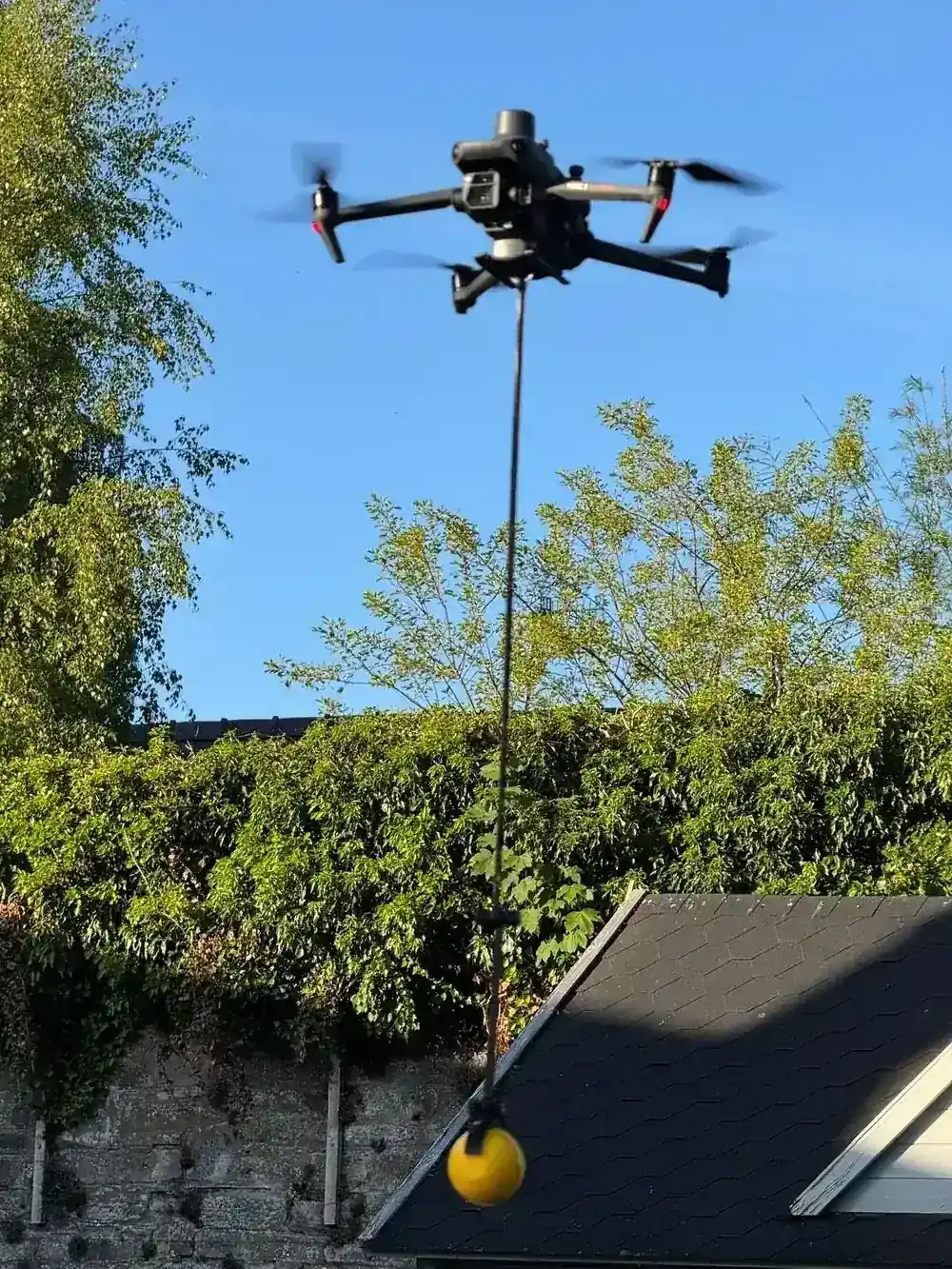
From 1 January 2026 a Flyer ID is required for drones of 100g or more
The old rule required a Flyer ID for drones of 250g or above. That threshold was chosen when 250g drones were the lightest hobby-grade model most people could buy, and anything lighter than that was a toy. The market has moved on, and the law has followed it.
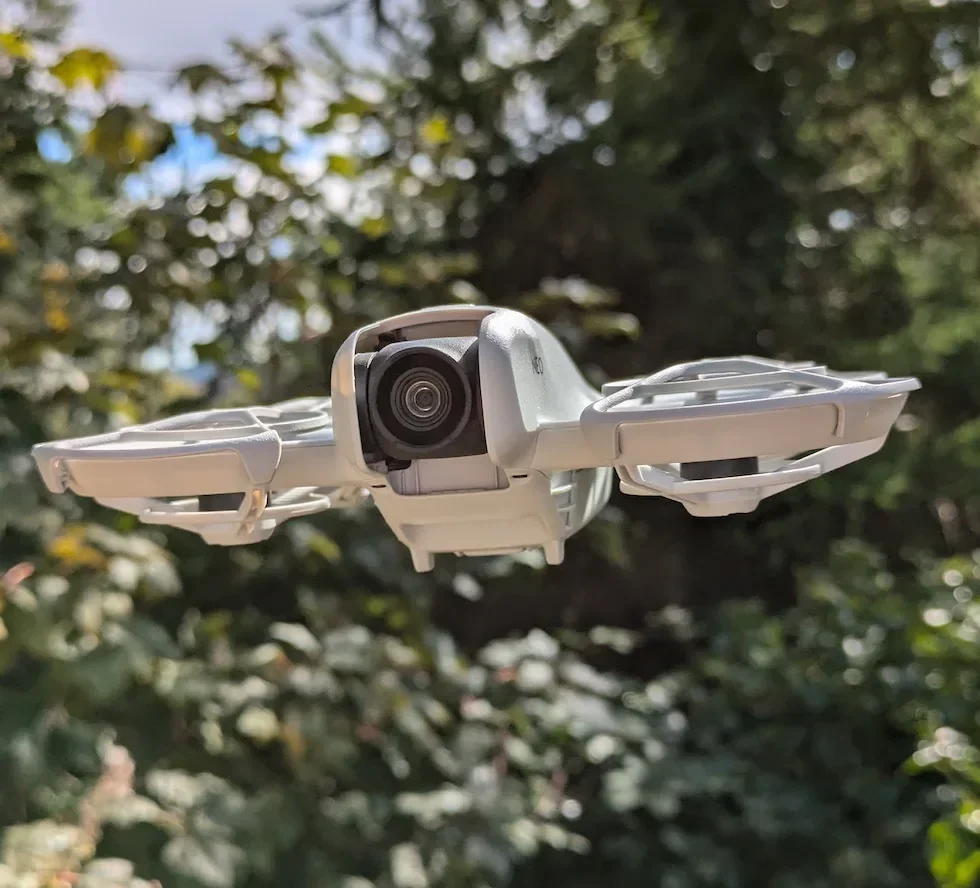
From 1 January 2026 the Drone Code mandates a Flyer ID for anyone flying a drone that weighs 100g or above. That captures almost every modern consumer drone on sale today. Popular sub-250g drones that used to fly Flyer-ID-free — the DJI Neo, the DJI Mini series, the Autel Nano — now sit firmly inside the requirement.
The only remaining Flyer-ID-free category is drones that weigh less than 100g. Even there, the CAA still recommends that flyers take the test voluntarily, because the Drone Code applies to them regardless. The rules on altitude, distance from people, and Visual Line of Sight do not care whether your drone is 99g or 990g.
Registration thresholds at a glance
| Drone weight | Flyer ID | Operator ID |
|---|---|---|
| 250g to less than 25kg | Required | Required |
| 100g to less than 250g, with a camera | Required | Required |
| 100g to less than 250g, no camera | Required | Optional |
| Less than 100g | Recommended | Optional |
The test is free, open-book, and built around the Drone Code
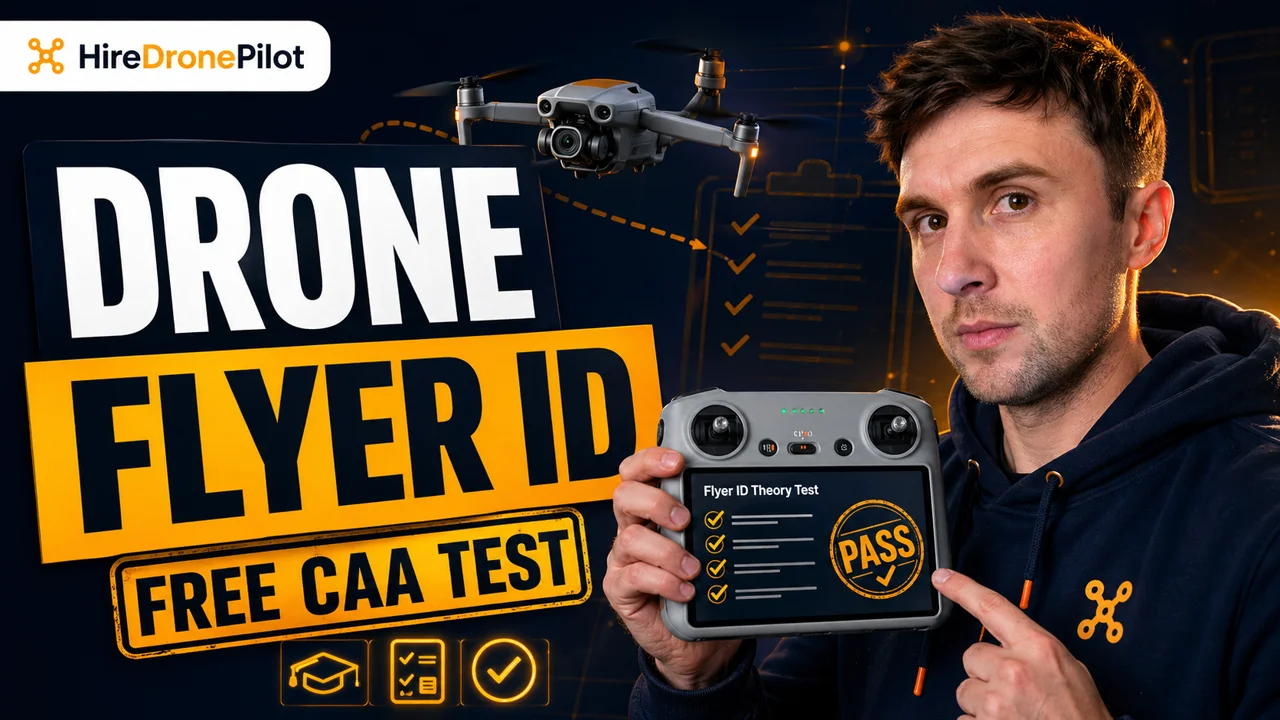
The Flyer ID test lives on the CAA drone registration portal. It is free of charge. You register an email address, verify your identity, and sit the test at your kitchen table in a single session. There is no classroom, no assessor, and no fee.
The test is 40 multiple-choice questions, and the pass mark is 30 — that is 75 percent. Every question is built directly from the Drone Code, and you are allowed to keep the Code open alongside the test while you answer. The CAA treats the Flyer ID as a reading-comprehension test, not a memory test.
Allow yourself at least thirty minutes. You can take as long as you like provided you are not inactive for more than ninety minutes in a row. If you fail, you simply retake — there is no limit on the number of attempts. From 1 January 2026 the test is built on the updated regulations, so older revision notes based on the 2024 or 2025 rules will trip you up on the post-transition questions.
Age rules for getting a Flyer ID
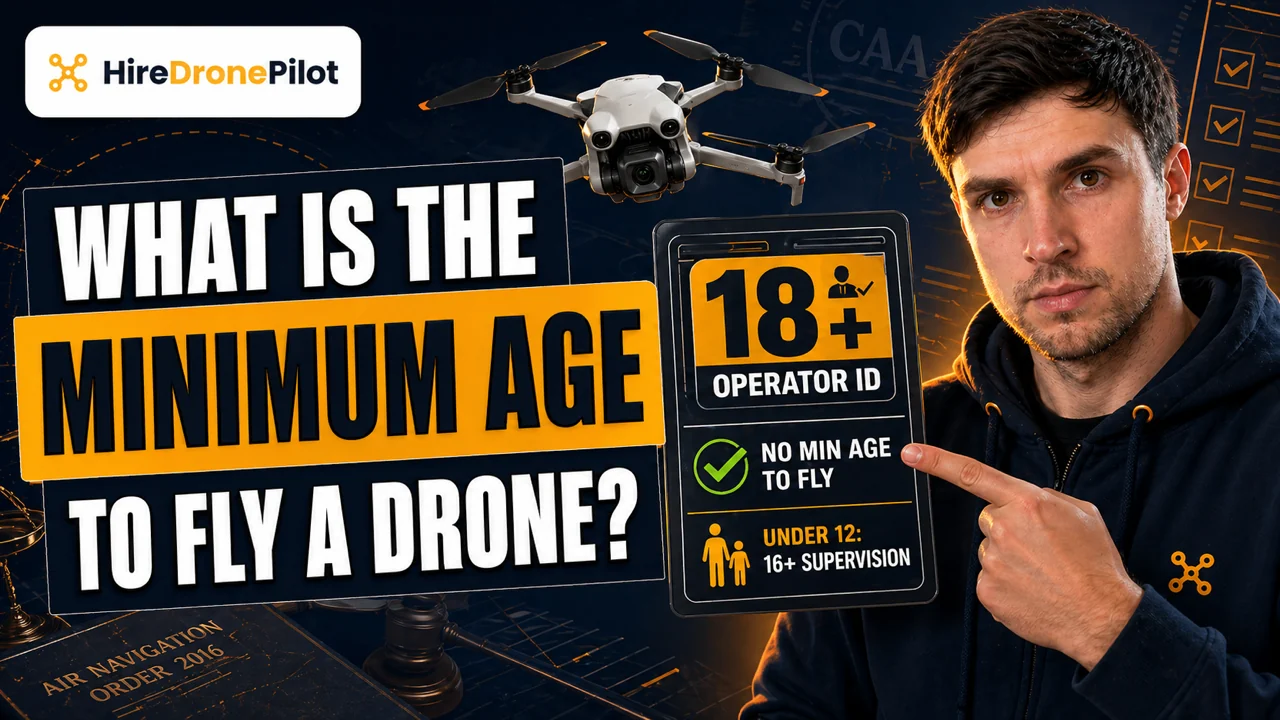
Anyone aged 13 or over can register and sit the test independently. Young people aged 13 to 17 can take the test alone and, once they hold the ID, can fly unsupervised. Children under 13 must sit the test with a parent or guardian present — this is a data-protection requirement rather than a competence one, and it does not make the test any harder.
The important contrast here is with the Operator ID. To hold an Operator ID in your own name you must be 18 or over, which means a 15-year-old with a DJI Mini cannot register the drone themselves. Their parent or guardian holds the Operator ID for that drone, and the teenager flies it using their own Flyer ID. For the full map of every UK drone age threshold — from the under-12 supervision rule through to the 18-plus Operator ID — see the minimum age to fly a drone in the UK.
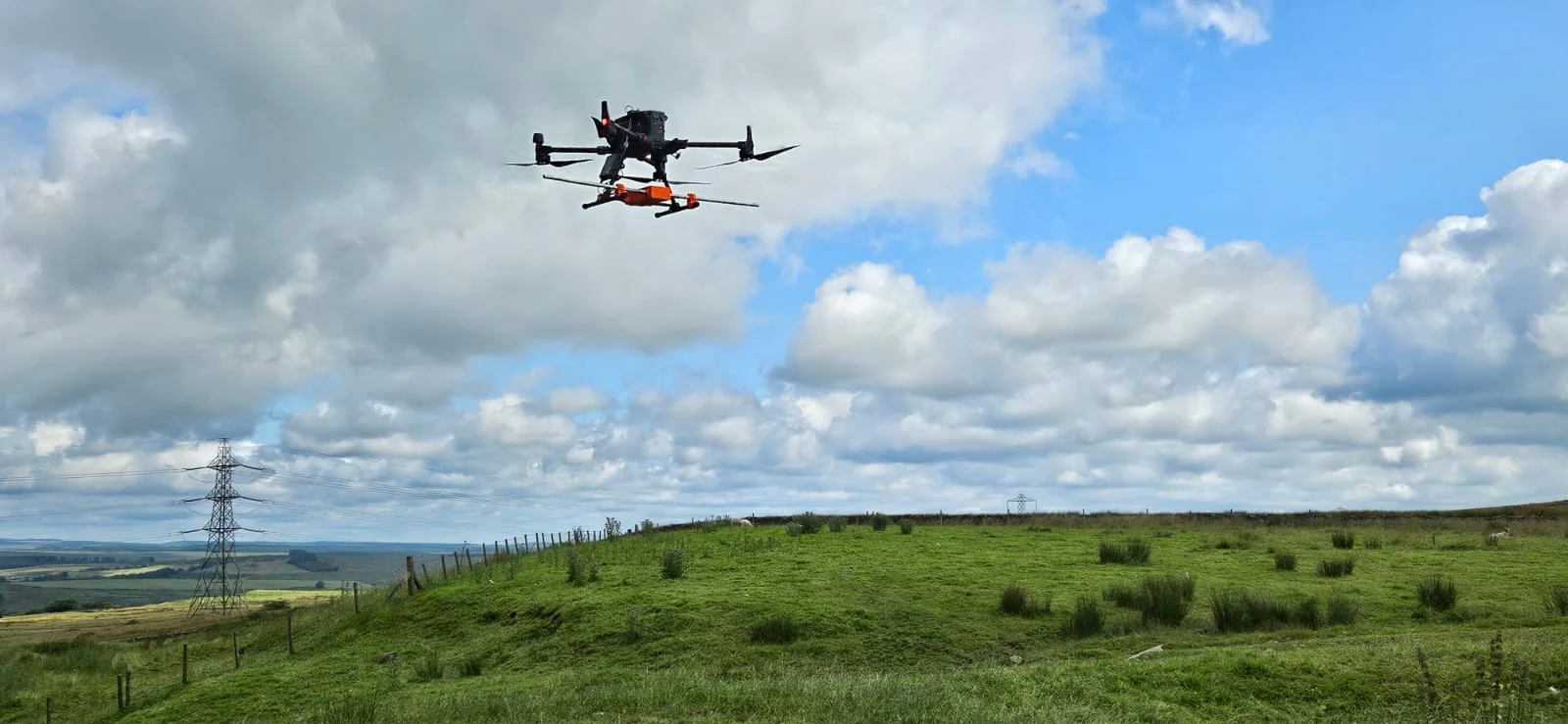
The Flyer ID and the Operator ID are two different pieces of paperwork for two different people
This is the question that gets confused more than any other. A Flyer ID is not an Operator ID, and one does not substitute for the other. The two IDs serve separate functions in law.
The Flyer ID is personal. It proves competence, it lives against a named individual, and it costs nothing. The Operator ID is registrational. It proves someone is legally responsible for the drone as a physical asset, it can be held by a person or an organisation, and it costs £12.34 per year to maintain. The Operator ID is the number that must be labelled on the drone itself in block capitals larger than three millimetres, and that label is how the authorities identify a drone operator if something goes wrong.
A single drone can easily have two different names attached to it. Your company might hold the Operator ID because the drone sits on the company books as a capital asset. The drone pilot on the job holds their own Flyer ID because they are the human actually looking up at the drone. Both IDs have to be valid at the same time for the flight to be legal.
The reverse also applies. If you own a drone but never fly it yourself, you can register as operator-only and skip the Flyer ID entirely. The person you lend the drone to then has to bring their own Flyer ID to the job.
The Flyer ID is the entry ticket — more advanced flying needs more advanced qualifications
A Flyer ID on its own lets you fly in the Over People (A1) and Far from People (A3) sub-categories of the Open Category. That is the lowest-risk tier of UK drone operations, and it covers the vast majority of recreational flying and a healthy chunk of low-complexity commercial work as well.
Step outside that tier and the Flyer ID stops being enough. To fly a UK2-class drone in the Near People (A2) sub-category you need the A2 Certificate of Competency, which adds a theory test on meteorology, flight performance, and ground-risk mitigation on top of the Flyer ID baseline. The A2 CofC expects you to already hold a Flyer ID before you start.
Commercial operations that fall outside the Open Category move into the Specific Category, and the qualifications step up accordingly. A General Visual Line of Sight Certificate is the common entry point for commercial VLOS work. For the newer tiered framework, the Remote Pilot Certificate ladder runs from RPC-L1 through RPC-L4. The Flyer ID is the prerequisite for every one of them. You cannot skip it on your way up.
The CAA also does not recognise overseas qualifications. A drone pilot licence earned in France or the United States does not substitute for a UK Flyer ID. If you are visiting the UK with a drone, the Flyer ID is still the first certificate you have to earn before the first flight.
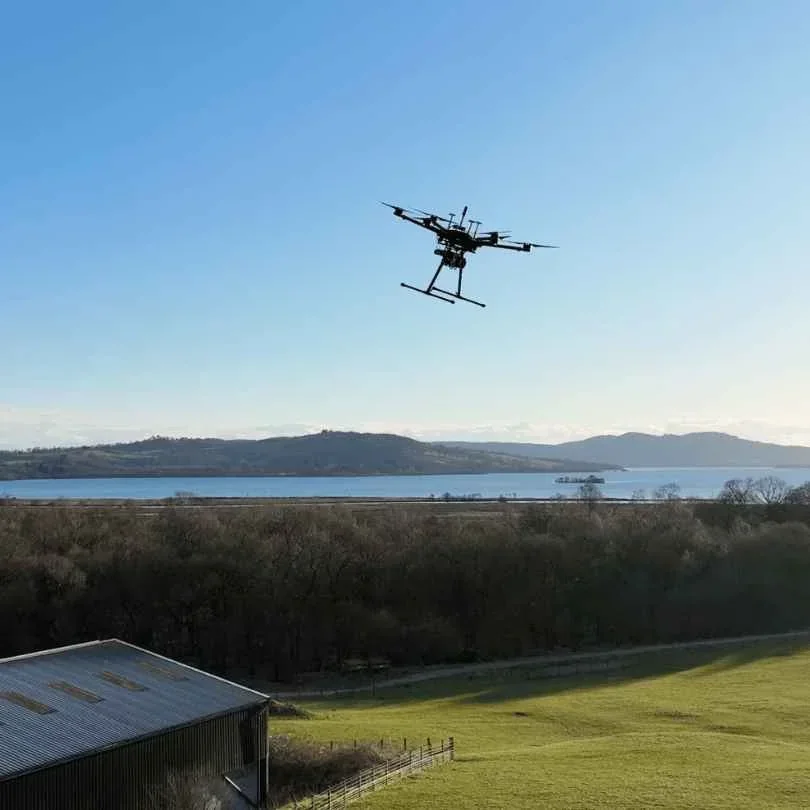
The Flyer ID must be carried on every flight and renewed every five years
Once earned, the Flyer ID is valid for five years. Renewal is not automatic. You sit the test again, and because the regulations move over time, the test you sit in 2031 will not be the same test you sat in 2026. Retaking keeps your knowledge current against whatever version of the Drone Code is in force at the time.
You must also be able to produce the Flyer ID on demand whenever you are flying. A digital copy on a phone is acceptable — there is no physical card to lose. Police and other authorised officials can ask you to show it, and they can ask at the flight site.
Flying without a required Flyer ID is a criminal offence, not a civil matter. Fines are the usual outcome for routine breaches, but serious cases can escalate. The same legal framework that enforces the 120-metre altitude ceiling and the 50-metre distance-from-people rule enforces the registration requirements. Flying uninsured because you never registered in the first place is a fast way to turn a small accident into a personal-liability nightmare — a registered drone pilot is also far easier to cover with drone insurance in the first place.
Carry the ID, keep the renewal date on your calendar, and the Flyer ID is a non-issue. Ignore either of those and it becomes one of the cheapest possible ways to get a flight shut down.
The Flyer ID is not the most interesting piece of paperwork a drone pilot holds, but it is the foundation every other qualification is built on. Free, re-takeable, and honest about what it covers — it is worth passing properly the first time so you can stop thinking about it for the next five years.
Can you borrow someone else's drone and fly it under your Flyer ID?
Yes — your Flyer ID covers you, not a specific drone, so you can legally fly any UK drone provided that drone carries the owner's valid Operator ID label. The Flyer ID and the Operator ID sit at different layers of the law for exactly this reason: the Operator (the person whose ID is on the drone) stays legally responsible for maintenance, registration renewal, and insurance — even when someone else is at the controls.
Two practical traps catch borrowers out. First, borrowing an unlabelled drone is illegal — there is no Operator ID on it, so the flight has no registered party in law, and any incident lands squarely on you. Second, if the Operator's annual renewal has lapsed, the drone is unflyable regardless of how valid your Flyer ID is. Ask the owner to show you the live Operator ID on the CAA portal before you take off. Commercial work flown on a borrowed drone also needs the Operator to hold third-party insurance compliant with Assimilated Regulation (EU) 785/2004, so confirm that before any paid flight.
Do you need a Flyer ID if you are only flying indoors?
UK drone law applies to outdoor airspace, so flying a drone purely indoors does not legally require a Flyer ID. The Air Navigation Order 2016 and UK Regulations (EU) 2019/947 govern flight in navigable airspace — not the airspace inside a private warehouse, sports hall, classroom, or office. The CAA does not publish a formal indoor-flight exemption; the carve-out sits implicit in the regulatory framework rather than as a written rule, but the effect is the same.
The carve-out is narrower than it sounds. A drone flown out of an open door, garage, conservatory, or window has left the indoor envelope the moment it crosses the threshold, and the full Drone Code applies from that point. Schools, clubs and venues will also usually demand permission and insurance regardless of whether the airspace is technically regulated — most public liability policies treat an indoor flight as an ordinary drone operation. If you intend to fly indoors at any kind of commercial or public site, get the Flyer ID anyway; it costs nothing, takes about an hour, and removes the argument entirely.
Got a Flyer-ID or registration question the Drone Code does not quite answer — an age edge case, a club exemption, or a borderline weight? Drop a note to peter@hiredronepilot.uk and I will come back to you directly. If you prefer the video version of this explainer, the comments are open on YouTube.
References
Primary source material for this article is the UK Civil Aviation Authority. External links open in a new tab.
- UK CAA — Flyer IDs and Operator IDs · core definitions, validity periods, fees, and split of responsibility
- UK CAA — Prepare for the Flyer ID theory test · 40 questions, pass mark 30, open-book, 2026 regulations
- UK CAA — Get a Flyer ID · registration portal, age minimums, fees
- UK CAA — Registering to fly drones and model aircraft · weight-threshold table, indoor exemption, overseas qualifications not recognised
- UK CAA — Children and parent guidance · under-13 and 13-to-17 rules for Flyer ID and Operator ID
- UK CAA — The Drone and Model Aircraft Code (CAP2320) · source material for the theory test, 100g threshold, sub-category rules
- UK CAA — Remote Pilot Qualifications Overview · Flyer ID as prerequisite for A2 CofC, GVC, and RPC-L1 through RPC-L4
Peter Leslie
Founder & GVC Drone Pilot
Peter is the founder of HireDronePilot. With thousands of logged commercial flight hours, he writes about drone technology, commercial surveying tactics, and UK aviation compliance.
Connect on LinkedIn