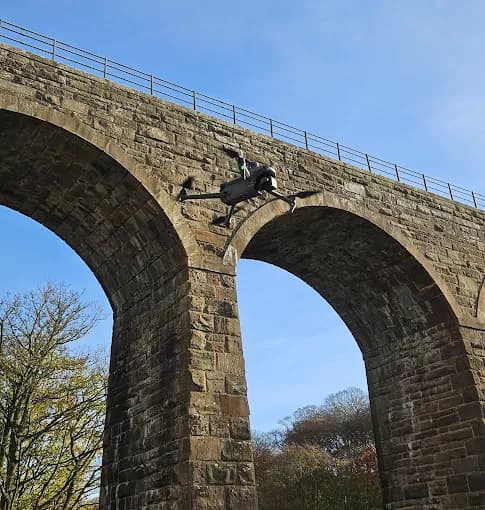
Key Takeaways
- 1.Drone inspections are operated safely from the ground, eliminating the personal injury risks of climbing on a roof.
- 2.A drone inspection is significantly faster, often taking only 15-30 minutes, which reduces overall labor costs.
- 3.Drones produce comprehensive 3D models and digital reports, offering more detailed documentation than traditional inspections.
- 4.Drones access complex or steep roof areas without causing foot-traffic damage to fragile materials like shingles.
- 5.Traditional methods allow for physical checks like feeling for soft spots, a task drones cannot perform.
When it comes to your roof, you have a choice: the traditional hands-on inspection or a modern drone roof inspection. It’s not just about old-school versus new-tech. Each method gathers information differently, offering unique insights into your roof's condition.
Before you decide, it's critical to understand what each approach can—and cannot—reveal about the health of your property.
What a Traditional Roof Inspection Entails
When you think of a traditional roof inspection, you're likely picturing an inspector climbing a ladder to get onto the roof. That's exactly right.
You can expect them to physically walk across every section of your roofing system. They're looking for any visible signs of wear and tear.
This includes checking for cracked, curled, or missing shingles, examining the flashing around chimneys and vents, and inspecting the gutters for blockages. The inspector uses their hands-on experience to feel for soft spots that could indicate underlying rot. They might even lift a shingle or two to check the underlayment.
While it is a thorough method, it carries inherent safety risks for the inspector. It also means someone is walking on your shingles, which can sometimes cause minor scuffing or dislodge granules, especially on older roofs. This hands-on approach provides a direct assessment of your roof's condition.
What Is A Drone Roof Inspection Process
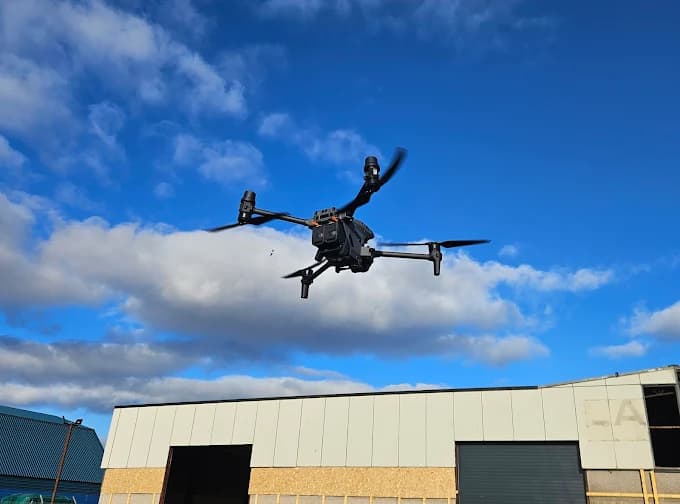
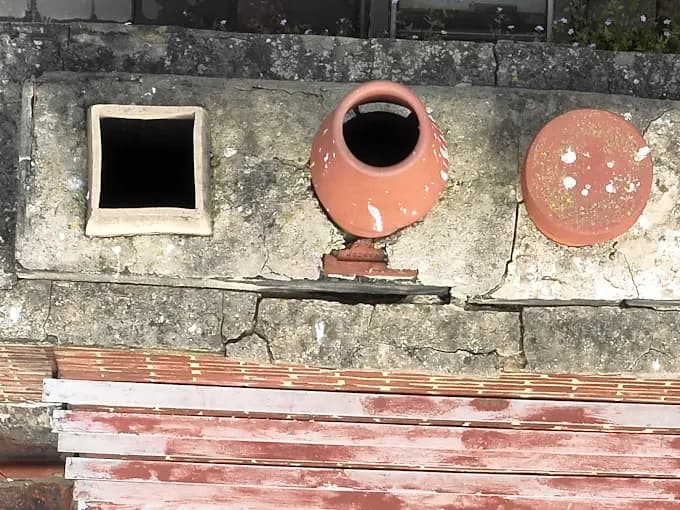
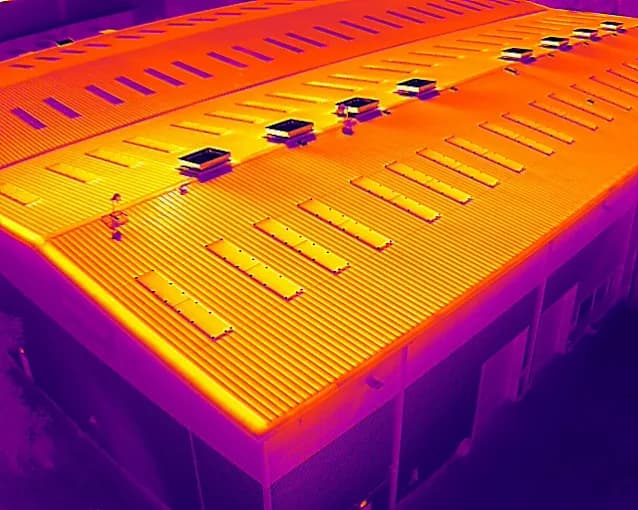
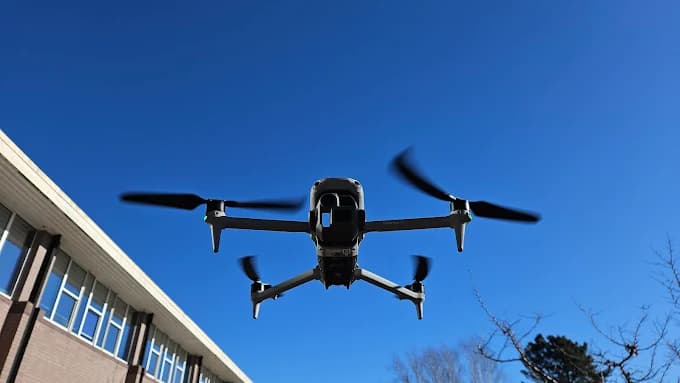
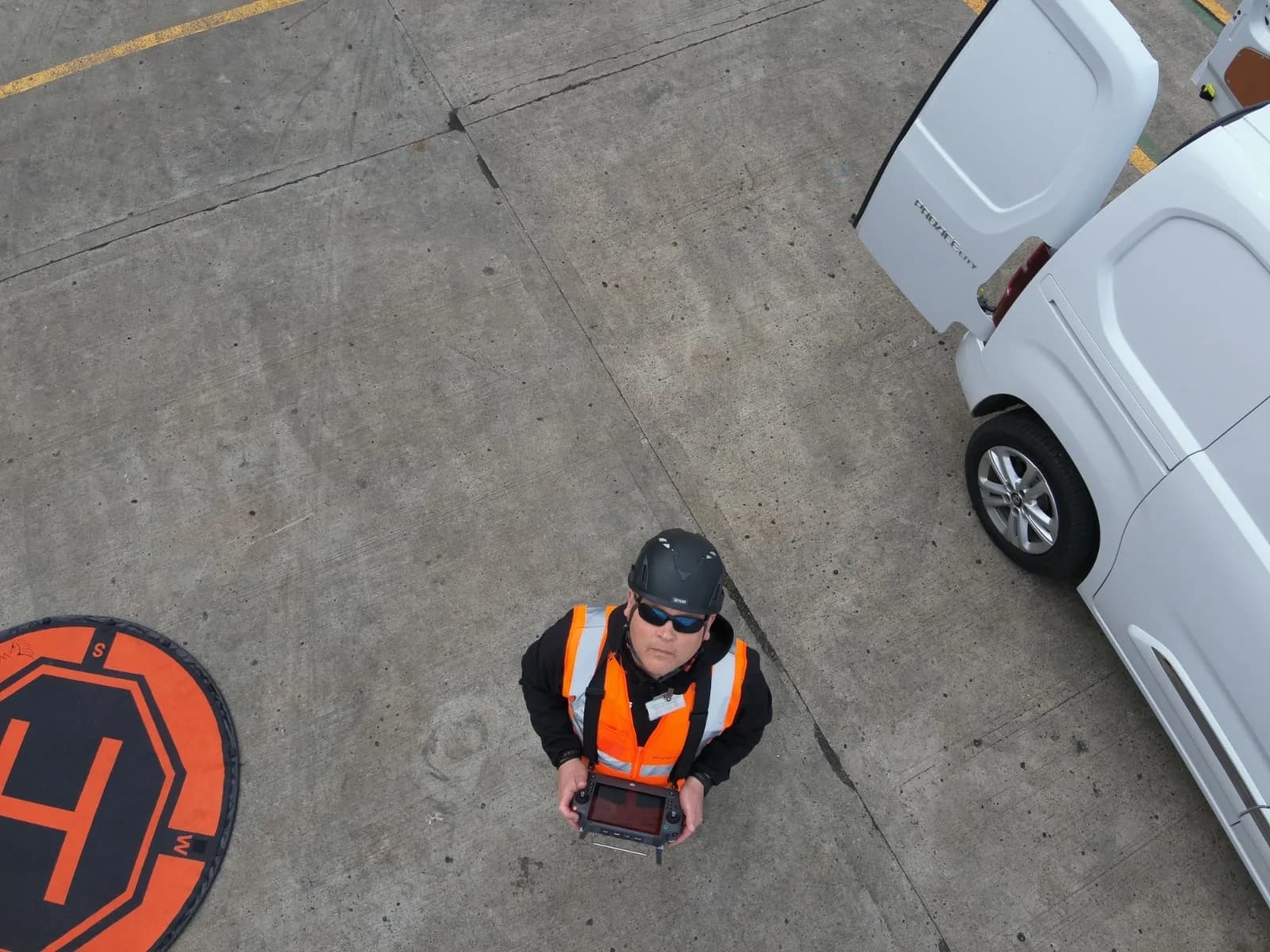
Unlike a traditional roof inspection, a drone roof inspection doesn't involve anyone walking on your roof. Instead, a licensed and insured drone pilot operates a specialized drone from the ground. They'll use a drone equipped with high-resolution and sometimes thermal cameras to systematically scan your entire roof.
The drone follows an automated flight path, capturing hundreds of overlapping images and high-definition video from various angles. This data is used to create a comprehensive, measurable 3D model of your roof's surface, known as an orthomosaic map.
After the flight, which often takes less than an hour, the raw data gets processed and analyzed by trained experts. Using specialized software, they meticulously examine the high-quality imagery for damage, deterioration, and potential leaks.
Finally, you receive a detailed, easy-to-understand digital report with annotated photos pinpointing the exact location and type of any detected issues, providing a clear record of your roof's condition.
Safety and Accessibility: Comparing On-Site Risks and Reach
A traditional roof inspection’s greatest drawback involves safety; putting someone on a ladder and walking across your roof introduces significant risks and the potential for falls. This process also puts your property at risk, as foot traffic can easily damage fragile materials like slate or clay tiles.
Furthermore, an inspector often can’t physically access every part of a particularly steep or complex roof, which inevitably leaves dangerous blind spots in their final report.
Drone roof inspections completely eliminate these problems. The drone pilot operates the drone from the safety of the ground, so there’s zero risk of personal injury.
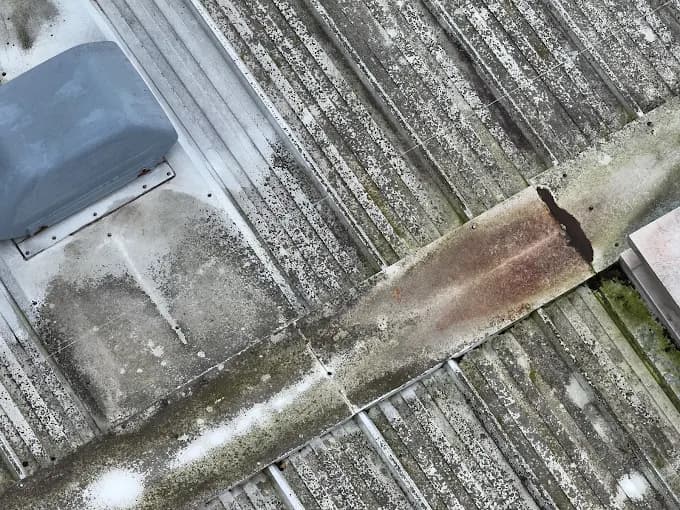
The drone’s agility grants it unparalleled accessibility. It can hover over dangerously steep sections, navigate intricate architectural features, and get high-resolution views of every nook and cranny. You get a complete, detailed look at your entire roof system without anyone ever taking a risky step onto it, ensuring a thorough evaluation without compromising safety.
Speed and Cost: An Efficiency Showdown
Drone roof inspections don't just win on safety; they also pull far ahead in speed and cost. Imagine the traditional process: you schedule a team, they arrive, set up ladders, and spend hours methodically walking across your entire roof. It can consume a significant part of your day.
In stark contrast, a drone pilot can launch, fly a pre-programmed route, and capture all necessary visuals in as little as 15 to 30 minutes. The time savings are immense.
This efficiency directly impacts your wallet. With a traditional roof inspection, you're paying for multiple workers' time, including setup, the inspection itself, and teardown. You also absorb the costs related to their high-risk insurance.
A drone roof inspection requires just one certified drone pilot and minimal equipment, drastically cutting labor and insurance overhead. When you choose a drone, you're opting for a faster, more streamlined process that delivers significant cost savings.
Detail and Accuracy: Data Capture vs. Tactile Assessment
When it comes to detail, you're trading a roofer's hands-on assessment for a drone's powerful digital eye. A traditional roof inspection provides crucial tactile feedback.
An experienced roofer feels for spongy decking, checks shingle pliability, and assesses granule loss by an actual touch. This hands-on method offers direct evidence of material failure and structural issues. It's an expert’s deep dive into the roof's physical condition.
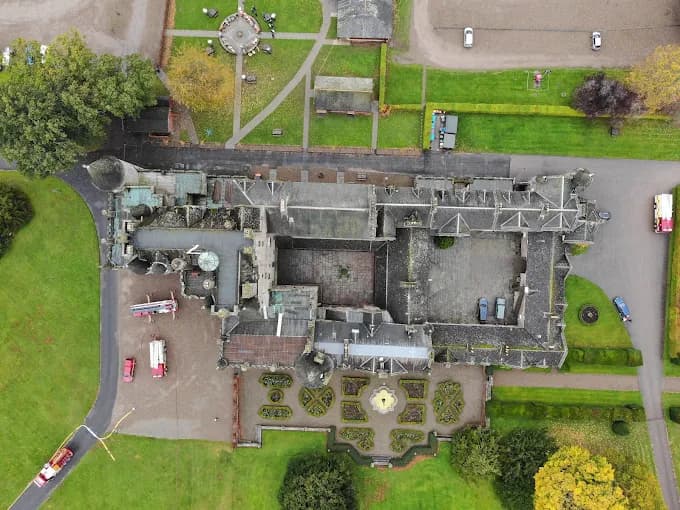
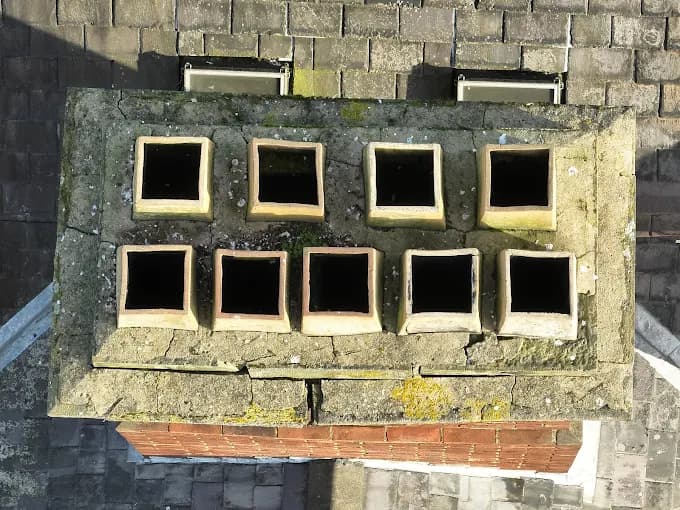
Conversely, a drone focuses on comprehensive data capture. It creates a high-resolution digital model of your entire roof. You can zoom in to analyze every square inch, spotting hairline cracks or subtle hail impacts from a bird's-eye view.
This extensive visual record provides incredible detail across the whole surface, not just the inspector's path. You get a permanent, measurable dataset to precisely track your roof's health over time.
Recognizing the Limitations of Each Method
To fairly compare these methods, you must also recognize their respective limitations. You'll find that for all their benefits, drone roof inspections come with their own distinct drawbacks. Meanwhile, the traditional inspection method continues to present inherent risks that can't be ignored.
Drone Roof Inspection Drawbacks
Despite their impressive capabilities, drone roof surveys aren't a perfect solution. You’ll find that weather is a major constraint; you can't fly a drone safely in high winds, rain, or snow, which can cause scheduling delays. You must also navigate UK aviation regulations and potential no-fly zones near airports or secure facilities.
The most significant limitation, however, is the lack of physical contact. A drone can't lift a shingle to check the underlayment or press on a questionable area to feel for soft spots in the decking. It offers a purely visual assessment.
Finally, limited drone battery life can interrupt drone roof surveys on very large roofs, and operating the drone requires a skilled, certified drone pilot to ensure both safety and accuracy.
Traditional Inspection Risks
The most glaring risk of a traditional roof inspection is personal safety. When you send someone up a ladder and onto your roof, you're introducing the potential for a serious fall. This isn't just a risk for the inspector; it's a liability concern for you as the property owner.
Beyond the immediate danger, the inspection itself can cause more damage. Walking across your roof, especially on materials like slate, clay tile, or aged shingles, can crack materials or dislodge protective granules. You're trying to find problems, not create new ones.
Traditional methods can also be less thorough. An inspector might not safely access every steep pitch or complex angle, potentially missing hidden damage and leaving you with an incomplete picture of your roof's health.
Making the Right Choice for Your Property
As you weigh the pros and cons, the right choice between a drone and a traditional roof inspection isn't one-size-for-all. It truly depends on your property's unique characteristics and your specific needs.
If you have a large commercial building, a steeply pitched roof, or delicate materials like slate, a drone roof inspection is often the safer, more efficient choice. It avoids foot traffic that could cause damage and provides a comprehensive overview very quickly.
However, if you suspect a specific leak or require a hands-on assessment of flashing details, a traditional inspection might be better. An experienced inspector can physically test materials to get a tactile sense of the roof's true condition.
For simple, easily accessible residential roofs, the direct approach of a traditional roof inspection can be perfectly adequate and cost-effective. Ultimately, consider your roof's complexity, your safety concerns, and the level of detail you need to make your decision.
Frequently Asked Questions
Do Insurance Companies Accept Drone Roof Inspection Reports?
Yes, insurance companies increasingly accept drone inspection reports. They value the detailed, high-resolution evidence you provide because it's safer and more efficient.
To ensure acceptance, you'll need a report from a certified professional that clearly documents damage with annotated photos and videos. It’s the quality of the data that matters. Your report must present clear, actionable proof, which helps the adjuster quickly approve your claim and determine the scope of work.
What Licenses Are Required for Commercial Drone Roof Inspections?
To conduct commercial drone inspections in the UK, you'll need a Civil Aviation Authority (CAA) qualification, such as an A2 Certificate of Competency (A2 CofC) or a GVC (General Visual Line of Sight Certificate). You earn this by passing an accredited aeronautical knowledge test.
This exam covers CAA regulations, operating requirements, and micrometeorology. Once certified, you're required to register your drone. Don't forget that you may also need to comply with additional local business licensing rules, so it's important you check those too.
If a Drone Finds Damage, Does Someone Still Go Up?
Yes, you'll almost always need a hands-on look after a drone identifies damage. While the drone is excellent for safely pinpointing problem areas from above, it can't physically test the roof's integrity.
You'll send a professional up to touch the area, check for soft spots, confirm the extent of the damage, and determine the precise materials and methods required for a proper repair. It makes the physical inspection safer and more targeted.
Can Drones Use Thermal Imaging to Find Hidden Leaks?
Yes, you can use drones with drone thermal imaging to find hidden leaks. They're ideal for identifying trapped moisture you can't see under your roof's surface.
As the roof cools after sunset, these saturated areas retain heat longer than dry sections. The drone’s thermal camera captures these temperature differences, revealing warm spots that indicate a leak. It’s a highly effective, non-invasive method for pinpointing problems before they escalate into major issues.
What Happens to the Drone Footage After the Drone Roof Inspection?
After the inspection, your drone pilot downloads and processes the high-resolution footage. They use specialized software to analyze the images and video, identifying any defects, damage, or areas of concern.
You'll receive a comprehensive report that includes annotated images and video clips, giving you a clear visual record of your roof's condition. The data is securely stored, providing a valuable baseline for future inspections and tracking changes or deterioration over time.
Secure a Safer, Faster Roof Inspection with a Vetted Professional
Choosing the right drone roof inspection means balancing the need for detailed, accurate data against the realities of safety and cost. For property owners who require the comprehensive visual records and risk-free efficiency of a drone survey, finding a qualified drone pilot is the critical next step. This is precisely the challenge HireDronePilot solves.
Our UK network is comprised of professional drone operators with specific expertise in property assessments. They are CAA-certified, fully insured, and skilled in using high-resolution and thermal cameras to create actionable digital reports that pinpoint everything from cracked tiles to hidden moisture.
HireDronePilot is the UK's premier managed marketplace, connecting businesses with verified professional drone pilots for hire. Our platform allows you to streamline drone services through competitive bidding, ensuring quality, compliance, and value for every aerial project across the United Kingdom.
Whether you need a post-storm damage assessment or a routine condition report, our platform simplifies finding an expert for your drone roof inspection services.
Don't leave your property's condition to chance. Post your project today to receive competitive quotes from certified drone inspection specialists ready to deliver the clear, actionable data you need.