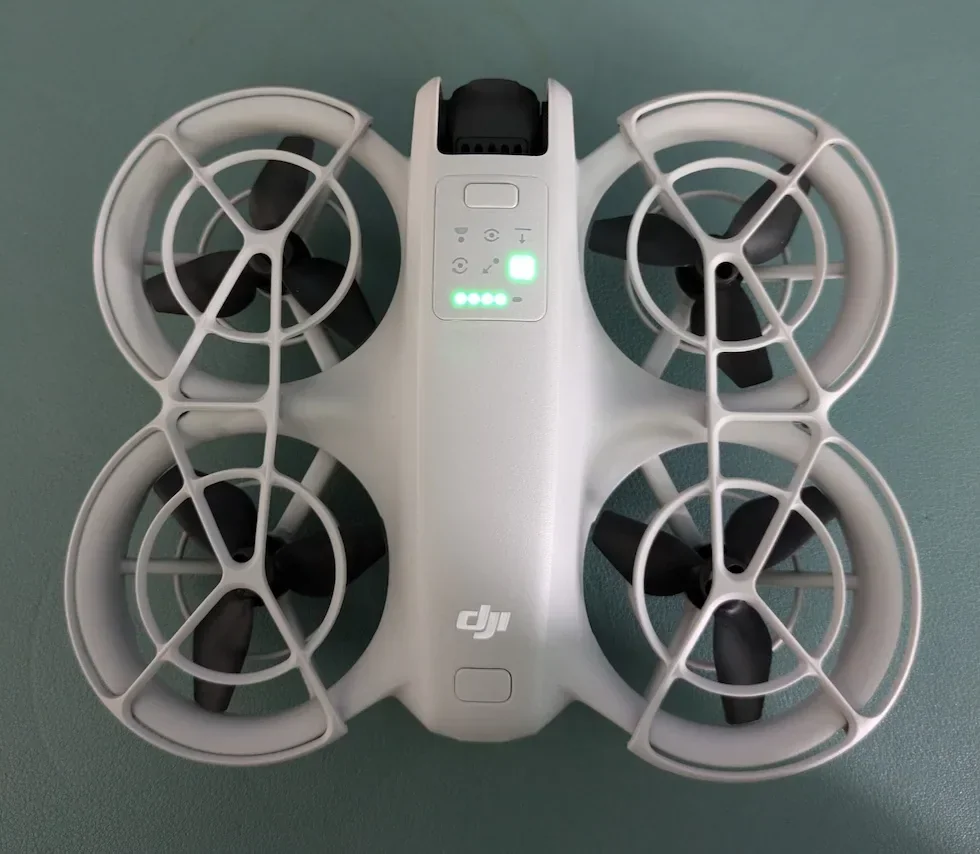
How to Save Videos From the DJI Neo 2 to a PC or Laptop

Peter Leslie
22 May 2026
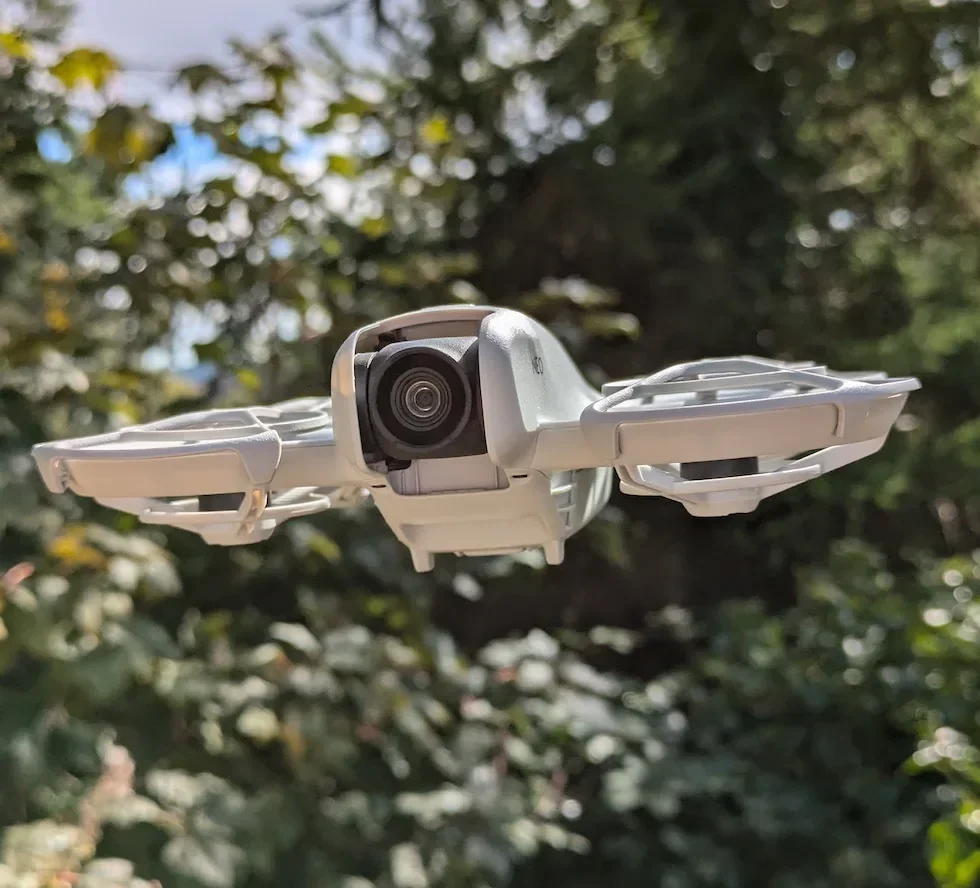
Saving videos from the DJI Neo 2 to a PC or laptop comes down to a USB-C cable — plug one end into the drone, the other into the computer, and the drone mounts as a removable drive in File Explorer on Windows or Finder on Mac. From there, open the DCIM folder and drag the files across like any other camera. No drivers, no extra software, no DJI Fly desktop app needed.
Most drone pilots reach for the cable instead of QuickTransfer for two reasons: it is faster for a whole flight worth of 4K clips, and it works whether the drone is powered on or off. The DJI Neo 2 documentation explicitly states the drone does not need to be powered on during the export, which makes the cable the calmer option after a long shoot.
Quick guide
To save videos from the DJI Neo 2 to a PC or laptop, run USB-C cable from the drone to the computer → open the DJI Neo 2 drive in File Explorer (Windows) or Finder (Mac) → DCIM folder → drag the MP4 files to a folder on the computer → eject the drive. No drivers and no app needed. The drone can stay powered off during the transfer.
USB cable vs QuickTransfer — which is faster?
For a single short clip, QuickTransfer to the phone is fine. For a whole memory card of 4K clips, the cable wins on every count. The numbers below come straight from the DJI Neo 2 documentation.
| Method | Best for | Speed | Drone powered on? |
|---|---|---|---|
| USB-C cable to PC/Mac | Whole flight, 4K, editing | Wired — fastest | No — can stay off |
| QuickTransfer (5.8 GHz) | A handful of clips to a phone | Fast Wi-Fi (where 5.8 GHz is allowed) | Yes |
| QuickTransfer (2.4 GHz / ECO mode) | Fallback when 5.8 GHz is blocked or the drone is warm | 12–30 MB/s cap | Yes |
Step-by-step: How to Save Videos From the DJI Neo 2 to a PC or Laptop
Run through these once, and the next post-flight offload becomes muscle memory — cable in, drag, eject, done.
Charge the DJI Neo 2 and grab a USB-C data cable
Make sure the DJI Neo 2 has at least one battery bar showing — the drone does not need to be powered on for the transfer, but the on-board controller needs a trickle of charge to mount the storage. Pick up a USB-C cable that is known to carry data. Cheap phone-charger cables are often power-only and will leave the drone invisible to the computer.
Plug the cable into the USB-C port on the drone
Find the USB-C port on the DJI Neo 2 body — it sits behind a small cover near the battery. Push the cable in until it seats. The drone can be powered on or off; the DJI Neo 2 documentation confirms it does not need to be on during the export, and powering it down is the safer default while the cable is attached.
Connect the other end to a USB port on the PC or laptop
Push the other end of the cable into a free USB port on the computer. USB-C is preferred for the highest transfer rate, but USB-A works fine with the right cable. Plug straight into the machine — USB hubs and docks sometimes throttle the connection or leave the drone undetected.
Open the DJI Neo 2 drive on the computer
On Windows, press the Windows key, type "This PC" and hit Enter. The DJI Neo 2 appears in the Devices and drives list as a removable drive named Neo 2 or DJI Neo 2 — double-click it. On Mac, the drive mounts on the desktop and shows up under Locations in the Finder sidebar; double-click the icon to open it. No drivers, no installer, no DJI Fly desktop app required.
Open the DCIM folder and select the MP4 files
Inside the drive sits a folder named DCIM. Open it. The video files are MP4 and sit inside dated subfolders named after the capture batch. Use Ctrl+A on Windows or Command+A on Mac to select every file in the folder, or click the first file and Shift-click the last to grab a range.
Drag the files to a folder on the computer
Drag the selected files into a folder on the computer — Pictures, Videos, the Desktop, or a dated project folder for a clean library. The copy runs in a progress window. For a full flight of 4K clips, expect a couple of minutes over USB-C and a little longer over USB-A.
Eject the DJI Neo 2 before unplugging
Wait for the progress bar to hit 100 percent. On Windows, right-click the DJI Neo 2 drive in File Explorer and pick Eject; on Mac, drag the drive icon to the Trash or click the eject arrow next to it in the Finder sidebar. Only pull the cable out once the drive disappears from the list — yanking it mid-write can corrupt the file system.
Verify playback before wiping the drone
Open one or two of the copied MP4 files in VLC, Windows Media Player or QuickTime. Confirm each clip plays end to end with sound where applicable. Only after every file has been verified is it safe to wipe the DJI Neo 2 on-board storage from inside DJI Fly via Camera settings → Format. Skip this and a corrupt copy and a wiped drone is the worst case.
Peter's tip
I keep a known-good USB-C data cable taped to the inside of the kit bag specifically for offloads. The "USB-C cable that came with the phone charger" trap catches drone pilots almost every week — those cables are wired for power only and the drone never appears on the computer. A cable that is known to sync a phone to a laptop will always work; a charger cable might not. One small label on the cable saves an hour of troubleshooting.
Frequently asked questions
Does the DJI Neo 2 need to be powered on to copy videos to a PC?
No. The official DJI Neo 2 documentation states the drone does not need to be powered on during the exporting process — plug the USB-C cable in and the on-board storage mounts on the computer either way. Most drone pilots leave the drone powered off for file transfers because it saves the battery and removes the chance of the propellers spinning up if the takeoff button is brushed by accident.
Do I need to install drivers on Windows or Mac to see the DJI Neo 2?
No drivers are needed. The DJI Neo 2 mounts as a generic USB mass storage device, so Windows 10, Windows 11 and macOS all see it under This PC or Finder Locations within a few seconds of plugging the cable in. If the drone does not appear, the cable is almost always the problem — swap it for one that is known to carry data, not a charge-only cable.
Which folder on the DJI Neo 2 holds the video files?
Open the drive and look for the DCIM folder — every photo and video sits inside DCIM in a subfolder named after the capture batch. Video files are MP4 and photos are JPEG or DNG depending on the capture mode set in DJI Fly. The folder layout matches a standard camera so it slots straight into Lightroom, DaVinci Resolve or any other library tool.
Is USB faster than QuickTransfer for saving DJI Neo 2 videos?
USB to a computer is the most reliable option for large clips because it is wired and not capped by Wi-Fi interference. QuickTransfer over 5.8 GHz tops out around the rate the DJI Neo 2 documentation quotes for ideal conditions; the moment 2.4 GHz takes over the cap drops to 12 MB/s, and ECO mode can drop it further to 30 MB/s when the drone heats up. For a whole flight worth of 4K clips, the cable is the right call.
Can I use DJI Fly on the desktop to import DJI Neo 2 files instead of File Explorer?
There is no DJI Fly desktop app — the mobile app does not run on Windows or Mac. The supported workflow for a computer is the USB cable into File Explorer or Finder, then editing in the tool of choice. Some drone pilots run DJI Fly on a tablet or phone, QuickTransfer the keepers across, then AirDrop or USB those files to the computer; that is a longer path but works when no cable is to hand.
Why does the DJI Neo 2 not appear in This PC on Windows?
In every case I have seen, the cable is the cause. USB-C cables that ship with phone chargers are often power-only and carry no data lines. Swap for a cable that is known to sync a phone to a PC, plug it straight into the computer rather than through a hub, and the drone appears within seconds. If a known-good cable still does not work, try a different USB port and reboot the computer once.
Should I delete the videos from the DJI Neo 2 after copying them to the PC?
Only after every copied file has been opened and played on the computer. The safe pattern is copy, verify by playback, then wipe the on-board storage from inside DJI Fly using the Format option in the Camera settings menu. Deleting the files straight from File Explorer also works, but DJI Fly Format is the cleaner sweep and leaves the storage in the state the drone expects for the next flight.
Saving DJI Neo 2 videos to a PC or laptop is one cable away from done — plug the USB-C in, open the drive, drag the DCIM folder across, eject, verify, wipe. The drone does not need to be on, no drivers are involved, and the same flow works on Windows and Mac with no extra software. The cable beats QuickTransfer for any serious offload, and the wired connection never suffers the interference and ECO mode caps that knock Wi-Fi back to 12 MB/s.
If the DJI Neo 2 refuses to show up on the computer or a clip refuses to play back, drop the details to peter@hiredronepilot.uk and I will come back to you directly. The video version of this walkthrough is on YouTube and the comments are open.
References
Primary source material for this article is the official DJI Neo 2 documentation and DJI Fly. External links open in a new tab.
- DJI Neo 2 — Downloads (User Manual, Quick Start Guide, firmware notes) · Sections 4.9 Storing and Exporting Photos and Videos and 4.10 QuickTransfer cover USB export behaviour, the powered-off transfer guarantee, and the 5.8 GHz vs 2.4 GHz QuickTransfer caps.
- DJI Neo 2 — Specifications (UK) · On-board storage capacity and supported media file formats that populate the DCIM folder.
- DJI Fly — App download and release notes · DJI Fly is mobile-only on iOS and Android; the release notes confirm there is no desktop client for Windows or Mac.
Peter Leslie
Founder & GVC Drone Pilot
Peter is the founder of HireDronePilot. With thousands of logged commercial flight hours, he writes about drone technology, commercial surveying tactics, and UK aviation compliance.
Connect on LinkedIn