How to Adjust the Auto RTH Altitude on the DJI Neo 2

Peter Leslie
21 May 2026
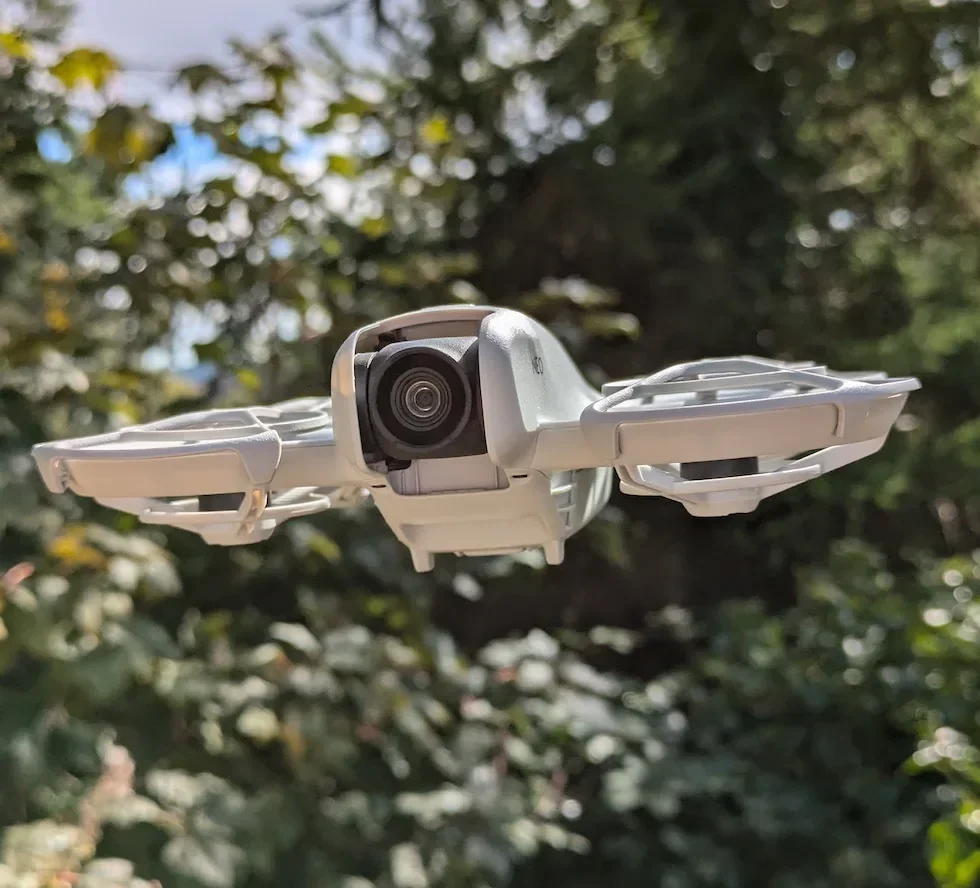
If your DJI Neo 2 has ever skimmed a tree on the way home — or you have seen the on-screen warning that the drone is about to fly back at an altitude lower than something on the return path — the slider you are looking for is the Auto RTH Altitude inside DJI Fly.
Setting it deliberately before every flight is the difference between a clean return and a clipped propeller. Most drone pilots who lose a Neo 2 mid-RTH set the value once at a tidy garden site and never raised it again when they moved to a wooded one.
Quick guide
To adjust the Auto RTH Altitude on the DJI Neo 2, go to DJI Fly → Settings → Safety → RTH Settings → Auto RTH Altitude. Drag the slider to anywhere between 10 and 120 metres, set above the tallest obstacle on the likely return path, and close the panel — the change is live straight away.
Step-by-step: How to Adjust the Auto RTH Altitude on the DJI Neo 2
Follow these top to bottom the first time, and you will know the path off by heart the second time.
Open the DJI Fly Settings menu from the camera view
With the DJI Neo 2 connected and DJI Fly on the camera view, tap the Settings icon in the top right of the screen. The settings panel slides in with the category tabs down the left.
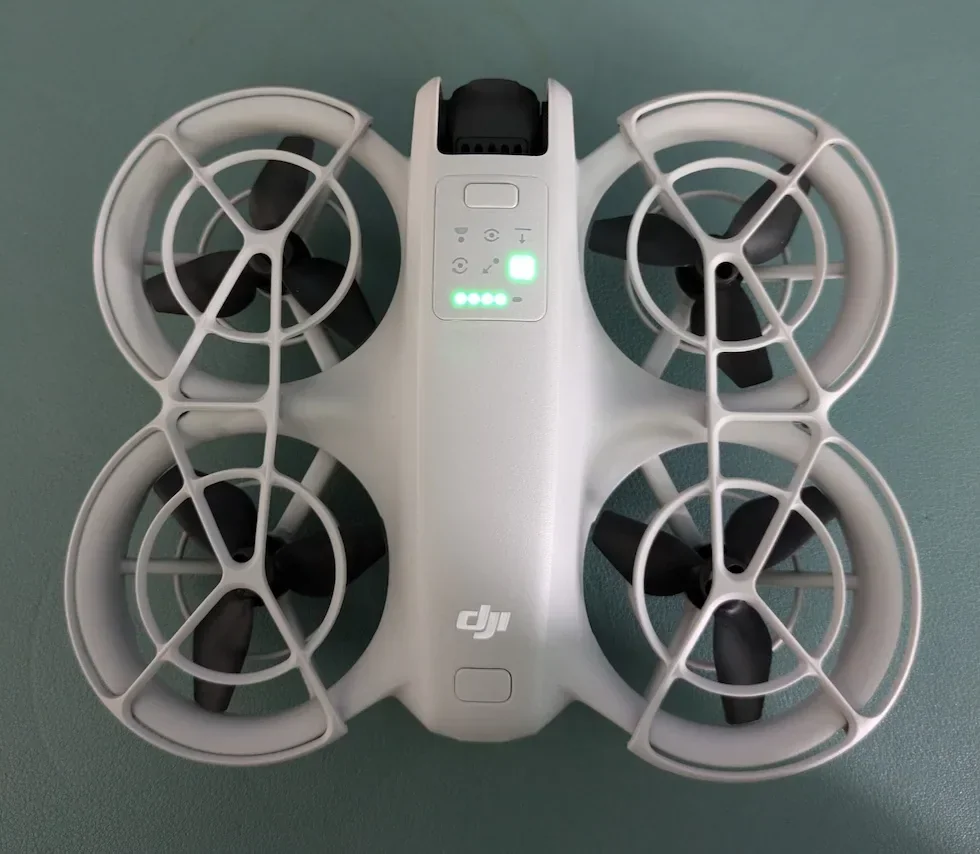
Tap the Safety category in the Settings panel
Safety is the second tab down the left of the settings panel, below Control. Tap it and the right-hand pane updates to show every safety-related option for the DJI Neo 2.
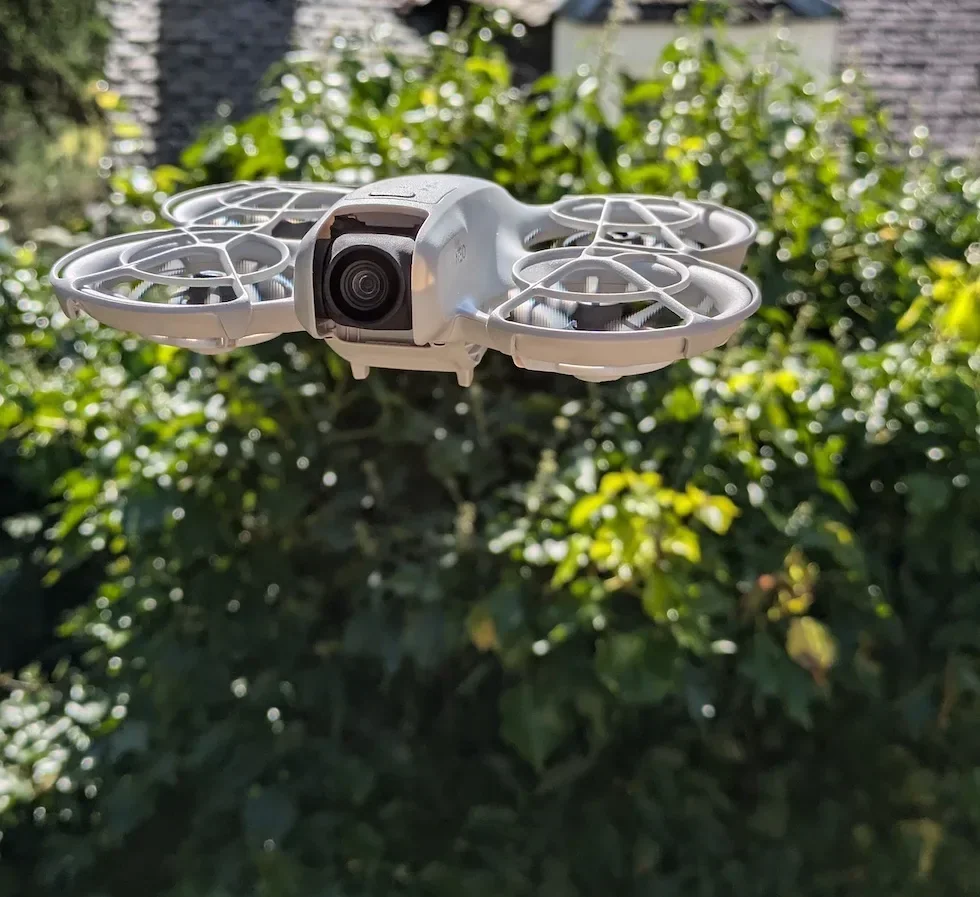
Scroll down to the RTH Settings section inside Safety
Scroll past Max Altitude and Max Distance until the RTH Settings sub-heading appears. The Auto RTH Altitude slider is the first item in that block.
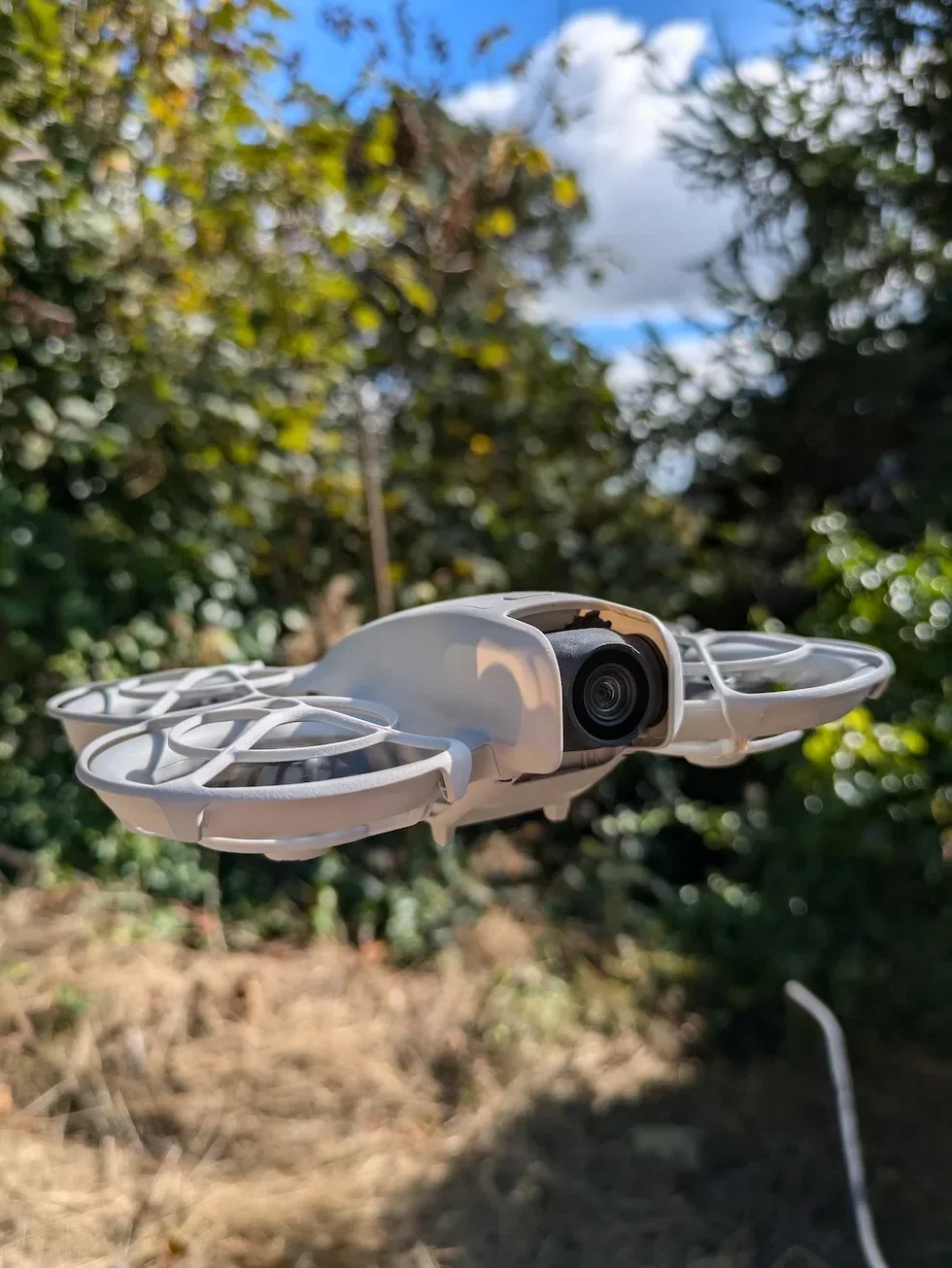
Locate the Auto RTH Altitude slider in the RTH Settings block
The slider runs from 10 metres at the left to 120 metres at the right. The current value sits in a small numeric box on the right of the slider so you can read it before you change anything.
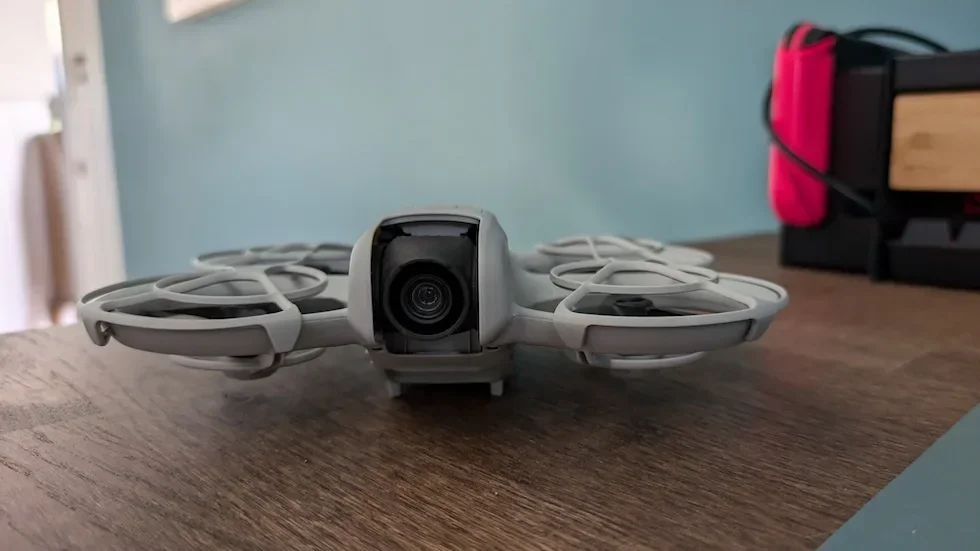
Drag the slider to your chosen altitude between 10 and 120 metres
Pick a value above every obstacle on the likely return path — trees, masts, buildings, power lines — not just the launch point. The RTH path is a straight line back to the home point at the altitude you set, so anything taller than that value is in the firing line.
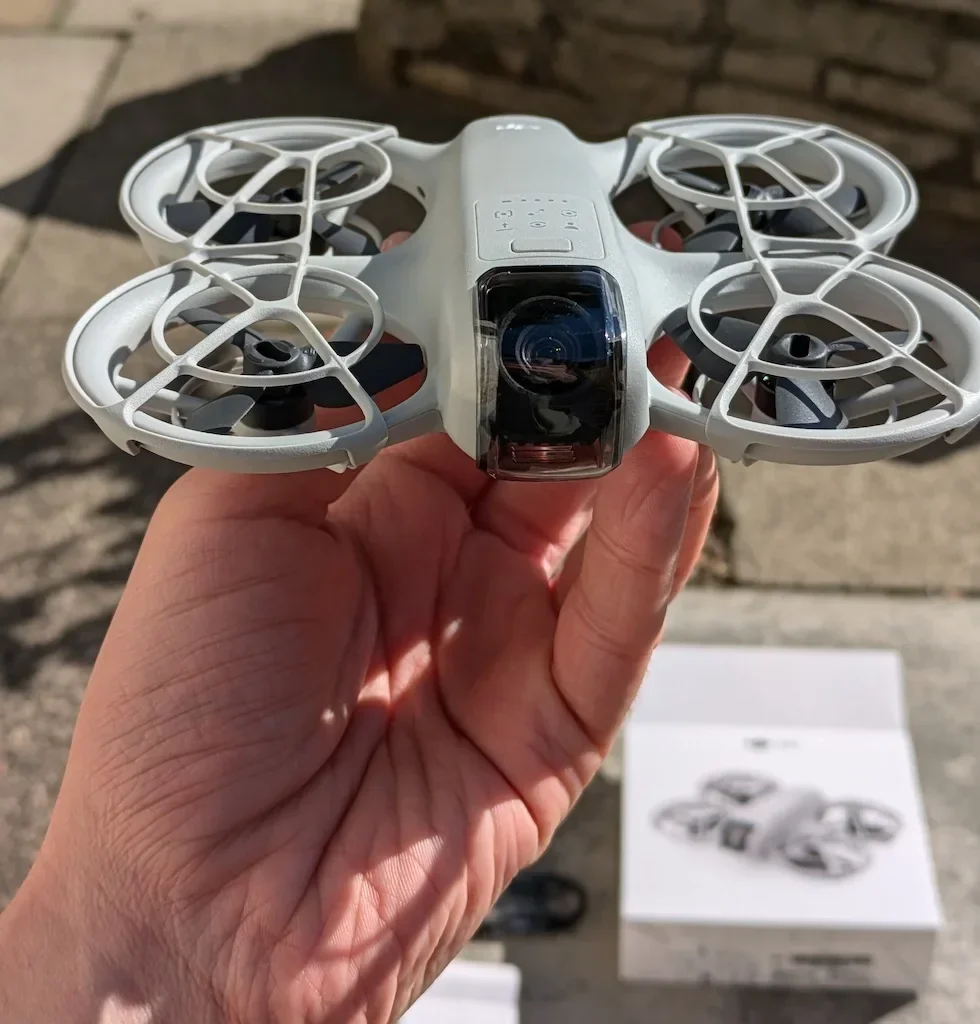
Close the Settings panel to save the new altitude
Tap outside the panel or hit the back arrow. The change is live immediately — no restart and no power-cycle. The Auto RTH Altitude shown on the panel is what the drone will climb to the next time RTH triggers.
Frequently asked questions
What is the default Auto RTH Altitude on the DJI Neo 2?
DJI Fly ships with a conservative default in the lower end of the slider — close to the 10-metre minimum on a fresh install. That is well below the height of mature trees and most buildings, so set it deliberately before every new flight site rather than trusting the default.
What altitude should I set for Auto RTH on the DJI Neo 2?
Set it above the tallest obstacle on the likely return path — not just above the launch point. The RTH path is a straight line back to the home point at the altitude you set, so anything taller than that value is in the firing line. For a typical UK garden or park with mature trees, 30 to 40 metres is a sensible floor. For built-up areas with masts, chimneys, or tower blocks on the return path, push higher.
Why is the maximum Auto RTH Altitude limited to 120 metres?
That cap matches the UK Drone Code's maximum legal flight altitude. The Drone Code limits drones in the Open category to 120 metres above the surface, so DJI bakes the same ceiling into the Auto RTH slider — letting you set 150 metres would automatically put every UK return into an illegal altitude band.
What is the minimum Auto RTH Altitude on the DJI Neo 2?
Ten metres. Below that the DJI Neo 2 would have very little vertical clearance over typical garden obstacles, so DJI does not allow lower values.
Does the Auto RTH Altitude apply when Failsafe RTH triggers automatically?
Yes. The same slider value is what the Neo 2 climbs to whether you triggered RTH yourself, Smart RTH kicked in on low battery, or Failsafe RTH triggered because the controller signal was lost. There is one altitude setting for all three trigger modes.
Why is my Neo 2 still hitting branches during RTH even with the altitude set high?
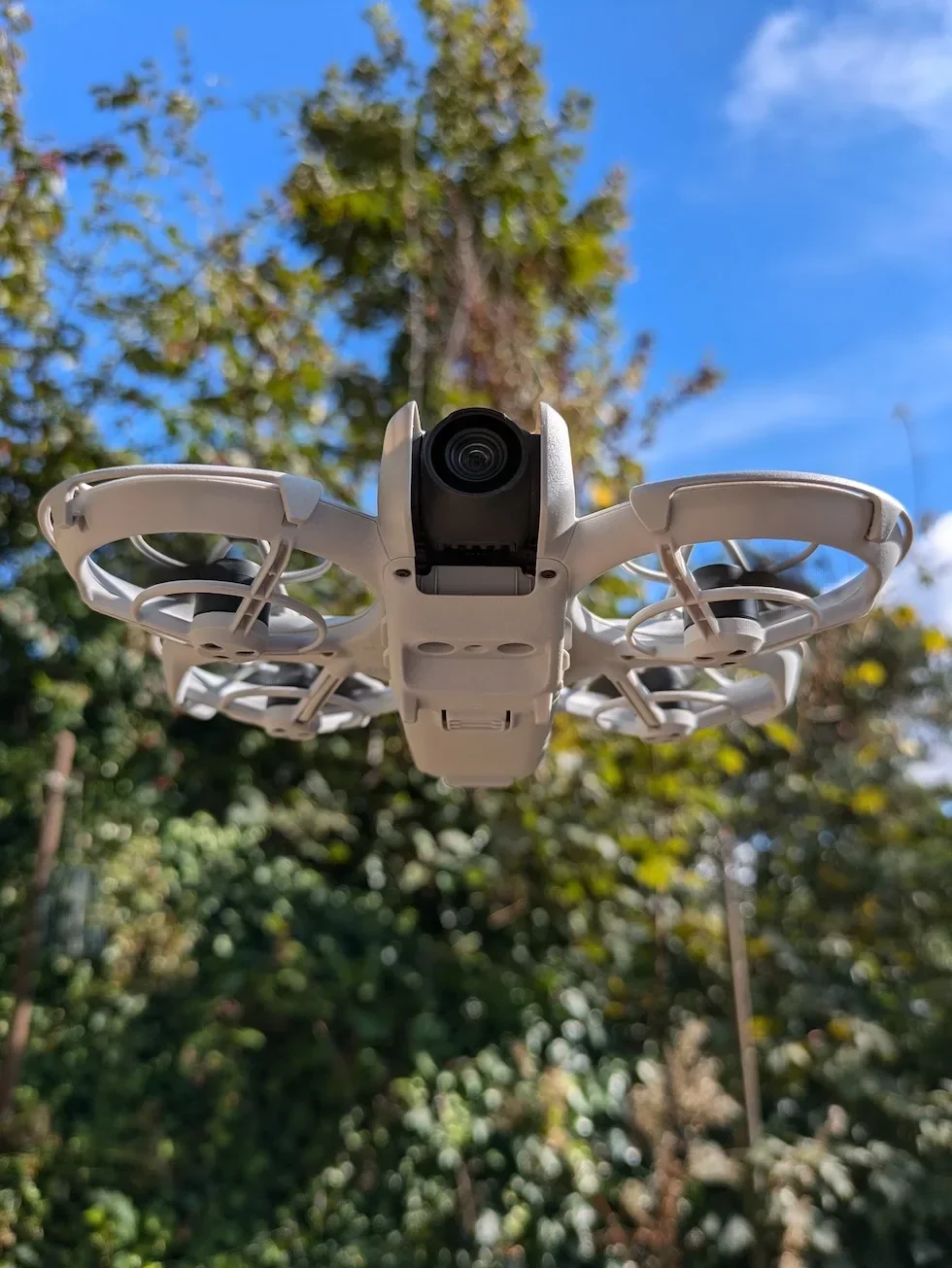
Two usual causes. The Neo 2 has no full obstacle-avoidance sensor suite on the return path — Original Route RTH flies the line you set, regardless of what is on it. Advanced RTH plans a path using the vision system but only when the light is good enough; in low light it falls back to Original Route. Either way, if the obstacle is taller than the value you set in the slider, the drone will fly into it.
Can I cancel RTH if the DJI Neo 2 is heading the wrong way?
Yes. Inside DJI Fly during RTH, tap the on-screen RTH icon to exit, or press the RTH button on the remote controller again. Exiting RTH returns full control to you. If you are not confident the recorded Home Point is accurate, cancel Auto RTH and fly the drone home manually.
The Auto RTH Altitude slider is the single most important safety setting on the DJI Neo 2, and it is the one new owners change least often. Build it into your pre-flight habit — walk the site, look up, pick a value above the tallest thing you can see on the return path — and the drone gets home on its own every time.
Got a site where the RTH path is unusually tight, or a question about how this slider interacts with Smart RTH on low battery? Drop a note to peter@hiredronepilot.uk and I will come back to you directly. If you prefer the video version of this explainer, the comments are open on YouTube.
References
Primary source material for this article is the official DJI Neo 2 documentation and the UK Civil Aviation Authority Drone Code. External links open in a new tab.
- DJI Neo 2 — User Manual (v1.2, December 2025) · §RTH Settings — Auto RTH Altitude slider range, Advanced RTH behaviour, manual cancel procedure, the "RTH Altitude higher than all obstacles" rule.
- UK Civil Aviation Authority — The Drone and Model Aircraft Code (CAP2320) · 120-metre maximum flight altitude in the UK Open category, which sets the upper bound of the Auto RTH Altitude slider.
- DJI Fly — App download and release notes · The app where the Auto RTH Altitude slider lives. Release notes record any menu reshuffles between versions.
Peter Leslie
Founder & GVC Drone Pilot
Peter is the founder of HireDronePilot. With thousands of logged commercial flight hours, he writes about drone technology, commercial surveying tactics, and UK aviation compliance.
Connect on LinkedIn