How to Enable Slow-Motion Video Mode on the DJI Neo 2

Peter Leslie
21 May 2026
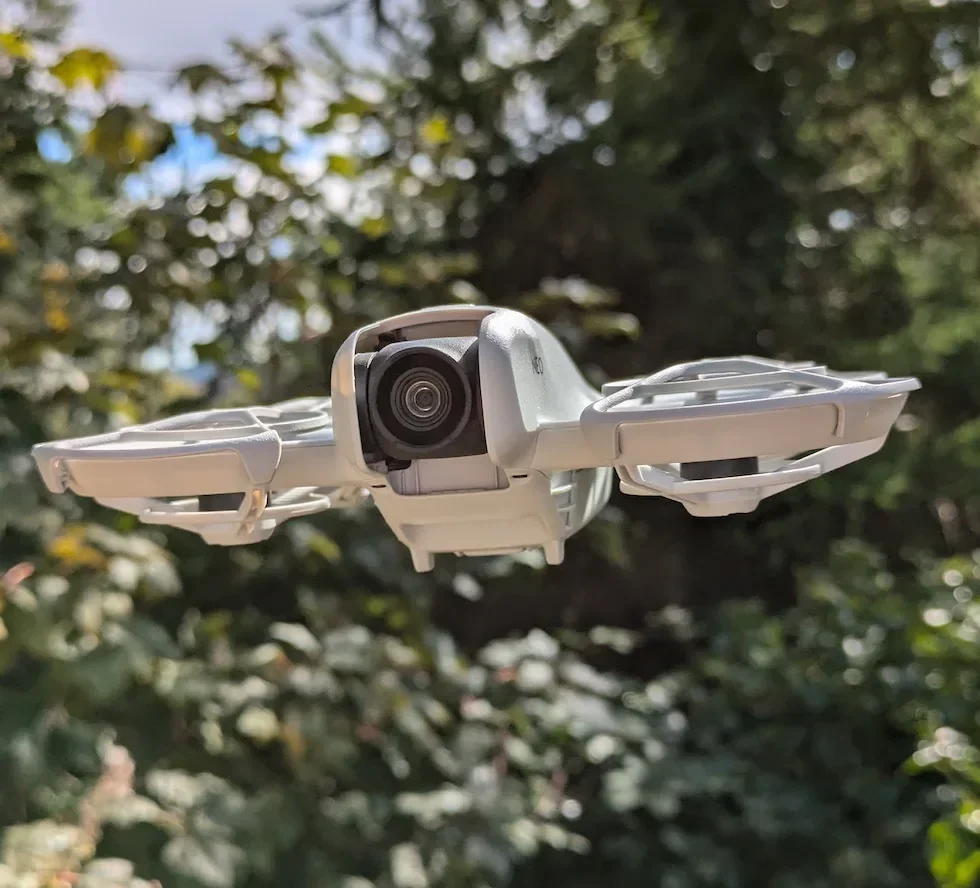
If you took the DJI Neo 2 out for a fast-moving subject and the playback came back regular-speed instead of the cinematic slow ramp you wanted, the Slow Motion sub-mode lives two taps away on the camera view inside DJI Fly.
Slow Motion locks the DJI Neo 2 into 1080p at 240 frames per second, which plays back roughly eight to ten times slower than real time on a 25 or 30 fps timeline. Most drone pilots leave the drone on Normal for everyday work and flip into Slow Motion deliberately when a moment is worth stretching — a runner, a wave, a car crossing the frame.
Quick guide
To enable Slow Motion on the DJI Neo 2, go to DJI Fly → Camera view → Shooting-mode icon → Video → Mode label → Slow Motion. The drone locks into 1080p at 240 frames per second and the resolution chip greys out until you pick Normal again.
Step-by-step: How to Enable Slow-Motion Video Mode on the DJI Neo 2
Follow these top to bottom the first time, and you will know the path off by heart the second time.
Open DJI Fly to the camera view with the DJI Neo 2 connected
Power the drone on, wait for DJI Fly to connect, and tap into the camera view. The live feed from the drone fills the centre of the screen and the shooting-mode controls run down the right-hand edge.
Enter the general video mode from the shooting-mode icon or the DJI RC-N3 video button
Tap the icon directly above the shutter button on the right-hand control column and pick Video from the list that slides out. If you are flying with the DJI RC-N3 remote controller, the dedicated video button on the controller does the same job in one press.
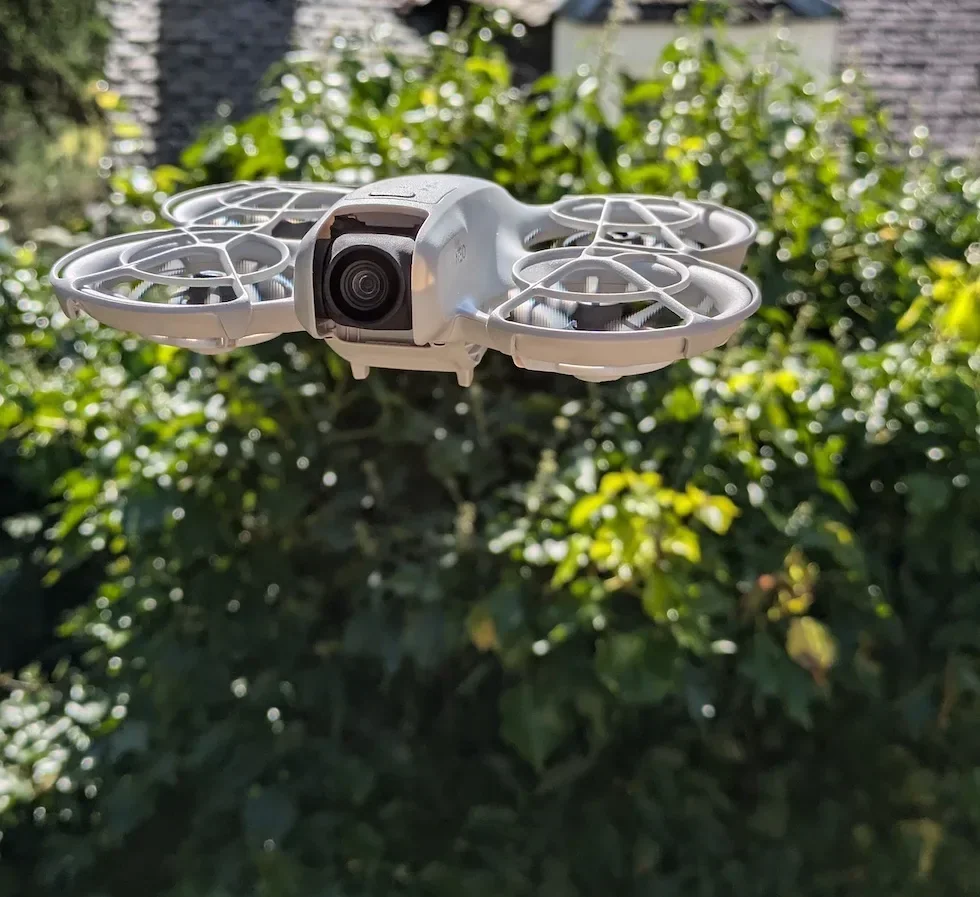
Find the sub-mode label on the DJI Fly camera view
With the drone in the general video mode, the current sub-mode reads as a small label on the camera view — Normal by default, the first time you fly. This is the control that opens the sub-mode list when you tap it, and the reason most first flights record regular-speed when the pilot wanted Slow Motion.
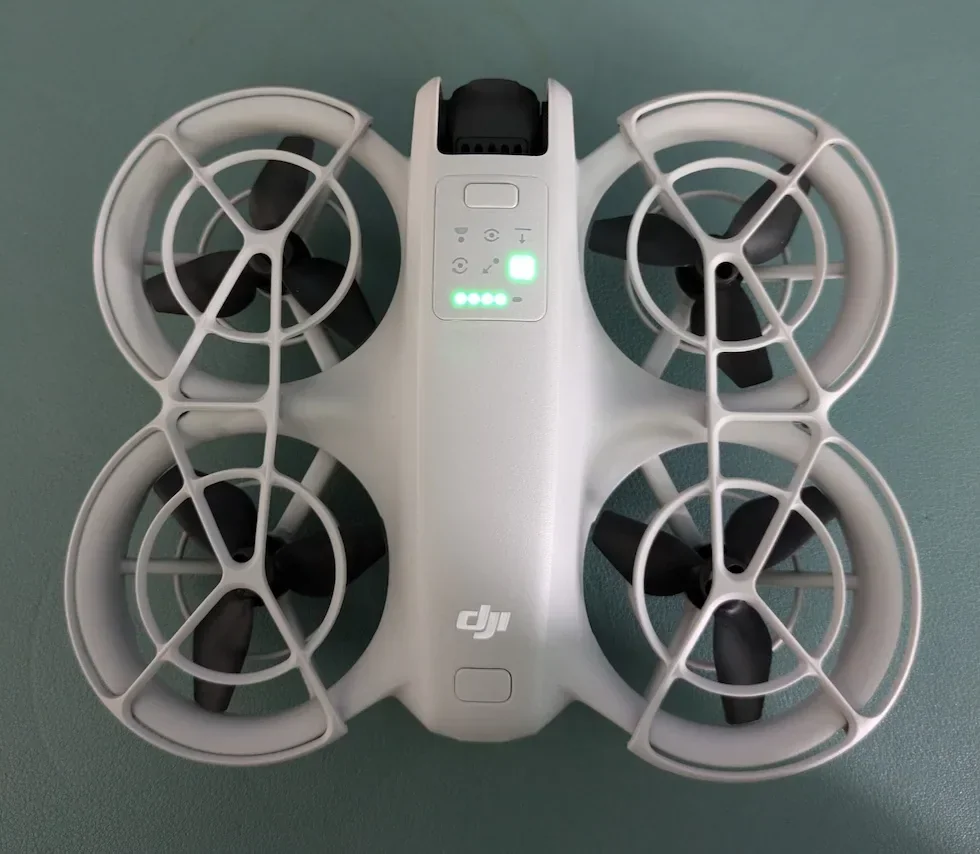
Tap the sub-mode label to open the Normal and Slow Motion list
Tap the mode label once and the sub-mode list slides out. Two rows: Normal on the right, Slow Motion on the left. The currently-selected row is highlighted in the brand yellow so you can see the active mode at a glance.
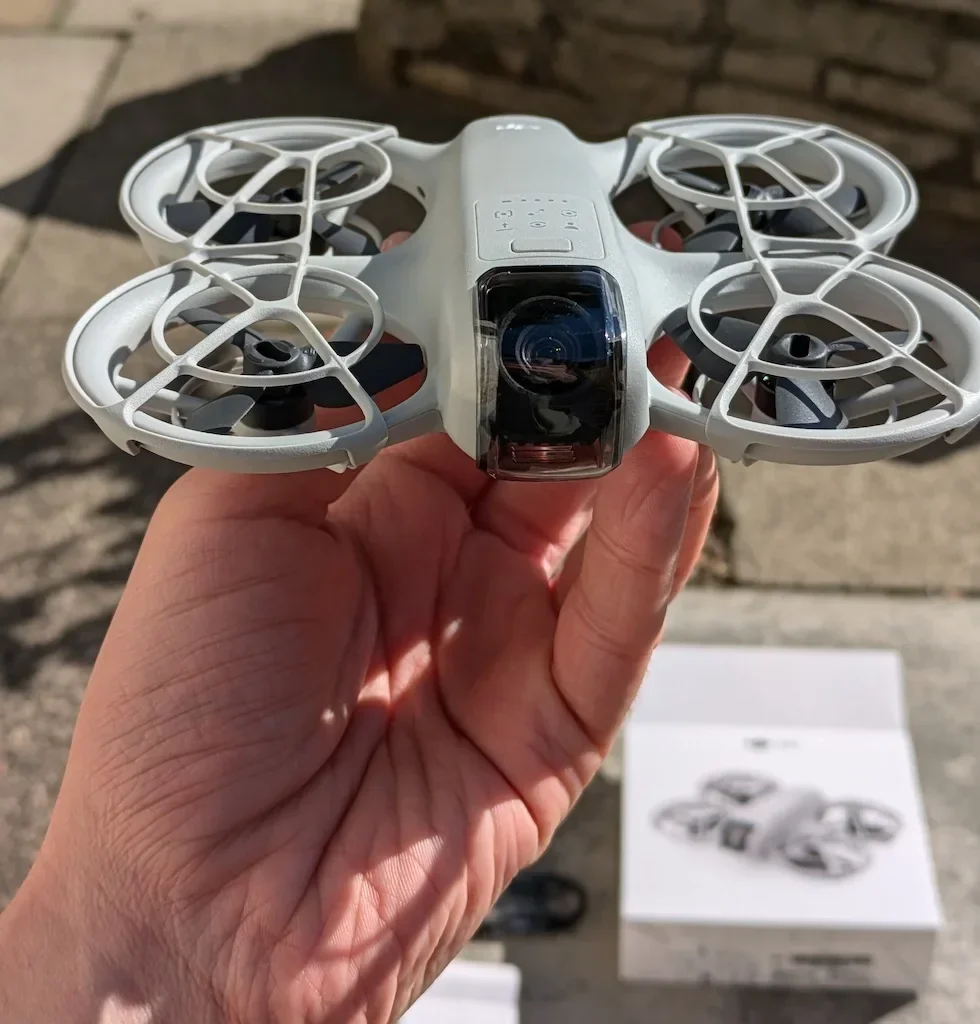
Tap Slow Motion to lock the DJI Neo 2 into 1080p at 240 frames per second
Tap Slow Motion from the sub-mode list. The DJI Neo 2 locks the camera into 1080p (1920 by 1080) at 240 frames per second and the resolution chip greys out — the resolution is fixed for the duration of the sub-mode. The list closes the moment you tap.
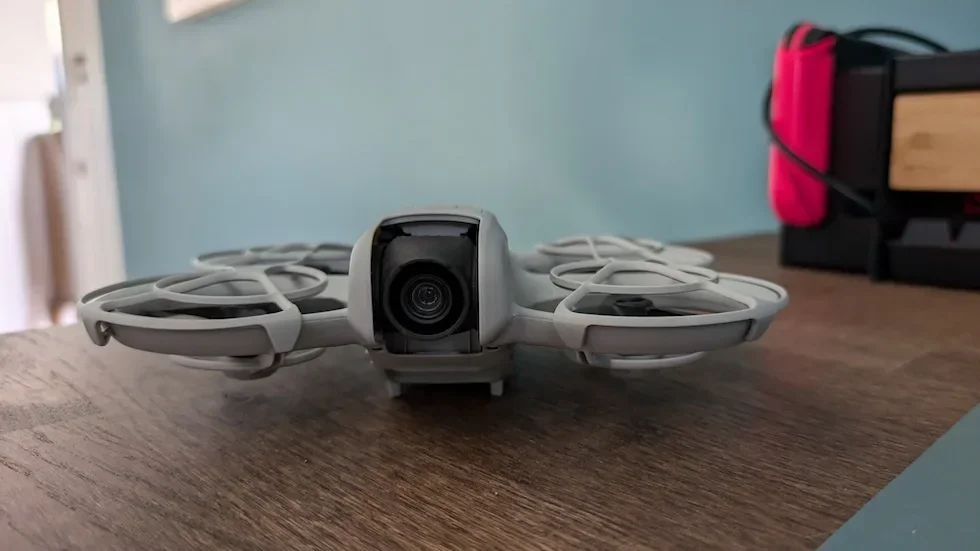
Confirm the camera view now reads Slow Motion as the active sub-mode
The sub-mode label on the camera view updates to read Slow Motion and the resolution chip locks at 1080p. The selection is sticky — the DJI Neo 2 keeps Slow Motion enabled across power cycles, so every clip you record stays at 240 frames per second until you tap back to Normal.
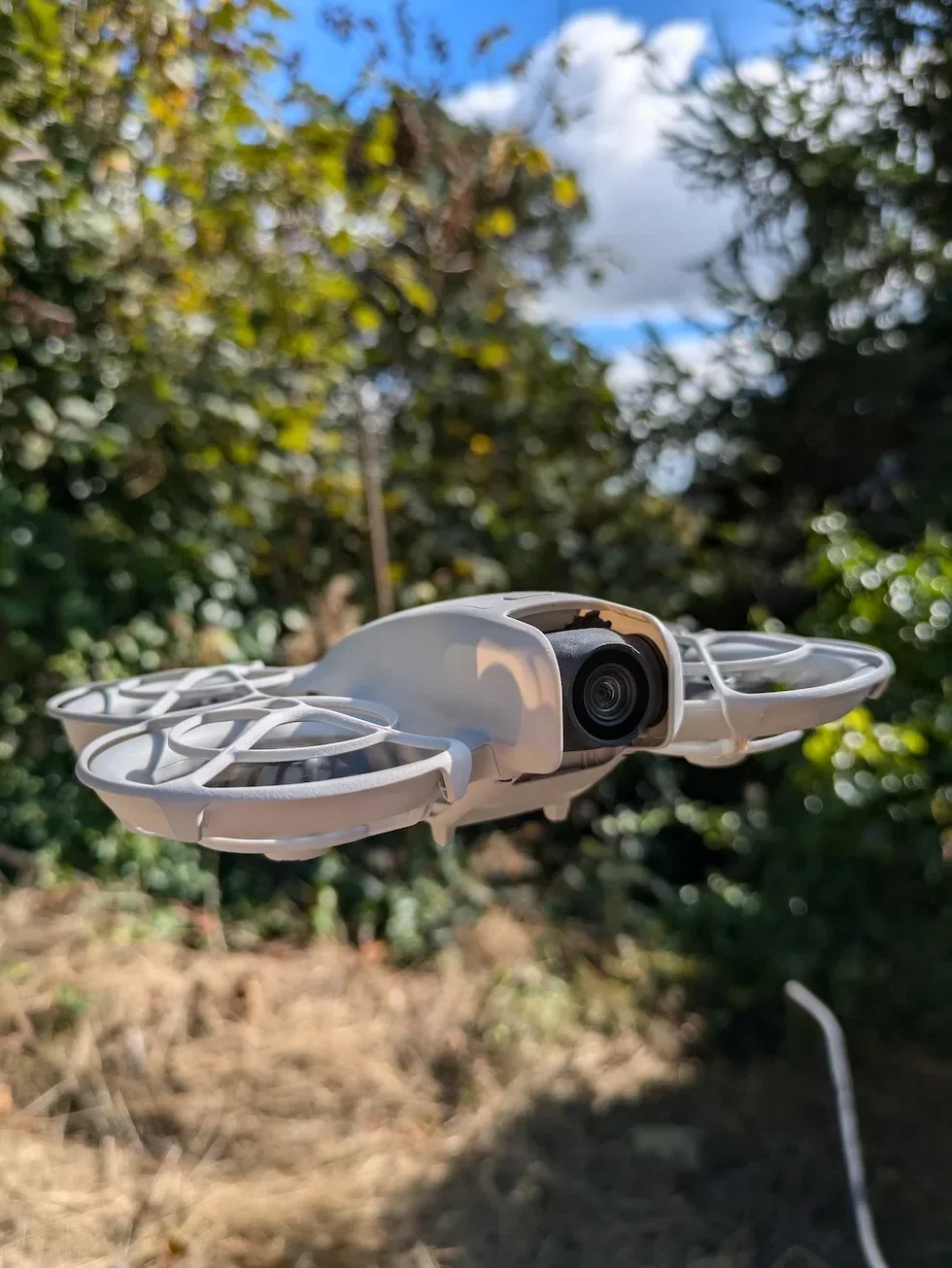
Press the shutter and check the playback frame rate in your editor
Press the shutter to start recording. The clip lands on the SD card or internal storage at the native 240 frames per second — drop it onto a 25 or 30 fps timeline in your editor and the motion plays back roughly eight to ten times slower than real time. The slow-motion effect is a timeline thing, not a baked-in render on the drone.
Peter's tip
I treat Slow Motion as a deliberate pick, not a default. Two hundred and forty frames per second through a twenty-five fps timeline is genuinely cinematic for the right shot, but the locked 1080p resolution and the disabled audio mean I always flip back to Normal before the next flight — otherwise the first clip of the next shoot quietly records at 1080p when the brief asked for 4K.
Frequently asked questions
What frame rate does Slow Motion record on the DJI Neo 2?
1080p at 240 frames per second, fixed. The resolution chip greys out the moment you pick Slow Motion, so you cannot pair this sub-mode with 4K or 2.7K. Drop the clip onto a 25 or 30 frames per second timeline in your editor and the motion plays back roughly eight to ten times slower than real time.
Does the DJI Neo 2 stay in Slow Motion after I power-cycle the drone?
Yes. The sub-mode selection is sticky — the DJI Neo 2 remembers Slow Motion across power cycles and starts the next flight in the same sub-mode. Flip back to Normal deliberately if the next shoot is client work, otherwise the first clip of the day records 1080p when you wanted 4K.
Can I record Slow Motion on the DJI Neo 2 without the remote controller?
Yes, over the Wi-Fi connection to the phone. The Slow Motion sub-mode is available on the camera view whether you are flying with the DJI RC-N3 remote controller or with the phone-only Wi-Fi link. The remote controller unlocks the 4K up to 100 frames per second range in Normal, but Slow Motion sits at 1080p either way.
When should I leave the DJI Neo 2 on Normal instead of Slow Motion?
Most client work, landscape pans, hover shots, and any dialogue or commentary footage. Normal lets you pair the resolution chip with 4K, 2.7K vertical, or 1080p and keeps the phone-captured audio in sync. Slow Motion is the deliberate pick for fast subjects, transition ramps, and moments worth stretching — not the everyday default.
Does Slow Motion on the DJI Neo 2 record audio?
No usable audio. The DJI Neo 2 has no onboard microphone, so audio is captured by the phone connected to DJI Fly, and audio capture is disabled in Slow Motion because the playback frame rate breaks sync. Plan for music or ambient overlay in post for any Slow Motion clip.
How long can I record Slow Motion on a single DJI Neo 2 battery?
Around 15 minutes of usable recording per battery once you allow for takeoff, framing, and landing on the 17 to 18 minute flight time. The high frame rate does not drain the battery faster, but 240 frames per second fills the 22 GB of internal storage roughly twice as fast as 1080p at 60 frames per second, so plan a QuickTransfer offload between batteries on a long shoot.
Can I switch into Slow Motion on the DJI Neo 2 while the drone is in the air?
Yes, but only between clips. The sub-mode list is greyed out while the drone is actively recording. Stop the clip, tap the mode label, pick Slow Motion, and start a fresh recording — expect a tiny pause as the DJI Neo 2 reconfigures the camera before the new clip rolls.
Why does my DJI Neo 2 footage not look slowed down in playback?
The Slow Motion sub-mode records at 240 frames per second but does not retime the clip on the drone — the file lands on the SD card or internal storage at the native 240 frames per second. The slow-motion effect only appears when you drop the clip onto a 25 or 30 frames per second timeline in your editor. If you preview the raw file in a viewer that matches the source frame rate, the footage plays back at normal speed.
Slow Motion is a one-tap sub-mode hiding behind a sub-mode label most DJI Neo 2 owners never tap, and the difference between a flat 30 fps grab and a stretched 240 fps version of the same moment is the difference between a clip and a beat in your edit. Pick it deliberately for the shot, then flip back before the next flight.
If you want a second opinion on whether a specific shoot needs Slow Motion or whether Normal is the better call, drop the details to peter@hiredronepilot.uk and I will come back to you directly. The video version of this walkthrough is on YouTube and the comments are open.
References
Primary source material for this article is the official DJI Neo 2 documentation and DJI Fly. External links open in a new tab.
- DJI Neo 2 — Technical specifications · 1080p (1920 x 1080) at 240 fps in Slow Motion, alongside the 4K up to 100 fps and 2.7K vertical at 60 fps available in Normal mode.
- DJI Neo 2 — Downloads (User Manual, Quick Start Guide, firmware notes) · The sub-modes available under the general video mode, the resolution-chip behaviour in Slow Motion, and the sticky-selection across power cycles.
- DJI Fly — App download and release notes · The app where the shooting-mode icon and the video sub-mode list live. Release notes record menu changes between versions.
Peter Leslie
Founder & GVC Drone Pilot
Peter is the founder of HireDronePilot. With thousands of logged commercial flight hours, he writes about drone technology, commercial surveying tactics, and UK aviation compliance.
Connect on LinkedIn