How to Enable or Disable Manual Obstacle Avoidance on the DJI Neo 2

Peter Leslie
21 May 2026
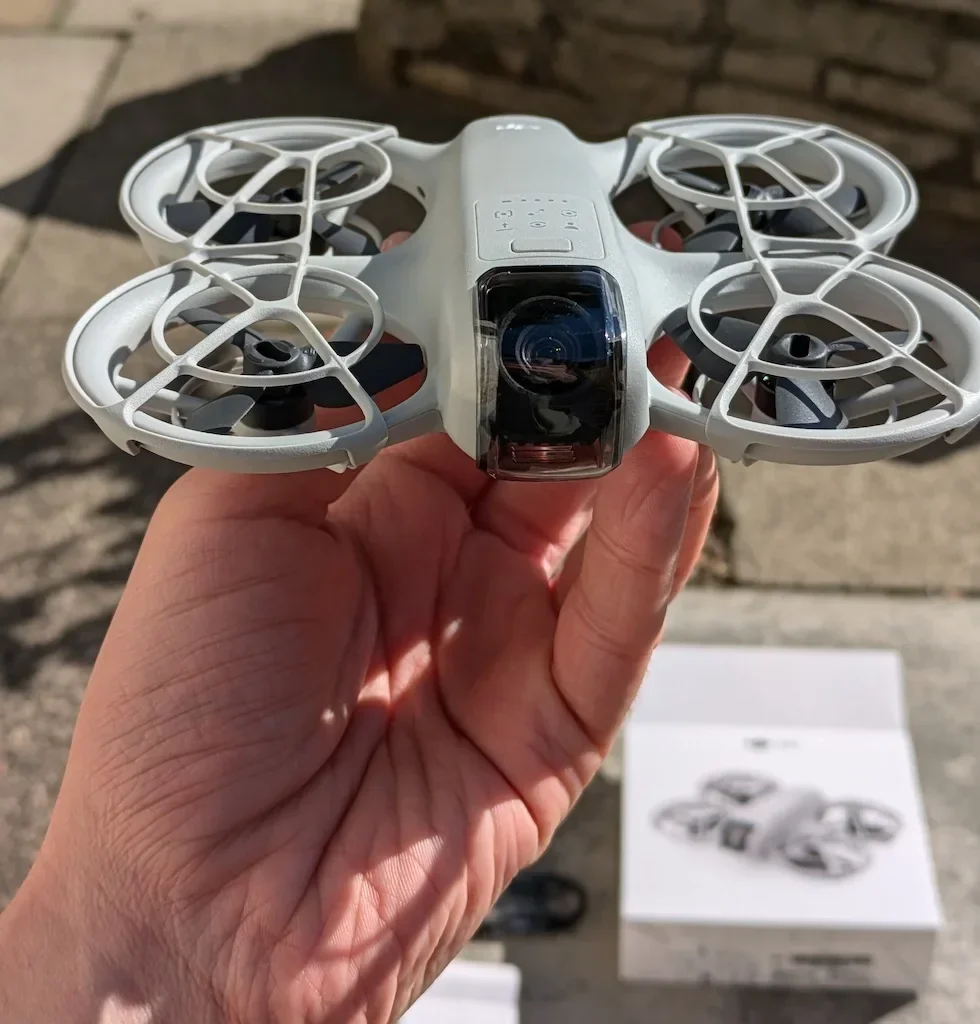
If your DJI Neo 2 keeps braking on a clean line of sight, or you want it to brake automatically when the sensors spot something in the flight path, the setting you are looking for is Manual Obstacle Avoidance inside DJI Fly.
The toggle is one tap deep into the Safety menu and decides what the drone does when the forward LiDAR or the omnidirectional vision sensors see an obstacle during pilot-driven flight. Most drone pilots leave it on Brake for everyday flying, switch to Bypass when they want APAS to plan a path around things, and only turn it Off for a deliberate close-range shot.
Quick guide
To enable or disable Manual Obstacle Avoidance on the DJI Neo 2, go to DJI Fly → Settings → Safety → Manual Obstacle Avoidance. Tap Bypass or Brake to enable the protection; tap Off to disable it and fly with raw stick response.
Step-by-step: How to Enable or Disable Manual Obstacle Avoidance on the DJI Neo 2
Follow these top to bottom the first time, and you will know the path off by heart the second time.
Open the DJI Fly Settings menu from the camera view
With the DJI Neo 2 powered on and connected to the DJI RC-N3 or your phone, tap the three dots in the top right of the camera view. The settings panel slides in with the category tabs down the left.
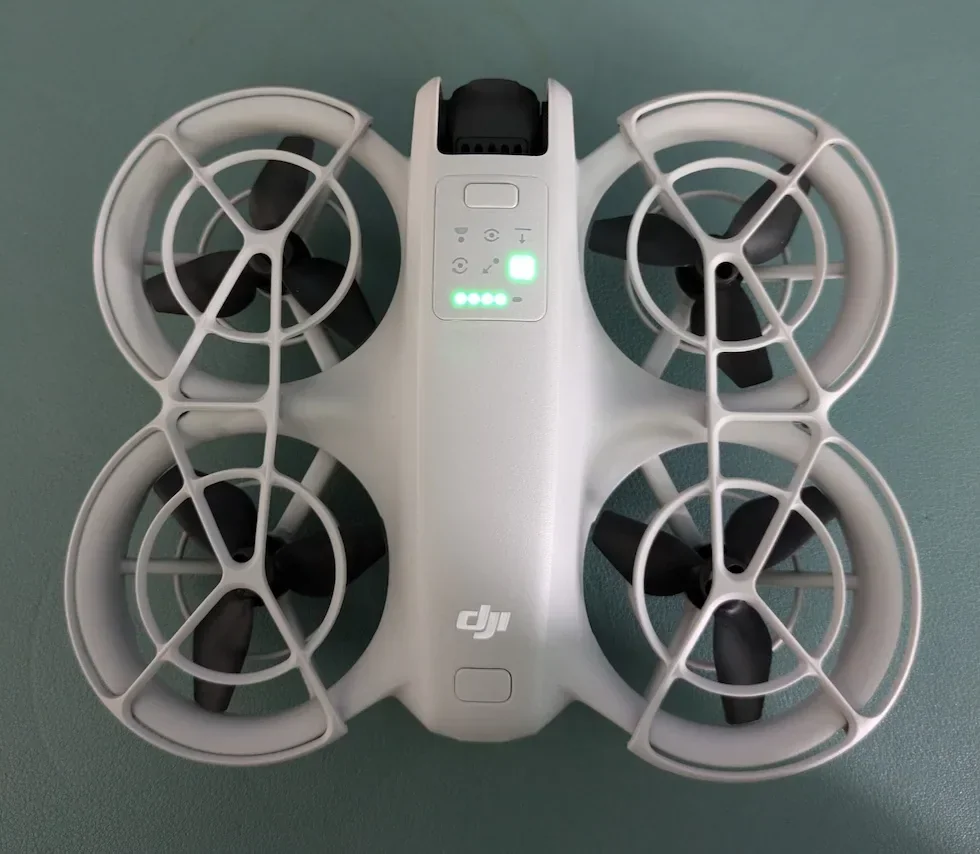
Tap the Safety category at the top of the Settings panel
Safety is the first tab down the left of the settings panel, above Control. Tap it and the right-hand pane updates to show the obstacle avoidance, RTH, and flight protection options for the DJI Neo 2.
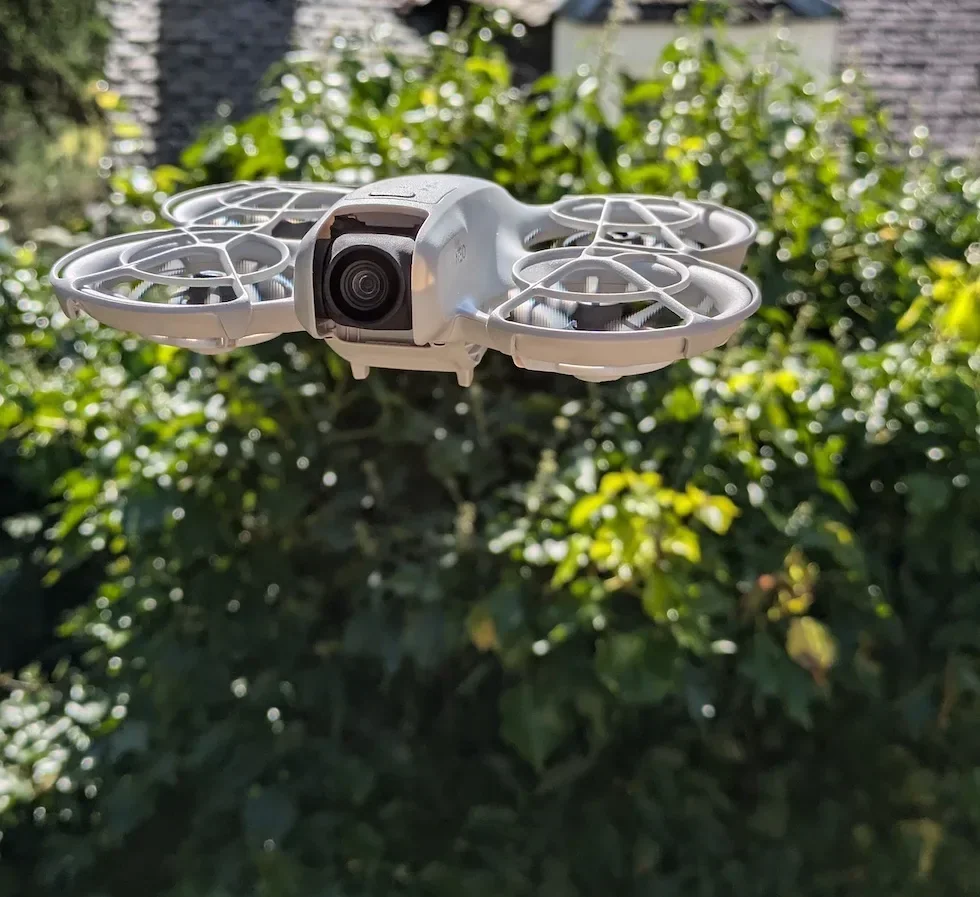
Find the Manual Obstacle Avoidance row at the very top of Safety
Manual Obstacle Avoidance is the first row inside Safety — no scrolling needed. The current state, either Bypass, Brake, or Off, is displayed on the right of the row.
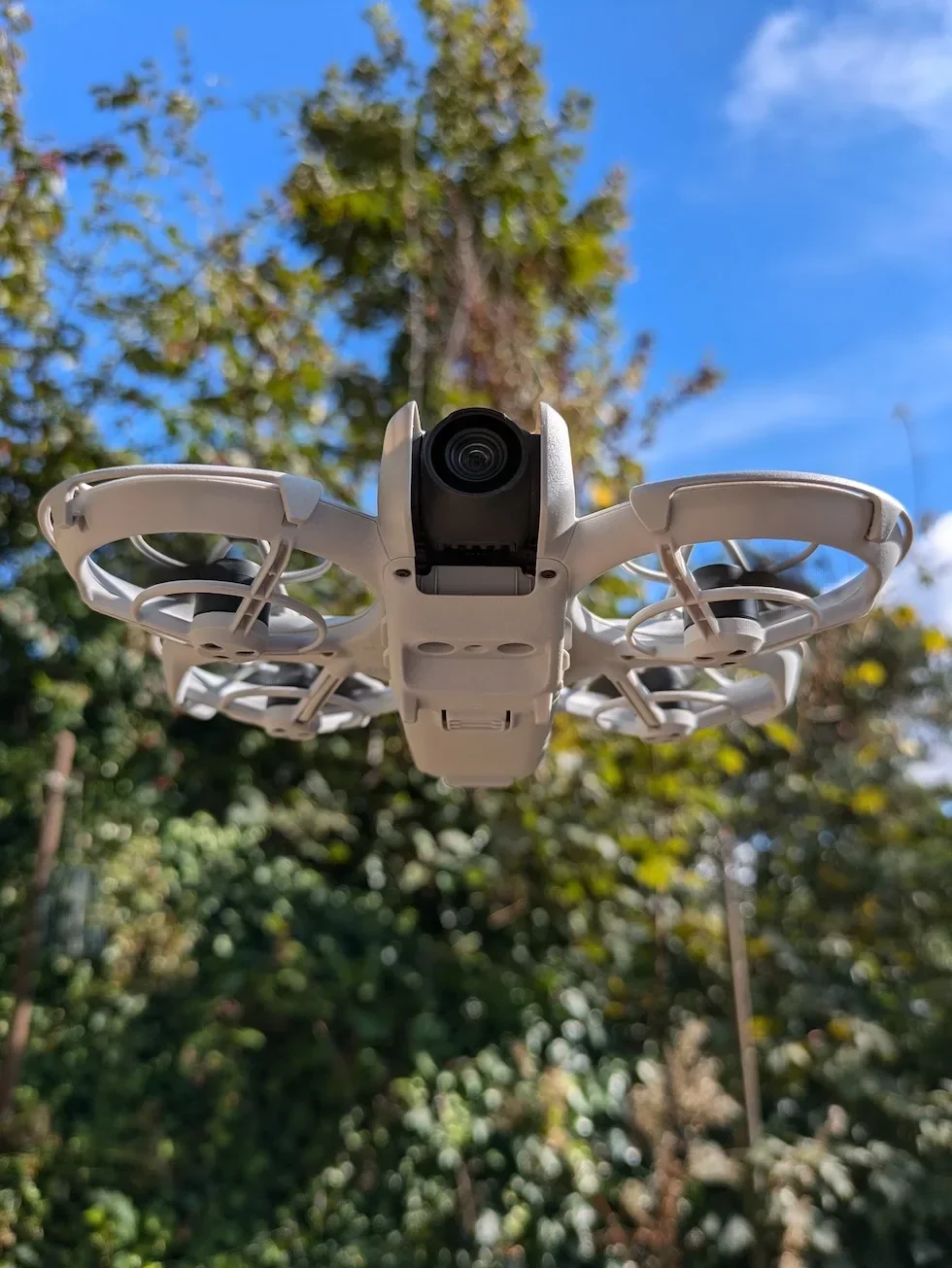
Tap Brake to enable the standard hover-and-wait protection
Brake is the default and the safest pick for everyday flying. When the sensors see an obstacle the drone brakes hard and hovers, then waits for you to centre the sticks and decide what to do next.
Tap Bypass to let APAS plan a path around the obstacle
Bypass enables Advanced Pilot Assistance Systems. The drone keeps moving and plans a new path around what it sees, instead of stopping. A second row appears underneath labelled Bypassing Options with two choices, Normal and Nifty.
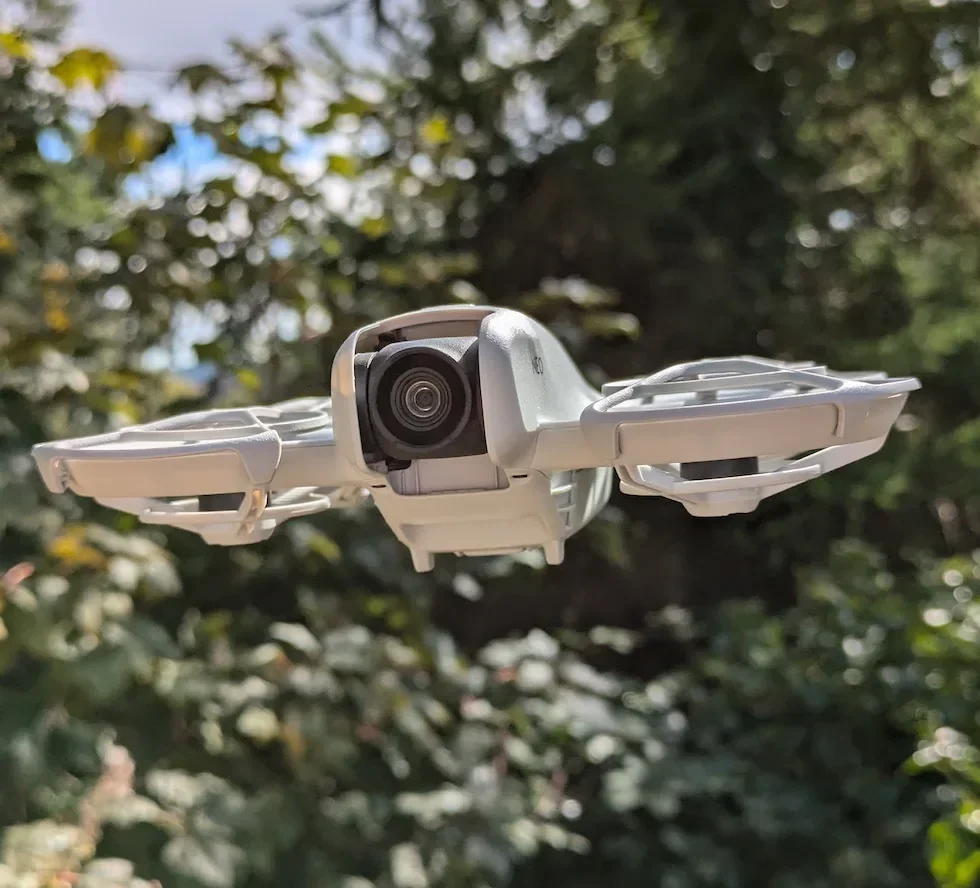
Pick Normal or Nifty inside Bypassing Options
Normal gives the drone a wider buffer and a calmer flight around obstacles. Nifty flies faster, smoother, and closer to obstacles for tighter footage but the crash risk genuinely is higher in Nifty, so start in Normal and only switch when you have a shot that needs the tighter path.
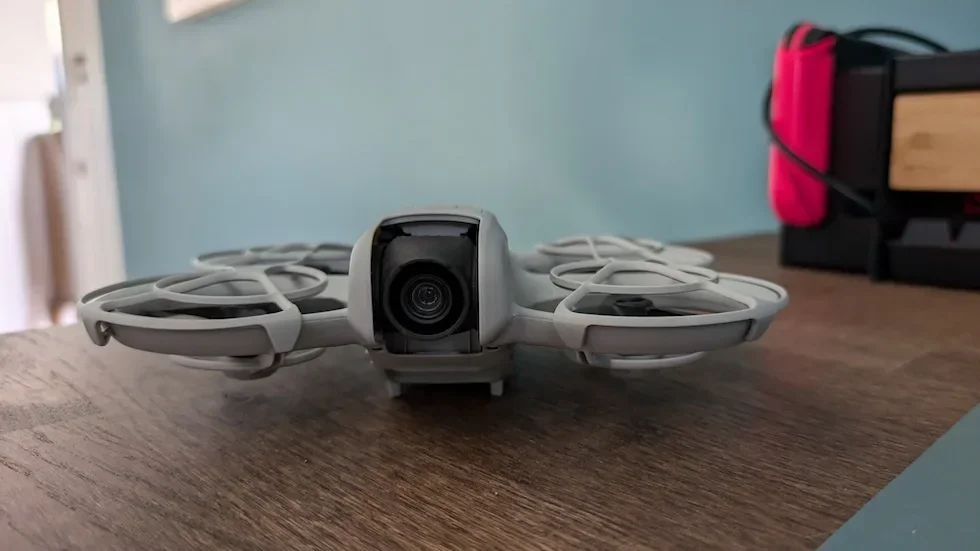
Tap Off to disable Manual Obstacle Avoidance
Off switches the sensors out of the manual flight loop. The drone takes no obstacle action during pilot-driven flight and follows your stick inputs straight into whatever sits in front of the camera, so only flip this when you have a deliberate close-range pass in mind.
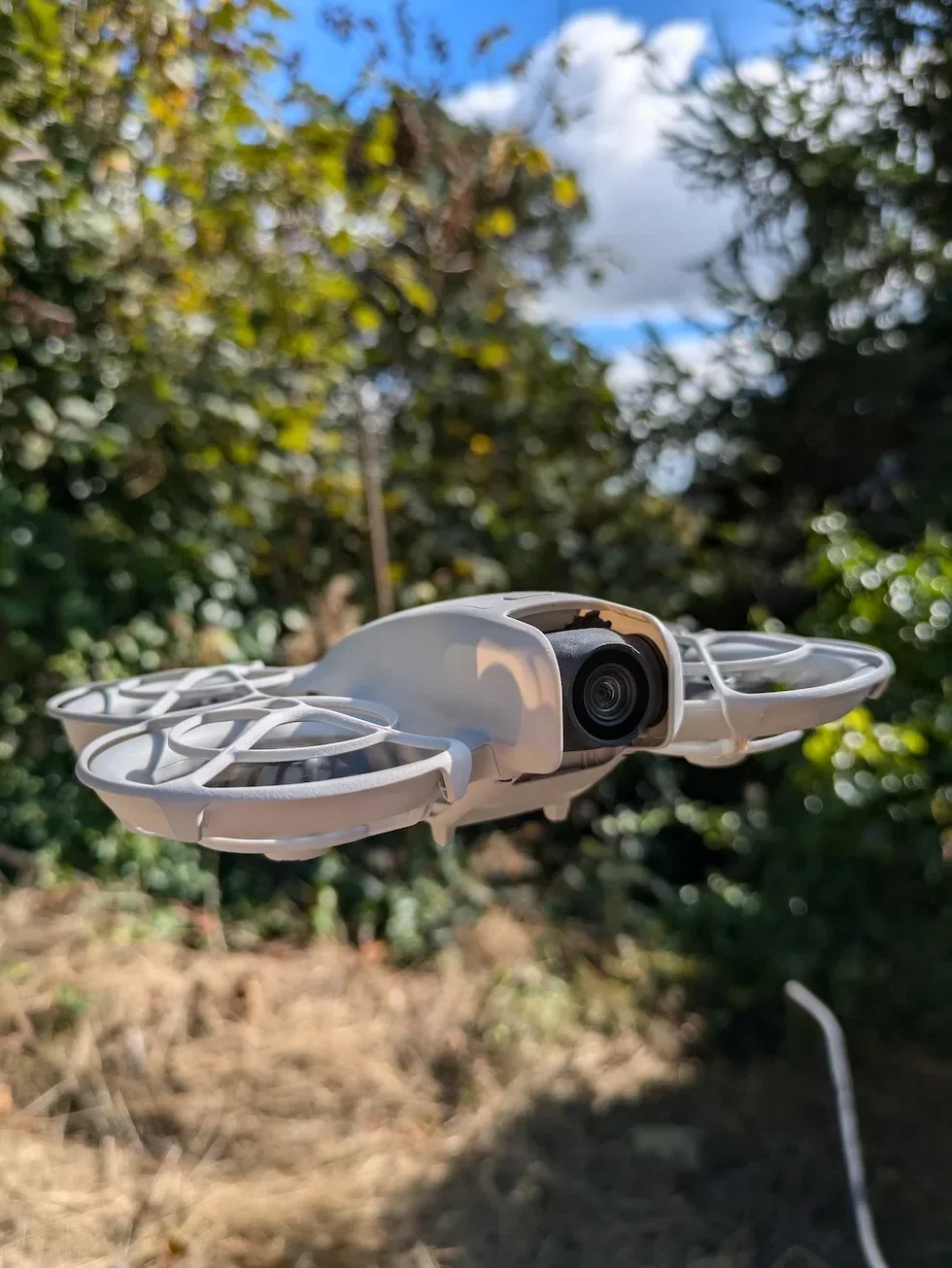
Back out of Safety and confirm the state on a slow test flight
Exit the Safety menu and fly a slow ten-second hover with a soft obstacle a couple of metres in front of the drone. Watch the camera view in DJI Fly to confirm the drone behaves the way the setting you chose says it should before you commit to a real shot.
Peter's tip
I leave Brake on for everything bar two situations — a planned close-range reveal where a sudden hover would kill the shot, and a tight gap that the sensors are going to read as a wall. For those, I switch to Off, fly the one pass, and tap straight back to Brake before the next take. Leaving the protection off because Brake annoyed you once is how you write off a Neo 2.
Manual Obstacle Avoidance on vs off — what changes
| State | What the drone does when it sees an obstacle | Best for |
|---|---|---|
| On (Bypass or Brake) | Brake stops the drone in a hover until you centre the sticks. Bypass plans a path around the obstacle and keeps moving using APAS. | Everyday flying, learning the drone, flights over uneven ground, anything where a missed obstacle would write off the drone. |
| Off | The drone takes no obstacle action during pilot-driven flight. Stick inputs flow straight to the motors with no override from the sensors. | Deliberate close-range shots, threading a gap the sensors will misread, tight reveals where a sudden brake would ruin the move. |
Frequently asked questions
Is Manual Obstacle Avoidance on by default on the DJI Neo 2?
Yes — the DJI Neo 2 ships with Manual Obstacle Avoidance enabled and the obstacle avoidance action set to Brake. The drone brakes and hovers when the forward LiDAR or the omnidirectional vision sensors detect something in the flight path. You have to go into Settings and tap Off to switch the feature out of the manual flight loop.
What is the difference between Bypass and Brake on the DJI Neo 2?
Bypass lets the drone fly around the obstacle using APAS — it plans a new path and keeps following your stick input. Brake stops the drone in a hover when an obstacle is detected and waits for you to centre the sticks. Bypass keeps you moving; Brake is the safer default if you are still learning the drone.
When should I switch Manual Obstacle Avoidance off on the DJI Neo 2?
When you want fully predictable stick response — flying close to a structure for a deliberate clearance shot, threading the drone through a gap that the sensors will read as a wall, or filming a tight reveal where a sudden brake would ruin the move. Switch it back on as soon as the deliberate close-range pass is finished.
Does Manual Obstacle Avoidance work in Sport mode on the DJI Neo 2?
No — obstacle avoidance is disabled automatically in Sport mode regardless of how Manual Obstacle Avoidance is set in DJI Fly. Sport mode unlocks the full speed and turns the sensors out of the loop so the drone responds instantly to stick input. Fly Normal or Cine mode when you want the obstacle protection in play.
What is the difference between Normal and Nifty inside Bypass on the DJI Neo 2?
Normal gives the drone a wider buffer around obstacles and flies the bypass path at a calmer speed. Nifty flies faster, smoother, and closer to obstacles for tighter footage but increases the risk of clipping something that the sensors fail to read. Start in Normal and only switch to Nifty when you have a deliberate shot that needs the tighter path.
Why is Manual Obstacle Avoidance not stopping my DJI Neo 2 from hitting things?
The vision system needs good light and clean sensor glass to work. Obstacle avoidance struggles with thin objects like tree branches and power lines, glass and water surfaces, and very dark or very bright scenes. Even with the toggle on Brake or Bypass, fly with caution near branches, fences, wires, and reflective surfaces — the sensors cannot guarantee a stop.
Does Manual Obstacle Avoidance affect ActiveTrack, Spotlight, and QuickShots on the DJI Neo 2?
Spotlight follows the Manual Obstacle Avoidance setting — Bypass or Brake controls how the drone reacts when you fly it manually under the gimbal lock. ActiveTrack and the other FocusTrack and QuickShot modes bypass obstacles automatically regardless of how Manual Obstacle Avoidance is set, because the drone is planning its own path during those modes.
Does Manual Obstacle Avoidance need to be on for Return to Home to work on the DJI Neo 2?
No — RTH uses its own obstacle handling. The RTH path will brake and hover if it detects an obstacle that the set RTH altitude does not clear. The Manual Obstacle Avoidance toggle only governs how the drone reacts to obstacles during pilot-driven flight, not during an automated RTH.
Manual Obstacle Avoidance is a thirty-second setting that decides whether the Neo 2 protects itself or follows your sticks blind. Leave it on Brake for everyday flying, switch to Bypass when you want APAS to plan around things, and only turn it Off for a deliberate close-range pass.
Got a Neo 2 that brakes on something the camera cannot see, or a Bypass routine that flew too close on Nifty? Drop a note to peter@hiredronepilot.uk with the message DJI Fly is showing and I will come back to you directly. If you prefer the video version of this walkthrough, the comments are open on YouTube.
References
Primary source material for this article is the official DJI Neo 2 documentation and DJI Fly. External links open in a new tab.
- DJI Neo 2 — Downloads (User Manual, Quick Start Guide, firmware notes) · §4.4 Vision System and LiDAR, §4.5 Advanced Pilot Assistance Systems — the Manual Obstacle Avoidance menu path, Bypass / Brake / Off behaviour, and Bypassing Options Normal versus Nifty.
- DJI Neo 2 — Product page (UK) · Drone hardware overview, forward-facing LiDAR and omnidirectional monocular vision sensors that feed the obstacle avoidance logic.
- DJI Fly — App download and release notes · The app where the Manual Obstacle Avoidance row and the Bypassing Options sub-menu live. Release notes record any menu reshuffles between versions.
Peter Leslie
Founder & GVC Drone Pilot
Peter is the founder of HireDronePilot. With thousands of logged commercial flight hours, he writes about drone technology, commercial surveying tactics, and UK aviation compliance.
Connect on LinkedIn