UK Drone Class Marking Explained: C0 to C6 and UK0 to UK6
Peter Leslie
27 Apr 2026
Key Takeaways
- A class mark is the manufacturer’s declaration that a drone meets a UK or European safety standard, and the mark is what now decides which Open Category sub-category the drone may fly in
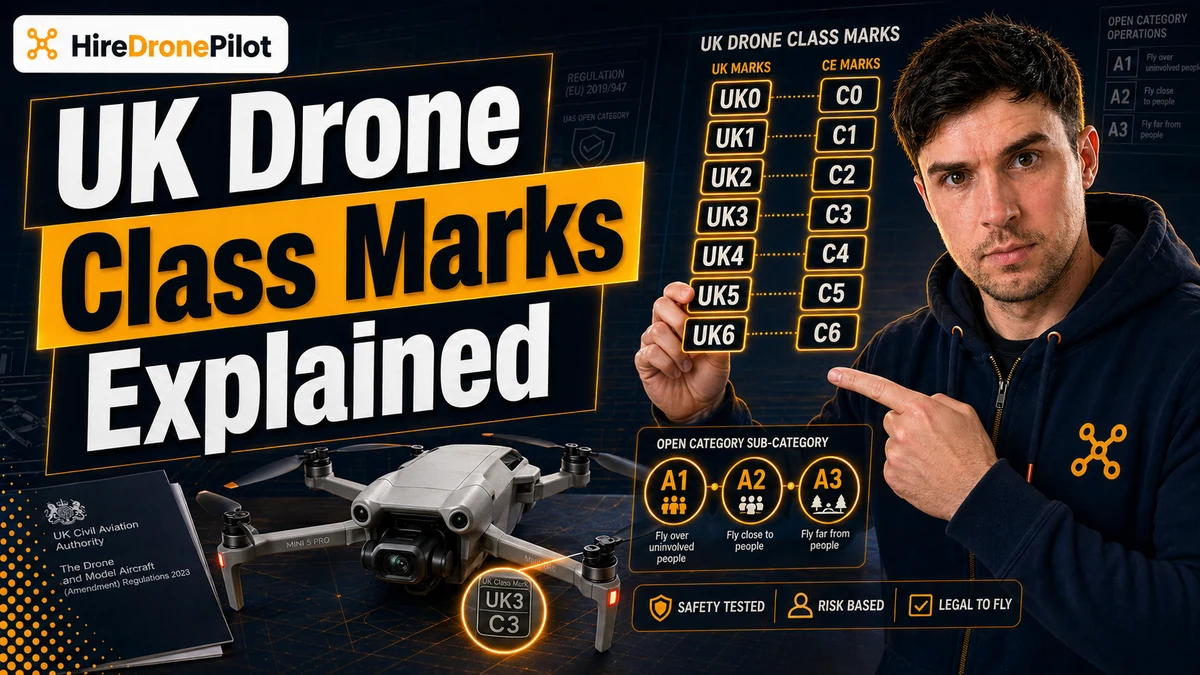
- UK class marks run UK0 through UK6 and the retained European C class marks run C0 through C6, and the two systems pair off one to one until 31 December 2027
- UK0 and UK1 keep you in A1 over people, UK2 unlocks A2 with an A2 Certificate of Competence, and UK3 and UK4 are restricted to A3
- From 1 January 2026 every new drone model placed on the UK market must carry a UK class mark, and from 1 January 2028 European C-class drones drop back to legacy weight rules
- UK5 and UK6 are the heaviest classes and sit outside the Open Category entirely — flying one needs an Operational Authorisation in the Specific Category
A class mark is the small alphanumeric sticker on a drone’s spec plate that decides which slice of UK drone law applies to it. Two systems run in parallel right now: UK class marks (UK0 through UK6) and retained European C class marks (C0 through C6). They pair off one to one, they decide whether you may fly over people or have to stay 50 metres clear, and one half of the pair has a hard expiry date sitting at the end of 2027.
This is the topic that catches everyone the first time they buy a drone. The class mark is not optional decoration. It is the single thing that determines whether your drone is legal to fly in your back garden, in a residential street, or only on an empty field 150 metres from the nearest building.
A class mark is the manufacturer’s declaration that a drone meets a defined safety standard, and that declaration is what unlocks the friendlier sub-categories
A class mark is a label affixed to the drone’s spec plate by the manufacturer at the point of sale. It declares that the drone meets a specific set of safety, weight, and design standards laid down in UK Regulations (EU) 2019/945. The CAA does not award the mark. The manufacturer self-certifies, and the law treats the sticker as proof that the drone is what the manufacturer says it is.
What the mark does for you in practice is decide which sub-category of the Open Category your drone is allowed in. There are three: A1 (over people), A2 (near people), and A3 (far from people). Each sub-category has its own buffer rules, altitude rules, and people-and-property rules. The smaller the class number, the friendlier the rule set you sit inside.
If a drone has no class mark and was made before 1 January 2026, it is treated as legacy, and the law falls back to the older weight-based rules: under 250g sits in A1, under 2kg in A2 (with an A2 Certificate of Competence), and under 25kg in A3. The legacy fallback is on borrowed time. It is the path the law takes when no class mark is available, not a permanent feature of the system.
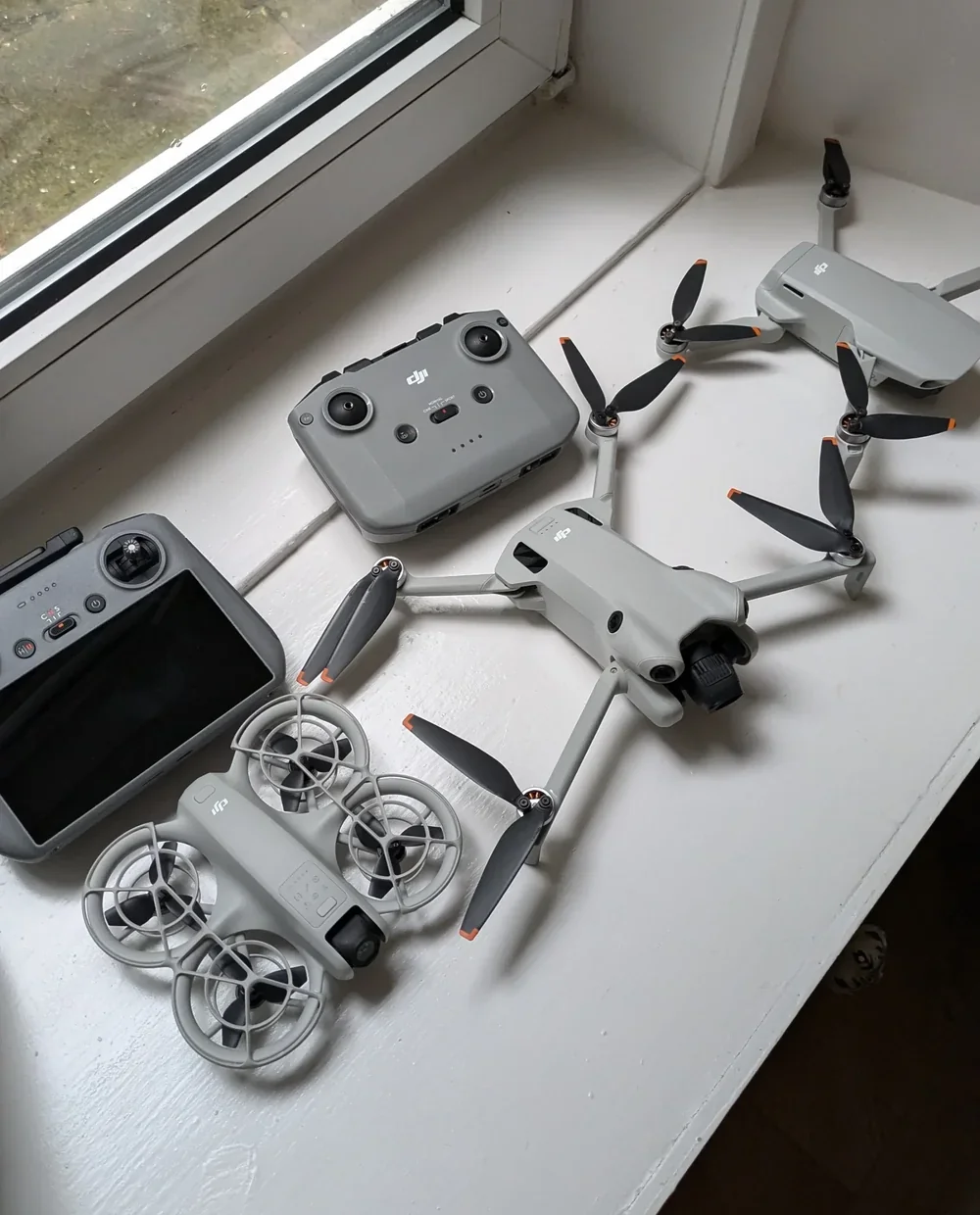
The UK runs two parallel class systems — UK0 through UK6 and the retained European C0 through C6 — and the two pair off one to one
After Brexit the UK retained the European class-marking framework rather than scrapping it. The result is two systems that look almost identical and that the law treats as functionally equivalent. UK class marks are the post-2026 framework — UK0, UK1, UK2, UK3, UK4, UK5, and UK6. European C class marks are the retained EU framework — C0, C1, C2, C3, C4, C5, and C6. The numbers carry the same weight bands and unlock the same sub-categories.
Until 31 December 2027 a C-class drone may be flown as if it were the corresponding UK class. A C0 drone flies under UK0 rules. A C1 drone flies under UK1 rules. The mapping is exact and the regulator treats them as interchangeable for the duration of the transition period.
The weight bands the two systems share are worth memorising, because every legal question that follows is answered by reading off the row that matches your drone:
| UK class | European equivalent | Maximum weight (incl. payload) | Open sub-category |
|---|---|---|---|
| UK0 | C0 | Less than 250g | A1 (over people) |
| UK1 | C1 | Less than 900g | A1 (over people) |
| UK2 | C2 | Less than 4kg | A2 with A2 CofC, otherwise A3 |
| UK3 | C3 | Less than 25kg, max dimension less than 3m | A3 (far from people) |
| UK4 | C4 | Less than 25kg | A3 (far from people) |
| UK5 | C5 | Less than 25kg | Specific Category — needs Operational Authorisation |
| UK6 | C6 | Less than 25kg, max dimension less than 3m | Specific Category — needs Operational Authorisation |
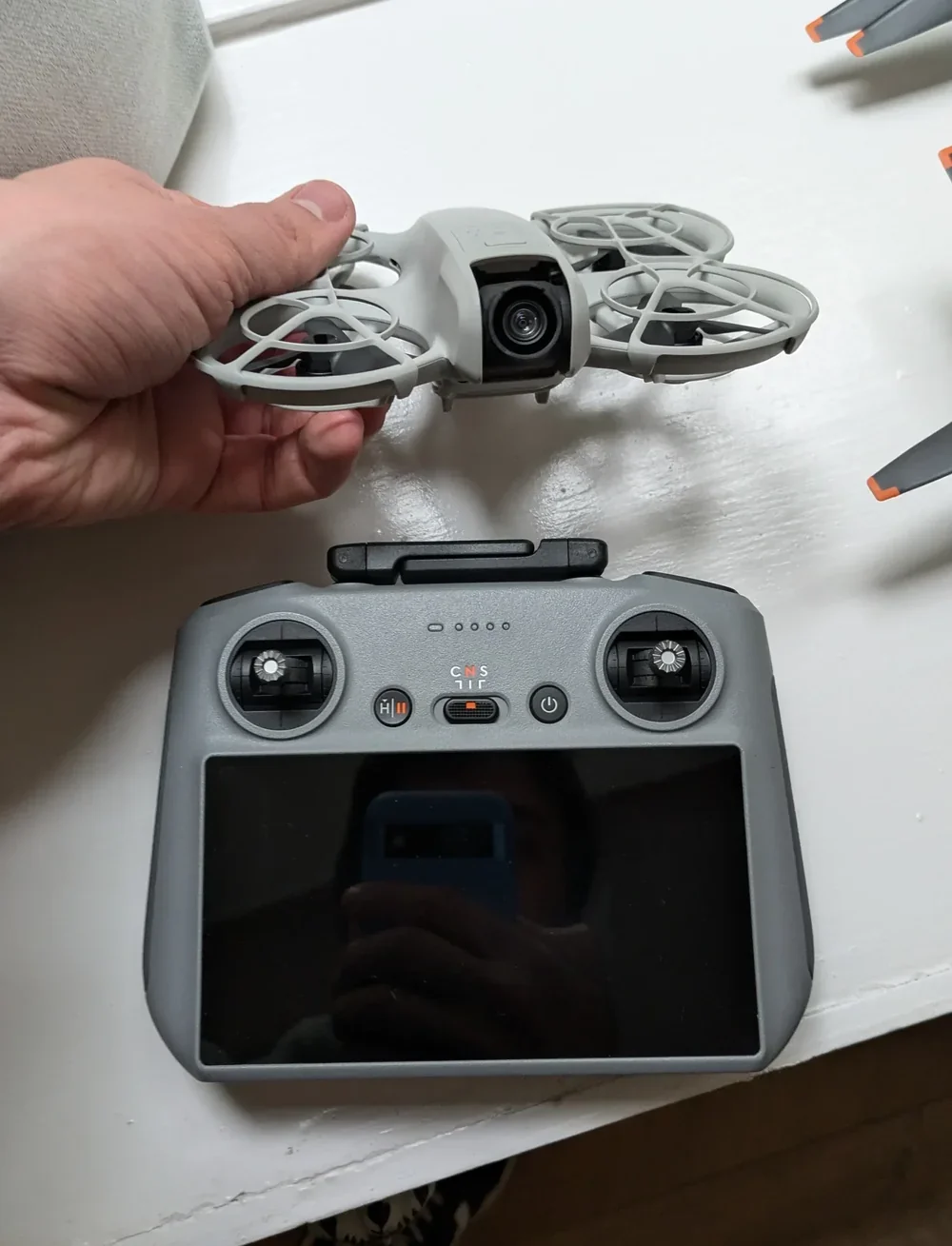
The class number you carry decides which sub-category you may fly in, and that single fact controls every distance and people-buffer rule that follows
The friendliest bracket in UK drone law is A1, the Over People sub-category. A drone marked UK0 or UK1 (or, until the end of 2027, C0 or C1) may fly in residential streets, over uninvolved members of the public, and inside the 50-metre buffer that A3 drone operators have to respect. The hard rule that still applies is no flying over crowds — assemblies of people are off-limits at any altitude in the Open Category — and the 120-metre altitude ceiling holds across the board. The full picture for the UK1 weight band sits in our guide to what a C1 label drone actually means, including the 900-gram cut-off and the practical limits.
UK2 (and C2) sits in the middle. It unlocks the A2 Near People sub-category, but only for drone operators who hold the A2 Certificate of Competence. Without that qualification, a UK2 drone is restricted to A3 — the Far from People rules, which require a 50-metre horizontal buffer from anyone uninvolved and a 150-metre buffer from residential, recreational, commercial, or industrial areas. The A2 CofC is what closes the gap between those two rule sets, and for many drone operators it is the single most useful exam to take.
UK3 and UK4 are A3-only territory. The 25-kilogram weight band is the upper limit of the Open Category, and the buffer rules are firm. If you want a quick comparison of what each class buys you in practice, the benefits of C0, C1, C2, C3 and C4 drone class marks spoke walks through the trade-offs for each band.
From 1 January 2026 every new drone model placed on the UK market must carry a UK class mark, and the European C-class concession ends on 31 December 2027
The transition timetable is the part of class marking most likely to bite a buyer. Three dates matter, and they all sit close enough together that drone operators planning a kit purchase need to read them carefully.
1 January 2026 is when every new drone model placed on the UK market has to carry a UK class mark. Manufacturers cannot ship into the UK retail channel without it. This is the date the UK class system stopped being a future commitment and started being the working framework. Drones already on shop shelves before that date can still be sold and flown under whatever mark they were manufactured with — the rule applies to new models placed on the market, not to existing inventory.
31 December 2027 is the end of the European C-class concession. Until that date a drone carrying a C-class mark may be flown as its UK equivalent. After it, the C class mark is no longer recognised as a UK class mark for flying purposes.
1 January 2028 is the cliff edge for European-marked drones. From that point a C-class drone becomes a legacy drone and falls back to the weight-based Open sub-categories. A C1 drone you bought in 2025 to fly in A1 will still be legal in the UK after 2028 — but the rules it flies under switch from class-based to weight-based, and that move can quietly shrink the friendliest bracket out from under you. The 2026-to-2028 timeline, including what happens to drones bought during the transition, sits in the UK drone class marking 2026 transition guide.
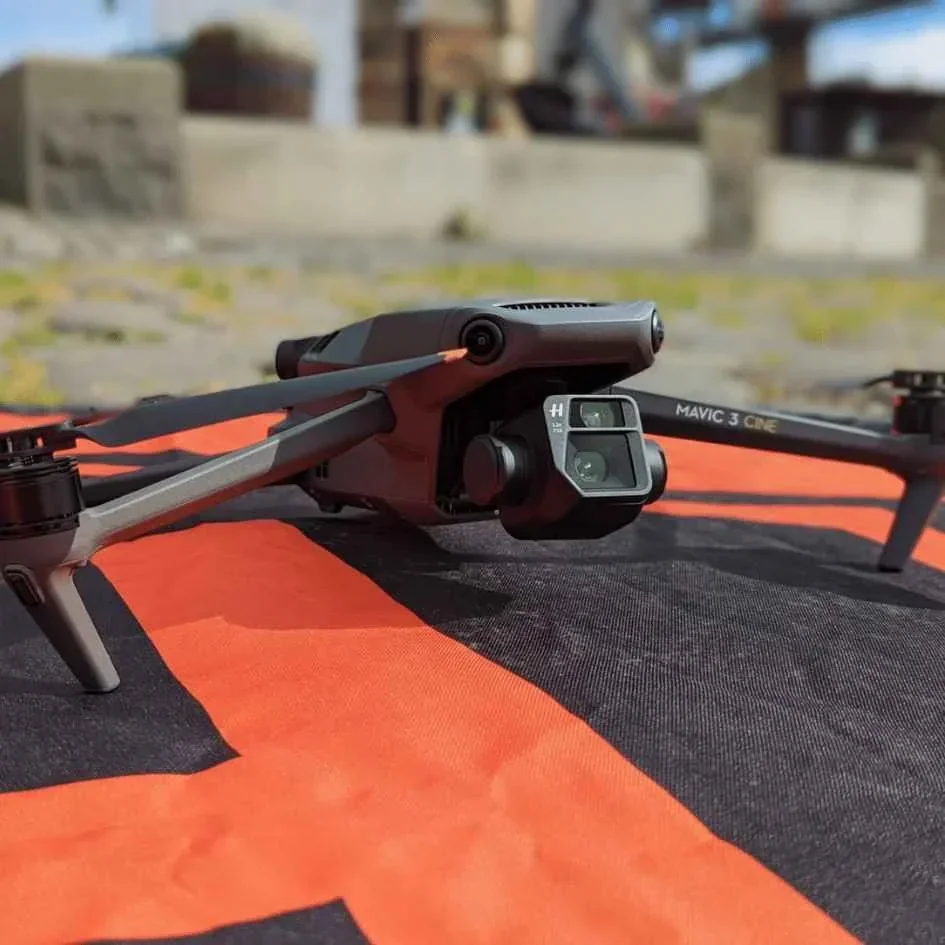
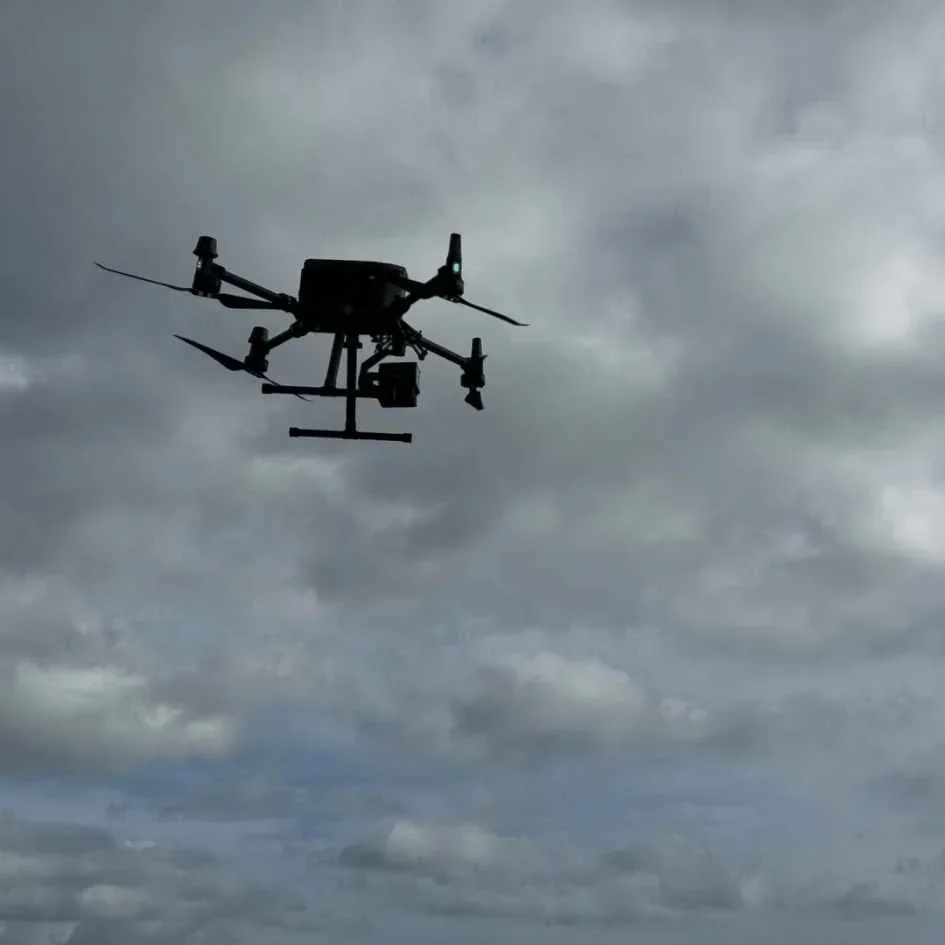
UK5 and UK6 sit outside the Open Category and require an Operational Authorisation in the Specific Category
UK5 and UK6 are the heavyweights of the system. Both sit at the 25-kilogram ceiling, and both fall outside the Open Category entirely. A drone carrying either mark cannot be flown under A1, A2, or A3 rules. It needs an Operational Authorisation issued by the CAA, which lives in the Specific Category framework.
In practice this is the bracket that covers commercial heavyweights — survey platforms with multi-kilogram payloads, agricultural sprayers, lift-and-deliver designs, BVLOS-capable hardware. The drone drone pilots who fly this kind of equipment have built up the qualifications and the Operations Manual to back it. UK5 and UK6 are not consumer marks. If the drone you are looking at carries one, the buying decision and the licensing decision are the same conversation.
UK6’s extra restriction — a maximum dimension under 3 metres — exists because the larger a drone gets, the more conservatively the regulator has to write the airworthiness rules around it. The 3-metre cap distinguishes UK6 from UK3, which carries the same dimension limit at the lighter A3 end of the system.
What each class actually unlocks, from C0 through to C4
Every class number is a trade — more weight and capability bought against more buffer rules. Here is what each band gives you in practical terms.
C0 is the friendliest rule set in UK drone law. Under 250 grams, no Flyer ID needed if there is no camera, and the right to fly over uninvolved people in residential areas. Almost every sub-250g consumer drone you can buy slots into this band.
C1 keeps you inside A1 over people up to 900 grams, and is the sweet spot for a serious camera drone that still flies legally in a busy street. The trade is the kinetic-energy ceiling and a stricter speed limit, but for most commercial-grade compact drones this is the bracket you want.
C2 is the only class that unlocks A2 near people — flying within 30 metres of an uninvolved person — but only if the pilot holds the A2 Certificate of Competence. Without that qualification, a C2 drone is effectively an A3 drone, with the 50-metre buffer attached.
C3 and C4 are A3-only classes for serious payload drones. The trade-off is a permanent 50-metre buffer from uninvolved people and 150 metres from any built-up area. These are the bands surveying and inspection platforms typically sit in.
C1 in particular — the 900-gram bracket and the DJI Avata 2 example
C1 is the class most consumer buyers actually deal with, because it is where the popular mid-weight camera drones land. The label is a European class mark for drones with a maximum take-off mass under 900 grams including payload, and it is what allows a drone to be flown in the A1 sub-category — permitting flight over uninvolved people but never over crowds or assemblies.
Until 31 December 2027 a C1 drone is flown in the UK as if it carried a UK1 mark, and the rules are identical. From 1 January 2028 the concession ends and a C1 drone falls back to the legacy weight-based Open sub-categories. That matters because a 700-gram C1 drone drops out of A1 entirely under legacy rules — the sweet spot the C1 mark bought you closes without the drone itself changing.
The DJI Avata 2 is one of the consumer drones already shipping with a C1 mark, and the mark is what unlocks its A1-over-people privileges in the UK. If you are looking at a C1 drone in 2026 or 2027, factor in what happens to it in 2028 before you commit.
When the C-class concession ends — the 2028 fallback and the retrofit market
From 1 January 2028 every European C-class drone becomes legacy in the UK and falls back to the older weight-based Open sub-categories. That is the cliff. A drone that was happily flying in A1 under its C1 mark may find itself routed into A3 overnight, with the 50-metre buffer attached, simply because it weighs over 250 grams.
Existing pre-2026 inventory and second-hand drones are not banned. The "placement on market" rule applies to new models, not to drones already in circulation. So a 2024-vintage drone sitting on a shelf in 2026 can still be sold and flown — it just sits in whatever legacy band its weight puts it in.
Retrofit class-marking is at the manufacturer’s discretion, and the CAA does not oversee the retrofit process. That makes 2026 and 2027 a buyer-beware window for anyone shopping the C-class market — a retrofit mark issued by the manufacturer is valid where issued, but there is no public registry to cross-check it. Ask the manufacturer for confirmation in writing if the mark looks recent or aftermarket.
Find the class mark on the spec plate and check it before you buy second-hand — modifications can quietly bump the drone into a stricter sub-category
A class mark is a physical sticker on the drone’s spec plate. The mark sits next to the manufacturer name, the model number, and the serial number, and it is the first thing to look for on a drone you are thinking about buying. Online retailer listings should display the mark in the technical specifications block — inconsistent listings (mark on the box but not on the listing, or vice versa) are a red flag worth checking against the physical drone before you complete the purchase.
Two practical traps catch drone operators who do not pay attention to the mark. The first is second-hand purchases. A pre-2026 drone bought from a private seller may carry a C class mark, no class mark at all, or — increasingly — a UK retrofit mark that the manufacturer has issued separately. Retrofitting is at the manufacturer’s discretion. The CAA does not oversee the process and there is no guarantee a given drone qualifies. Verify the mark before you hand over the money.
The second trap is modification. The class mark is tied to the drone’s maximum take-off mass as declared by the manufacturer. If you bolt on a heavier battery, an aftermarket payload, or anything else that pushes the take-off mass above the band the mark was issued under, the drone has effectively moved up a class. A UK1 drone modified to weigh more than 900 grams is no longer a UK1 drone. The legal sub-category narrows around it, and the drone operator carries that risk personally. The full sub-250g law explainer goes deeper on the specific case where the 250-gram threshold matters most.
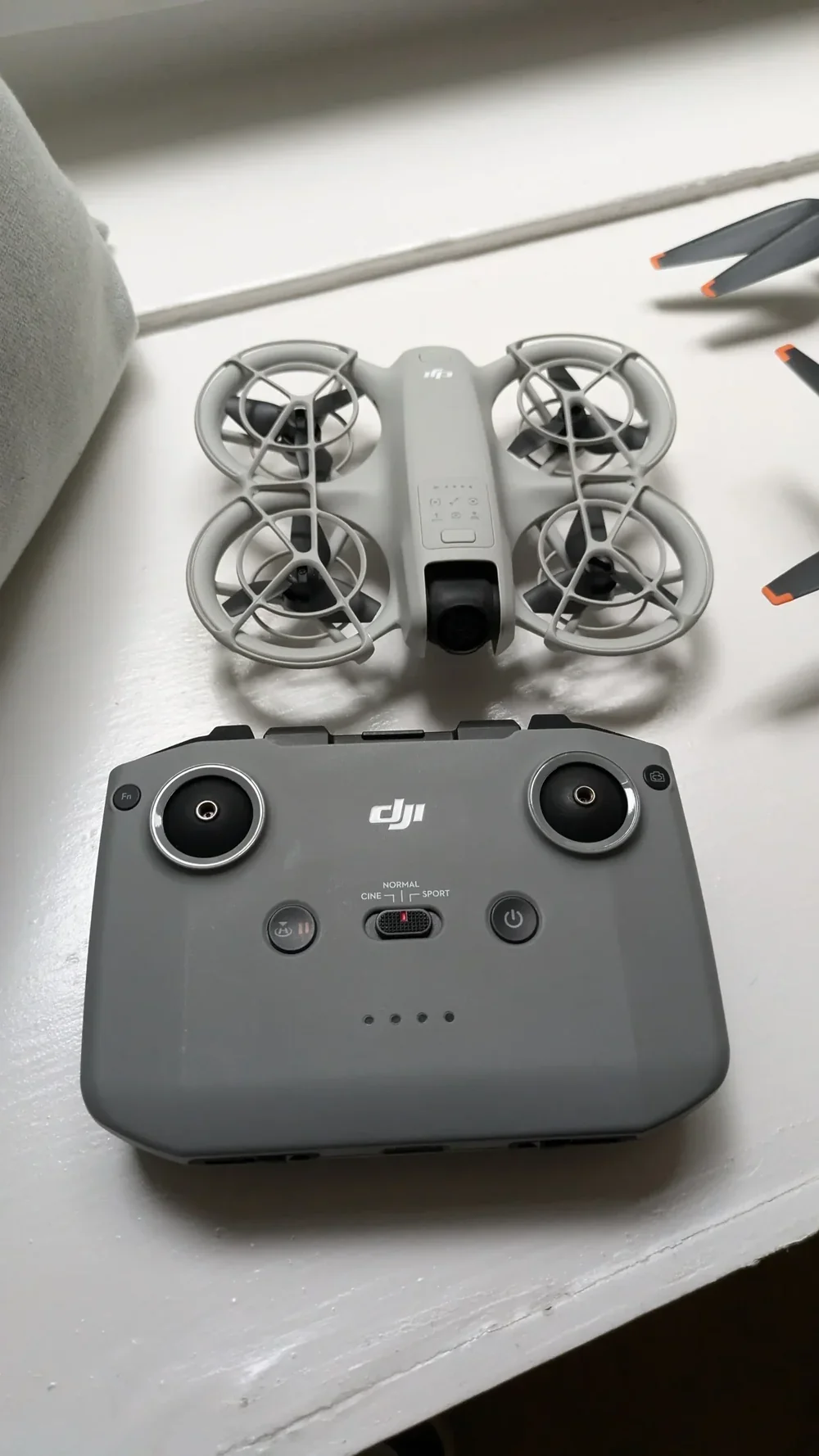
Class marking is the single piece of UK drone law that almost every other rule routes through. The buffer you owe to uninvolved people, the qualifications you need to carry, the weight you can fly without an Operational Authorisation — all of them read off the class mark first. Buying a drone in 2026 means reading the spec plate before you read the spec sheet.
If you are weighing up a specific drone, the best sub-250g drones for 2026 roundup walks through the most popular UK0 and C0 options.
Got a class-mark question that is not answered here — an unfamiliar marking, a borderline weight, a drone you are about to buy second-hand? Drop a note to peter@hiredronepilot.uk and I will come back to you directly. If you prefer the video version of this explainer, the comments are open on YouTube.
References
Primary source material for this article is the UK Civil Aviation Authority. External links open in a new tab.
- UK CAA — Class Marks · UK0 to UK6 and C0 to C6 weight bands, sub-category mapping, transition dates
- UK CAA — Where You Can Fly (A1, A2, A3 sub-categories) · Open Category sub-category rules, distances, altitude ceiling
- UK CAA — The Drone and Model Aircraft Code (CAP2320) · people buffers, altitude rules, no-overflight of crowds
- UK CAA — UK Regulatory Framework for Drones · UK Regulations (EU) 2019/945 and 2019/947, Air Navigation Order 2016
- UK CAA — Specific Category Overview · Operational Authorisation route for UK5 and UK6 class drones
Peter Leslie
Founder & GVC Drone Pilot
Peter is the founder of HireDronePilot. With thousands of logged commercial flight hours, he writes about drone technology, commercial surveying tactics, and UK aviation compliance.
Connect on LinkedIn