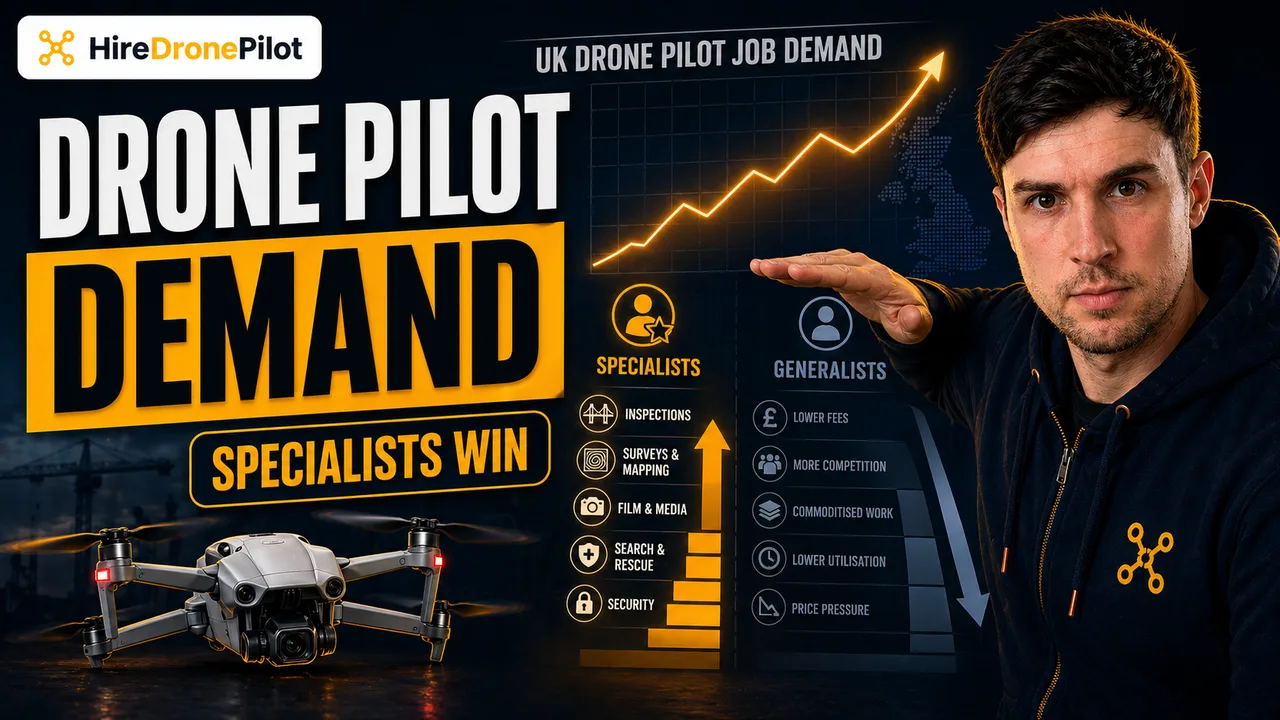
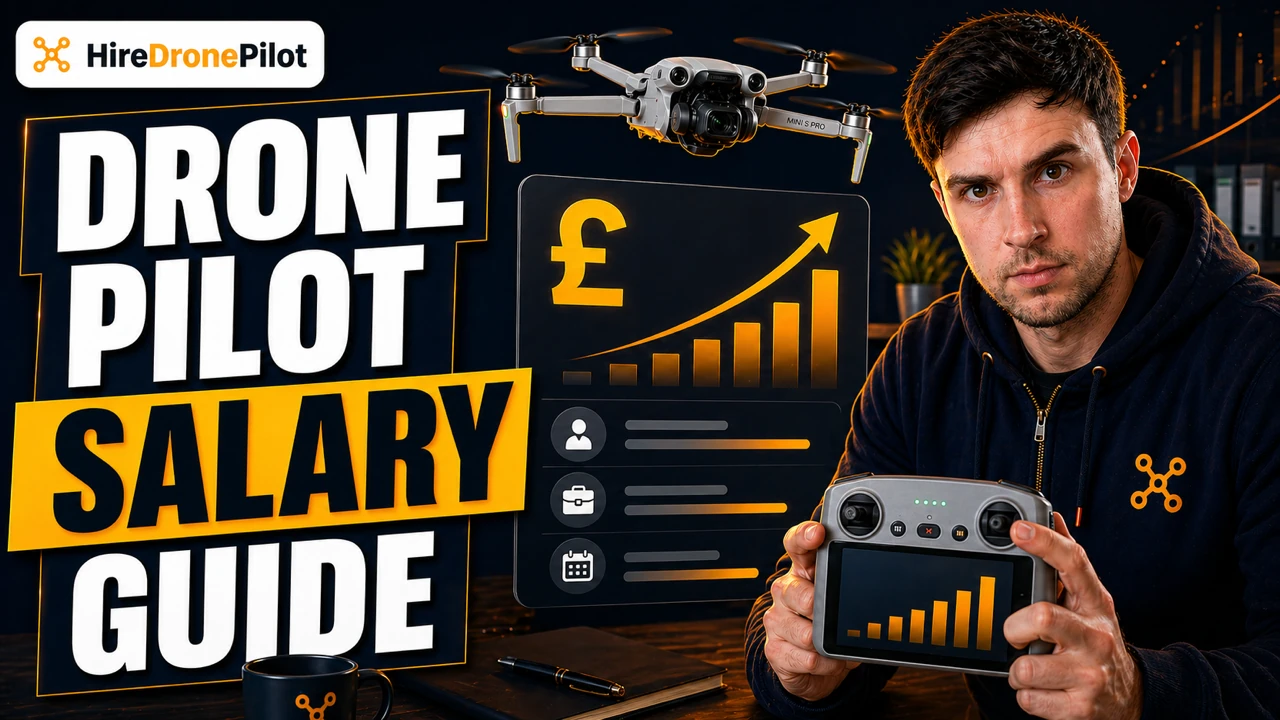
UK Drone Pilot Salary Guide: What Employed and Freelance Rates Really Look Like

Peter Leslie
12 Sept 2025
Key Takeaways
- Full-time UK drone pilots typically earn between £30,000 and £45,000, with specialist in-house roles in energy, infrastructure, and broadcast clearing £50,000
- Freelance drone pilot day rates in the UK range from roughly £400 to £800 for generalist work, and £1,000 to £1,500 for specialist datasets or technical inspections
- The saturation in the market is concentrated at the low end — generalist aerial photography is the hardest place to earn a full-time income in 2026
- Advanced certifications — thermography, photogrammetry, LiDAR processing, RPC-L2 for BVLOS — are the single biggest lever on take-home earnings
- Winter is now the hardest freelance season in a saturated market, and sensible drone operators use it for upskilling and equipment maintenance rather than panicking about the revenue dip
UK drone pilot salaries are not a single number. They split cleanly into two pictures. The first is a full-time salaried drone operator in an in-house team at an energy, infrastructure, or media company — stable, pensionable, with holiday and sick pay. The second is a freelancer running their own drone business, which in twenty twenty six is a market where the generalists are fighting on price and the specialists are still comfortably clearing fifty thousand pounds a year.
This guide walks through the numbers for both paths, what moves them up, and which route makes more sense depending on the qualifications the drone pilot holds and the sector they are targeting.
Full-time UK drone pilot salaries typically land between £30,000 and £45,000 with specialist roles clearing £50,000
In-house drone roles have become the quietly attractive option over the last couple of years. The trend of major construction, energy, and broadcast firms building internal drone teams has moved a meaningful share of repeat work off the freelance market and into permanent positions.
| Role / experience | Employment type | Typical pay scale |
|---|---|---|
| Entry-level drone pilot | Full-time (annual) | £30,000 – £35,000 |
| Experienced drone pilot | Full-time (annual) | £35,000 – £45,000 |
| Senior / specialist drone pilot | Full-time (annual) | £45,000 – £50,000+ |
| General freelance work | Freelance (day rate) | £400 – £800 |
| Specialist freelance work | Freelance (day rate) | £1,000 – £1,500+ |
The companies that hire full-time tend to cluster in the same sectors: energy, infrastructure, construction, broadcast, and large-scale survey firms. They are buying consistency — the same drone operator, working inside the same safety-management system, delivering the same format data every time. That stability is attractive to a drone pilot tired of running their own invoicing and chasing late-paying clients.
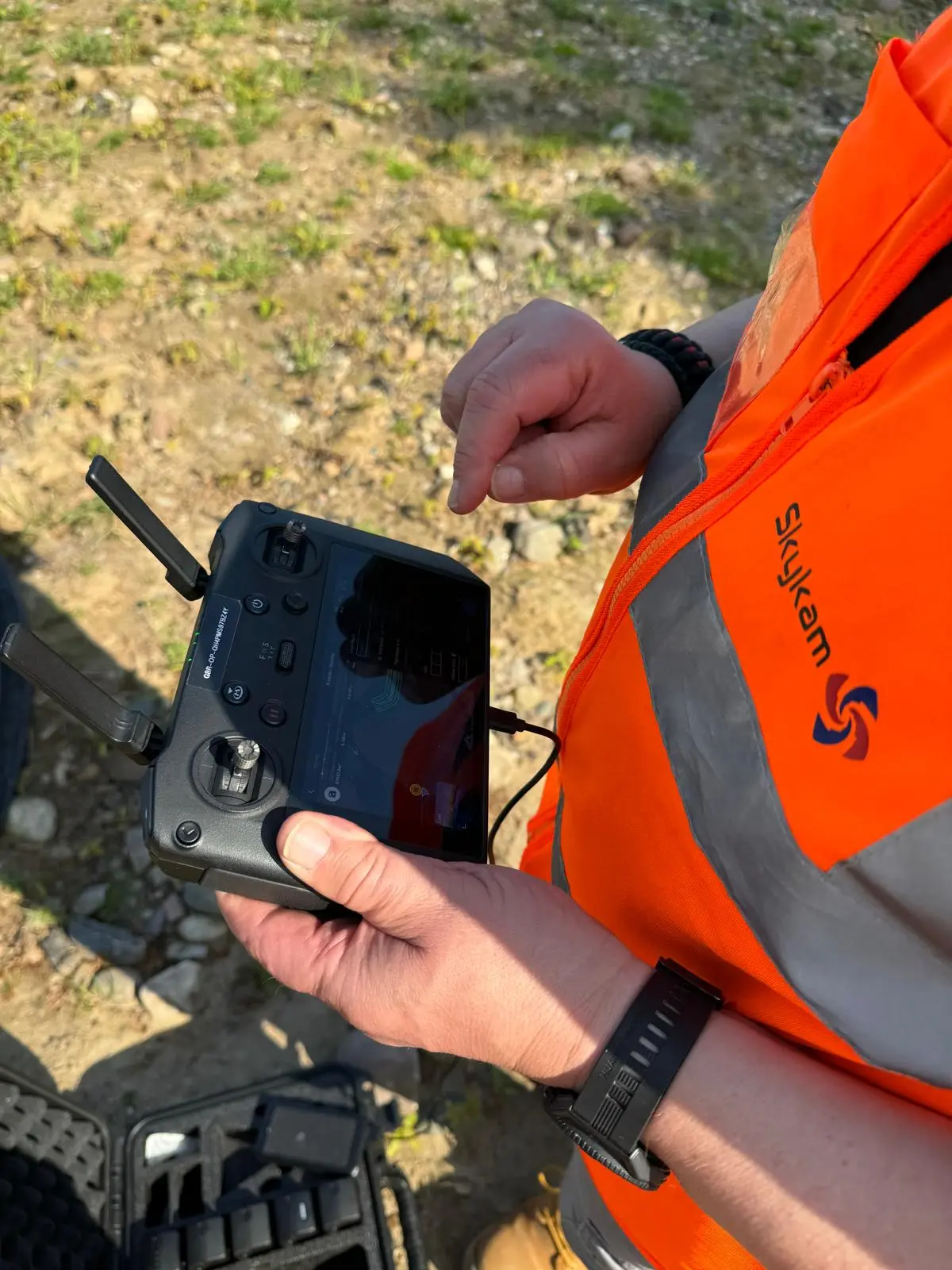
Freelance day rates span £400 to £1,500 and the gap is almost entirely about specialisation
On the freelance side, the picture is less rosy at the generalist end and still very healthy at the specialist end. Day rates for basic drone photography work — estate-agent shoots, small commercial sites, social-media clips — sit in the £400 to £800 band and they have been under downward pressure for a couple of years because the supply of sub-250g drone operators is high.
Specialist freelance day rates tell a different story. Technical inspections, thermography, precision drone surveys, LiDAR capture, and broadcast-grade cinematography all sit in the £1,000 to £1,500-plus band, and the drone operators working those jobs are not the same drone operators losing estate-agent work to hobbyists. They are a different population entirely.
The biggest mistake new freelancers make is pricing their work against the hobbyist floor without understanding their own costs. A three-hundred-pound day rate is not profit — it is revenue before insurance, fuel, software subscriptions, and equipment depreciation. Drone pilots who do the maths on their overheads before they quote tend to survive; drone pilots who do not tend to leave the market within eighteen months.
Advanced certifications are the single biggest lever on take-home earnings
The gap between generalist and specialist earnings closes almost entirely with training. Holding a GVC or an A2 CofC puts a drone pilot in the commercial market. Holding the right specialist certifications on top of that — thermography to an industry standard, a Level 2 Remote Pilot Certificate for BVLOS work, a photogrammetry qualification, an Operations Safety Case — is what moves them to the specialist rate bracket.
The market pays for the certification because the certification certifies an output. A thermographer can produce a report an insurer will accept; a generalist drone pilot with a thermal camera cannot. A Level 3 Remote Pilot can operate BVLOS inside the Specific Category; a GVC holder cannot. The certification is not a badge — it is a permission to deliver a dataset the client otherwise could not buy.
For a drone operator planning a five-year career trajectory, the calculus is straightforward. Investing in a thermal certification or a LiDAR training course pays back within a handful of jobs at the specialist rate. Buying the newest DJI Mavic does not.
Sector choice shapes the salary curve far more than geography does
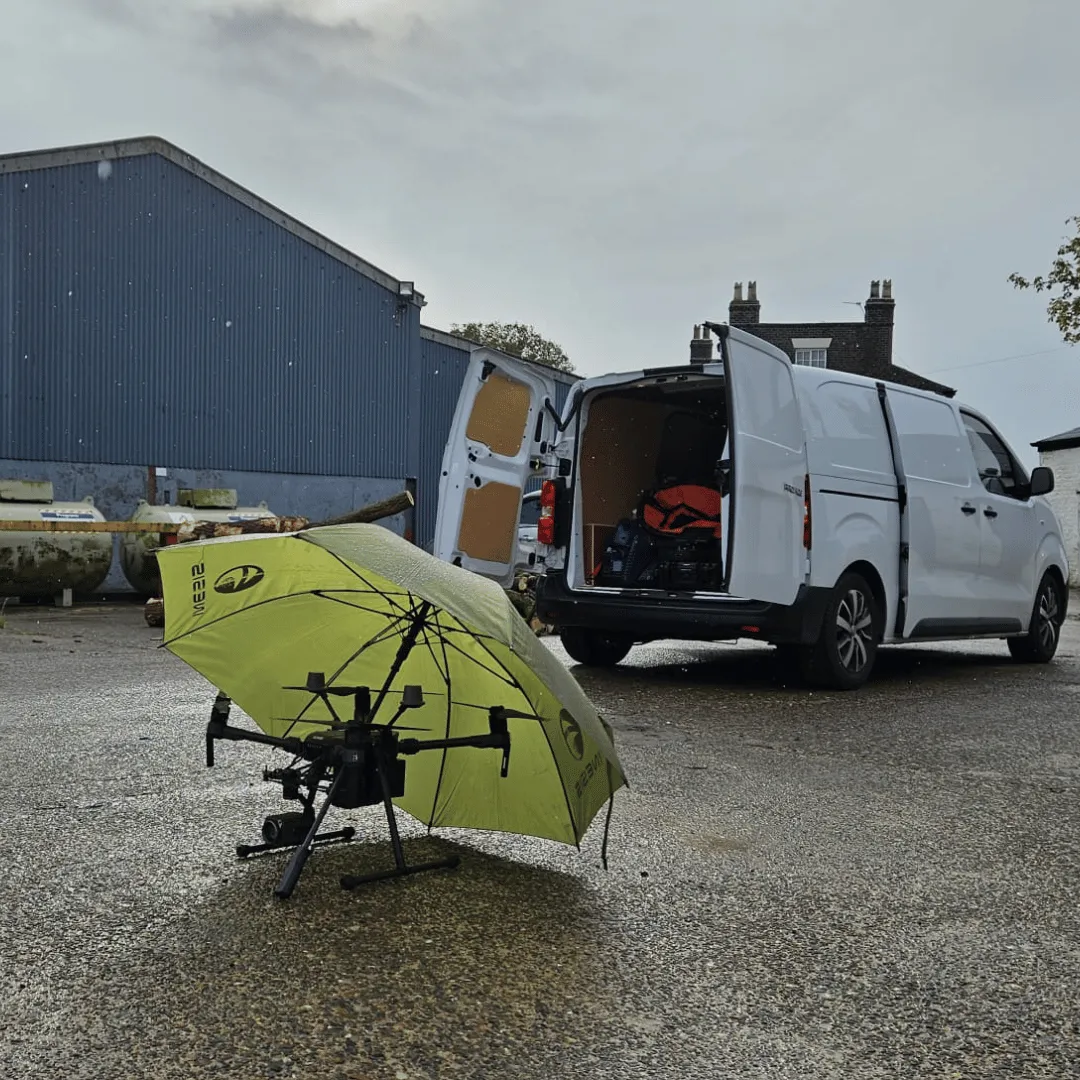
Drone pilot salary figures tend to be quoted as a single UK range, but the reality is that a drone operator's sector choice moves the number far more than their postcode. A drone pilot in construction and progress monitoring earns differently from a thermographer in energy, and both earn differently from a broadcast drone pilot on a film shoot.
Energy, utilities, and infrastructure sit at the top of the day-rate range because the assets are expensive, the downtime is expensive, and the tolerance for amateur output is zero. Construction and surveying sit in the upper-middle because repeat work is common and the deliverable matters but is not life-critical. Broadcast and film sit high on headline day rates but lower on hour volume, because shoots are intense but intermittent. Real estate and event work sit at the bottom because the barriers to entry are low and the supply is high.
The implication for a drone operator is to pick a sector early. Generalists do not scale; specialists do.
Freelance income is seasonal, and the winter dip is harder than it used to be
Almost every freelance drone pilot experiences a seasonal income curve. Summer — longer days, better weather, more outdoor productions — is peak. Winter is the dip. That has always been true; what has changed is how painful the dip now is in a saturated generalist market.
The drone operators who handle the winter well stop trying to maintain summer revenue through it and treat those months as the upskilling window instead. Service the kit. Take a specialist course. Rebuild the portfolio. Chase the annual-rate conversations that were never going to happen in August anyway.
That rhythm — specialist work in the busy months, certification and investment in the quiet months — is the single most reliable pattern I have seen for freelancers who survive the first five years.
BVLOS and autonomous-system work is where the next step-change in UK drone pilot earnings will come from
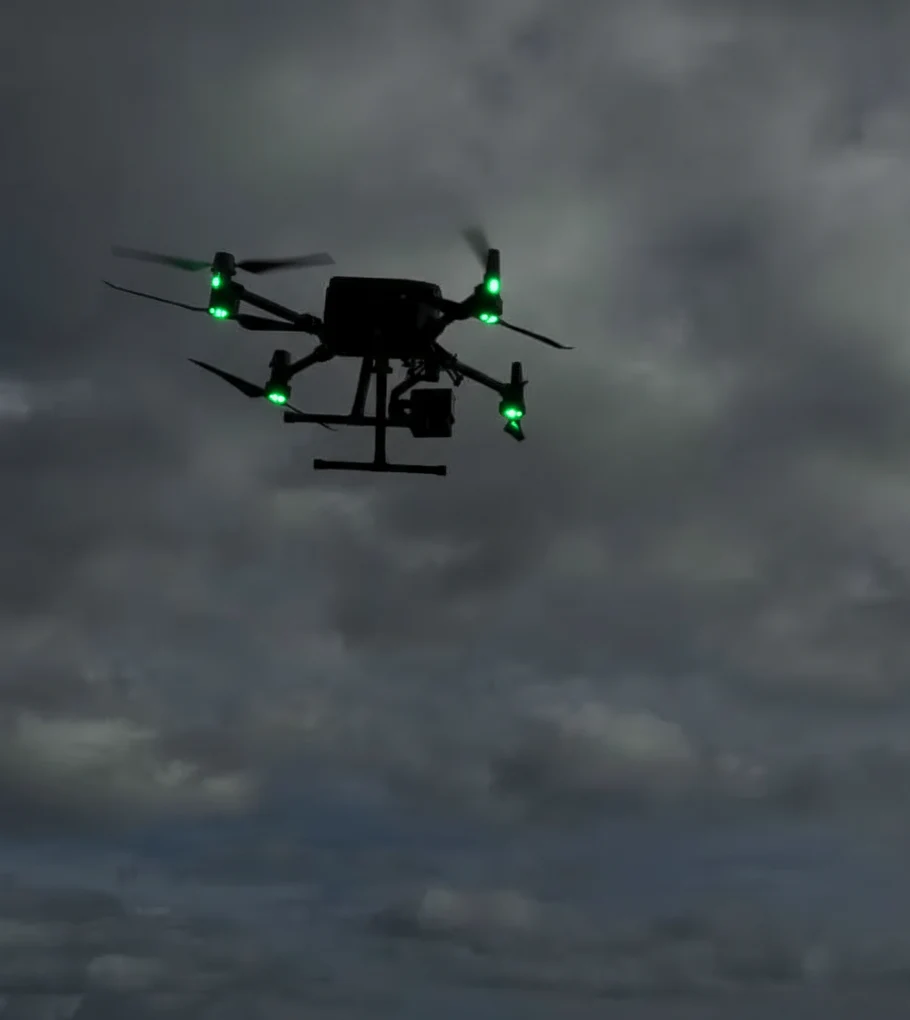
If the high-paying specialisms of the last five years were thermography, photogrammetry, and LiDAR, the next wave is Beyond Visual Line of Sight and autonomous-mission operations. The Specific Category framework, RPC-L2 and L3 qualifications, and the slow build-out of UK BVLOS authorisations are opening a lane of work that is structurally too regulated for the hobbyist market to enter.
Drone pilots moving now to add RPC-L2 on top of their GVC are positioning themselves for the next few years rather than the last few. The capital and training cost is not small, but the upside is a market niche where the supply is deliberately narrow.
It is also the niche most likely to survive the continued consumerisation of drones. The Specific Category does not let a hobbyist quietly step in the way A1 and A3 work does.
The short answer on UK drone pilot earnings is to pick a lane and specialise in it
Pulling the numbers together, the UK drone pilot earnings picture in twenty twenty six is not pessimistic — it is just bimodal. Generalist freelance work is painful. Full-time in-house roles are attractive and stable. Specialist freelance work, above the sensor threshold, is still paying drone operators comfortably.
For someone thinking about training costs and certification choices, the drone pilot training cost breakdown pairs with this article directly. For anyone wondering what demand actually looks like by sector, the demand article is the next step.
If you want a second opinion on which specialism to target given your existing qualifications and background, drop a note to peter@hiredronepilot.uk and I will come back to you directly. If you prefer the video version of this breakdown, the comments are open on YouTube.
References
Primary source material for this article is the UK Civil Aviation Authority. External links open in a new tab.
- UK CAA — Flying drones for work · Commercial drone work, operator responsibilities, insurance baseline
- UK CAA — GVC, RPC-L1, L2 and L3 · RPC hierarchy and BVLOS permissions that drive specialist salary tiers
- UK CAA — A2 Certificate of Competency · Entry-level commercial qualification for Near People work
- UK CAA — Beyond Visual Line of Sight · BVLOS authorisation framework for the next specialist tier
Peter Leslie
Founder & GVC Drone Pilot
Peter is the founder of HireDronePilot. With thousands of logged commercial flight hours, he writes about drone technology, commercial surveying tactics, and UK aviation compliance.
Connect on LinkedIn