RPC-L3: Advanced Competence Drone Licence Explained

Peter Leslie
16 Apr 2026
Key Takeaways
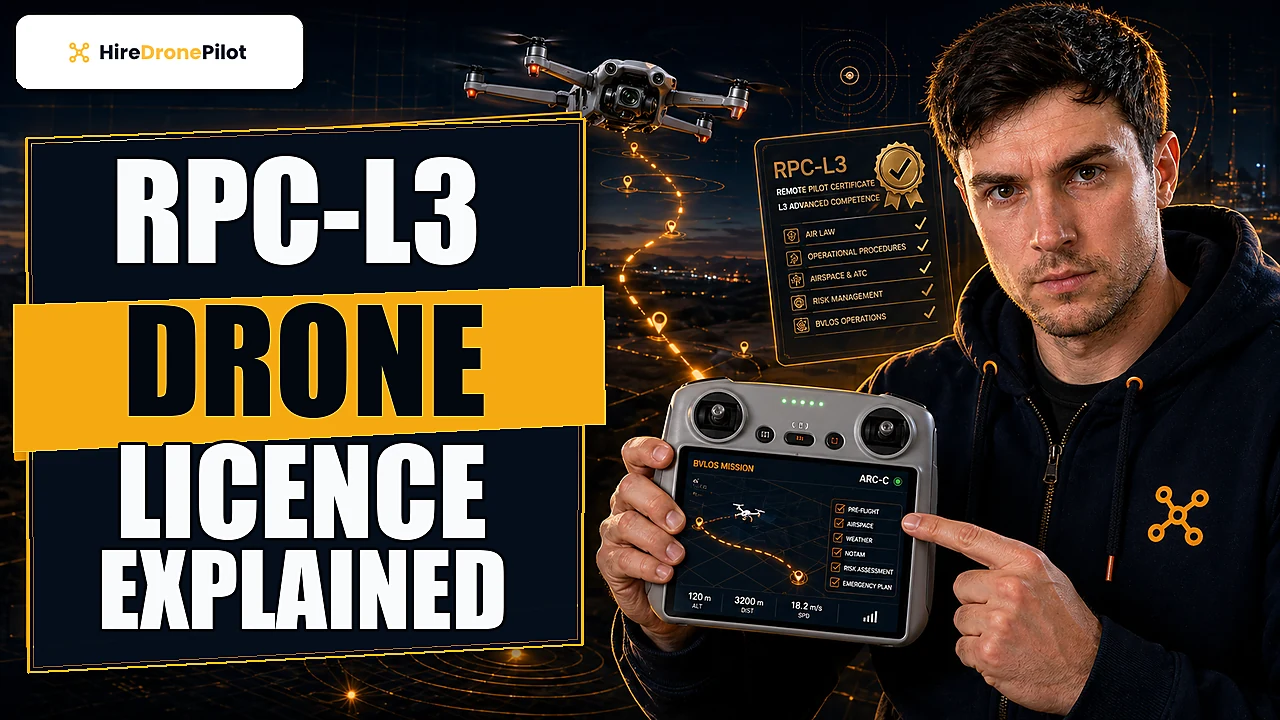
- RPC-L3 is the advanced Remote Pilot Certificate that authorises Beyond Visual Line of Sight flying up to Air Risk Class C, the step above RPC-L2's segregated ARC-a limit
- Entry conditions are a held RPC-L2, a same-category Flyer ID, a minimum of 50 logged BVLOS flight hours, a LAPL medical certificate, and a minimum age of 18
- RPC-L3 privileges cover non-segregated airspace shared with manned aircraft, which is why tactical mitigation becomes part of every flight plan
- The certificate is valid for three years and is always paired with a UK SORA-based Operational Authorisation that defines the exact scope of each operation
- For professional work like urban BVLOS, night BVLOS and long-range linear inspection, RPC-L3 is the qualification a client and the CAA both expect to see
The RPC-L3 is the advanced tier of the Remote Pilot Certificate framework, and it is the qualification that unlocks the kind of Beyond Visual Line of Sight work most drone pilots associate with full professional operations. It sits one rung above the RPC-L2, and the step up is not a paperwork exercise.
Where RPC-L2 confines you to segregated airspace, RPC-L3 lets you plan and fly in non-segregated airspace shared with other aircraft, inside the Specific Category, under a UK SORA Operational Authorisation. This article walks through what the certificate is, what it permits, and how it sits inside the wider Remote Pilot Certificate framework.
RPC-L3 is the advanced-competence tier of the Specific Category, built for BVLOS work in airspace where other aircraft fly
The Remote Pilot Certificate Level 3 is one of five qualifications the CAA recognises inside the Specific Category — alongside the General Visual Line of Sight Certificate, RPC-L1, RPC-L2, and the expert-tier RPC-L4. The progression is deliberate, and each level widens the airspace you are allowed to plan into.
RPC-L3 is the first tier in the framework where the phrase "advanced" is doing real work. It covers VLOS and BVLOS operations up to Air Risk Class C (ARC-c), which means your flight can legitimately be planned into airspace that other manned aircraft routinely use.
That single jump — from segregated ARC-a at RPC-L2 up to integrated ARC-c at RPC-L3 — is what separates this certificate from everything beneath it. It is also why the entry bar is so much higher.
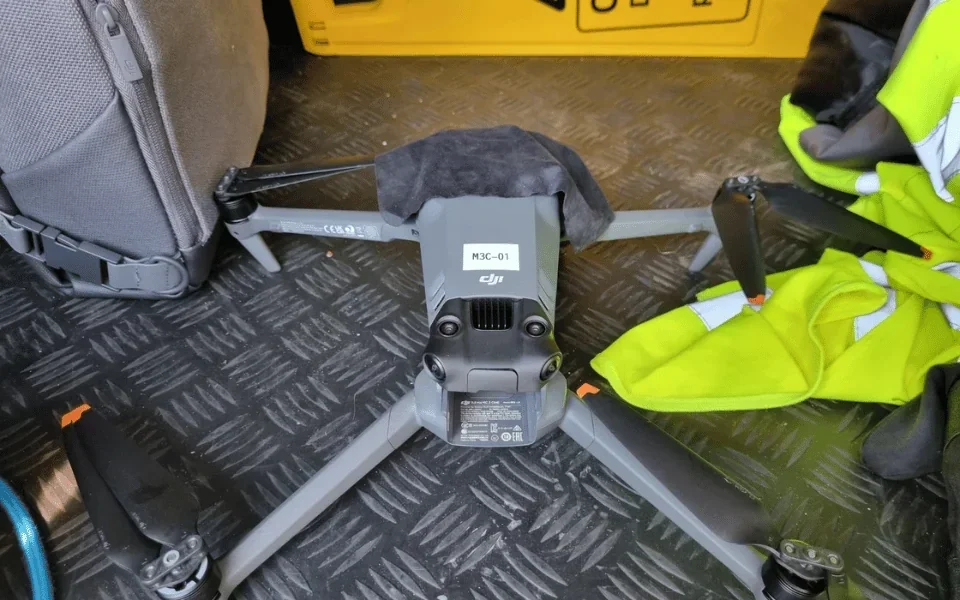
RPC-L3 requires a held RPC-L2, 50 logged BVLOS hours, a LAPL medical, and a minimum age of 18
The entry conditions make sense once you understand what the certificate is actually authorising. A candidate must already hold an RPC-L2 certificate in the same drone category — rotorcraft or fixed wing — because RPC-L3 is a progression, not a standalone qualification.
On top of that, a valid Flyer ID is assumed, the candidate must be at least 18 years old, and they must produce a minimum of 50 logged BVLOS flight hours. Those hours have to be real BVLOS experience, not additional VLOS time dressed up with a new label. The CAA also expects the hours to have been flown on the same category of drone the candidate plans to operate under the L3 privileges.
The medical requirement is the other genuinely demanding condition. An RPC-L3 candidate must hold a Light Aircraft Pilot Licence (LAPL) medical certificate. That is the same medical used for general aviation in small manned aircraft, and it is a jump from the self-declared medical fitness expected at RPC-L2.
The reason is simple. Once a drone pilot is planning into non-segregated airspace, the consequences of incapacitation change, and the CAA treats the fitness check accordingly.
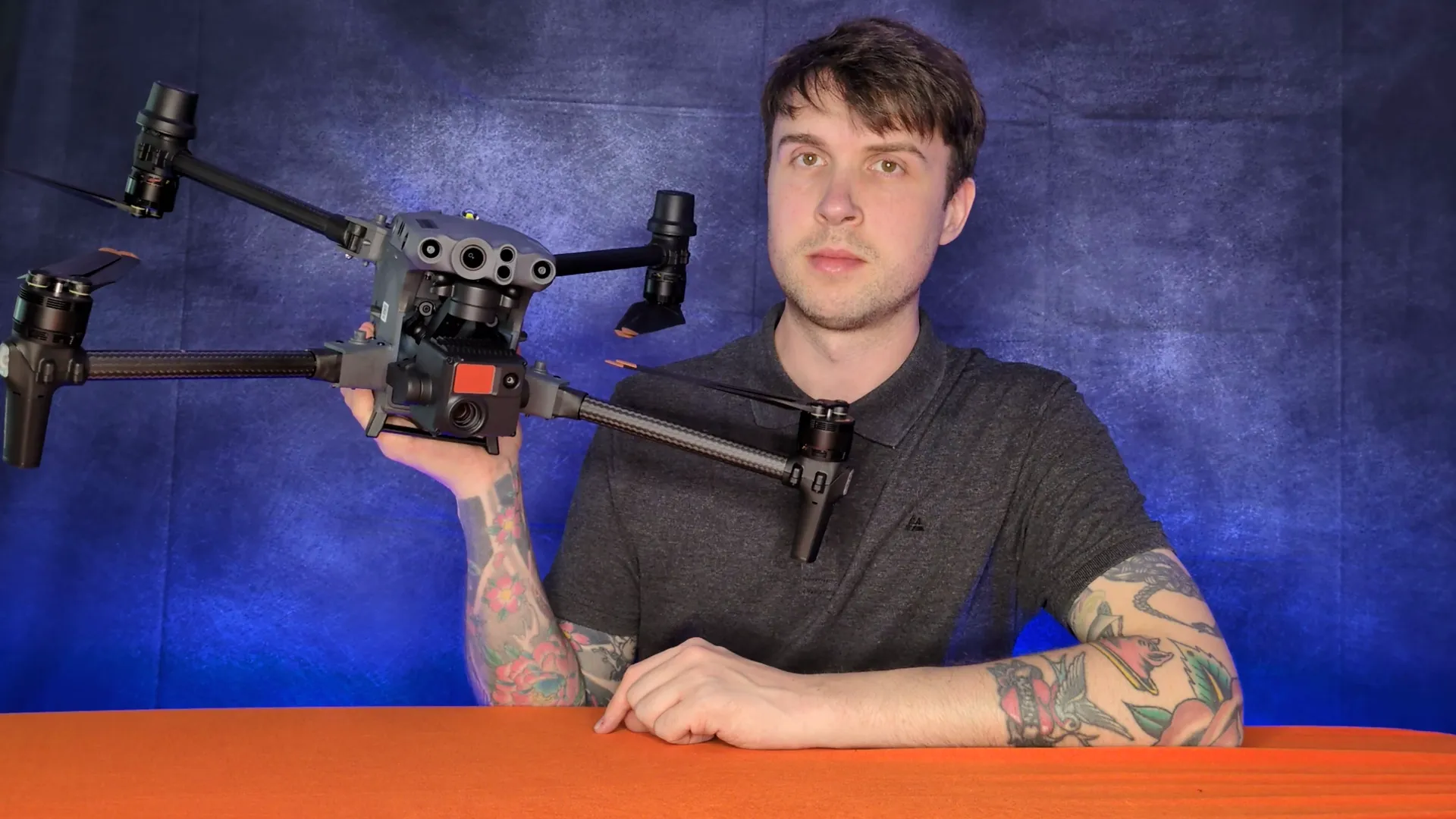
The scope jump from RPC-L2 to RPC-L3 is the move from segregated ARC-a airspace into integrated ARC-c
RPC-L2 is a deliberately contained qualification. It covers BVLOS operations only inside Air Risk Class A (ARC-a) — segregated, atypical air environments where the risk of encountering another aircraft has been driven close to zero, typically through a NOTAM, a temporary danger area, or an agreed volume no-one else is using.
RPC-L3 breaks that seal. It covers en-route BVLOS flying in ARC-b and ARC-c environments, which are the airspace classes where manned aircraft genuinely mix with unmanned operations. This is where the drone pilot's job shifts from "stay out of everyone else's way" to "manage collision risk alongside other traffic".
In practice that means the RPC-L3 holder is expected to use tactical mitigations during flight — electronic conspicuity, structured coordination with air traffic services where relevant, and active traffic deconfliction rather than simple segregation. This is also the framework that makes real-world urban inspection, long-range linear survey, and night BVLOS delivery work legally possible inside the Specific Category.
| Certificate | Operations covered | Air Risk Class | Period of validity |
|---|---|---|---|
| GVC | VLOS | Not applicable | Five years |
| RPC-L1 | VLOS only | Not applicable | Five years |
| RPC-L2 | VLOS, BVLOS | ARC-a (segregated) | Three years |
| RPC-L3 | VLOS, BVLOS | Up to ARC-c (integrated) | Three years |
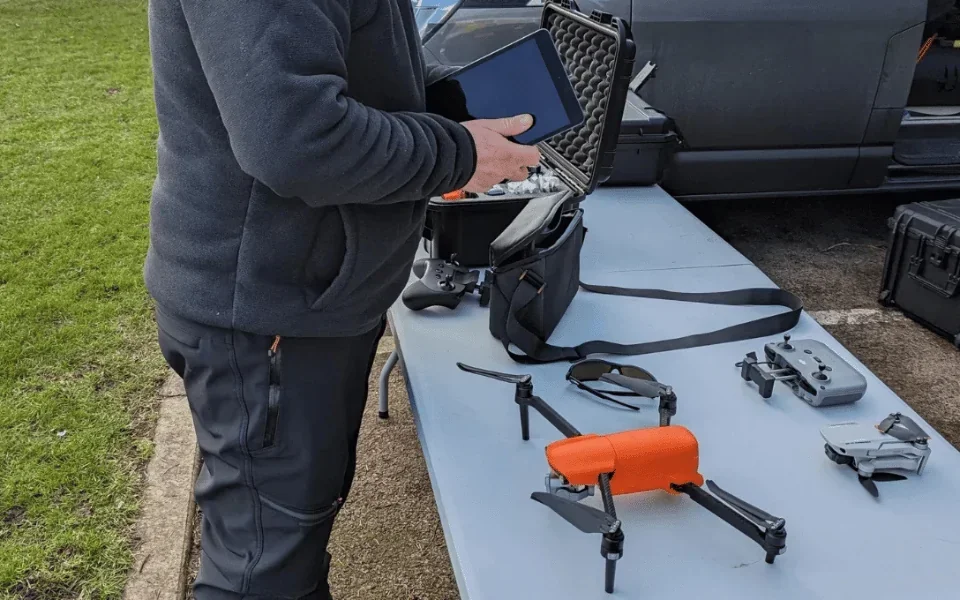
Training blends advanced theory with category-specific flight assessment inside a compressed timeline
The training pathway for RPC-L3 sits with a CAA-recognised Assessment Entity and leans heavily on scenario-driven content. Theory modules cover advanced operational planning, complex risk assessment, weather and performance limits for the drone in use, airspace procedures for shared environments, and contingency and emergency handling.
None of that is new in principle. What changes at L3 is the depth — the candidate is no longer learning what the rules say, they are learning how to argue a flight plan through a CAA assessor.
The practical side requires category-specific assessment on the rotorcraft or fixed-wing drone the candidate is qualifying on. The course is designed to be completed inside a compressed timeline so skills stay current across the theory and flight elements.
Candidates should expect to sit a formal assessment involving pre-flight planning, in-flight procedures, approach and landing, and contingency management. Assessors evaluate situational awareness, use of checklists, risk management, and the ability to switch cleanly between manual and automated control.
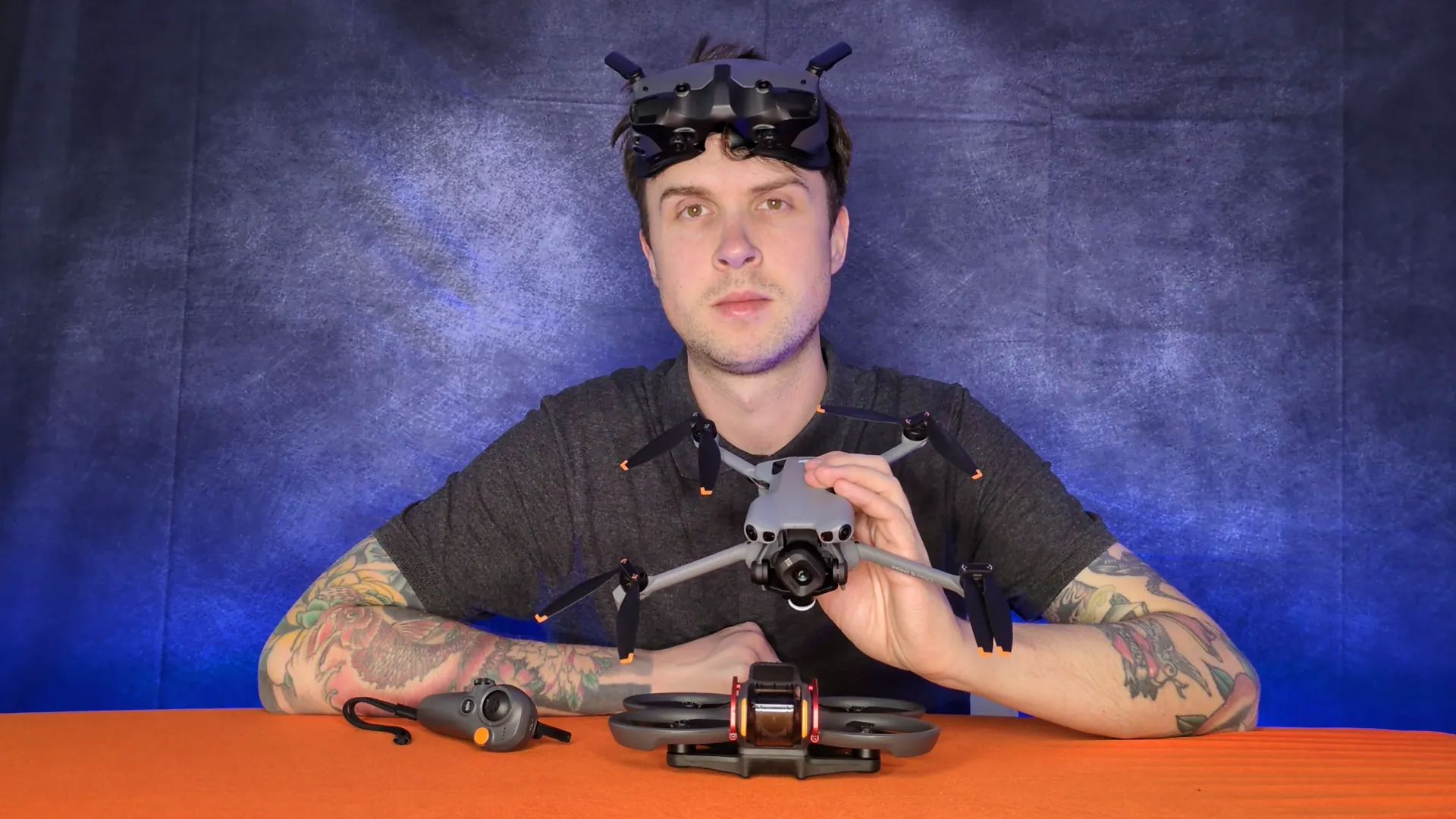
RPC-L3 always pairs with a UK SORA-based Operational Authorisation that defines the exact shape of each mission
The certificate itself is not permission to fly. It is a competence record. The legal ability to carry out any given BVLOS flight comes from the UK SORA-based Operational Authorisation held by the drone operator the drone pilot is flying under.
UK SORA, the Specific Operations Risk Assessment framework, replaced the older OSC process in April 2025 and is the route every non-PDRA01 Specific Category operation now follows. The OA calculates the operation's Specific Assurance and Integrity Level (SAIL), sets a containment standard, and binds the operator to a defined operational volume, ground risk buffer, and adjacent area.
For the RPC-L3 holder this matters in two places. First, the OA lists which remote drone pilot competencies the operator has declared acceptable for each SAIL rating, and RPC-L3 is the competence record that opens the higher-SAIL operations the certificate is designed for. Second, every flight plan still has to live inside the OA's operational volume and scope — the certificate does not override the authorisation, it qualifies the holder to carry out what the authorisation already permits.
Real-world professional work this unlocks typically includes long-range linear survey of power lines and rail corridors, night BVLOS delivery trials over non-segregated airspace, urban security and emergency-response BVLOS, and continuous infrastructure monitoring operating beyond the 500-metre range limit that PDRA01 caps you at.
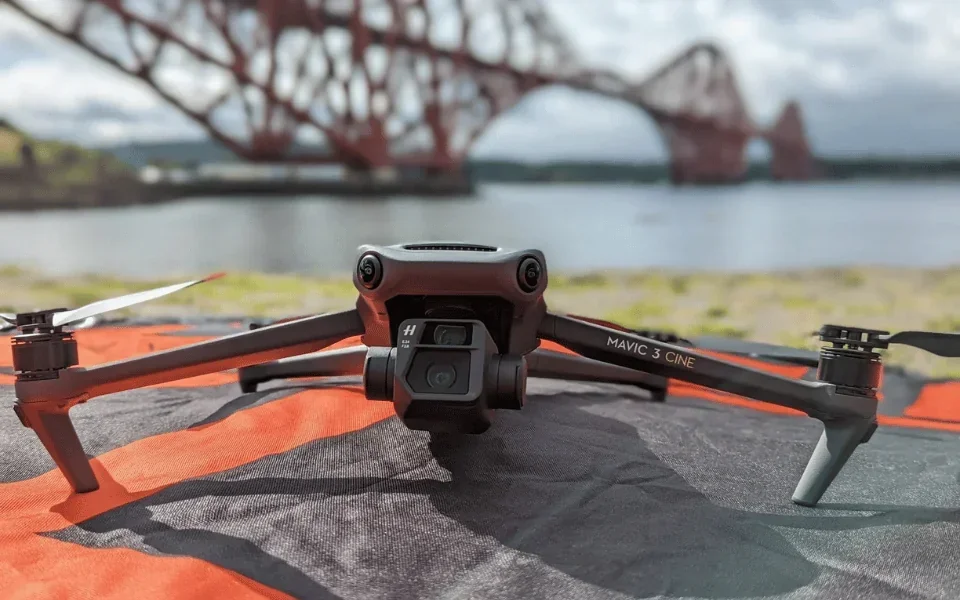
RPC-L3 is valid for three years and is the qualification clients recognise when the job is genuinely non-trivial BVLOS
Like RPC-L2, the RPC-L3 certificate is valid for three years from issue. Currency is what keeps it live inside that period — the CAA expects ongoing flight activity and evidence that skills have not lapsed, and revalidation is handled through a recognised Assessment Entity toward the end of the three-year window.
The commercial value of the certificate is as much about who can operate as it is about what is physically possible. When a client is procuring complex BVLOS work — a utility wanting kilometre-range line inspection, a local authority procuring night-time security BVLOS, a logistics trial needing routed deliveries — the tender language will almost always name the L3 competence or its equivalent.
That is also why the RPC-L3 holder is a relatively small pool of UK drone pilot qualifications compared to GVC or RPC-L1 numbers. The bar is high because the airspace is shared.
For context on the full legal backdrop this certificate operates inside, the evergreen explainer on UK drone laws ties the Open, Specific and Certified categories together, and the CAP 722 walkthrough covers the policy document that underpins the Specific Category end of that framework.
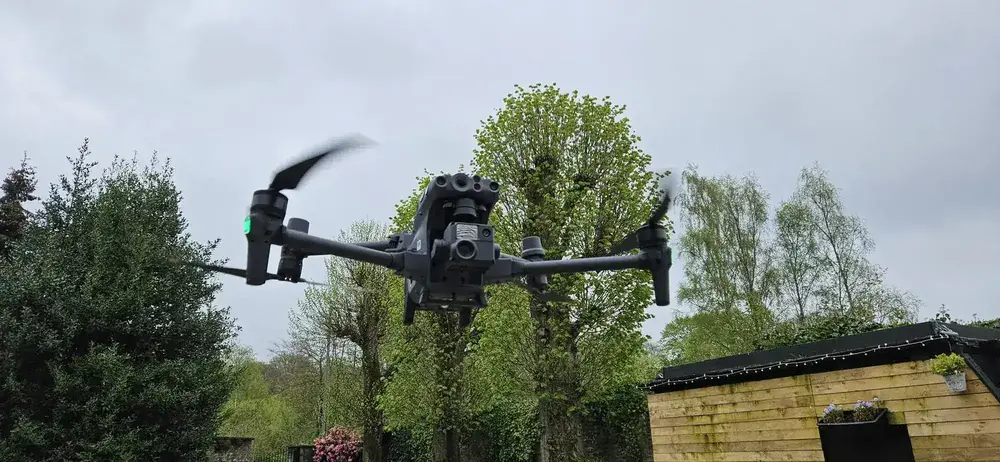
RPC-L3 is the qualification that turns the Specific Category from a training-provider conversation into a genuine professional operating environment. It is harder, more expensive, and more demanding than the levels beneath it — and that is exactly why the flights it enables are the flights clients are willing to pay meaningfully for.
Got a specific L3-tier scenario you want covered — an ARC-c planning question, a UK SORA authorisation you are trying to interpret, or an equivalence case for a drone pilot arriving from overseas? Drop a note to peter@hiredronepilot.uk and I will come back to you directly. If you prefer the video version of this explainer, the comments are open on YouTube.
References
Primary source material for this article is the UK Civil Aviation Authority. External links open in a new tab.
- UK CAA — Level 1, 2 and 3 Remote Pilot Certificates and GVC · entry conditions, air risk classes, validity periods for each RPC level
- UK CAA — Remote Pilot Qualifications Overview · position of RPC-L3 within the five Specific Category qualifications
- UK CAA — UK SORA-based Operational Authorisations · SAIL, containment, operational volume, and pairing of RPC competencies to OAs
- UK CAA — Atypical Air Environment (AAE) · ARC-a segregated airspace context that RPC-L2 is limited to
- UK CAA — Beyond Visual Line of Sight (BVLOS) · BVLOS requires the Specific Category and an Operational Authorisation
- UK CAA — UK Regulatory Framework for Drones · Air Navigation Order 2016 and UAS Regulations that sit underneath the RPC framework
Peter Leslie
Founder & GVC Drone Pilot
Peter is the founder of HireDronePilot. With thousands of logged commercial flight hours, he writes about drone technology, commercial surveying tactics, and UK aviation compliance.
Connect on LinkedIn