Best Drone for Social Media 2026: What I’d Buy to Post Vertical

Peter Leslie
31 July 2026 · 18 min read
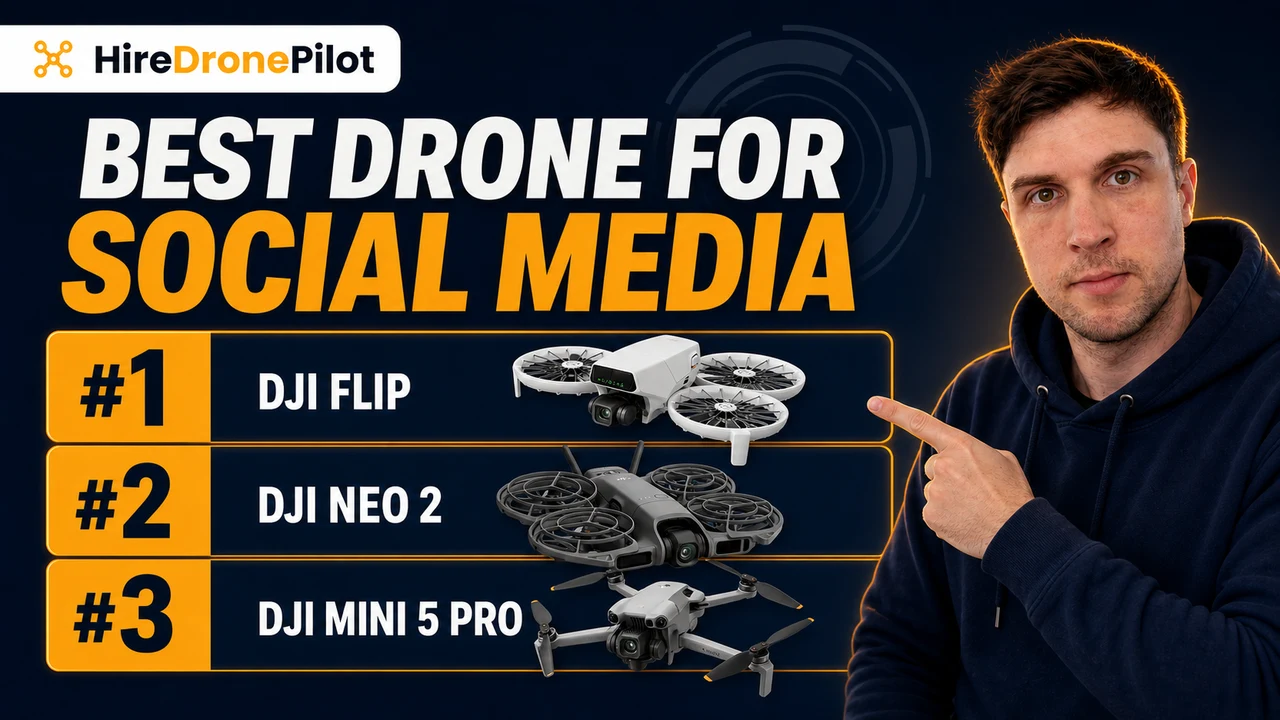
Almost every drone sold today has a vertical mode. Tap the little icon, the picture in the app stands up on its end, and you get a clip shaped like a phone. It looks like the problem is solved.
It is not, and here is the bit the box does not tell you. On most of these drones the camera never moves. It carries on filming a wide landscape frame and the software throws away everything either side, leaving you a tall strip out of the middle. On three of the ones you can still buy — and only three — the gimbal physically turns the camera a quarter-turn, so the sensor itself is stood on its end and nothing is discarded at all.
So two things decide this purchase, and neither is megapixels. The first is whether you want the real thing or the crop. The second is how the clip gets off the drone and onto your phone, because a video you cannot be bothered to transfer is a video you never post.
Which is why the best drone for social media in 2026 is not the one with the biggest camera on paper. It is the one that hands you a finished 9:16 clip and gets it into your hand before you have walked back to the car.
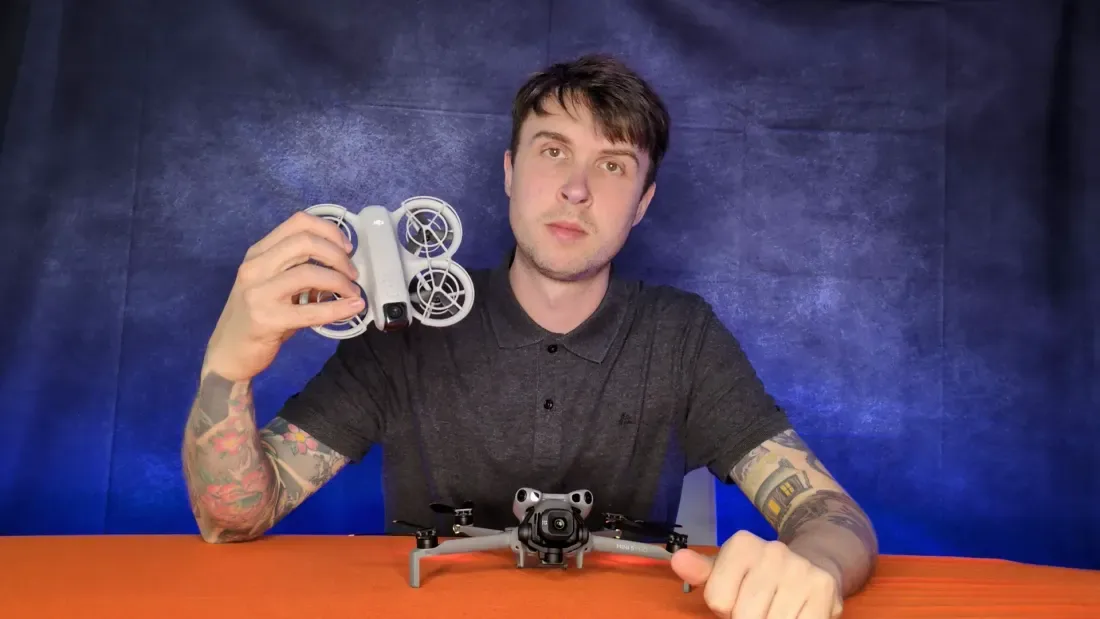
This guide does three things. It asks four short questions about what you post and narrows eleven drones down to one. Then it takes vertical video apart properly, with the numbers off the manufacturers’ own specification pages, so you can see exactly what a crop costs you and decide whether you care. Then it covers the two things that catch new owners: getting the footage out fast, and the registration that applies even to a drone the size of a paperback.
How I get paid: the Amazon links below are affiliate links, so if you buy through one I earn a small commission at no extra cost to you. It does not change what I recommend — one of the eleven drones here is one I would tell you not to buy for this job at all, and another has no buy link on this page.
The Best Drone for Social Media in 2026 Is the DJI Mini 5 Pro
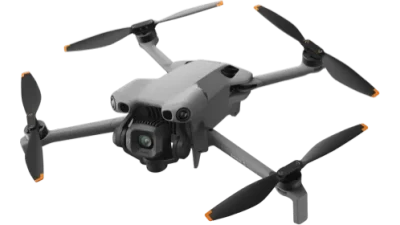
The only drone here that shoots a genuine full-size vertical frame off a one-inch sensor, and then throws it at your phone faster than anything else on the list.
- The gimbal rolls a full 225 degrees, so vertical means the camera actually turns — no cropping, no lost resolution.
- 42 GB of storage inside the drone and Wi-Fi 6 transfer to your phone at up to 100 MB per second — the fastest route from drone to phone on this page.
- 249.9 grams and C0-marked in the standard version, which keeps it in the easiest legal bracket there is.
- The advertised 52-minute battery is the Plus pack, and fitting it pushes the drone over 249 g. Plan on 36 minutes.
Affiliate link · costs you nothing extra · full disclosure
PART ONE
Here are the five that win their categories. Each one carries what is wrong with it underneath, because not one of them is perfect and pretending otherwise would waste your money.
Cheapest True Vertical Drone That Also Tracks You: DJI Mini 4 Pro
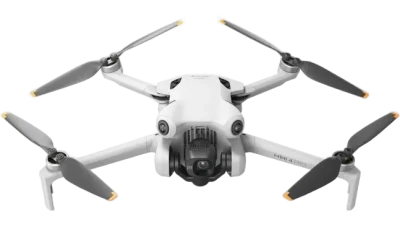
The camera turns instead of cropping, and it will still fly itself round you while you walk. Of the drones you can still buy, only the Mini 5 Pro also does both.
- True Vertical Shooting at 4K/60fps HDR, so a portrait clip is a full frame rather than a slice.
- ActiveTrack 360° circles you while you walk. The cheaper Mini 3 turns its camera just as far and has no subject tracking at all.
- 34 minutes on the standard battery — the 45-minute figure needs the Plus pack, which takes it over 249 grams.
- Only 2 GB inside the drone, and 30 MB/s over Wi-Fi. It is a controller-and-bag drone, not a palm launcher.
Best Drone for Filming Yourself Hands-Free: DJI Neo 2
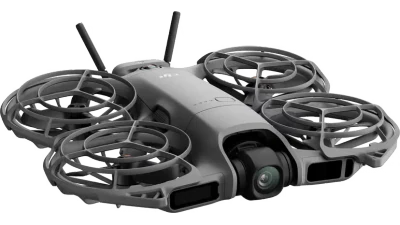
Off your palm, round you, back onto your palm, and onto your phone before you have put your coat on.
- Palm take-off and landing plus gesture control, so no controller and no phone in your hand.
- Vertical shooting is a crop at 2.7K, 1512×2688 — DJI states that as the maximum.
- 49 GB on board and 80 MB/s over Wi-Fi. Nothing else here unloads this quickly.
Cheapest Drone That Shoots True 9:16: DJI Mini 3
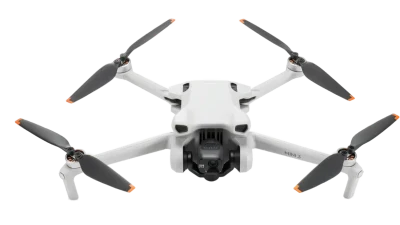
Three generations old and it still does the thing most new drones do not. If true vertical is the whole point, this is the cheap way in.
- True Vertical Shooting — DJI’s own words are that the design gets you portrait shots without needing to crop digitally.
- 38 minutes on the standard battery. The 51-minute figure is the Plus pack, which takes it to about 290 grams and out of the easy bracket.
- No storage inside the drone at all, and the slowest transfer here at 5.5 MB/s over the controller.
Best Drone for Fast-Moving Sport Clips: HOVERAir X1 PROMAX
It films 8K and cuts the vertical clip out of that, which is the only way anybody has solved the crop problem without a rotating gimbal.
- Vertical at 4K, cropped out of an 8K frame — the only drone here that gets there without a rotating gimbal.
- 192 grams and C0-marked, with a 1/1.3-inch 48-megapixel sensor and raw stills.
- 16 minutes a battery, rear-facing sensing only, and no manual stick flying in the usual sense.
Best Budget Camera Drone for Reels: DJI Flip
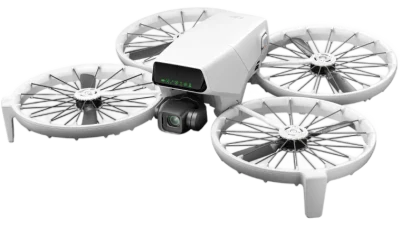
The biggest sensor you can get with palm launch attached, for a fraction of what the true-vertical drones cost, and cages round the propellers so the first flight is not the last one.
- A 1/1.3-inch 48-megapixel sensor at f/1.7, which is a real camera at this price.
- Vertical is a 2.7K crop, 1512×2688 — the gimbal rolls 47 degrees, so it cannot turn the sensor upright.
- Only 2 GB of storage inside, so you are buying a microSD card on day one.
Affiliate links · costs you nothing extra · full disclosure
Take the quiz: find the drone that fits what you post
Four questions, and the second one is the one every other guide skips.
- Built around vertical video, because that is what you are actually posting.
- Eleven drones, from a palm launcher you could buy on a whim to a twin-camera machine costing eight times as much.
- Will tell you when the cheap one is genuinely the right answer.
- About 20 seconds, and no email needed.
STEP 1 OF 4
11 of 11 still fit
All eleven, and what each one does about vertical
-
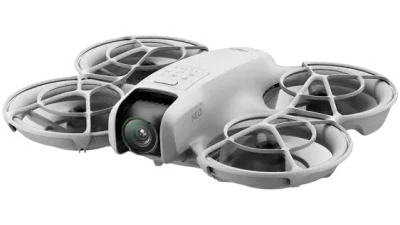
DJI Neo vertical is 1080p only
135 g · C0 · 1/2″ 12MP · 18 min · palm launch · 22 GB on board
The cheapest way to get a drone shot of yourself with nobody else present. It lifts off your palm, follows you, lands on your palm, and costs less than a decent phone gimbal.
- 135 grams with a C0 mark, so the class-mark change in 2028 never touches it.
- Vertical shooting is 1080p, 1080×1920 — DJI does not offer anything higher on this drone.
- 22 GB inside the drone and 25 MB/s over Wi-Fi, so a clip is on your phone in seconds.
-
DJI Neo 2 cropped 9:16
151 g · C0 · 1/2″ 12MP · 19 min · palm launch + gestures · 49 GB
The one I would hand to somebody who just wants clips of themselves and never wants to think about it. Palm off, gesture to change the shot, palm back on, and it is the fastest drone here to unload.
- Palm take-off and landing plus gesture control, so no controller and no phone in your hand.
- Vertical shooting is a crop at 2.7K, 1512×2688 — DJI states that as the maximum.
- 49 GB on board and 80 MB/s over Wi-Fi. Nothing else here unloads this quickly.
-
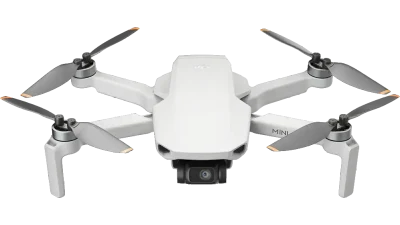
DJI Mini 4K no vertical mode at all
246 g · 1/2.3″ 12MP · 31 min · landscape only · no internal storage
Here to be crossed off. It is a perfectly sound cheap drone and it is the wrong one for this job: its published video list has no vertical entry, and its gimbal cannot roll far enough to make one.
- Its own manual lists 4K, 2.7K and FHD — every one of them landscape. There is no 9:16 setting.
- The gimbal roll axis moves 35 degrees either way, so it physically cannot stand the camera up.
- 246 grams and 31 minutes for the money, which is why it is still a good first drone for something else.
-
DJI Flip cropped 9:16
<249 g · C0 · 1/1.3″ 48MP · 31 min · palm launch · full prop cages
The best camera you can get at this price with palm launch attached to it. A 1/1.3-inch sensor, half an hour in the air, and cages round the propellers so a nervous first flight stays a first flight.
- A 1/1.3-inch 48-megapixel sensor at f/1.7, which is a real camera at this price.
- Vertical is a 2.7K crop, 1512×2688 — the gimbal rolls 47 degrees, so it cannot turn the sensor upright.
- Only 2 GB of storage inside, so you are buying a microSD card on day one.
-
DJI Mini 3 true vertical
248 g · C0 · 1/1.3″ 48MP · 38 min · gimbal turns 90° · no internal storage
The cheapest drone in Britain that actually turns its camera to shoot vertical. It is three generations old and it does the one thing this article is about, which is a strange and rather satisfying combination.
- True Vertical Shooting — DJI’s own words are that the design gets you portrait shots without needing to crop digitally.
- 38 minutes on the standard battery. The 51-minute figure is the Plus pack, which takes it to about 290 grams and out of the easy bracket.
- No storage inside the drone at all, and the slowest transfer here at 5.5 MB/s over the controller.
-
HOVERAir X1 PRO cropped 9:16
192 g · C0 · 1/2″ 12MP · 16 min · follows at 42 km/h · rear sensing
A self-flying camera rather than a drone you pilot, and it is very good at the one thing it does: keeping up with a person who is moving. I would buy it for sport and for nothing else.
- 192 grams, folds flat, C0-marked, and tracks a subject at up to 42 km/h.
- Vertical is a 2.7K crop at 1512×2688. The gimbal is two-axis, so the camera cannot turn upright.
- 16 minutes a battery, the shortest here, and you direct it by choosing a shot rather than by flying it.
-
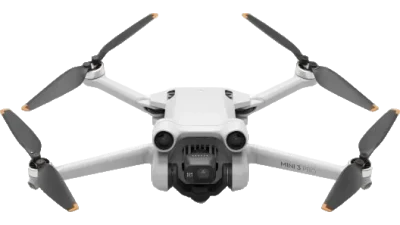
DJI Mini 3 Pro no buy link — buy the Mini 4 Pro instead
<249 g · 1/1.3″ 48MP · gimbal turns 90° · DJI UK no longer sells it
The drone that made true vertical famous, and the reason people still search for it. DJI UK now lists it as not on sale, and its successor does everything it did for less than it used to cost.
no link- DJI UK lists it as no longer on sale, so there is no current manufacturer price or specification page.
- It shoots true vertical, exactly like the Mini 4 Pro does, and the Mini 4 Pro is the one on sale.
- Listed here only so you know what it was and why I have not linked it.
-
DJI Mini 4 Pro true vertical
<249 g · C0 · 1/1.3″ 48MP · 34 min · gimbal turns 90° · tracks you
True vertical, obstacle sensing in every direction and a tracking mode that will circle you while you walk. If the Mini 5 Pro did not exist this would be the easy answer, and it is still the value one.
- True Vertical Shooting at 4K/60fps HDR, so a portrait clip is a full frame rather than a slice.
- 34 minutes on the standard battery — the 45-minute figure needs the Plus pack, which takes it over 249 grams.
- Only 2 GB inside the drone, and 30 MB/s over Wi-Fi. Budget for a fast microSD card.
-
DJI Mini 5 Pro true vertical · 225° gimbal
249.9 g · C0 · 1″ 50MP · 36 min · 42 GB on board · Wi-Fi 6
A one-inch sensor that turns on its side, under the 250-gram line, with enough storage on board that you can leave the memory card at home. This is the one I would buy.
- The gimbal rolls 225 degrees in total, so vertical is the camera turning rather than software cropping.
- 42 GB inside the drone and Wi-Fi 6 transfer at up to 100 MB/s — the fastest route from drone to phone on this page.
- 36 minutes on the standard battery. DJI advertises 52, but only on the Plus pack that pushes it past 249 grams.
-
HOVERAir X1 PROMAX 4K vertical, still a crop
192 g · C0 · 1/1.3″ 48MP · 16 min · 8K · follows at 42 km/h
It records in 8K and cuts the vertical frame out of that, so you still end up with a 4K portrait clip despite having no rotating gimbal. It is the only drone here that solves the crop problem with brute resolution, and it will outrun you.
- Vertical at 4K, cropped out of an 8K frame — the only drone here that gets there without a rotating gimbal.
- 192 grams and C0-marked, with a 1/1.3-inch 48-megapixel sensor and raw stills.
- 16 minutes a battery, rear-facing sensing only, and no manual stick flying in the usual sense.
-
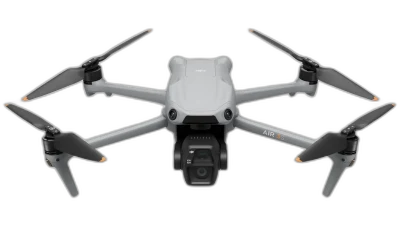
DJI Air 3S cropped 9:16 · loses privileges in 2028
724 g · C1 · 1″ 50MP + 70 mm tele · 45 min · 42 GB
The best pictures on this page by a distance, and the worst fit for the job. Two cameras, three quarters of a kilo, and a vertical mode that is still a crop. Buy it if you post landscape as much as vertical.
- A one-inch 50-megapixel main camera plus a 70 mm telephoto, and 45 minutes in the air.
- Vertical is a 2.7K crop at 1512×2688, the same figure as drones costing a third of the price.
- 724 grams and C1-marked, so from January 2028 it needs an A2 certificate to fly near people.
No prices here, deliberately — every link goes to the live Amazon listing, which is the only place a current figure is worth reading. Two configuration warnings instead, because they are what actually catch people. The DJI Mini 3 row links the DJI RC screen-controller version; DJI UK also sells the same drone with the cheaper RC-N1 controller, so read the listing title before you buy. The DJI Mini 4K is still listed at DJI UK but no longer sold there, and the DJI Mini 3 Pro is listed as not on sale at all, which is why it carries no buy link. Specifications checked 31 July 2026, and the drones are ordered here cheapest to dearest.
PART TWO
Vertical video: which drones shoot true 9:16
Every drone in this guide except one will hand you a clip shaped like a phone screen. That is not the question. The question is what it did to get there, because two drones can both say “vertical shooting” on the box and be doing completely different things inside.
A camera is a rectangle, and a phone is the same rectangle stood up
Start with the thing nobody explains. A drone camera has a sensor, and that sensor is a wide rectangle — wider than it is tall, roughly sixteen units across for every nine up. That is where 16:9 comes from, and it is why a normal drone clip looks like a television.
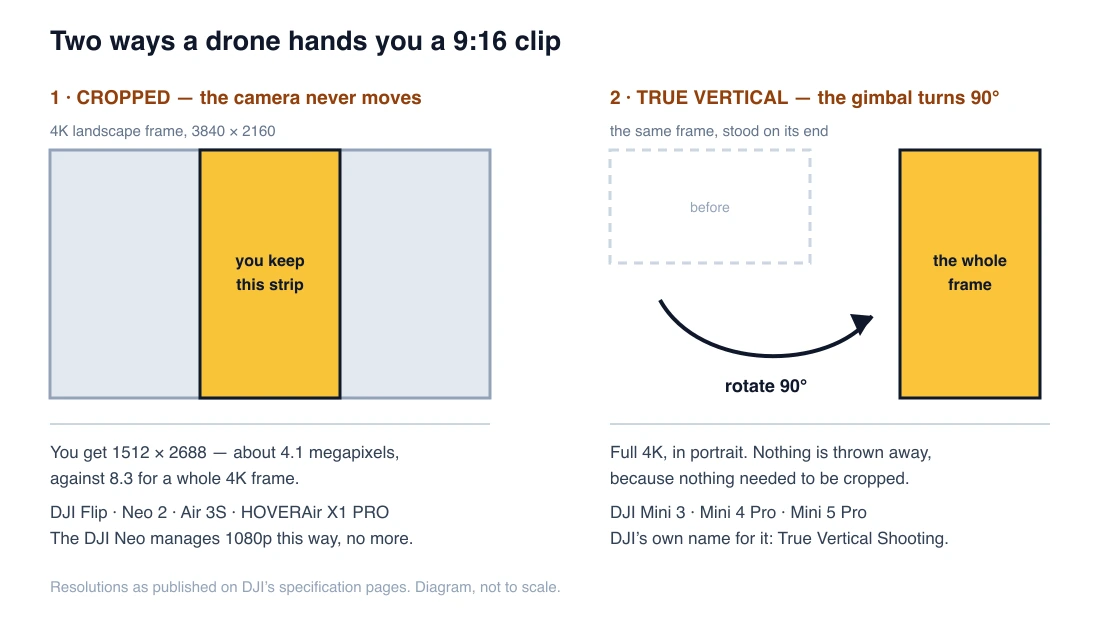
A phone is the same rectangle turned through ninety degrees: nine across for every sixteen up. So “shooting vertical” means getting a nine-by-sixteen picture out of a camera whose sensor is sixteen-by-nine, and there are only two ways to do that. You either turn the camera, or you keep a tall slice of the middle and bin the rest.
Way one: the crop, and what it actually costs
On most drones the gimbal — the little motorised cradle the camera sits in — can tilt up and down, and can roll a few degrees each way to keep the horizon level. What it cannot do is roll far enough to stand the camera on its end. So when you press the vertical button, the camera stays exactly where it was and the drone records a tall strip out of the frame.
You can read this straight off the specification sheets, which is the useful part. On the DJI Flip, the DJI Neo 2, the DJI Air 3S and the HOVERAir X1 PRO, the vertical resolution is given as 1512 × 2688. That is 4.1 megapixels a frame. A full 4K landscape frame from the same drones is 3840 × 2160, or 8.3 megapixels. You are keeping about half the picture information, and DJI is honest enough to print it: the Neo 2’s own footnote says “the maximum resolution in vertical shooting mode is 2.7K”.
The DJI Neo is the extreme case. Its vertical mode is 1080 × 1920 — two megapixels — and there is nothing higher available. It shoots 4K perfectly happily in landscape. Turn it vertical and you are back to 1080p.
And the DJI Mini 4K, at the bottom of the price list, does not offer vertical at all. Its manual lists 4K, 2.7K and FHD and every single one is landscape, which makes sense once you look at the gimbal: the roll axis moves 35 degrees either way. It could not stand the camera up if it wanted to.
Way two: turn the camera, which is the whole trick
Three of the drones you can still buy do the obvious thing instead, and the discontinued Mini 3 Pro did it first. Their gimbals have a roll axis that swings a full quarter-turn, so the camera lies on its side and the sensor is genuinely upright. Nothing is cropped because nothing needs to be.
You can see it in the numbers if you know where to look. On the DJI Mini 3 and the DJI Mini 4 Pro, the gimbal’s controllable roll range is listed as “−90° or 0°” — two positions, flat or on its side. On the DJI Mini 5 Pro it goes further still: a mechanical roll range of −230° to 95°, which is where DJI’s “225° gimbal rotation” headline comes from.
Here is the give-away, and it is the neatest proof I know. Go to the specification page for any of those three and look for a “vertical shooting” line under video resolution. There is not one. Not because they cannot shoot vertical, but because there is nothing separate to list — the vertical resolutions are the same resolutions, just stood up. DJI names the feature True Vertical Shooting and describes it in its own words as a design that “allows users to get portrait shots without needing to crop digitally”.
Way three, which only one drone uses: out-resolve the problem
The HOVERAir X1 PROMAX takes a third route and it is worth understanding, because on paper it looks like it has beaten everybody. Its gimbal is two-axis and cannot roll upright, so it crops like the others. But it films in 8K, so the tall strip it keeps is still a 4K vertical clip — HOVERAir lists 3840 × 2160 for vertical, against 1512 × 2688 on its cheaper sibling.
That is a real result and I would not talk you out of it. It is also not the same thing, for one reason: you are still only using part of the lens. The corners of the picture, the widest bits of the scene, are gone before you ever see them. On a Mini 5 Pro shooting vertical you are looking through the whole lens; on the PROMAX you are looking through the middle of it. Which of those matters to you depends entirely on how tight your shots are.
The table, so you can stop reading
WHAT YOU ACTUALLY GET IN 9:16
| DRONE | HOW | VERTICAL OUTPUT |
|---|---|---|
| DJI Mini 5 Pro | Gimbal turns 90° | Full 4K, whole sensor |
| DJI Mini 4 Pro | Gimbal turns 90° | Full 4K, whole sensor |
| DJI Mini 3 | Gimbal turns 90° | Full 4K, whole sensor |
| DJI Mini 3 Pro | Gimbal turns 90° | Full 4K — but no longer sold |
| HOVERAir X1 PROMAX | Crop from 8K | 3840×2160 |
| DJI Air 3S | Crop | 1512×2688 |
| DJI Flip | Crop | 1512×2688 |
| DJI Neo 2 | Crop | 1512×2688 |
| HOVERAir X1 PRO | Crop | 1512×2688 |
| DJI Neo | Crop | 1080×1920 |
| DJI Mini 4K | Cannot | No vertical mode |
Now the honest part: how much of this will you notice?
Less than the numbers suggest, and this is where most guides lose their nerve and pretend otherwise. TikTok and Instagram both re-encode whatever you upload. Your beautiful 4K vertical frame is going to be squeezed and handed to somebody watching it on a bus. If you shoot a clip, trim the ends and post it, a 1512 × 2688 crop is going to look fine.
The crop starts costing you the moment you touch the footage:
- Punching in. Zooming into the middle of a 4.1-megapixel frame in the edit is where softness appears first, and it appears fast.
- Straightening. Rotating a clip a couple of degrees to fix a tilted horizon crops it again, on top of the crop you already had.
- Stabilising in software. Every stabiliser works by cropping in and moving the frame around inside the spare pixels. If there are no spare pixels, there is no stabilisation.
- Reframing a landscape shot. If you shot 16:9 and later decide it should be vertical, you are cutting a strip out by hand — and now you want every pixel you can get.
So the rule I would give a friend is not “always buy true vertical”. It is this: if you post what comes out of the drone, buy on flight time, tracking and palm launch, and take the crop. If you edit — if you cut, punch in, straighten, or ever reframe — buy a drone that turns its camera, and the cheapest one that does is the DJI Mini 3.
One last thing, because it catches people who have bought the right drone. On the true-vertical machines, vertical is a mode you choose before the flight, not a switch you flick mid-shot. The gimbal has to rotate, so you decide what shape the clip is when you set up. Half the disappointed reviews of these drones are somebody who filmed the whole flight in landscape and then discovered the vertical setting on the way home.
PART THREE
The bit that decides whether you actually post: getting the clip off the drone
Nobody compares drones on this and it is the single biggest reason a drone ends up in a cupboard. You take a lovely clip. Then you get home, and the clip is on a memory card inside a folded drone, and posting it means finding a card reader, or waiting for a phone transfer that is measured in minutes rather than seconds. So you do it tomorrow. Then you do not.
The manufacturers publish everything you need to predict this, and the spread is enormous. Two numbers matter: how much footage the drone can hold without a memory card, and how fast it will send that footage to your phone over Wi-Fi.
DRONE TO PHONE
| DRONE | ON BOARD | TO PHONE |
|---|---|---|
| DJI Mini 5 Pro | 42 GB | 100 MB/s |
| DJI Neo 2 | 49 GB | 80 MB/s |
| DJI Flip | 2 GB | 30 MB/s |
| DJI Mini 4 Pro | 2 GB | 30 MB/s |
| DJI Air 3S | 42 GB | 30 MB/s |
| DJI Neo | 22 GB | 25 MB/s |
| DJI Mini 3 | none | 25 MB/s |
| DJI Mini 4K | none | — |
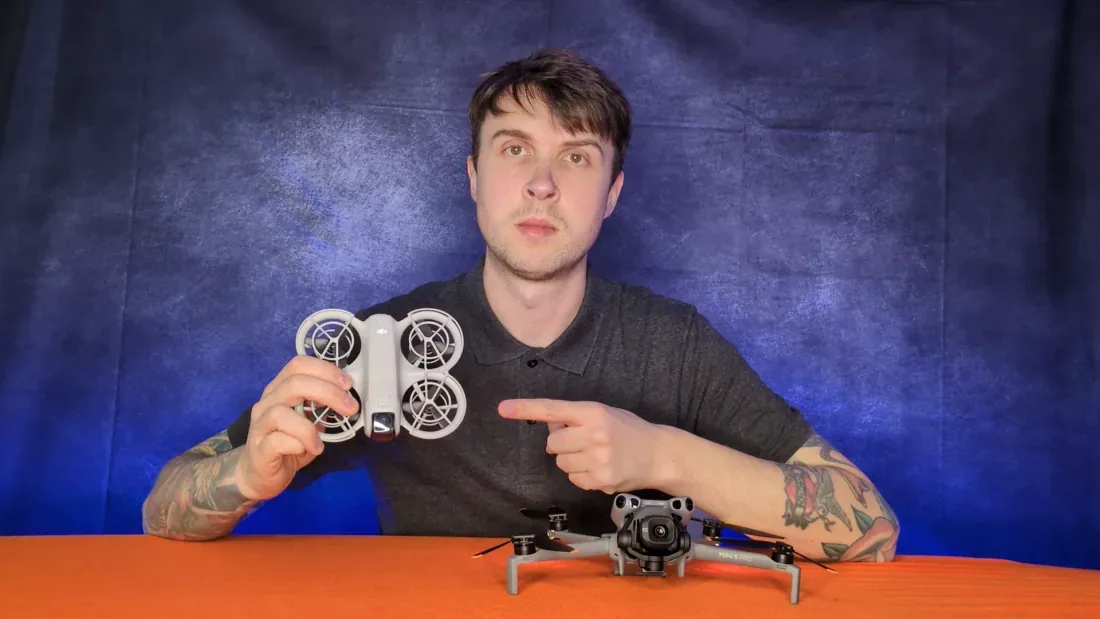
Read that as a story rather than a table. The Neo 2 holds 49 GB and empties at 80 MB/s, which means a two-minute 4K clip lands on your phone in roughly the time it takes to fold the propellers. The Mini 5 Pro is faster still on paper — it is the only drone here with Wi-Fi 6, and DJI quotes up to 100 MB/s. The Mini 3, which is one of the three that shoot true vertical, has no internal storage whatsoever and moves footage over its controller link at 5.5 MB/s. That is not a criticism of a four-year-old drone. It is a warning that the drone with the better picture is not automatically the drone you will post from.
Two honest caveats on those figures. All of them are manufacturer laboratory numbers — DJI says as much in its own footnotes, “measured in a laboratory environment with little interference”. And on several of these drones the fast Wi-Fi route only works for footage held in the drone’s own memory; footage written to a memory card can be slower. Treat the column as a ranking, not a promise.
Buy the memory card with the drone, not after it
If you go for the Flip, the Mini 4 Pro or the Mini 3, you need a microSD card before the first flight. Two gigabytes of internal memory is about a minute of 4K, and the Mini 3 has none at all. Buy a card DJI actually lists as supported — they publish the models — and buy a fast one, because a slow card is a genuine cause of dropped frames rather than a marketing upsell.
Shoot at a frame rate you can post
A small thing that saves a lot of frustration. Most of these drones will shoot vertical somewhere between 24 and 60 frames a second — though the Flip’s vertical mode stops at 30. Shoot the everyday stuff at 30, because it uploads smaller, cuts easily and looks normal. Save the 50 and 60 for anything you might want to slow down afterwards, which on a drone usually means a fly-past or somebody moving.
And leave the fancy colour profiles alone unless you genuinely grade your footage. On the Mini 4 Pro, the Mini 5 Pro and the Air 3S you get D-Log M and HLG, which record flat, grey, lifeless-looking video that is designed to be colour-corrected later. If you are not going to correct it, it will look worse than the standard setting, not better.
The workflow that actually gets things posted
Mine is four steps and it takes about three minutes at the side of a field. Land the drone. Open the app and pull the two clips you actually want across to the phone — not the whole flight, just the two. Trim them there and then, while you still remember which bit was good. Post one, keep one.
The temptation is to take everything home and go through it properly on a computer. On the rare occasion you do, the results are better. The other forty-nine times, the footage sits there. The drone that gets used is the drone that gets emptied on the spot, which is why the transfer numbers above matter more than they look.
Yes, you have to register it. Even the little one.
This is the part that surprises people, and it surprises them after the drone arrives. A palm-sized camera that weighs less than a tin of beans is still a registered drone in the United Kingdom, and there is no exemption for it being small, cheap or fun.
There are two registrations and they are separate things.
A Flyer ID is a free theory test you sit online. It takes an evening at most, it lasts five years, and anyone flying a drone of 100 grams or more needs one. Every drone in this guide is over 100 grams — the lightest, the DJI Neo, is 135.
An Operator ID is a registration rather than a test. It costs £12.34 a year, you must be 18 or over to hold one, and it goes on a label stuck to the outside of the drone. Any drone of 100 grams or more with a camera needs one — which is all of them, because a drone without a camera would be no use to you.
If you are under 18: you can still fly. You take the Flyer ID test yourself, and a parent or guardian registers as the Operator and puts their ID on the drone. The CAA is explicit that the Operator is the person responsible for the drone, and that a parent can hold that role for a child who owns one.
After that it is weight, and every drone here except the Air 3S is comfortably under 250 grams with a C0 class mark, which puts you in Over People (A1) — the easy category, with nothing further to do. The whole sub-250-gram category exists precisely so this stays simple.
The DJI Air 3S is the exception at 724 grams with a C1 mark. That gets it into A1 today as well, but only until 31 December 2027. From 1 January 2028 a European C mark stops counting as its UK equivalent, the drone becomes what the rules call legacy, and weight alone decides: under 250 g is A1, under 2 kg needs an A2 Certificate of Competence to fly near people. At 724 grams the Air 3S lands in that second bracket. Nothing gets confiscated and nothing becomes illegal to own, but if part of the appeal today is that it needs no qualification, know that you are buying about eighteen months of that.
Filming other people, which is rather the point of the drone
The CAA has guidance on this and it is worth reading before you fly one over a beach. Cameras on drones have to respect other people’s privacy, and using one where somebody can reasonably expect privacy — inside their home, in their garden — is likely to break data protection law. Recordings in which people can be identified may fall under GDPR and the Data Protection Act 2018, and the CAA is careful to say that applies whether you captured them deliberately or not.
Its practical advice is sensible and short. Make yourself visible while flying, so people can see who is responsible. Let people know before you start recording where that is practical. Store what you keep securely and delete what you do not need. And — this one is almost word for word from the CAA — think carefully before sharing photos and videos on social media, applying the same common-sense standards you would to a photograph off your phone.
The moment posting turns into working
Here is a line that is easy to cross without noticing. Third-party insurance is optional when you are flying for recreation or sport. It becomes a legal requirement the moment the flying is commercial. A brand paying you for a clip is commercial. Selling footage is commercial. Filming a friend’s business for money is commercial, even if it took ten minutes and you did it as a favour with an invoice attached.
The CAA also notes that images recorded for commercial use bring further duties as a data controller. None of this is a reason not to take the money. It is a reason to sort the insurance out first, before the first paid job rather than after it, and the general UK drone rules are worth an hour of your time in one sitting.
Two more that catch everybody. You need the landowner’s permission to take off and land, which includes most parks and is a conversation rather than a technicality. And the 120-metre height limit applies to every category, every drone, every time — including the 135-gram one you launched off your palm.
PART FOUR
What I’d buy to post vertical
The DJI Mini 5 Pro. One drone, no hedging, and I would not spend long deciding. It is also the dearest thing I am recommending on this page, and I would still buy it over anything cheaper here.
It wins because it is the only machine here that gets both halves right. The gimbal turns, so vertical is a real full-sensor frame and not a strip out of the middle — and the sensor doing the turning is a one-inch one, the largest on this page outside the Air 3S. Then it holds 42 gigabytes on board, so there is no card to forget, and shifts that footage to your phone over Wi-Fi 6. Nothing else on the list does the picture and the plumbing.
I have flown it, and the thing that surprised me was not the camera. It was how quickly the vertical mode stops being a setting you think about. You choose portrait when you set up, the camera lies over on its side, and from then on the view in the app is the shape of the thing you are going to post. That sounds trivial. It changes how you frame every shot, because you stop mentally cropping and start composing.
Two things it is not. It is 249.9 grams, which is under the line by a tenth of a gram, so fit the Plus battery and you are over it — and the 52-minute figure DJI advertises is that battery. Plan on 36 minutes. And it has no palm launch, so if the fantasy is throwing a drone off your hand at the top of a hill, this is not that drone.
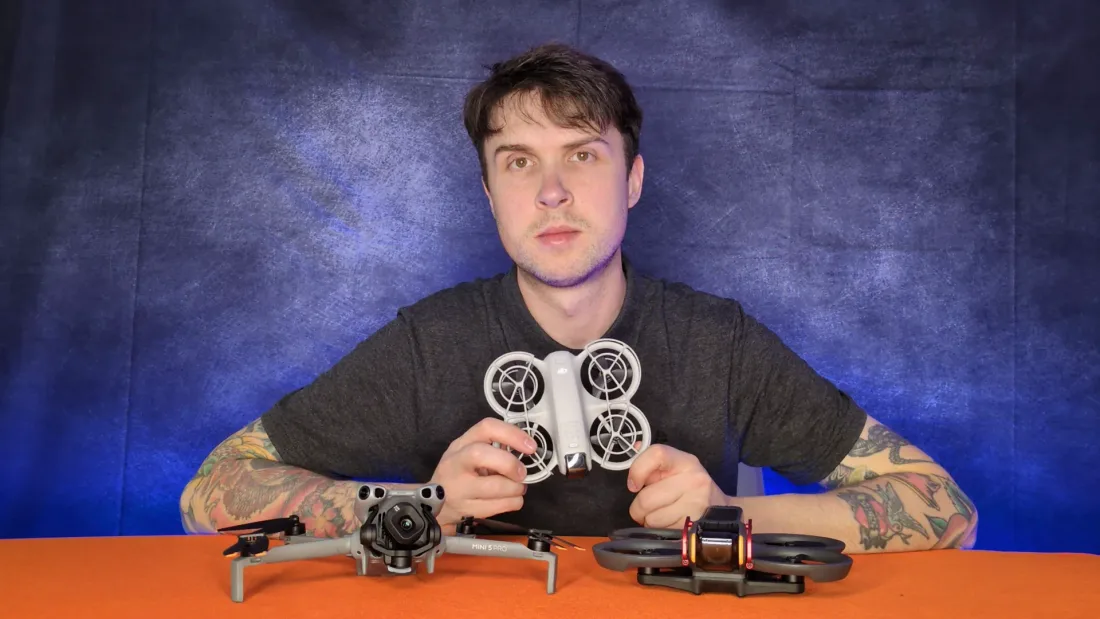
Spend a third of it if the shots are all of you. The DJI Neo 2 does the thing the Mini 5 Pro cannot at anything like the price: it lifts off your open hand, orbits you while you carry on doing whatever you were doing, and lands back on your palm. Its vertical is a 2.7K crop and its sensor is small, and neither will matter if what you post is you, in a place, unedited. It is also the fastest drone here to empty, which in practice is worth more than a sensor upgrade.
Spend in the middle for the cheapest true 9:16. The DJI Mini 3 is a four-year-old drone that still turns its camera, which most drones released since do not, and it undercuts both Mini Pros by a wide margin. If the crop is the thing you cannot live with and the Mini 5 Pro is more than you want to spend, this is the answer — just budget for a memory card on top, and accept the slowest transfer on the page.
If you film yourself moving
Then look hard at the HOVERAir X1 PROMAX. I would buy it for skiing, riding or running and I would not buy it for anything else. It tracks a subject at 42 km/h, it weighs 192 grams, and its 8K sensor means the vertical crop still lands at 4K. The catches are real: sixteen minutes a battery, sensing only at the back, and a machine you direct rather than fly, so if what you want is sticks in your hands this is not it. It is also the one drone here whose maker sets no UK price of its own, so the Amazon listing is the only figure there is — open it before you decide, because there is nothing to compare it against.
The one I’d tell you to skip
The DJI Mini 4K. Not because it is bad — 246 grams, 31 minutes and a stable three-axis gimbal, near the bottom of this list on price, is a sound cheap drone, and I would happily recommend it to somebody who wants a first drone to learn on. But it cannot shoot vertical. Not badly, not at reduced resolution: at all. Its manual lists 4K, 2.7K and FHD, every one of them landscape, and its gimbal rolls 35 degrees when it would need 90. For anyone reading a guide about posting to TikTok, it is the wrong purchase, and it is cheap enough that people make it by accident.
I have also left the DJI Mini 3 Pro in the list with no buy link. It is a fine drone and it shoots true vertical, but DJI UK lists it as no longer on sale, and its replacement does the same job with a current warranty. There is no version of that trade I would send you towards.
And if what you actually need is one good clip rather than a new hobby — a launch video, a venue, an opening — then buying any of this is the expensive way to get it. You can hire a qualified drone pilot who has the drone, the qualification and the insurance already, or bring in a drone videographer for the day; and what that costs is often less than the drone.
Best drone for social media: the questions I get asked most
What is the best drone for social media in 2026?
The DJI Mini 5 Pro. It is the only drone here that turns its camera a full quarter-turn to shoot vertical, so a 9:16 clip uses the whole one-inch sensor rather than a strip cut out of the middle of a landscape frame. It also holds 42 GB of footage on board and moves it to your phone over Wi-Fi 6 at up to 100 MB per second, which is the difference between posting on the walk back to the car and posting the following Tuesday. It is the dearest drone I recommend here and I would still buy it. If that is more than you want to spend, the DJI Neo 2 costs roughly a third as much, takes off from your palm and needs no controller at all.
Which drones shoot true vertical video rather than cropping?
Three of the drones you can still buy: the DJI Mini 3, the DJI Mini 4 Pro and the DJI Mini 5 Pro. All three have a gimbal whose roll axis turns the camera 90 degrees, so the sensor itself is stood on its end and you record a full-height 4K frame in portrait. DJI calls this True Vertical Shooting and says plainly that it gets you portrait shots without needing to crop digitally. The discontinued DJI Mini 3 Pro did the same, which is why people still search for it. Everything else on the list — the DJI Flip, Neo 2, Air 3S and both HOVERAir models — records a landscape frame and keeps a tall slice of it.
Do I need to register a small selfie drone in the UK?
Almost certainly yes, and this catches people out because the drones are so small. Anyone flying a drone of 100 grams or more needs a Flyer ID, which is a free online theory test valid for five years. Any drone of 100 grams or more that has a camera also needs an Operator ID, which costs £12.34 a year and goes on a label stuck to the outside of the drone. Every drone in this guide has a camera and every one of them weighs more than 100 grams — the lightest, the DJI Neo, is 135 grams. So you need both, and you must be 18 or over to hold the Operator ID.
Which drone can I launch from my hand without a controller?
The DJI Neo, the DJI Neo 2 and the DJI Flip all take off from your palm with a press of a button on the drone itself, and both HOVERAir models are built around the same idea. The Neo 2 goes furthest: DJI lists palm take-off and landing plus gesture control, so you can start a shot, change what it is doing and call it back without touching a phone. DJI also says each Neo 2 battery is good for at least 20 palm take-offs and landings in succession, which tells you what the drone expects you to be doing with it.
Is a 2.7K vertical clip good enough for TikTok and Reels?
For most posts, honestly, yes. A cropped vertical clip comes out at 1512 by 2688 pixels, which is about 4.1 megapixels per frame, and both TikTok and Instagram will re-encode whatever you send them anyway. Where it stops being enough is when you want to punch in, straighten, stabilise or reframe in the edit, because every one of those moves eats pixels you no longer have. If you never touch a clip after filming it, buy on flight time and palm launch instead. If you edit, buy true vertical.
Does posting drone footage on social media make me a commercial operator?
Posting for fun does not. Being paid does. The CAA treats third-party insurance as optional for recreation or sport and mandatory once you are flying commercially, so the moment a brand pays you for a clip, or you sell the footage, the insurance stops being a nice idea. Separately, the CAA warns that recordings in which people can be identified may fall under GDPR and the Data Protection Act 2018 whether you filmed them deliberately or not, and it tells you in plain terms to think carefully before putting drone footage on social media at all.
The short version
Buy the DJI Mini 5 Pro if you edit your clips, because it is the one that turns its camera instead of cropping, and it empties onto your phone faster than anything else here. Buy the DJI Neo 2 if the shots are of you and you post them as they come. Register either one before the first flight — both need it.
Affiliate links · costs you nothing extra · full disclosure
No prices are printed anywhere on this page. Drone prices move constantly and a figure typed into an article is out of date within weeks, so every buy button here goes straight to the live Amazon listing, which is the only place worth reading one. Where the guide compares cost it does so in relative terms, and the drone list is ordered cheapest to dearest so the ranking is still there. Camera, gimbal, storage and transfer figures are taken from the manufacturers’ published specification pages, and the DJI Mini 4K figures from its user manual, because DJI UK no longer publishes a specification page for it. Regulatory detail from the UK Civil Aviation Authority. Amazon links are affiliate links. Related reading: how creators get usable audio, what you can take on a plane, what £500 buys you and the drones that shoot one-take dive footage.