Drone Insurance Cost UK 2026: What You Should Actually Pay

Peter Leslie
16 Apr 2026
Key Takeaways
- Recreational drone insurance is optional and usually cheap, but commercial drone insurance is legally required and must comply with Assimilated Regulation (EU) 785/2004
- Commercial annual premiums typically start in the low hundreds of pounds for a single freelance drone operator, and climb into four figures for multi-drone fleets and higher liability limits
- The biggest price drivers are hull value, annual flight hours, operation type, geographic scope, and how high you set the third-party liability limit
- Pay-as-you-fly products from Coverdrone and SkyWatch cover short jobs by the day or hour, and are priced for convenience rather than volume
- Cheap policies routinely exclude rain, night flying, and Beyond Visual Line of Sight — the exact conditions many commercial drone operators actually fly in
- The Operator is the party legally responsible for ensuring insurance is in place, and the policyholder name should match the registered Operator ID
Drone insurance is one of the cheapest line items on a commercial flight plan, and one of the most misunderstood. Ask five drone pilots what they pay and you will hear five very different numbers, because the headline price depends on what you fly, how often you fly, and what you actually want the policy to do if something goes wrong.
The short answer in 2026 is that recreational cover is optional and priced like a hobby, while commercial cover is legally required under Assimilated Regulation (EU) 785/2004 and priced like a business. Everything else is detail on top of those two facts.
Recreational drone insurance is optional in UK law, so the market prices it like a cheap consumer add-on
If you fly purely for recreation, sport, or as a hobby, UK law does not require you to carry insurance at all. The CAA makes that explicit on its insurance requirements page: cover is optional for hobby flying, but you remain personally liable for any injury or damage you cause.
Because cover is optional, the market treats it like a consumer add-on. Expect annual premiums to sit at the low end of the scale for a single hobby sub-250g drone, and climb gently as you add hull value, theft cover, and accidental damage. Many people never buy a standalone policy at all, because membership of the BMFA or FPV UK already bundles public liability into the annual fee.
The trap is assuming your home contents policy picks up the slack. It usually does not. Home insurance routinely excludes liability for flying devices, and any cover it does offer normally stops at the drone itself as a stored item. The moment it is in the air, you are on your own.
Commercial drone insurance is legally required and must meet the EU 785/2004 standard
The moment money changes hands, the picture changes completely. Under the CAA’s insurance requirements, third-party liability cover is mandatory for every commercial flight — paid photography or video, surveys, deliveries, farm, park or estate work, and educational use. The policy must comply with Assimilated Regulation (EU) 785/2004, and the UK legislative basis is the Civil Aviation (Insurance) Regulations 2005.
Two details matter here. First, it is the Operator, not the Remote Pilot, who is legally responsible for ensuring the insurance is in place. Second, the policyholder name should match the name registered on the Operator ID, otherwise the paperwork and the policy are pointing at two different people, and a loss adjuster will notice before you do.
Commercial cover is also the entry ticket to the Specific Category. If you are operating under a PDRA01 or any other Operational Authorisation, the authorisation explicitly requires an 785/2004-compliant policy before the first flight. This is the part of the system that quietly sets the floor on price.
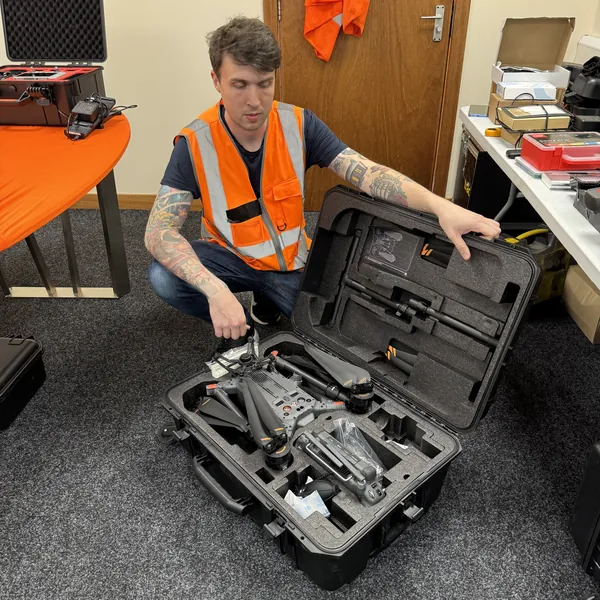
Typical UK drone insurance price ranges in 2026 sit in three clear tiers
Rather than quote a single number, it is more honest to describe the shape of the market. The table below shows the ranges I see quoted to drone operators in my own network in 2026. Treat these as indicative, not guaranteed — every insurer prices their own book and the final figure depends entirely on the factors in the next section.
| Cover profile | Indicative 2026 price | What it buys |
|---|---|---|
| Recreational hobby drone pilot | Low tens of pounds per year, or bundled free with BMFA/FPV UK membership | Basic public liability while flying for fun; optional hull and theft add-ons |
| Single freelance commercial drone operator | Low-to-mid hundreds of pounds per year for an 785/2004-compliant annual policy | Typically £1m public liability, optional hull on one or two drones |
| Higher liability limits and multi-drone fleets | Four figures per year and upwards | £5m-£10m+ public liability, hull on every drone, worldwide cover, specialist endorsements |
| Pay-as-you-fly (daily/hourly) | Priced by the hour or day, from low double-digit pounds per day | Short-duration public liability for occasional jobs; hull cover optional on most platforms |
The only figure that is genuinely fixed is the liability limit on the floor. Most commercial clients will not sign a contract without seeing at least £1 million of third-party public liability on the certificate, and higher-risk jobs routinely ask for £5 million or more before you are allowed on site.
Five factors move the price far more than the brand on the policy
When an insurer runs the numbers, the brand name on the quote matters far less than the operational profile behind it. The following five factors are what actually shift the premium.
Hull value. The replacement cost of your drone, payload, and any attached sensors drives the hull portion of the policy. A sub-250g camera drone barely moves the needle. A heavy inspection platform carrying a thermal and an RGB payload moves it a lot.
Annual flight hours and operation type. A drone operator logging a handful of real-estate shoots a year is a very different risk to someone doing weekly roof inspections or industrial surveys. The more hours you fly, and the closer you routinely get to people and property, the higher the premium climbs.
Geographic scope. A UK-only policy is the baseline. European and worldwide cover cost more, and some regions are either priced as add-ons or excluded outright. If you travel with your drone for work, this is worth reading in detail before you book the flight out.
Third-party liability limit. Moving from £1m to £5m to £10m of public liability steps the price up at each tier. This is usually the biggest single lever on the quote, because most insurers rate it non-linearly — the jump from £5m to £10m is rarely just double.
Drone pilot qualifications and claims history. Holding a GVC or an A2 CofC, keeping clean flight logs, and carrying no prior claims all pull the premium down. A fresh claim, a night incident, or an unqualified named drone pilot will push it up fast on renewal.
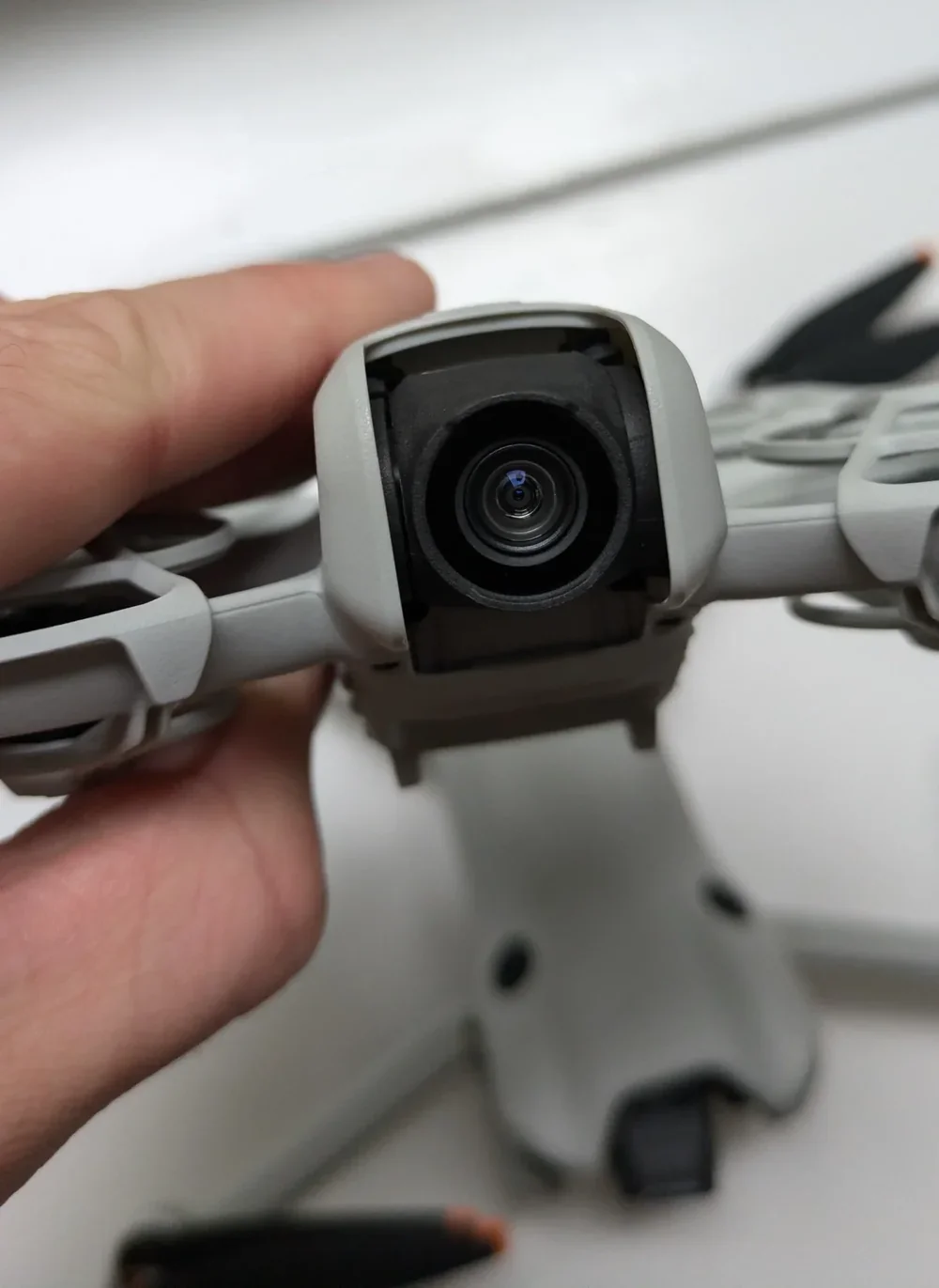
Pay-as-you-fly products look cheap on the surface, but they are priced for convenience, not volume
Flex products from Coverdrone and SkyWatch (and similar providers) let you spin up cover from an app, sometimes minutes before take-off, and bill by the hour or by the day. For a one-off job, a weekend test flight, or a specialist piece of kit you are trialling before adding to a main policy, they are genuinely useful.
The catch is the total cost over a busy year. Pay-as-you-fly is designed for infrequent use. If you run those daily rates out across fifty or sixty shoot days, the arithmetic almost always favours an annual policy, and the annual policy usually carries broader cover as well. I use flex products as a bridge, not a base. My main policy sits underneath everything, and the app comes out for the odd job that falls outside it.
Flex products also vary wildly in how they treat hull. Some only cover third-party liability. Others quote a hull add-on that can double the day rate in one click. Read the schedule before you click buy.
The cheapest policies quietly exclude exactly what commercial drone operators fly in
The single biggest cause of a surprise at claim time is a policy exclusion the drone operator never checked. Cheap policies tend to exclude the exact conditions paid work actually happens in. The common ones are worth naming in full.
Rain and adverse weather. Most policies exclude loss or damage caused by flying in rain or weather outside the drone manufacturer’s stated limits. If the forecast is marginal and you fly anyway, a claim becomes an argument.
Night flying. Night operations are routinely excluded unless the schedule specifically endorses them. Any client asking for evening security, event, or light-show work needs that endorsement in writing before the drone leaves the case.
Beyond Visual Line of Sight. BVLOS cover is almost never included by default. It is priced as a separate endorsement tied to a specific Operational Authorisation, and the insurer will ask to see the paperwork before adding it.
Flying outside regulation. Any flight that breaches the Drone and Model Aircraft Code — overflying assemblies, breaching the 120m altitude ceiling, or ignoring the distance from people rule — invalidates cover outright. Every mainstream policy carves this out in plain language.
The pattern is consistent. The cheapest quote in your inbox almost always excludes weather, night, BVLOS, or all three. The next quote up the ladder usually includes one of them. Deciding which of those you actually need is what makes the comparison meaningful, rather than a race to the bottom on headline price.
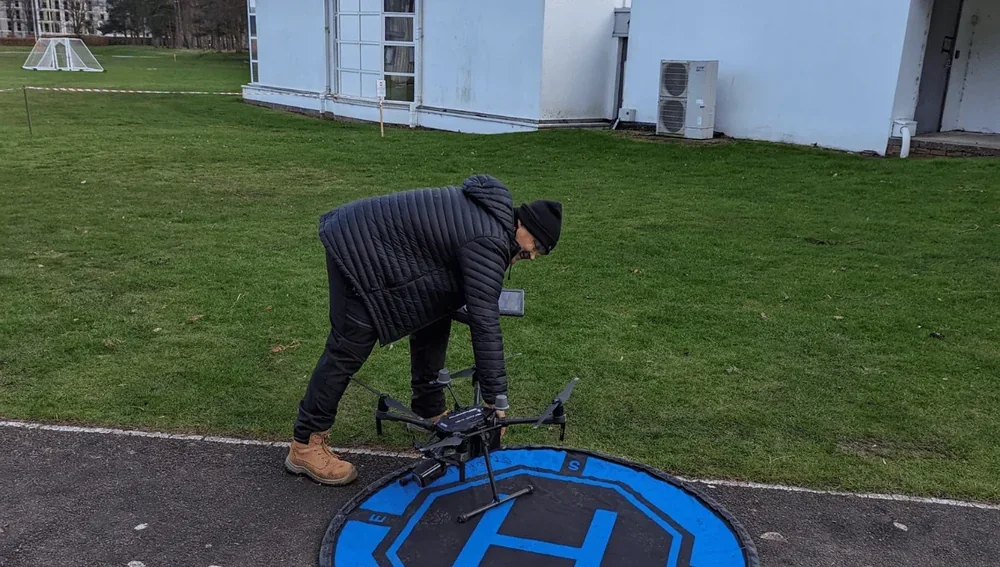
How to read a quote without being sold the wrong policy
Before you commit to any policy, walk through a small checklist. It takes ten minutes and usually saves a painful conversation later. Confirm that the policy is written to the EU 785/2004 standard. Check that the policyholder name on the schedule matches your Operator ID. Read the exclusions for weather, night, and BVLOS, and match them against the jobs you realistically take. Confirm the geographic scope covers the countries you actually fly in. Check the excess on hull, because a low premium with a high excess is not the bargain it looks.
If you are new to commercial work, the sister article on drone insurance requirements walks through the legal minimum in detail, and the bigger picture of UK drone laws pulls the whole compliance stack together.
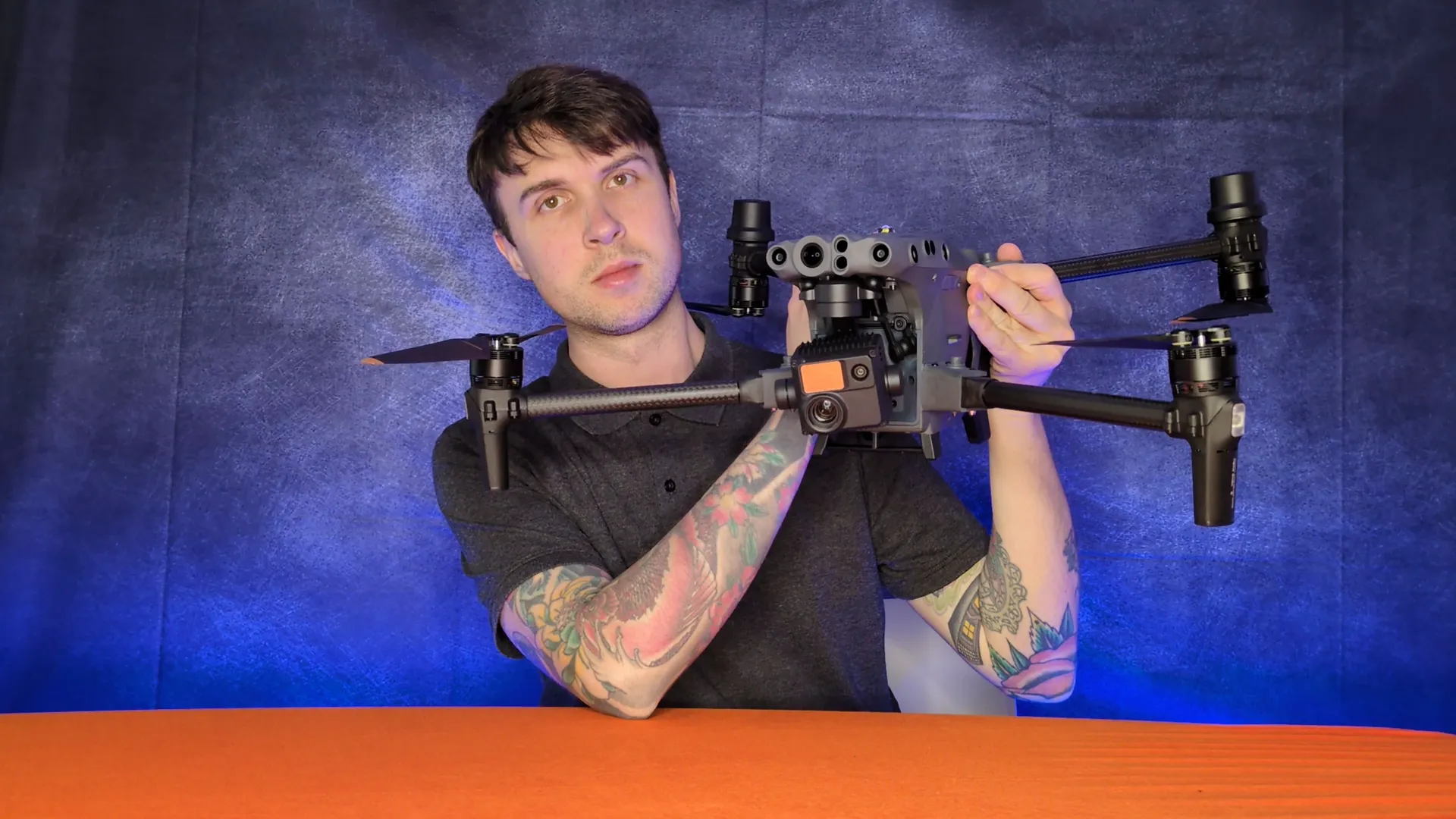
So treat drone insurance cost as a design choice, not a shopping line. A recreational drone pilot can be fully covered for the price of a takeaway. A single freelance commercial drone operator should expect to spend low-to-mid hundreds of pounds a year on a compliant annual policy. A multi-drone fleet or high-liability specialist will be in four figures and climbing. The difference between a cheap policy and a useful one is almost never the headline price — it is whether the policy still pays out in the weather, at the hour, and on the job you actually booked.
Got a specific insurance scenario you want covered — a quote that does not add up, an exclusion you are unsure about, a renewal you think is too high? Drop a note to peter@hiredronepilot.uk and I will come back to you directly. If you prefer the video version of this explainer, the comments are open on YouTube.
References
Primary source material for this article is the UK Civil Aviation Authority. External links open in a new tab.
- UK CAA — Insurance Requirements · commercial requirement, hobby exception, EU 785/2004 standard, Operator responsibility
- UK CAA — The Drone and Model Aircraft Code (CAP2320) · Open Category rules that a breach invalidates cover against
- UK CAA — PDRA01 Operational Authorisation Overview · explicit 785/2004 insurance requirement for Specific Category operations
- UK CAA — UK Regulatory Framework for Drones · UAS Implementing and Delegated Regulations, Air Navigation Order 2016
- UK CAA — Beyond Visual Line of Sight (BVLOS) · BVLOS requires Specific Category and specific cover endorsements
Peter Leslie
Founder & GVC Drone Pilot
Peter is the founder of HireDronePilot. With thousands of logged commercial flight hours, he writes about drone technology, commercial surveying tactics, and UK aviation compliance.
Connect on LinkedIn