Best Drone for Kids: What I’d Buy, and the Paperwork Nobody Mentions

Peter Leslie
31 July 2026 · 19 min read
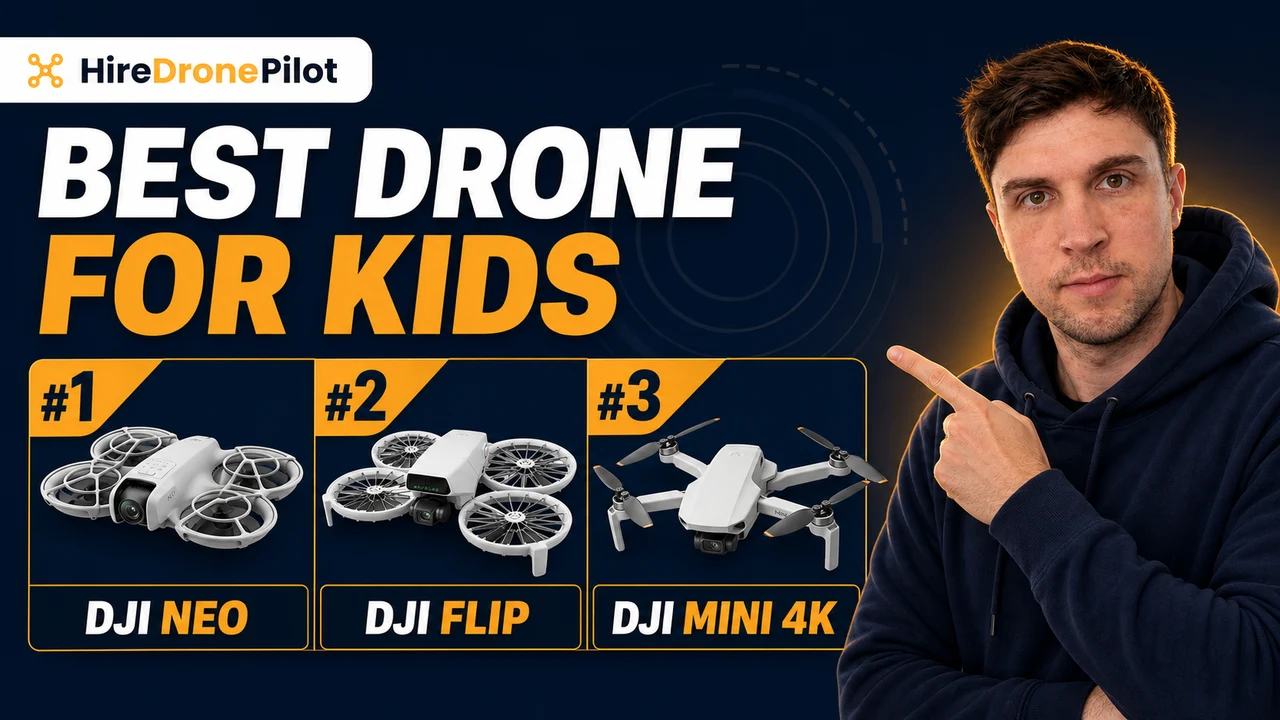
Two things about buying a drone for a child are true and almost never said out loud in the same place. The first is that a drone with a camera is not a toy in the eyes of the law — it has to be registered, and the person who registers it has to be an adult. The second is that DJI, which makes most of the drones a child is likely to be given, prints “suitable for users aged 16 and above” on the three models most likely to be given to one.
Neither of those is a reason not to buy. They are reasons to buy differently. The question is not really which drone is best for a child, because a seven-year-old is not going to be holding the paperwork or, honestly, the controller for very long. The question is which drone survives a family — a garden, a hedge, a trampoline, and a grown-up who is now legally on the hook for it.
Answered that way, the best drone for kids in 2026 is the one whose propellers are already caged when it comes out of the box, and whose registration you can complete in a single evening.
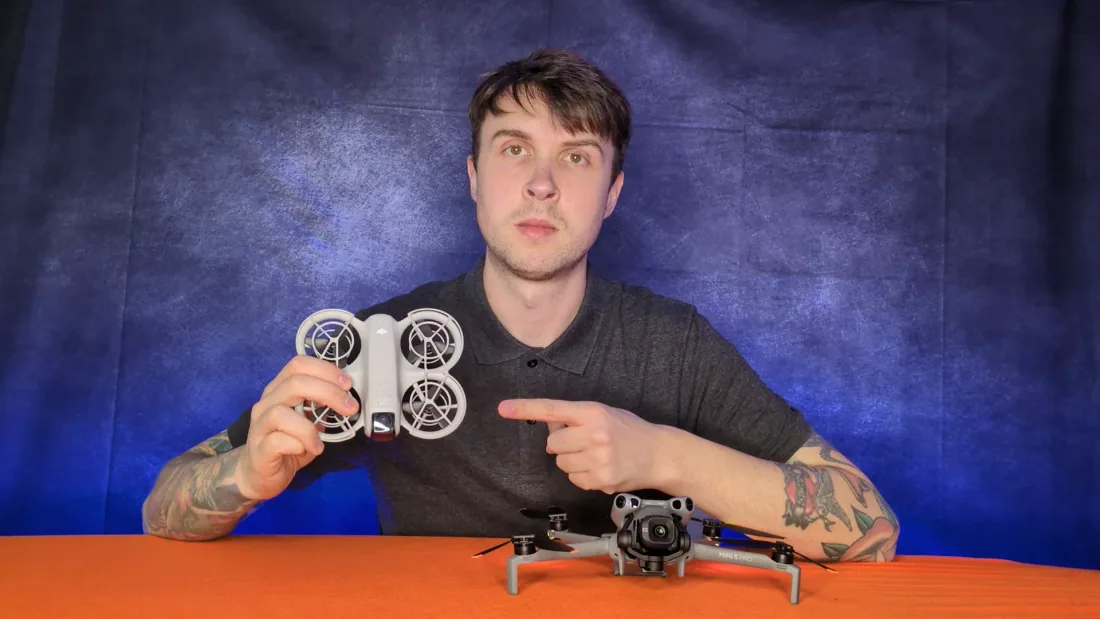
So this guide does two things the usual list of five does not. It works out what actually breaks when a child flies a drone into something — and it is not what you would guess, and it is not what a propeller guard protects. Then it sets out, in plain words, who is legally the operator, what a Flyer ID is, and which bits of that a child can do themselves at which age.
Four questions, ten drones, and one answer at the end. By the time you get there you will know which drone to buy, what it costs to keep flying for a year, and exactly which forms have your name on them rather than your child’s.
How I get paid: the Amazon links below are affiliate links, so if you buy through one I earn a small commission at no extra cost to you. It changes nothing about what I recommend — the two most expensive drones here are the two I spend the article telling you not to buy for a child, and one of the ten has no affiliate link at all because you cannot currently buy it.
The Best Drone for Kids in 2026 Is the DJI Flip
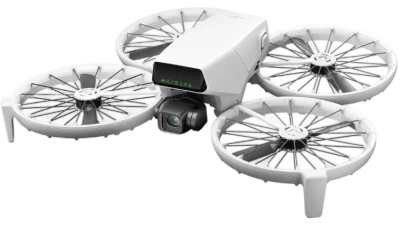
The only drone here whose propeller guards cannot be left in the box, because they are the box.
- Full-coverage propeller cages built into the airframe — not an accessory, so there is nothing to forget to fit and nothing that can be discontinued. You cannot buy a guard from DJI for four of the other drones in this guide.
- Under 249 g, so no licence needed — just a £12.34 registration an adult does online.
- Takes off from a flat palm and answers to your voice, so a child can fly it before they can work a controller.
- A 48-megapixel camera, which is why the adult will end up flying it too.
- DJI states it is suitable for users aged 16 and above — worth knowing before you wrap it.
Affiliate link · costs you nothing extra · full disclosure
PART ONE
Here are the four that win their categories — and what is wrong with each of them, because a guide that says every drone is lovely is a catalogue. Four rather than five: the DJI Flip already has its box above, and every drone left after that is one this guide argues against or cannot send you out to buy, so there is no honest fifth award to hand out.
Best Drone for a Younger Child: DJI Neo
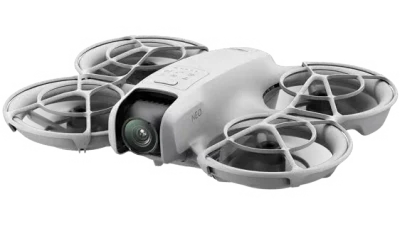
Off the palm, round in a circle, back to the palm. No sticks, no screen, nothing to learn.
- Propeller guards fitted as standard, and a few pounds a pair from DJI when they crack.
- 135 g — the lightest thing here, and the least likely to hurt anybody.
- Rated to 8 m/s of wind, the weakest here. A breezy garden is enough to move it.
Best Drone for Filming the Children Rather Than Handing It to Them: DJI Neo 2
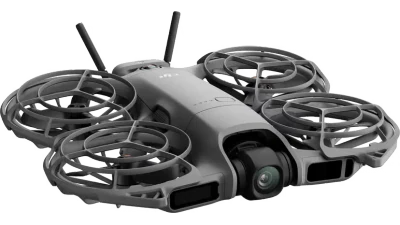
Throw it up, let it follow the bikes down the path, catch it again. Caged the whole time.
- Propeller guards fitted as standard, and a few pounds a pair to replace.
- Flown from a phone with no controller — though DJI caps you at 60 m of height in that mode.
- A 12-megapixel camera on a 1/2-inch sensor, JPEG only. It is a record, not a photograph.
Best Drone for a Teenager: DJI Mini 3
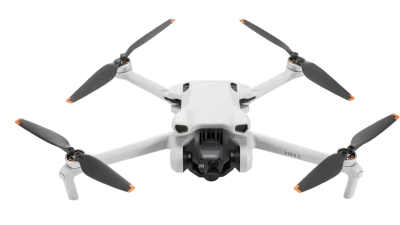
The longest flight time here and a controller with its own screen, so nobody’s phone is hostage to the hobby.
- 38 minutes a battery on DJI’s own figures — the longest here by six minutes.
- DJI UK no longer sells the 360° propeller guard for it, so the blades stay bare.
- A 1/1.3-inch 48-megapixel camera with raw files, four years old and still good.
Best Family Drone to Keep for Years: DJI Mini 5 Pro
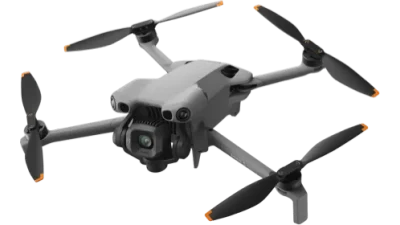
If the honest plan is that the adult flies it and the children get the photographs, buy this one and stop reading.
- DJI sells no propeller guard for it at all, so this is not the one to hand over.
- Photos sharp enough to print rather than just post — a one-inch, 50-megapixel sensor.
- 36 minutes on the standard battery. DJI advertises 52, but only with the bigger battery that pushes it over 249 g.
Affiliate links · costs you nothing extra · full disclosure
Take the quiz: find the right family drone in about twenty seconds
Four questions about who is flying it and how much you mind it breaking.
- Matched to the child you are actually buying for, not a generic top ten.
- Judged on guards and durability first, camera second.
- Every DJI drone here is one I have flown myself.
- About 20 seconds, and no email needed.
STEP 1 OF 4
10 of 10 still fit
All ten, and what each one gets wrong for a family
-
DJI Neo
135 g · C0 · guards fitted · 18 min · 1/2″ 12MP
The one a small child can launch off their own palm without ever touching a controller. It is also the lightest thing here, which is exactly why the wind wins.
- Propeller guards fitted as standard, and a few pounds a pair from DJI when they crack.
- Launches from a flat palm, so a young child can fly it with nothing in their hands.
- 18 minutes a battery, 17 with the guards on — DJI’s own figures.
- Rated to 8 m/s of wind, the weakest here. A breezy garden is enough to move it.
-
DJI Neo 2
151 g · C0 · guards fitted · 19 min · 1/2″ 12MP
Everything the Neo does, with obstacle sensing and enough wind resistance to hold still. The version I would hand a child who wants the drone to follow them around.
- Propeller guards fitted as standard, and a few pounds a pair to replace.
- Flown from a phone with no controller at all — though DJI caps you at 60 m of height in that mode.
- 19 minutes a battery, 17 with the guards on, and rated to 10.7 m/s of wind rather than the Neo’s 8.
- DJI states it is suitable for users aged 16 and above.
-
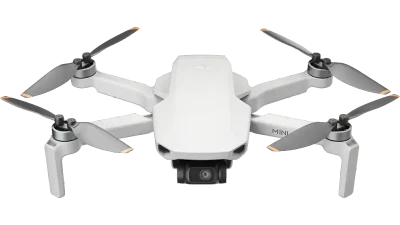
DJI Mini 4K DJI UK no longer lists it
246 g · no class mark · no guards sold · 31 min · 1/2.3″ 12MP
The cheapest way to a steady aerial shot, and the wrong shape for a child. Bare blades on four folding arms, and the guard that used to fit it is out of stock at DJI.
- No propeller guard I can buy for it — the 360° guard that fits is out of stock at DJI UK.
- DJI UK no longer sells the drone either, so you are buying up remaining stock.
- 31 minutes a battery, which is a long time for a 12-megapixel picture.
- The only drone here DJI does not rate below freezing — 0 °C and up.
-
DJI Flip
< 249 g · C0 · guards are the airframe · 31 min · 1/1.3″ 48MP
The propeller cages are not an accessory on this one, they are the structure. Nothing to fit, nothing to lose, and a camera good enough that the adult will want a go.
- Full-coverage propeller cages built into the airframe — DJI lists them as part of the exterior design, not as an accessory.
- Under 249 g, so no licence needed — just a £12.34 registration an adult does online.
- Palm takeoff and voice control, so a child can fly it before they can work two sticks.
- A 1/1.3-inch 48-megapixel camera, the cheapest genuinely good one here.
- The box includes spare propellers, a screwdriver and a gimbal protector, which tells you what DJI expects to happen.
-
DJI Mini 3 guard no longer sold
248 g · C0 · no guards sold · 38 min · 1/1.3″ 48MP
Thirty-eight minutes a battery, more than anything else here, and a controller with its own screen so no phone gets confiscated mid-flight. For a teenager it is the sensible one.
- DJI UK no longer sells the 360° propeller guard for it, so the blades stay bare.
- 38 minutes a battery on DJI’s own figures — the longest here by six minutes.
- The version linked here comes with the DJI RC screen controller, so nobody’s phone is tied up while they fly.
- A 1/1.3-inch 48-megapixel camera with raw files, four years old and still good.
-
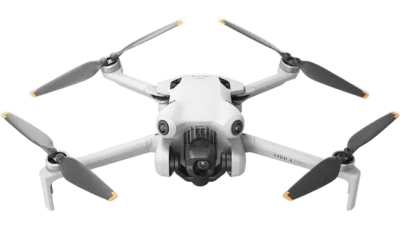
DJI Mini 4 Pro guard no longer sold
< 249 g · C0 · no guards sold · 34 min · 1/1.3″ 48MP
Obstacle sensing in every direction, which is the closest thing to a drone that refuses to hit the hedge. It is also one of the dearest things here, and every one of its propellers is bare.
- DJI UK no longer sells the 360° propeller guard for it.
- Obstacle sensing in every direction, which genuinely stops a lot of crashes before they happen.
- Under 249 g, so no licence needed — just the £12.34 registration.
- 34 minutes a battery, and a controller that borrows your phone as its screen.
-
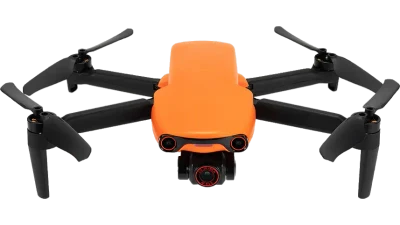
Autel EVO Nano+ no affiliate link — sold out everywhere I looked
< 249 g · class mark not published · no guards sold · 28 min · 1/1.28″ 50MP
Here so nobody can call this list a DJI catalogue. It is a genuine 249-gram alternative and every single configuration is out of stock at Autel’s own shop.
no link- Out of stock in every configuration at Autel’s own shop, so there is no buy link for it.
- A 1/1.28-inch, 50-megapixel camera under 249 grams — the only credible non-DJI option here.
- Autel does not publish a class mark for it, so I have not claimed one.
- No propeller guard is offered for it either.
-
DJI Mini 5 Pro
249.9 g · C0 · no guards sold · 36 min · 1″ 50MP
The one the parent secretly wants. A one-inch camera under the 250-gram line, which five years ago did not exist at any price — and nothing at all around the propellers.
- DJI sells no propeller guard for it at all — the accessory simply does not exist.
- Photos sharp enough to print rather than just post. The sensor is the size you would find in a good compact camera.
- 36 minutes on the standard battery. DJI advertises 52, but only with the bigger battery that pushes it over 249 g.
- Under 249 g as sold, so no licence needed — just the £12.34 registration.
-
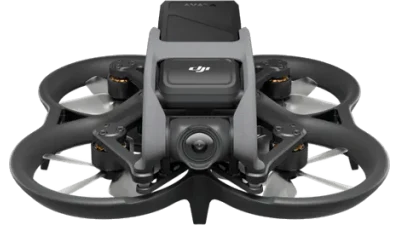
DJI Avata 2 loses privileges in 2028
377 g · C1 · guards fitted · 23 min · goggles required
Caged propellers and the most fun I have had flying anything. It is also 60 mph in the wrong hands and, in law, a two-person activity every single flight.
- You fly it through goggles, so UK law requires a second person beside you as an observer on every flight.
- 27 metres a second in manual mode — roughly 60 mph. Nothing here is further from a first drone.
- From January 2028 it needs the A2 test to fly near people. It is the only drone here that loses a freedom it currently has.
- At 377 g it is the only drone here over the 250-gram line.
-
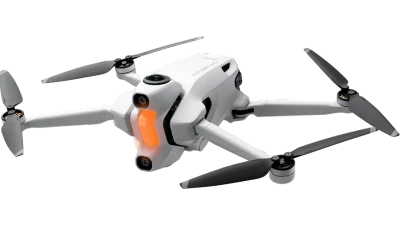
Antigravity A1
249 g · C0 · no guards sold · 24 min · goggles required
An 8K camera that films in every direction at once, flown through goggles, for the price of a family holiday. A remarkable object and the least suitable thing on this page.
- Flown through goggles, so UK law requires a second person beside you as an observer.
- 24 minutes on the standard battery. The advertised 39 needs the high-capacity battery, which takes it to 291 g and out of the no-licence class.
- It shoots 8K in every direction at once and you choose the framing afterwards, which is wonderful and nothing a child needs.
- The most expensive thing in this guide by a wide margin, and the least suitable.
The list runs broadly from cheapest to dearest, but no prices are printed here — they move week to week and the only figure worth reading is the live one on the page the link opens. Weights, flight times, class marks and camera figures are from manufacturer specification pages, checked 31 July 2026. “Guards fitted” means the drone ships with them; “no guards sold” means I could not buy a propeller guard for it from the manufacturer this week. Three rows link to a bundle rather than the bare drone: the Neo link is the Fly More Combo, the Mini 3 comes with the DJI RC screen controller, and the A1 is Antigravity’s standard kit. Where the maker still sells the bare drone separately it costs less than the bundle linked here, so check what is in the box before you buy. Comparison specifications from DroneCompare, CC BY 4.0.
PART TWO
What breaks first, and who is legally the operator
Two things decide whether this present is a success in March as well as on the day it is opened. One is physical and one is administrative, and shops are equally quiet about both.
The order things break in
A drone does not break the way a toy breaks. It fails in a sequence, and the sequence is the same every time. Knowing it tells you which drone to buy and what to keep in the drawer.
First, the propellers. Always. They are thin plastic spinning fast, they are the outermost part of the drone, and they are designed to be the sacrificial bit. A clipped hedge, a landing on gravel, a fence post — a propeller chips or bends and the drone starts to vibrate. This is the cheapest possible outcome and it is why DJI puts spare propellers and a screwdriver in the DJI Flip’s box. A replacement pair is the cheapest part you will ever buy for a drone — loose change against the drone itself, and cheaper again for the two Neos than for anything else in this guide, because their blades are the smallest here. Buy a spare set with the drone. You will use it.
Second, the camera and the arm that holds it. This is the expensive one and it is the one nobody warns you about. On almost every drone in this guide the camera hangs off the front on a little motorised cradle, sticking out past the body, with nothing around it. Look at the photograph below: the propellers are inside a cage and the camera is the most exposed thing on the drone. A nose-first landing in long grass is survivable. A nose-first landing on a patio is a repair.
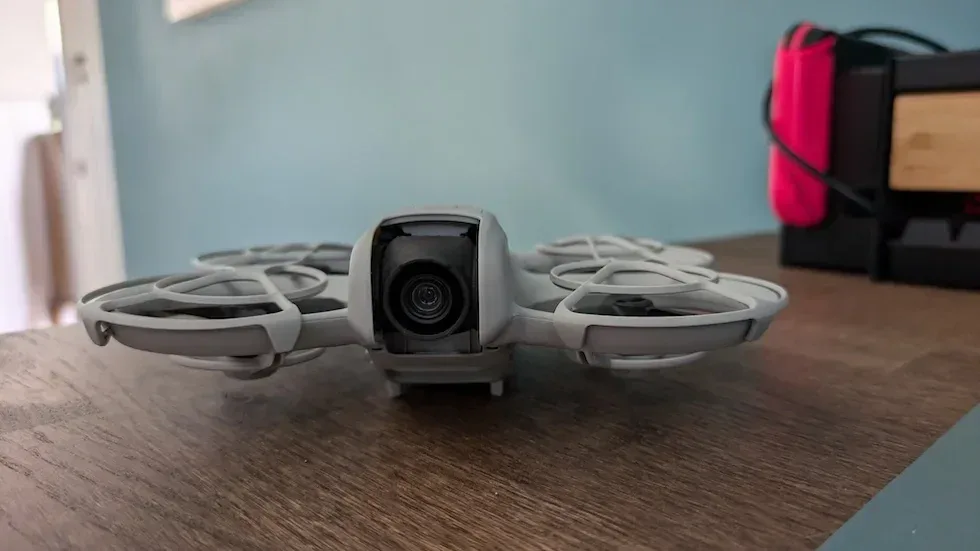
Third, the arms and the shell. Folding drones fold at a hinge, and a hinge is a weak point. This is the one that ends the drone rather than costing you a part, and it usually takes a proper fall from height rather than a bump.
Fourth, and this is not a joke, the interest. Every drone in this guide gives you somewhere between eighteen and thirty-eight minutes per battery, and a battery takes about an hour to charge. One battery means one flight and then an hour of waiting, which for a nine-year-old is the same as the drone being broken. A second battery does more for how much the thing gets used than anything else you could add to it, and it is the first thing I would buy after the drone.
What propeller guards actually protect
Here is the part that surprises people. Propeller guards do not really protect the drone. They are a cage around the blades, and the blades were the cheap part. What they protect is everything the blades would otherwise touch: fingers, faces, the dog, the curtains, and the drone’s own ability to bounce off a wall instead of digging into it.
That is still the single most important feature on a drone a child will fly, because the risk you are actually managing is not a broken drone. Spinning propellers on a small drone will not take a finger off, but they will cut, and a child’s instinct when a drone comes towards them is to put their hands up. Cage the blades.
And here is the thing I did not expect when I went looking. The bolt-on guards are disappearing. DJI has stopped selling the 360° propeller guard for the Mini 3 and the Mini 4 Pro in the UK, the one that fits the Mini 4K is out of stock, and no guard has ever been offered for the Mini 5 Pro at all. If you want a caged drone in 2026 you do not buy a guard, you buy a drone that comes with one.
CAN YOU CAGE THE PROPELLERS?
| DRONE | GUARDS | SPARE PROPELLERS |
|---|---|---|
| DJI Flip | Built into the airframe | Sold by DJI |
| DJI Neo | Fitted as standard, spare pairs sold | Cheaper than most |
| DJI Neo 2 | Fitted as standard, spare pairs sold | Cheapest here |
| DJI Avata 2 | Built in — but see the goggles problem | Sold by DJI |
| DJI Mini 4K | Guard out of stock at DJI UK | Dearest here |
| DJI Mini 3 | No longer sold by DJI UK | Sold by DJI |
| DJI Mini 4 Pro | No longer sold by DJI UK | Sold by DJI |
| DJI Mini 5 Pro | None made | Sold by DJI |
| Antigravity A1 | None offered | Not listed |
| Autel EVO Nano+ | None offered | Not listed |
Guard and spare-part availability from the DJI UK store, checked 31 July 2026. The propeller column is relative rather than absolute: every spare pair DJI sells for these drones costs a small fraction of what the drone did, and it is the ordering that is worth knowing — the Neo 2’s are the cheapest here and the Mini 4K’s the dearest. Autel does not sell a guard or list a spare propeller for the EVO Nano+, and Antigravity offers neither for the A1.
Now the part with your name on it
A drone with a camera is not, legally, a toy. If it weighs 100 grams or more it has to be registered with the Civil Aviation Authority before it goes outside, and there are two separate registrations that do two different jobs. Every drone in this guide is over 100 grams and every one has a camera, so all ten need both.
A Flyer ID is for the person holding the controller. It is a free online theory test, it takes an evening, and it lasts five years. An Operator ID is for the person responsible for the drone. It costs £12.34 a year, and the number it gives you has to be written on the outside of the drone in block capitals more than 3 mm tall.
Here is the sentence that matters. You must be 18 or over to register for an Operator ID. So if the drone belongs to a child, a child cannot be its operator. An adult has to register instead — and it is that adult’s number that goes on the drone, and that adult who is answerable for it.
The CAA is specific about what the operator is signing up to. You have to label every drone you are responsible for with your Operator ID. You have to maintain it. You have to make sure it is flown safely and legally. And you have to make sure that only people with a valid Flyer ID use it — which in a family means you cannot simply hand it round at a barbecue.
One Operator ID covers every drone in the household, so if you later buy a second one you do not pay twice. And you can register as an operator without taking the Flyer ID test at all, if you own the drone but genuinely will not fly it.
What the child has to do, by age
The child needs their own Flyer ID. There is no minimum age for that, but there are rules about how they get it and who has to be standing next to them afterwards.
WHO DOES WHAT, BY AGE
| AGE | FLYER ID | SUPERVISION | OPERATOR ID |
|---|---|---|---|
| Under 12 | Required. Parent or guardian must be present for the test. | Must be supervised by someone 16 or over | Adult holds it |
| 12 | Required. Parent or guardian must be present for the test. | Not required | Adult holds it |
| 13–17 | Required. Can take the test alone. | Not required | Adult holds it |
| 18 and over | Required. | Not required | Can hold their own |
From the CAA’s children and parent guidance and its Flyer ID and Operator ID pages. The under-13 rule about a parent being present is a data protection requirement, not a flying one. There is more on this in the guide to the minimum age for flying a drone in the UK.
Read that table next to what DJI says and you get the strangest fact in this whole article. The law is more relaxed than the manufacturer. A thirteen-year-old with a Flyer ID can legally fly a DJI Flip on their own — and DJI’s own product page says the Flip is “suitable for users aged 16 and above”. It says exactly the same about the Neo and the Neo 2. Those three are, by some distance, the three drones in this guide most likely to be bought as a present for a child.
I do not think that means do not buy one. I think it means the honest version of this purchase is that you are buying a drone, the child is learning to fly it with you, and the amount they do unaccompanied goes up with the birthdays. Which, conveniently, is also what the Operator ID already committed you to.
Flying without the registrations you need is a criminal offence, not a technicality. The CAA says so in plain words: you can be fined, and in the most serious cases imprisoned. Nobody is coming to a back garden with a warrant over a 135-gram Neo. But if a drone ends up somewhere it should not be, the number stuck on the side is yours.
Where a family can actually fly one
Registration is only half the answer. The other half is where the thing is allowed to go, and this is where a lot of first weekends go wrong.
Every drone in this guide except the Avata 2 is under 250 grams, which puts you in the friendliest category the UK has: Over People (A1). In A1 you may fly in a residential area, you may fly closer than 50 metres to people, and you may fly over people who are not part of what you are doing. You must not fly over crowds. That single line is why the 250-gram limit dominates every drone article on this site, and why the entire industry now builds drones that weigh 249 grams.
Three limits apply to everyone, and they are the three a child will test first. 120 metres is the height ceiling — that is 400 feet, and it is measured from the nearest ground rather than from where you are standing. Keep it in sight, with your own eyes, the whole time. And you need the landowner’s permission to take off and land, which is the one that catches families out.
Your own garden is straightforward, and I have written separately about flying a drone in your garden. The local park is not. The CAA’s rules do not ban it, but the council or trust that owns the grass sets its own policy, and a great many of them say no — the detail is in the guide to flying a drone in a public park. Check before you drive there with an excited eight-year-old in the back, not after.
You do not need insurance to fly for fun. Third-party insurance is only compulsory if you are flying commercially. If the drone is going to spend its life over a garden shared with neighbours, hobby cover is still worth a look, but it is a choice rather than a requirement.
And you almost certainly do not need a licence. The A2 Certificate of Competence is a paid theory test that lets you fly heavier drones close to people. Every drone in this guide except the Avata 2 is under 250 grams, and under 250 grams the A2 buys you nothing you do not already have. Do not let a shop sell you one alongside a child’s first drone.
PART THREE
What happens the first time they crash it
Not if. I have flown every DJI drone in this guide and I have put several of them into things I did not mean to. A child will do it faster and more cheerfully, and the interesting question is what it costs when they do.
There is a specific answer, and it has a deadline attached that almost nobody mentions.
THE 48-HOUR WINDOW
Buy the crash cover before you switch it on
DJI sells a protection plan called DJI Care Refresh. It covers collision, water damage, flyaway and ordinary wear, and it gives you two replacement drones in the first year, one of which may be used for a flyaway.
The catch is the timing. DJI will only sell it to you for a brand-new drone, or one that has been activated within the last 48 hours. Miss that window and the option is gone for good.
Which means the decision has to be made before the drone is unwrapped, not after the first crash. If a child is getting the drone at Christmas, you are buying the cover in December, not in January when the gimbal is bent.
The cost of the crash, drone by drone
DJI prices Care Refresh per drone, and it moves with the drone: the plan for the cheapest thing in this guide costs a small fraction of the plan for the dearest. That much you would guess. What you would not guess is the shape of it as a proportion of what you paid, which is the number that decides whether it is worth having.
On most of these drones a year of cover comes to somewhere between an eighth and a seventh of the drone’s own price. That is true of the DJI Flip, the Mini 3, the Mini 4K and the Mini 4 Pro alike, and it is a little under that on the Mini 5 Pro and the DJI Neo. Two drones break the pattern, and they break it in opposite directions. The DJI Neo 2 is by a wide margin the cheapest thing here to cover, proportionally as well as absolutely — against the drone it is close to a rounding error. The DJI Avata 2, which you would expect to be punished for being the fastest and most crashable thing on the page, costs proportionally less than half what the Flip does to insure.
Ranked by what the plan itself costs, cheapest first, it runs: Neo 2, Neo, Mini 4K, Flip, Avata 2, Mini 3, and then the Mini 4 Pro and the Mini 5 Pro level with each other at the top. So the honest argument for starting at the bottom of this list is not that cover is proportionally cheaper down there — mostly it is not — but that every cheque attached to a cheap drone is a smaller one. The cover is smaller, the replacement is smaller, and so is the sum you have simply lost if it goes into a river.
One last thing worth knowing before you pick a term. On every drone here except the Neo 2, two years of cover costs less than two single years do, so if you are buying it at all the longer term is the better value. The Neo 2 is the one exception, where the second year costs more than the first — which, on the drone that is cheapest to cover in the first place, is a small thing to be wrong about.
Care Refresh terms and pricing read from DJI UK on 31 July 2026, and compared rather than quoted: DJI’s prices and Amazon’s move independently and neither stays put, so the orderings above will outlast any figure I could print. The Antigravity A1 and the Autel EVO Nano+ are not DJI products and are not covered by this plan; neither maker publishes an equivalent UK plan I could verify, so they are left out rather than guessed at. DJI does not publish the fee charged per replacement on the page these plans come from, so I have not put a number on it either.
A realistic first year with a DJI Flip
The number in your head is whatever the DJI Flip costs on the day you buy it. That is not the number that leaves the account. Here is the rest of it, in the order you will meet it, if you register properly, buy the cover in time, and accept that a drone flown by a child needs a second battery and a spare set of propellers.
The registrations come first, and they are nearly free. The child’s Flyer ID costs nothing and lasts five years. Yours costs nothing either, and you want one, because you will be flying it too. The A2 Certificate of Competence costs nothing because under 250 grams you do not need it. The only line the law actually charges you for is the Operator ID, at £12.34 a year in an adult’s name, and that one registration covers every drone in the house.
Then the three things that decide whether it still gets flown in March. DJI Care Refresh, which you have 48 hours from activation to buy and cannot buy afterwards at any price. A second battery, which costs roughly a fifth of what the drone did and is still the single best thing you can add to it — one battery means one flight and then an hour of waiting. And a spare pair of propellers, which is the cheapest line on the whole list and the one you are most certain to need. A memory card is the afterthought that turns out not to be optional, and the only one of these you might already own: without one the drone records nothing at all.
Add those up and the honest planning figure is about half as much again as the drone itself across the first twelve months. The two largest additions are the second battery and the crash cover, and it is the battery, not the cover, that is the bigger of the two. Leave the cover out altogether and it lands nearer a third over. None of it is optional-but-actually-compulsory nonsense. The registration is the law. The second battery is the difference between one flight and an afternoon. The cover is the one thing you cannot go back and buy later. Only the memory card is a guess, and if there is a spare in a camera drawer it is free.
PART FOUR
What I’d buy, and who I’d buy it for
One drone, and I would not spend long deciding: the DJI Flip. It sits in the cheaper half of this list on price and at the top of it on everything that matters to a family.
Everything that makes it right for a family is structural rather than clever. The propeller cages are the airframe, so nobody can decide it looks better without them. It weighs under 249 grams, so the legal position is the simplest one available in Britain. It takes off from a flat palm and answers to a voice, so a small child can fly it before they can coordinate two sticks. And it has a 48-megapixel camera, which matters more than it sounds, because a present that only the child enjoys gets flown twice.
I have flown it. The thing I noticed is not in any specification: with the cages on it bounces off a wall rather than biting into it, and that changes how a beginner flies. They stop being afraid of it. The Flip is the drone I would hand a nervous first-timer of any age, and being a child is just a particular case of being a nervous first-timer.
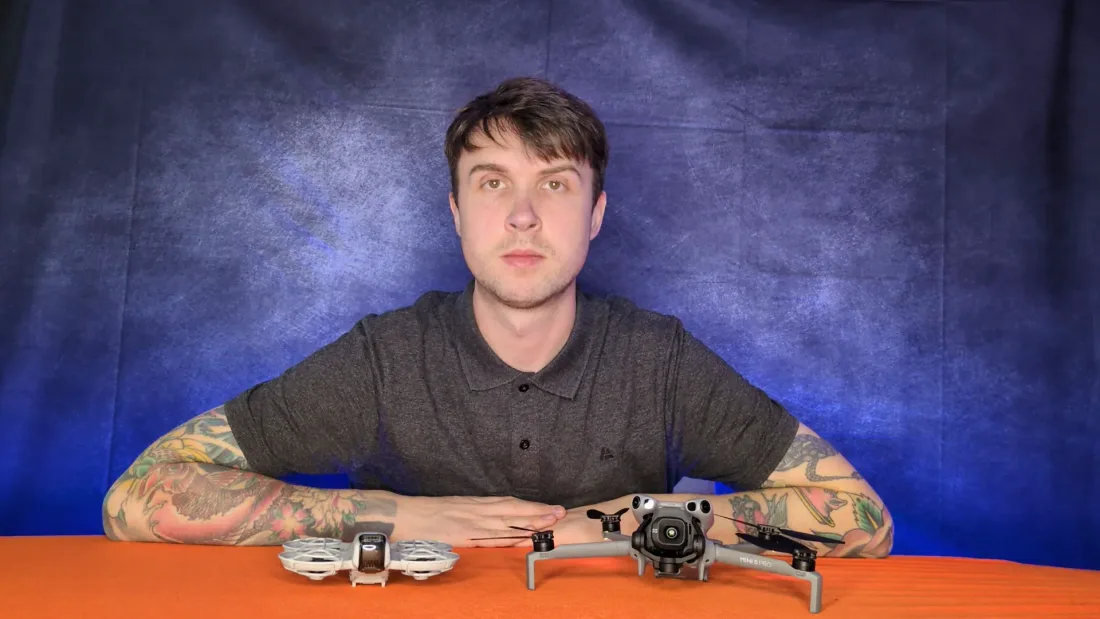
If the child is under eight
Buy the DJI Neo instead. The link here goes to the Fly More Combo; DJI UK still sells the drone on its own for little more than half that, and on its own is all a small child needs. It launches from a palm, flies a preset shape and comes back, and it does that without anybody holding a controller at all. At 135 grams it is the least alarming object in this guide, and the cheapest. Its weaknesses are real — 8 m/s of wind resistance means a gusty afternoon beats it, and the camera is a record rather than a photograph — but neither of those is what you are buying it for. If even that is more than you want to risk on something a child will fly into a hedge, the honest answer is in what a three-hundred-pound budget buys you in a drone.
If the child is a teenager
Buy the DJI Mini 3 with the screen controller. It costs meaningfully more than the Flip, and a thirteen-year-old with a Flyer ID can legally fly it unsupervised, which is what that money buys you: this is the one that rewards actually getting good. Thirty-eight minutes a battery, a real 48-megapixel camera with raw files, and a controller with its own screen so their phone is not part of the arrangement. It has no propeller guard on sale, which by then is a fair trade. If they turn out to be serious, the whole beginner field is ranked in the guide to beginner drones, and the sub-250-gram class in the roundup of drones under 250 grams.
If you are honest and it is really for you
Buy the DJI Mini 5 Pro and let the children fly it under supervision. It is more than twice the Flip, and a one-inch sensor under the 250-gram line is a genuinely remarkable thing to get for that; the family photographs will be better for it. Just do not pretend the bare propellers are a child’s drone. Everything at this end of the market, kids or not, is compared in the five-hundred-pound bracket.
The one I’d actively tell you not to buy for a child
The DJI Avata 2. It is caged, it is brilliant, and I enjoy flying it more than anything else on this page. It is still the wrong present.
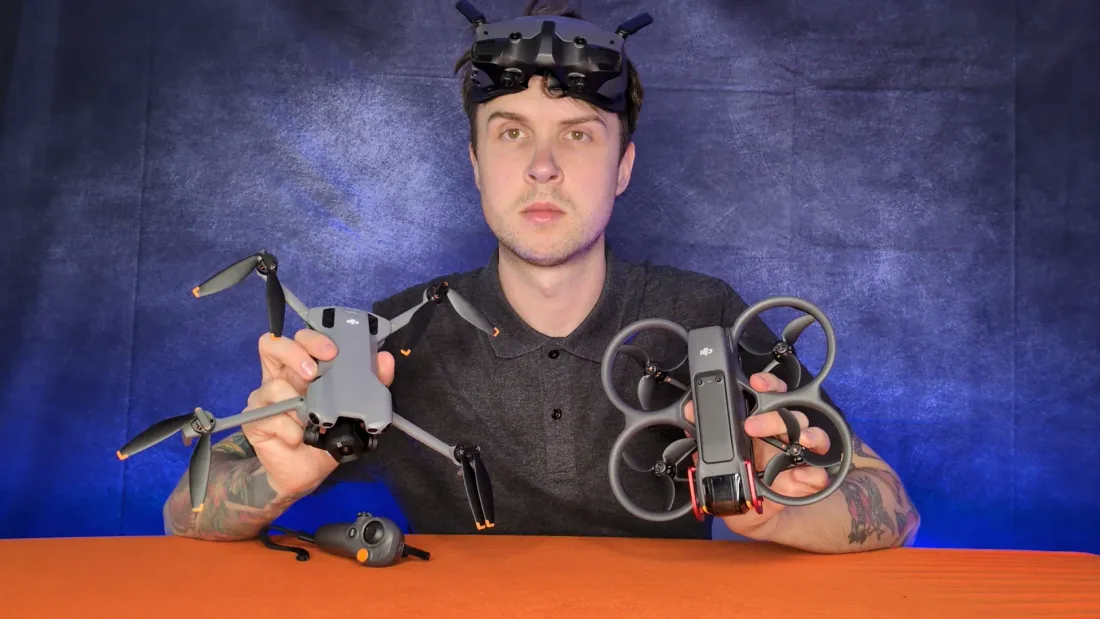
You fly it through goggles. That is the whole point of it, and it is also the problem: the moment you put goggles on, UK law requires a second person stood next to you, able to talk to you, keeping the drone in direct sight. Not a phone screen, not a tablet — their own eyes. So a child cannot take it to the park with a friend and use it; a child can take it to the park with an adult who has agreed to stand there and watch the sky.
Then there is what it does. In manual mode it will do 27 metres a second, which is around 60 miles an hour, and at 377 grams it is the only drone here over the 250-gram line. Its C1 class mark currently lets you fly it near people without a qualification — and that expires on 1 January 2028, at which point it needs the A2 test. It is the only drone in this guide that loses a freedom it has today.
None of that makes it a bad drone. It makes it a bad first drone, and a worse one for someone who will be flying it because it looks fast. If a teenager genuinely wants to fly through goggles, do it together, deliberately, and read the observer rule properly first.
And if what you actually want is one lovely aerial photograph of the family, of the house, of the wedding — rather than a new hobby with paperwork attached — owning is the expensive way round. You can hire a qualified drone pilot who already has the drone, the qualifications and the insurance, and there is a drone photography service for exactly that.
Best drone for kids: the questions I get asked most
What is the best drone for kids in the UK in 2026?
The DJI Flip. Its propeller guards are not an accessory you bolt on and lose — they are the airframe, folded around every blade, so the one part of a drone that can actually hurt a child is covered before it leaves the box. It weighs under 249 grams, so it needs no test and no licence beyond registration, and it has a 48-megapixel camera good enough that a parent will want to fly it too. Spend less and the DJI Neo, the cheapest drone in this guide, launches from a child’s palm with no controller at all. Note that DJI itself states the Flip, the Neo and the Neo 2 are suitable for users aged 16 and above.
Can a child legally own and fly a drone in the UK?
A child can own one and fly one, but a child cannot be the registered operator. The Civil Aviation Authority requires you to be 18 or over to hold an Operator ID, so if a drone belongs to someone under 18 an adult has to register as its operator. That adult is then legally responsible for labelling it, maintaining it, making sure only people with a valid Flyer ID fly it, and making sure it is flown safely and legally. The child still needs their own Flyer ID.
Does a child need a Flyer ID to fly a drone?
Yes, for anything weighing 100 grams or more, and there is no lower age limit on it. Children under 13 must take the free online theory test with a parent or guardian present, for data protection reasons. Young people aged 13 to 17 can take the test on their own and can fly unsupervised. Children under 12 must only fly when supervised by someone aged 16 or over. The Flyer ID is free and lasts five years.
Do toy drones with cameras need registering?
If it weighs 100 grams or more and has a camera, yes — it needs both a Flyer ID and a £12.34-a-year Operator ID, no matter how much it looks like a toy. Under 100 grams both are optional, though the CAA recommends the Flyer ID anyway. Every drone in this guide is over 100 grams and every one has a camera, so all ten need both. Flying without the required IDs is a criminal offence.
Do propeller guards actually protect the drone?
Barely. Guards protect people, pets, furniture and curtains from the propellers — that is what they are for and they do it well. What breaks in a crash is the propellers themselves, and then the camera and the gimbal that holds it, because on most small drones the camera hangs out in front of the airframe with nothing around it. A guard is a cage around the blades, not a bumper around the camera. Buy them for the child’s fingers, not for the drone’s survival.
What age does DJI say its drones are for?
DJI’s own product FAQ states that the DJI Neo, the DJI Neo 2 and the DJI Flip are each "suitable for users aged 16 and above". Those are the three drones in this guide most likely to be bought as a present for a child. UK law is more permissive than that — a 13-year-old with a Flyer ID can fly unsupervised — so the manufacturer’s guidance, not the law, is the stricter of the two. Treat it as a strong hint that the adult should be doing the flying at first.
The short version
If you read all of that and still want me to just say it: buy the DJI Flip. The propeller cages are built into it rather than sold separately, it is under 249 grams so the paperwork is the simplest available, and a child can launch it off their palm. Register it in an adult’s name, get the child their own free Flyer ID, and buy the crash cover before you switch it on.
Affiliate links · costs you nothing extra · full disclosure
No prices are quoted anywhere in this guide. Drone prices move constantly and the only figure worth trusting is the live one on the page you are buying from, so everything here is expressed as an ordering or a comparison instead — which is what you need to choose between them anyway. Where a link goes to a bundle rather than the bare drone, the row says so. Weights, class marks, flight times and camera figures were checked on 31 July 2026 against manufacturer specification pages; the age guidance is quoted from DJI’s own product FAQ. Registration, supervision and sub-category rules are from the UK Civil Aviation Authority. Comparison specifications from DroneCompare, licensed under CC BY 4.0. Amazon links are affiliate links.