Can DJI Disable a Stolen Drone? What You Can Actually Do

Peter Leslie
12 Sept 2025
Key Takeaways
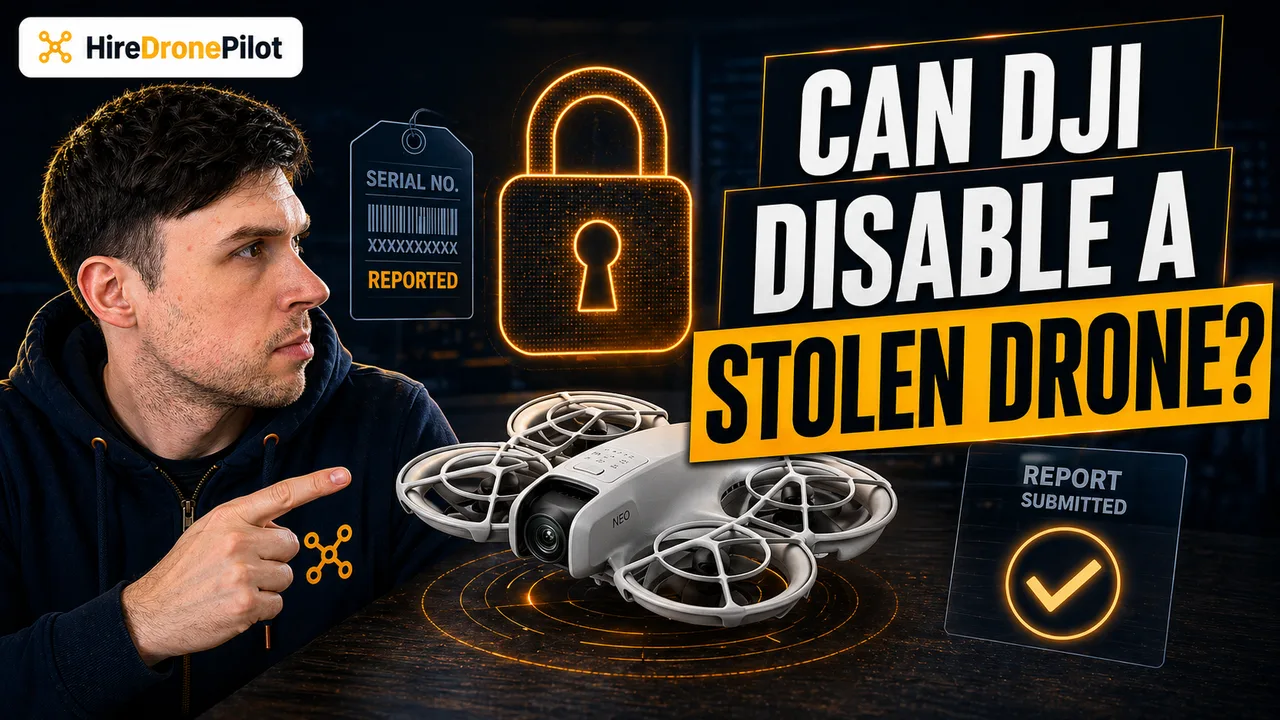
- DJI does not provide a remote kill switch to brick a stolen drone — no consumer drone maker does, for safety and liability reasons
- The most powerful practical tool you have is the serial number, because DJI can refuse warranty, repair, and activation on a flagged unit
- Report the theft to the police with a crime reference, then contact DJI support and lodge the serial number against your account
- If the drone was UK-registered, notify the CAA and the police — your Operator ID on the drone is legally mandated and the regulator takes theft and mis-registration seriously
- Prevention is cheaper than recovery — label the drone, keep the serial number and receipts, insure it, and tie the drone to an account before the first flight
The most common question people ask after a drone theft is whether DJI can simply switch the drone off from the other side of the world. The short and honest answer is no. There is no remote kill switch that turns a consumer drone into a paperweight, and there are good safety and liability reasons that is the case.
What you actually have is a set of practical steps that, in combination, make a stolen DJI drone substantially less useful to a thief and substantially more likely to be recovered — or at least refused service inside the DJI ecosystem. This article is the playbook most commercial drone pilots should have in their head before their kit goes missing, not after.
DJI cannot remotely disable a stolen drone — that is the wrong mental model
There is a persistent online rumour that DJI maintains some kind of hidden kill command it can send to a specific drone on request. It is not true, and it was never true. Consumer drones do not sit on a permanent encrypted link with the manufacturer while they fly. For a drone to be remotely bricked in the air would require both that constant link and a deliberately dangerous piece of software — because cutting power to a drone in flight would simply drop it on whoever was underneath.
What DJI does have is an account and serial-number ecosystem. Every DJI drone has a unique serial number. When a drone is first powered on, it activates against a DJI account, pulls firmware updates, and registers itself inside DJI's backend systems. That account link is the real leverage point when a drone is stolen.
The mental model to keep is simple. Nobody can switch the hardware off for you. What DJI can do is refuse to sell services to someone flying your serial number. That is enough to make a stolen drone much less useful.
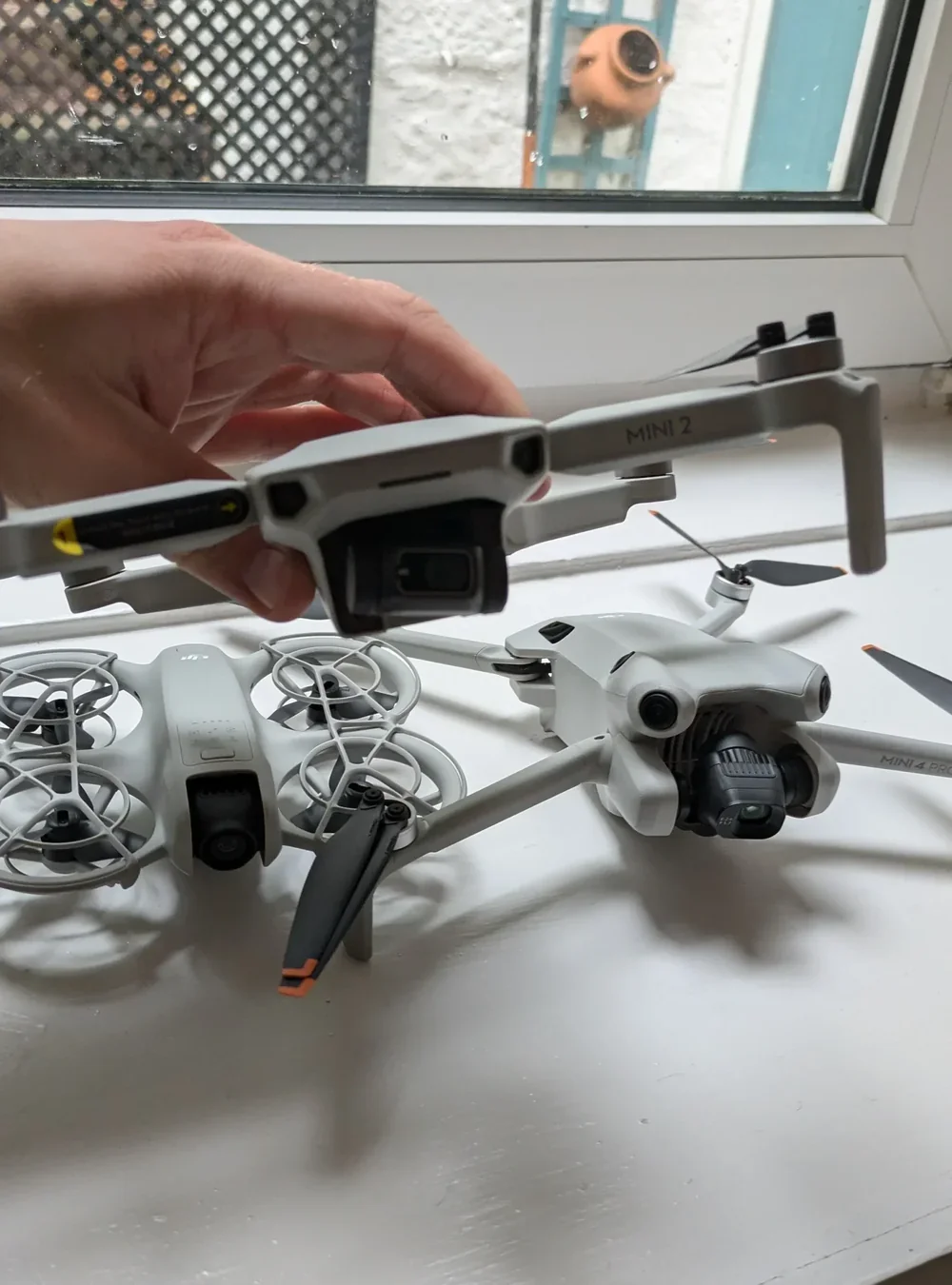
The serial number is the single most powerful piece of information you have — write it down before the drone leaves your office
Every DJI drone has a serial number printed on the body of the drone and, in most cases, accessible in the flight app and inside the battery compartment. That number is the unique identifier DJI uses for warranty, repair, firmware activation, and Care Refresh policies.
If a thief takes your drone, tries to activate it on a fresh DJI account, and you have already reported the serial number to DJI, they can refuse to bind it. They can refuse warranty work on it. They can refuse repair. They can refuse to honour any remaining Care Refresh. The drone still flies, mechanically, but it is shut out of the software-supported side of the ecosystem.
This is why the first thing every commercial drone pilot should do with a new drone — before a flight, before a job, before anything — is write the serial number into a secure record. Photograph the serial label on the drone, save the box receipt, and make sure both are stored somewhere that is not on the drone itself. If you operate more than one drone, keep a simple spreadsheet with the date of purchase, serial, current firmware, and any repair history.
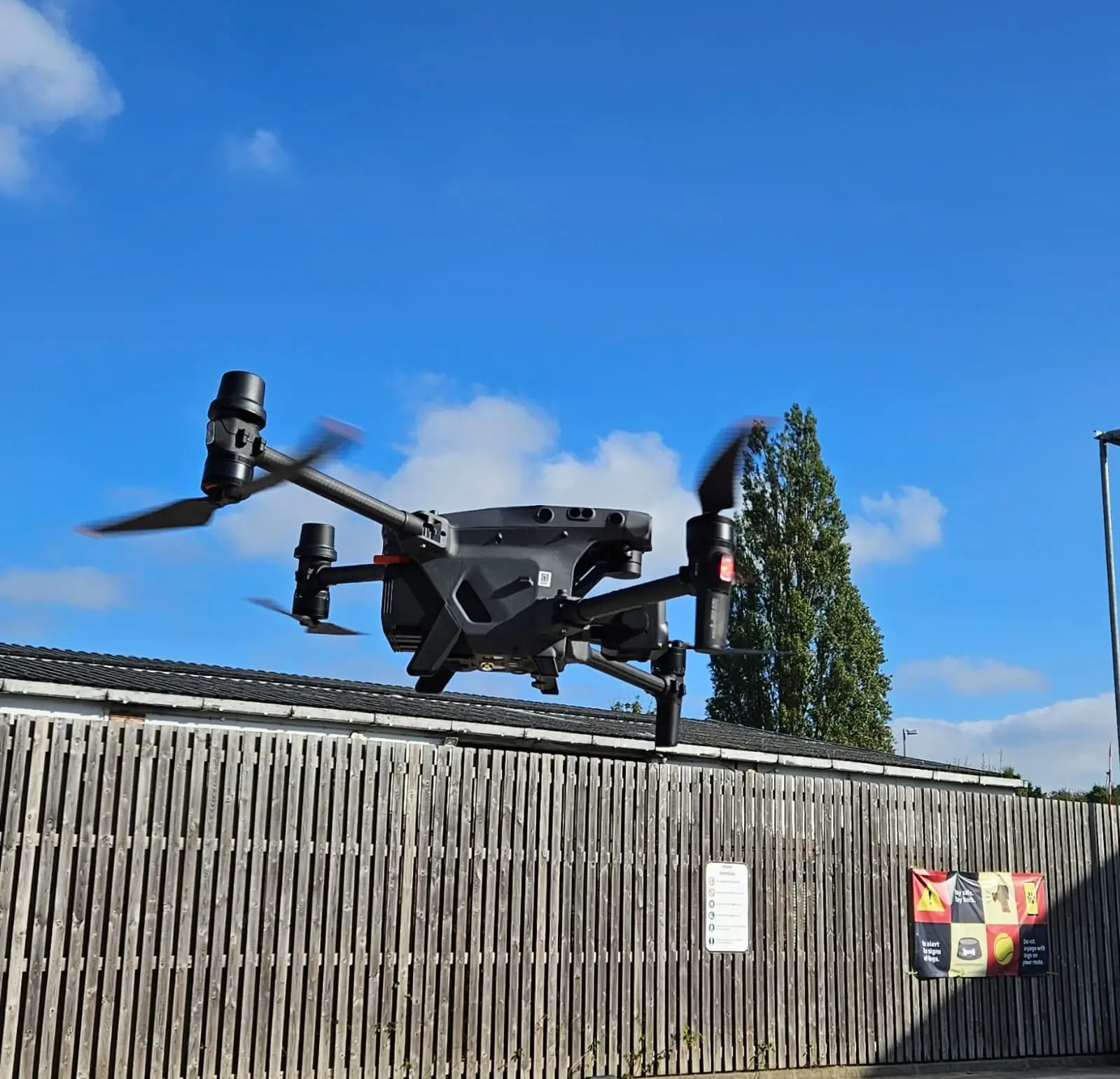
The post-theft playbook is police first, DJI second, and the CAA third
If a drone has been stolen, the order of the next three phone calls matters. First, the police — you need a crime reference number before anything else will progress. In England and Wales, non-emergency theft is reported through the 101 line or via the police force's online reporting portal. Get the crime reference written down.
Second, DJI Support. Report the theft through their official channel, supplying the crime reference and the drone's serial number. DJI's published position is that they cooperate with law enforcement on stolen hardware and that reported serials can be flagged inside their systems. Note that this is a commercial support process, not a legal one — DJI is not obliged to brick your drone, only to refuse business to whoever turns up with it.
Third, the CAA. If the drone was in the UK it had an Operator ID physically labelled on it — a legal requirement under the Drone Code. A stolen labelled drone is a particular risk, because any subsequent unlawful flight will trace back to your registered identity until the incident is on record. Notifying the CAA protects you from an enforcement process aimed at the wrong person.
Your Operator ID on the side of a drone is a legal requirement. If someone else is flying a drone with your ID, the first person a CAA enquiry finds is you.
This intersects with the broader topic of identifying a drone operator and the scope of police powers over drones. Both articles cover the enforcement angle in more depth. The underlying broadcast system that makes a stolen drone traceable in the air is covered in our Remote ID update guide.
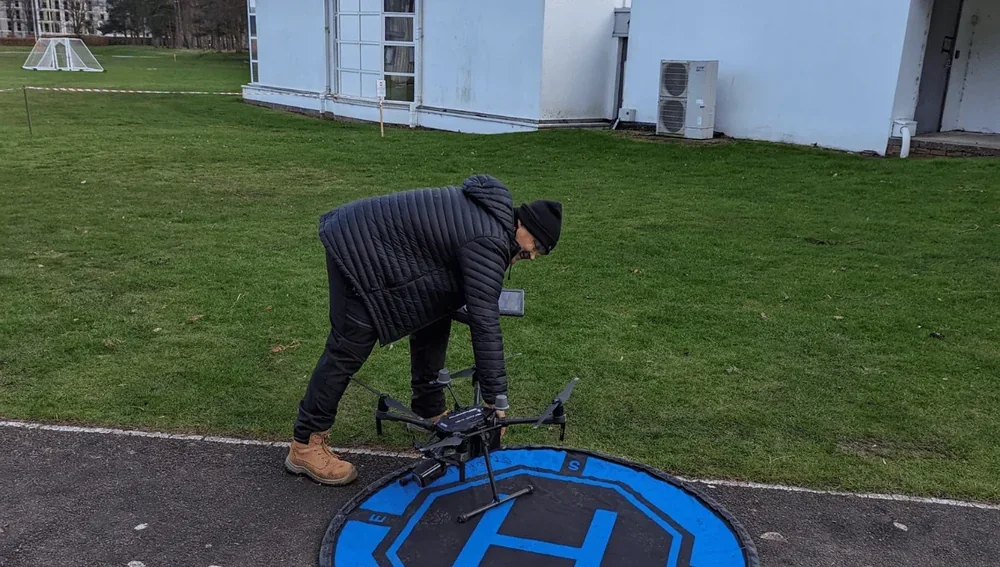
A reported serial number locks the drone out of the DJI ecosystem without touching the hardware
Once DJI has the serial number on record as stolen, the downstream effect is broader than people expect. A thief attempting to sell the drone quickly discovers that any prospective buyer who runs a DJI activation check will see an issue. Warranty transfers are blocked. Repair requests are refused. Care Refresh cannot be bound. Even firmware recovery through DJI's support channels is off the table.
For most commercial buyers, and a growing share of private buyers, that is a dealbreaker. A DJI drone without DJI support is worth a fraction of the same drone in clean status, and any serious secondary marketplace will want the activation history verified before release. The stolen serial becomes a running advert to the used market that this unit is not what it claims to be.
None of this brings the drone back on its own. It does compress the resale market for the thief, and it occasionally produces the unexpectedly good outcome where a would-be buyer sends an activation screenshot back to the listed seller saying something is wrong — and a police investigation gets its first lead.
Prevention is cheaper than recovery — label, insure, and account-bind before the first flight
The fastest way to never use any of the advice above is to make theft unattractive in the first place. Record and securely store the serial number on purchase. Label the drone with your Operator ID as the CAA requires. Transport the drone in unbranded cases rather than the conspicuous DJI livery. Keep drone insurance live so that a recovery is replaced by a payout if the police investigation stalls. For the cost side of that decision, see our drone insurance cost explainer.
For commercial drone operators there is one extra step worth building into a workflow. Maintain an asset log that pairs every drone serial with its Operator ID, its insurer, and the person responsible for its day-to-day storage. The five minutes that takes on a new drone is worth several hours of cleanup if that drone later disappears out of the back of a van at a site. For the regulatory overview that governs all of this, UK drone laws is the hub article, and drone flight logs covers the recordkeeping side of a lost-drone investigation.
So the honest answer to the headline question. DJI will not — and cannot safely — brick a stolen drone remotely. What they will do is refuse service on a serial you have reported, and that is enough to make the stolen drone a much worse asset for the thief than it was for you. Get the serial to them quickly, get the crime reference from the police first, and make sure the CAA knows before an unrelated complaint arrives with your Operator ID on it.
Got a specific theft scenario or a borderline case you want covered? Drop a note to peter@hiredronepilot.uk and I will come back to you directly. If you prefer the video version of this explainer, the comments are open on YouTube.
References
Primary sources for this article. External links open in a new tab.
- DJI Support — stolen-drone reporting and serial-number queries · manufacturer channel for flagging a stolen serial
- UK CAA — The Drone and Model Aircraft Code (CAP2320) · Operator ID labelling requirement (rule 31), pilot responsibilities
- UK CAA — UK Regulatory Framework for Drones · Air Navigation Order 2016 and the UAS Regulations
- UK Police — Report a crime or incident · non-emergency theft reporting and crime reference process
Peter Leslie
Founder & GVC Drone Pilot
Peter is the founder of HireDronePilot. With thousands of logged commercial flight hours, he writes about drone technology, commercial surveying tactics, and UK aviation compliance.
Connect on LinkedIn