RPC-L1 vs GVC: Which UK Drone Licence Do You Need?

Peter Leslie
31 Oct 2025
Key Takeaways
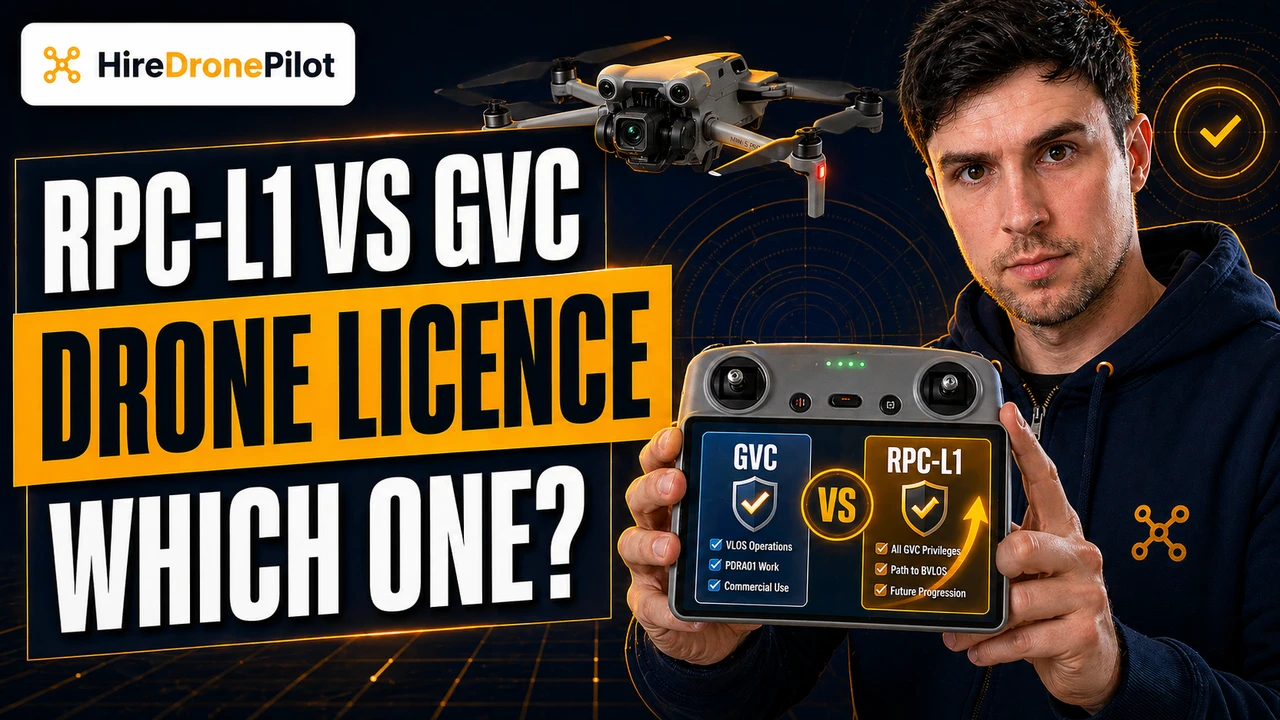
- Both the GVC and RPC-L1 qualify you to fly under PDRA01, the standard authorisation for commercial VLOS work in UK built-up areas
- The RPC-L1 is the only starting point for the progression pathway to BVLOS through RPC-L2, RPC-L3, and RPC-L4
- A GVC covers both multirotor and fixed-wing drones on one certificate, while the RPC-L1 requires a separate certificate for each type
- Drone pilots who already hold a valid GVC are exempt from the RPC-L1 theory examination, leaving only the practical flight assessment
- If your work will always be Visual Line of Sight, both qualifications are equivalent; if Beyond Visual Line of Sight is ever on your roadmap, you need the RPC-L1
The GVC and the RPC-L1 are the two qualifications that UK drone pilots choose between when entering the Specific Category. For the standard Visual Line of Sight work that most commercial drone operators do every day, they unlock exactly the same PDRA01 authorisation.
The difference is what happens next. The RPC-L1 is the first step on a structured RPC pathway to Beyond Visual Line of Sight. The GVC is a standalone certificate with no progression route. Everything else — validity, entry conditions, and day-to-day flying privileges — is identical.
Both the GVC and RPC-L1 unlock the same PDRA01 authorisation for day-to-day VLOS work
The PDRA01 conditions list the Remote Pilot requirement as: hold a valid RPC-L1 or a GVC. That single word or is the key. Whether you walk in with a GVC or an RPC-L1, the authorisation treats you identically.
The operational limits are the same either way: 50 metres from uninvolved people (reduced to 30 metres during take-off and landing), a maximum range of 500 metres from you as the Remote Pilot, the standard 120-metre altitude ceiling, and drones between 250 grams and 25 kilograms. PDRA01 costs £524 per year with no VAT, and that annual cost does not change based on which certificate you hold.
Both qualifications require a valid Flyer ID as the entry condition, both are VLOS only, and both are valid for five years. For roof inspections, building surveys, site photography, and the other bread-and-butter work of commercial drone operators in the UK, the two certificates are functionally identical.
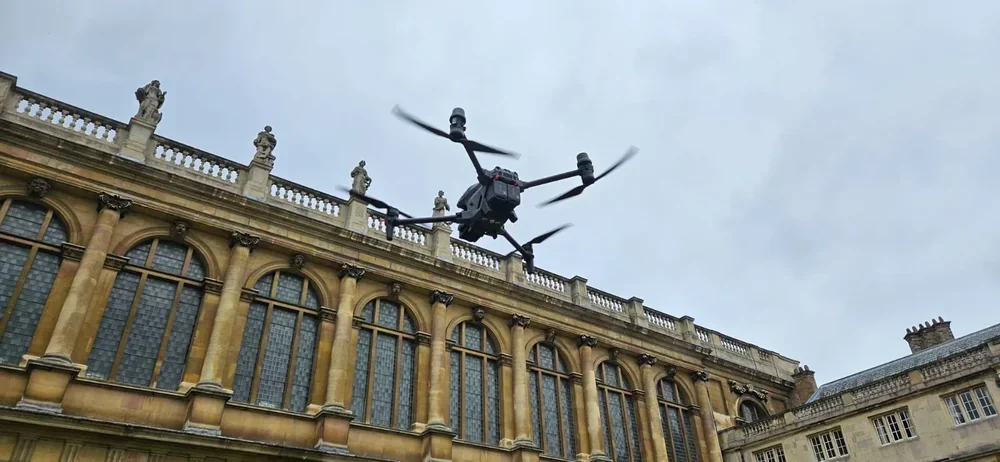
The RPC-L1 is the only route to Beyond Visual Line of Sight through the RPC progression pathway
The GVC is a standalone certificate. There is no GVC Level Two, no structured next step, and no pathway into advanced operations. It qualifies you for PDRA01, and that is where the road ends.
The RPC-L1 is different. It is the first rung on a ladder the CAA designed specifically for progression. Once you hold an RPC-L1, you can work towards the RPC-L2 — the intermediate certificate that opens up BVLOS operations in ARC-a airspace, meaning environments with no other air traffic. To get there you need to be at least 18, hold the same-category RPC-L1, and log a minimum of 50 flight hours. The RPC-L2 is valid for three years, not five.
From there, the pathway continues to RPC-L3 for BVLOS operations up to ARC-c (airspace integrated with other traffic), requiring another 50 logged BVLOS hours and a LAPL medical certificate. Beyond that sits RPC-L4 for expert-level operations. None of that progression is accessible from a GVC. The GVC does not convert to an RPC-L1 and does not count as a stepping stone to RPC-L2.
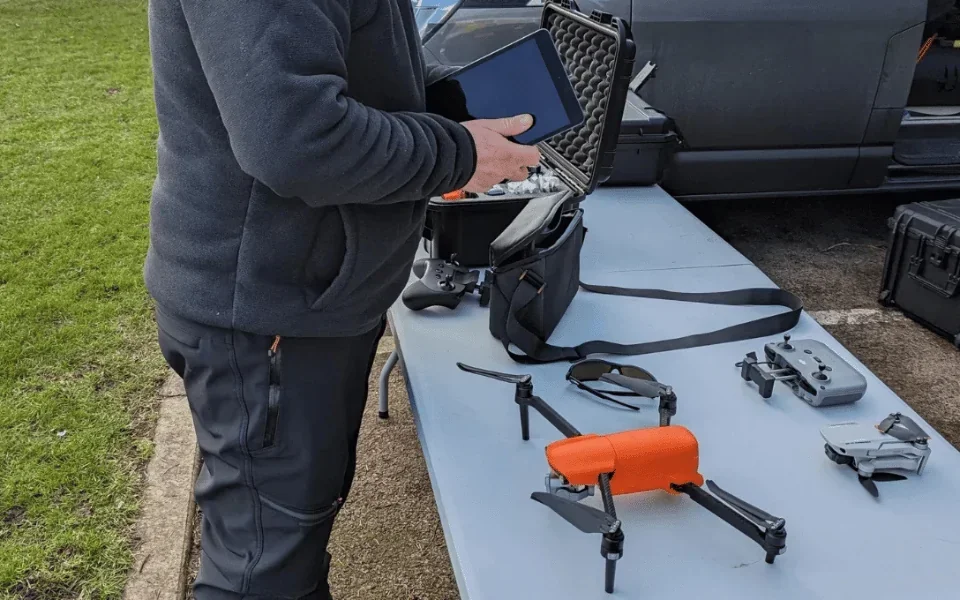
The GVC covers both multirotor and fixed-wing drones on a single certificate, while the RPC-L1 splits them
The GVC lists two UA category options — fixed wing and multirotor — on a single certificate. The RPC-L1 does not work that way. It comes in separate variants: RPC-L1(R) for rotorcraft (multirotors) and a separate RPC-L1 for fixed-wing drones. If you fly both types, you need both certificates.
For the vast majority of commercial drone pilots in the UK, this distinction is irrelevant. Most commercial work is multirotor, and a single RPC-L1(R) covers everything you need. But if you operate fixed-wing mapping drones alongside a multirotor for surveys, the GVC is more convenient — under the RPC framework you would need to train and qualify twice.
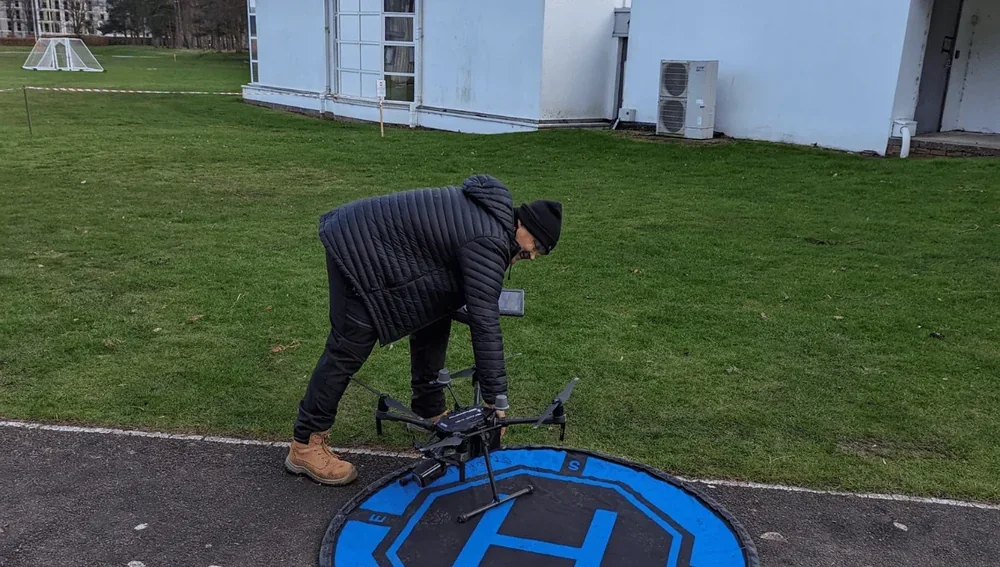
A valid GVC exempts you from the RPC-L1 theory test, making the transition straightforward
If you already hold a GVC, the CAA has built a transition bridge. A valid GVC exempts you from the RPC-L1 theory examination. You do not have to sit through the full course again or restudy material you have already passed. What remains is the practical flight assessment — that is the only requirement between you and the RPC-L1.
This matters because it means drone pilots who trained under the GVC are not starting from scratch. The theory exemption is there specifically to make the step across as straightforward as possible. If you are already flying commercially under PDRA01 with a GVC, adding the RPC-L1 practical opens the door to BVLOS progression without forcing you to repeat the classroom work.
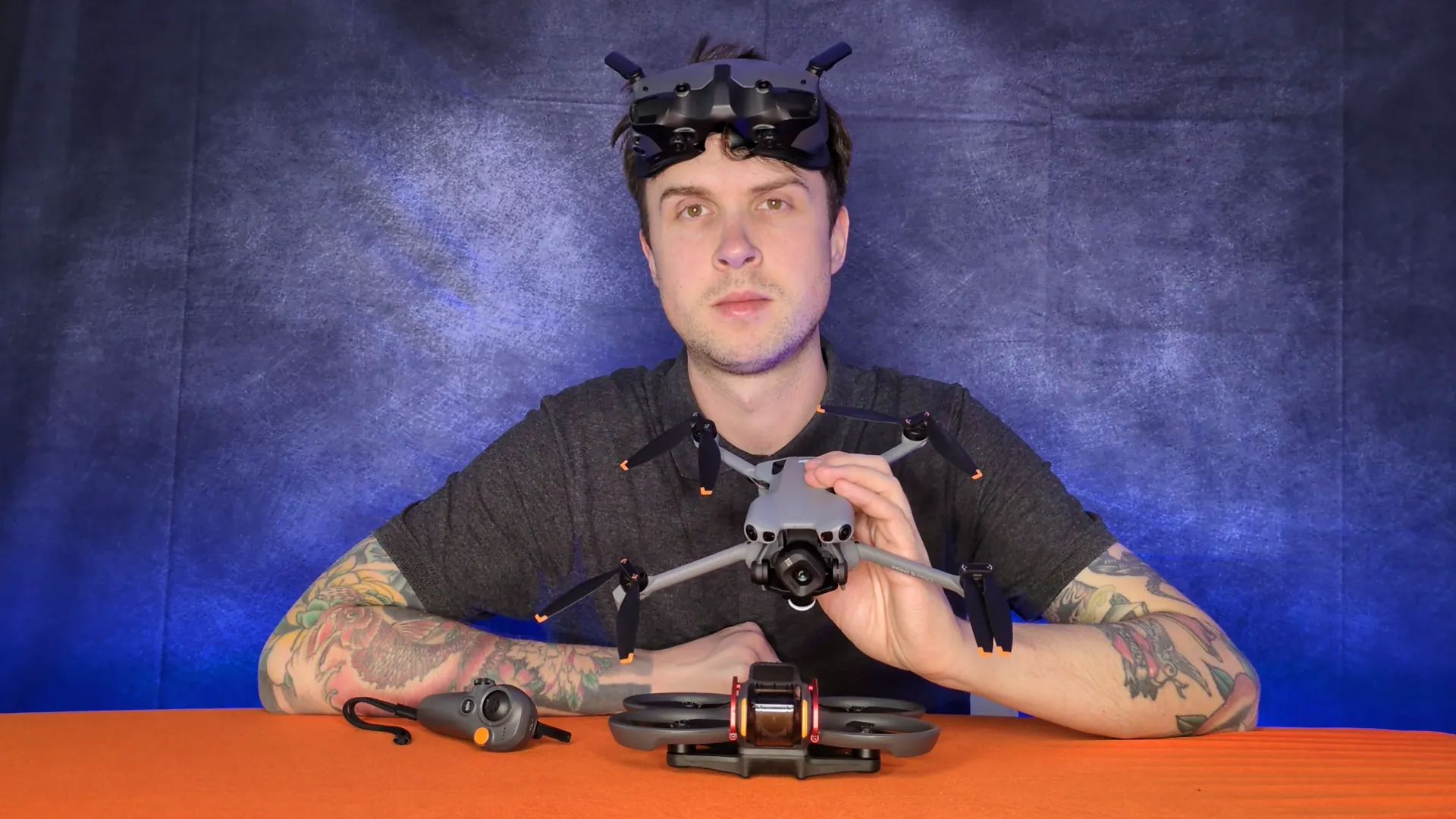
The choice comes down to whether you ever want to fly beyond line of sight
If your work will always be Visual Line of Sight — surveys, inspections, photography, videography, all under PDRA01 — both certificates serve you equally. Pick whichever is available at your nearest training provider.
If there is any chance you want to progress to BVLOS, the RPC-L1 is the only option. The GVC cannot take you there. If you already hold a GVC, use the theory exemption and add the RPC-L1 practical — that gives you the best of both worlds, with your existing PDRA01 privileges intact and the door to BVLOS open whenever you are ready. If you are starting fresh with no Specific Category certificate at all, go straight to the RPC-L1. There is no reason to take the GVC first when the RPC-L1 covers everything the GVC does and adds a progression pathway on top.
For the full breakdown of each qualification on its own, our guides to the GVC and the RPC-L1 cover every detail. If you want to understand how these certificates fit into the wider picture, the Specific Category explainer stitches it all together.
Got a qualification question you want covered — a training provider decision, a transition scenario, a BVLOS timeline? Drop a note to peter@hiredronepilot.uk and I will come back to you directly. If you prefer the video version of this explainer, the comments are open on YouTube.
References
Primary source material for this article is the UK Civil Aviation Authority. External links open in a new tab.
- UK CAA — Level 1, 2 and 3 Remote Pilot Certificates and GVC · GVC and RPC-L1 entry conditions, UA categories, validity periods, theory exemption
- UK CAA — PDRA01 Operational Authorisation Overview · PDRA01 conditions, Remote Pilot requirements (RPC-L1 or GVC), £524 per year cost
- UK CAA — Beyond Visual Line of Sight (BVLOS) · BVLOS requires Specific Category and Operational Authorisation
- UK CAA — UK Regulatory Framework for Drones · Air Navigation Order 2016 and UAS Regulations
Peter Leslie
Founder & GVC Drone Pilot
Peter is the founder of HireDronePilot. With thousands of logged commercial flight hours, he writes about drone technology, commercial surveying tactics, and UK aviation compliance.
Connect on LinkedIn