RPC-L4: The Top Tier of the UK Remote Pilot Certificate Framework

Peter Leslie
16 Apr 2026
Key Takeaways
- RPC-L4 is the fifth and most advanced qualification in the UK Specific Category, alongside the GVC, RPC-L1, RPC-L2 and RPC-L3.
- The Level 1, 2, 3 and 4 Remote Pilot Certificates were introduced in early 2025 as part of the CAA progression framework.
- RPC-L4 sits at the top of a progression designed for the most complex Specific Category operations, where the lower certificates stop being sufficient.
- Specific Category competency is ultimately governed by the conditions set in the Operational Authorisation, not by the certificate alone.
- The CAA has not yet published full RPC-L4 course details; most commercial drone pilots will never need to hold one.
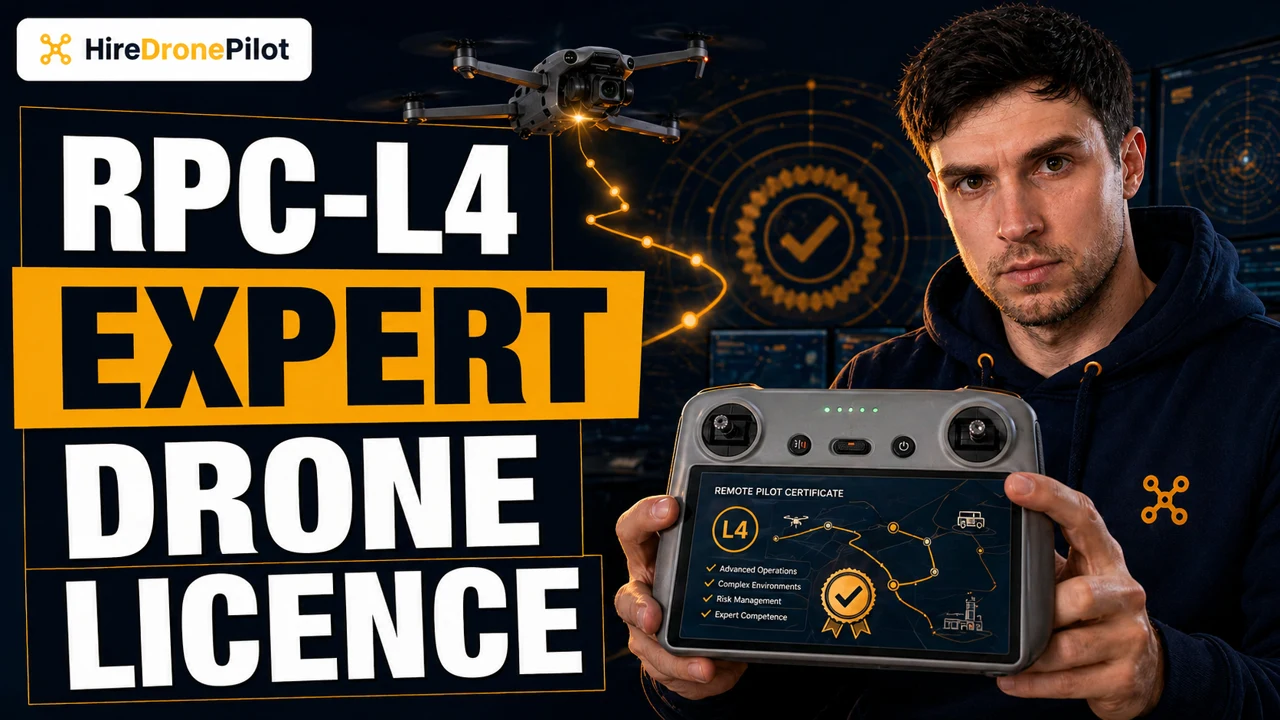
If you have been climbing the Remote Pilot Certificate ladder, the letters RPC-L4 are the ones at the top. It is the fifth qualification in the UK Specific Category, sitting above the General Visual Line of Sight Certificate and above the three numbered levels of Remote Pilot Certificate below it. For the vast majority of drone pilots working in the UK today, it is also a qualification they will never need to hold.
That is not a criticism of the framework. It is the point of it. RPC-L4 exists at the far end of the progression so that the certificates below it can stay focused on the operations drone operators actually run every day.
RPC-L4 is the fifth qualification in the UK Specific Category, not a separate super-licence
The Remote Pilot Certificate framework published by the CAA groups five qualifications under the Specific Category. The full list is the GVC, RPC-L1, RPC-L2, RPC-L3, and RPC-L4.
The numbered certificates are progressive. Each one is designed to unlock a slightly more demanding envelope of operations than the certificate below it, and each one generally assumes you already hold the one below.
RPC-L4 is the ceiling of that progression. It is intended for the most complex end of the Specific Category — the operations that cannot be signed off under lower certificates because the risk picture, the airspace integration, or the technology involved sits outside what the lower certificates were designed to cover.
What RPC-L4 is not is a separate super-licence sitting outside the framework. It is still a Specific Category certificate. The legal shape of any flight you run under it will still be governed by an Operational Authorisation, the same as any other Specific Category operation.
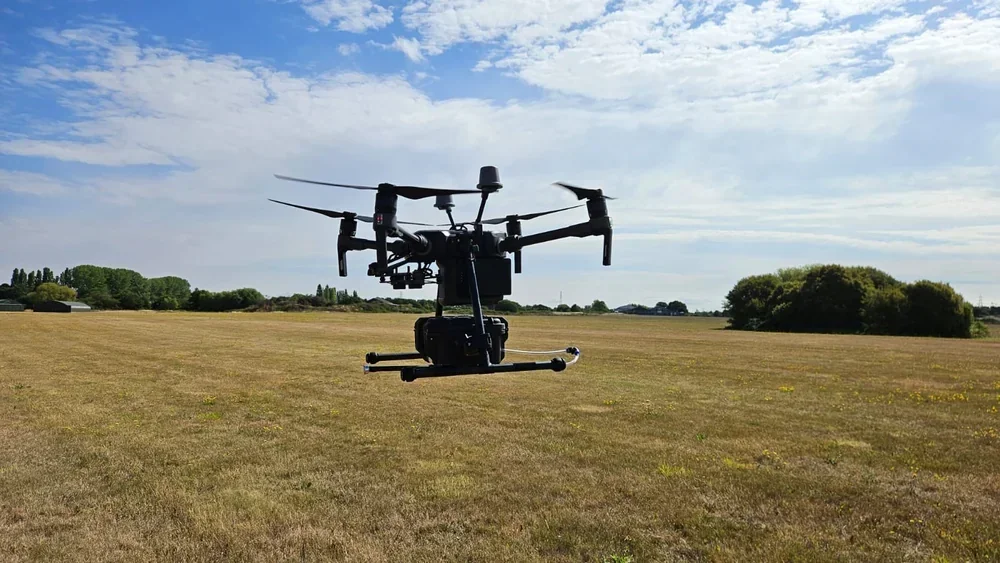
The Remote Pilot Certificate progression was introduced in early 2025 and is still bedding in
The numbered Remote Pilot Certificates — Levels 1, 2, 3 and 4 — were introduced by the CAA in early 2025. That is recent history for a regulatory change of this size. The approved training provider list still shows that most Recognised Assessment Entities are approved to deliver the GVC and A2 CofC only, with the numbered certificates coming online as providers complete the approval process.
For RPC-L4 specifically, the CAA's public pilot-qualifications pages do not yet carry the same level of detail they carry for the GVC, RPC-L1, RPC-L2 and RPC-L3. Course length, fees, and prerequisites are still being finalised by the approved providers.
That means anything you read online quoting a specific number of flight hours, a specific medical standard, or a specific validity period for RPC-L4 is worth checking directly against the CAA's current published guidance before you commit to a training plan.
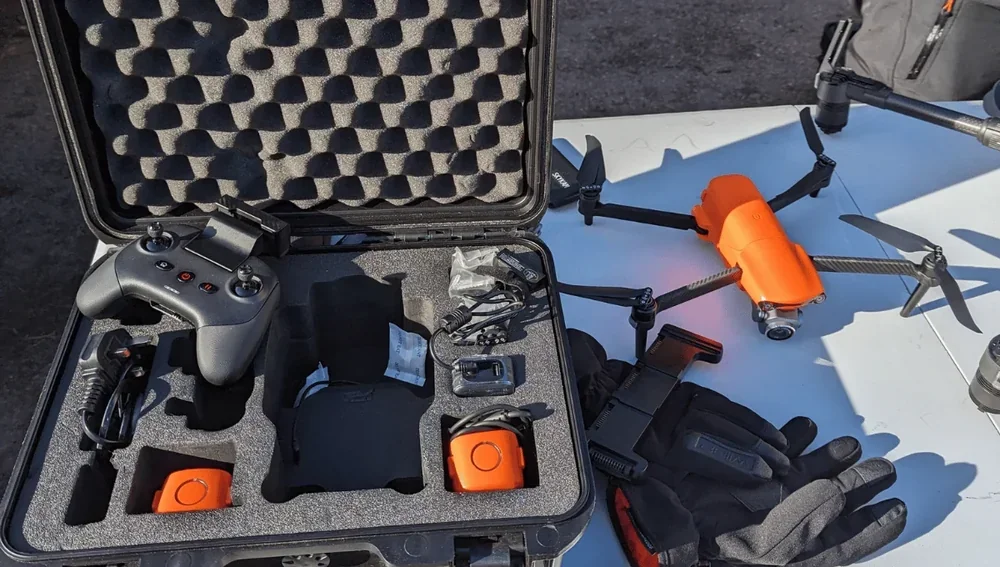
RPC-L4 is designed for the complex operations that the lower certificates cannot cover
To understand what RPC-L4 is really for, look at what the certificates below it already cover. The GVC is Visual Line of Sight only. RPC-L1 is also VLOS only. RPC-L2 is the first certificate that opens up Beyond Visual Line of Sight flight, and only in atypical air environments where there is no other traffic. RPC-L3 extends that into more complex and integrated airspace.
RPC-L4 sits above RPC-L3. In practice, that places it in the space for operations that the CAA classifies as the most demanding end of the Specific Category — the flights where the risk assessment, the airspace integration, or the drone itself is outside what an RPC-L3 drone pilot is certified to run.
In other words, RPC-L4 is less a door to a specific type of flying and more the top of a ladder. The certificate on its own does not authorise anything. The Operational Authorisation the CAA issues against a specific operation is what actually authorises the flight, and RPC-L4 is the competence the CAA would expect to see on the application when the risk picture is that high.
The CAP 722 guidance and the evolving UK SORA framework sit underneath all of this. Those are the documents that actually describe what a high-risk Specific Category flight looks like and how the CAA assesses it.
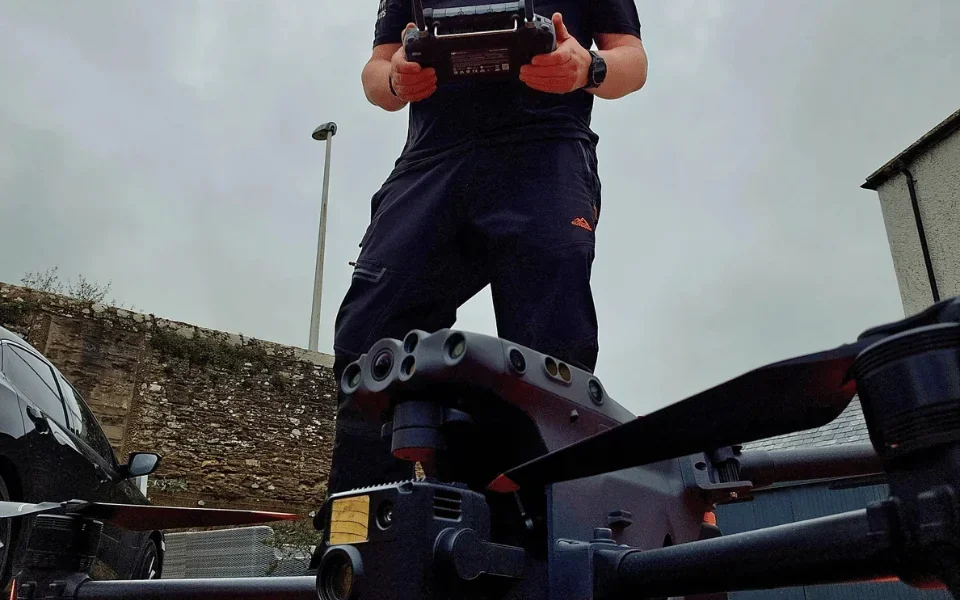
Most commercial drone pilots in the UK will never need an RPC-L4
It is worth saying this plainly. The overwhelming majority of paid drone work in the UK — aerial photography, video, roof inspections, mapping, survey, thermal imaging, real estate — runs cleanly under a GVC with an Operational Authorisation, or under the PDRA01 pre-defined authorisation.
Those operations are VLOS, bounded by the standard 120 metre altitude ceiling and the fifty metre people-buffer, and sit happily inside what the GVC and the lower Remote Pilot Certificates were designed to cover.
RPC-L4 is the certificate you only reach for if the operation itself demands it. That is a small fraction of the work happening in the UK at any given time, and it is typically the territory of specialist operators rather than general-purpose drone pilots.
If you are climbing the framework with a specific job in mind, the more useful question is usually not "do I need RPC-L4?" but "what does the Operational Authorisation for this work actually require?" The authorisation answers that question directly. The certificate only answers it by proxy.
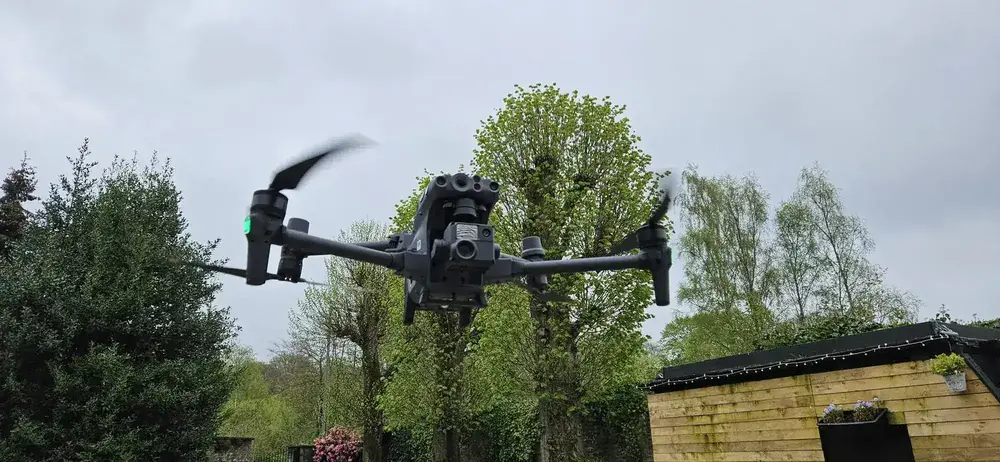
Treat quoted RPC-L4 figures with caution until the CAA publishes the detail
Because the numbered Remote Pilot Certificates are still recent, there is already a lot of second-hand commentary online quoting specific hours, specific medical requirements, and specific validity periods for RPC-L4. Some of that commentary will prove accurate when the CAA's detail pages catch up. Some of it is extrapolated from the RPC-L3 page with the numbers nudged upwards.
My recommendation is simple. If you are considering the course, go straight to the CAA's Remote Pilot Qualifications Overview, look for the dedicated RPC-L4 sub-page when it publishes, and go directly to the training providers who are approved to deliver it — not the ones approved only for GVC and A2 CofC. The qualifications overview guide is the best starting point on this site while the RPC-L4 page is still being built.
Anything load-bearing — entry hours, medical, renewal period, course length, fee — should come from the CAA or the Recognised Assessment Entity directly, in writing, before you book.
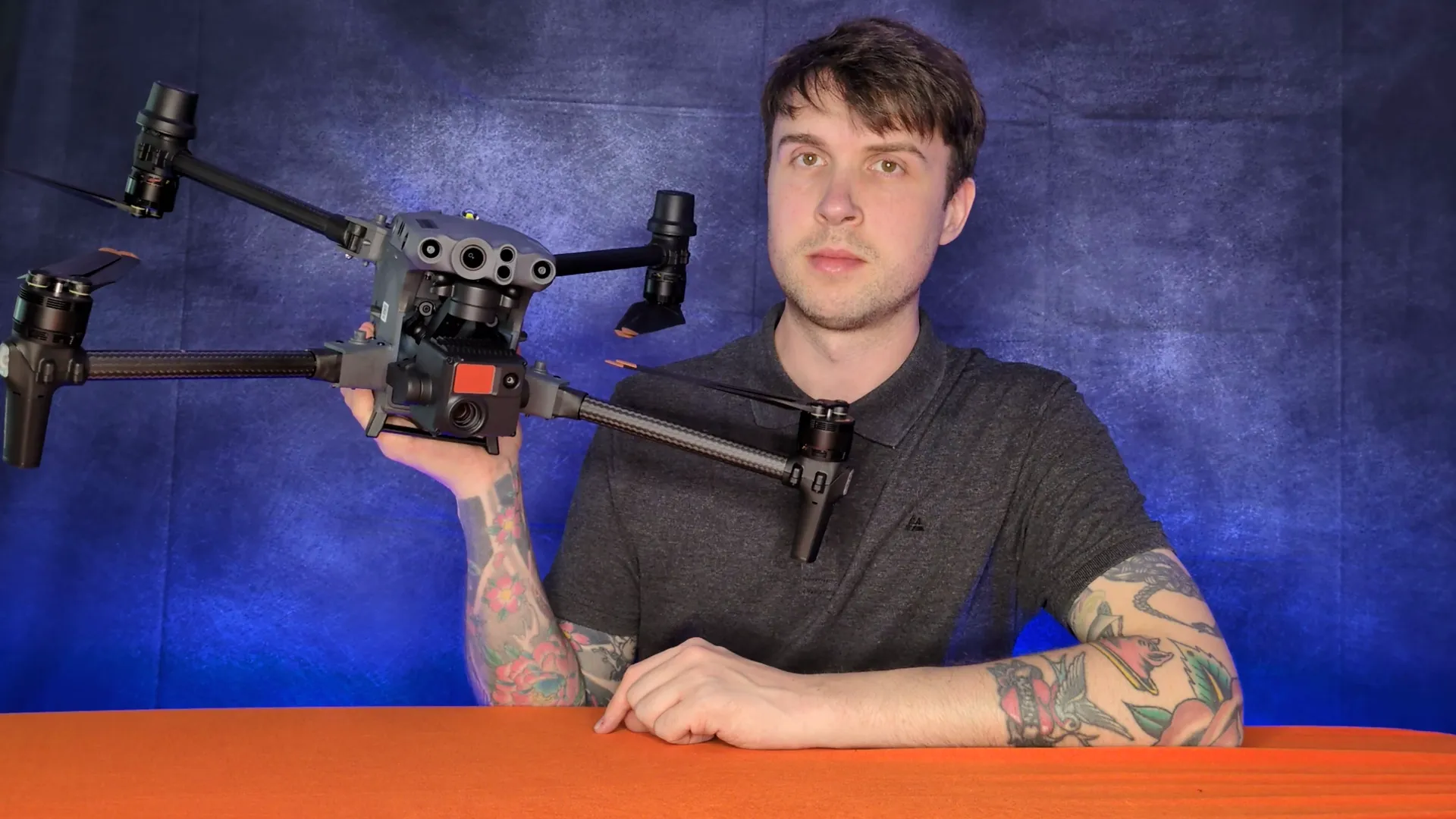
RPC-L4 is the top of the UK Remote Pilot Certificate progression. It is a real qualification, introduced in early 2025, aimed squarely at the most demanding end of the Specific Category — and it is one most drone pilots will never need to hold. For the full picture of where it fits, the RPC framework guide and the broader UK drone laws explainer are the next two pages to read.
Got a specific question about the RPC progression — whether you actually need RPC-L4 for the operation you have in mind, or whether RPC-L3 or a GVC will cover it? Drop a note to peter@hiredronepilot.uk and I will come back to you directly. If you prefer the video version of this explainer, the comments are open on YouTube.
References
Primary source material for this article is the UK Civil Aviation Authority. External links open in a new tab.
- UK CAA — Remote Pilot Qualifications Overview · confirms the five Specific Category qualifications including RPC-L4
- UK CAA — Level 1, 2 and 3 Remote Pilot Certificates and GVC · detail for the lower certificates RPC-L4 sits above
- UK CAA — CAA-approved Training Providers · confirms L1–L4 certificates introduced in early 2025, provider approvals in progress
- UK CAA — UK Regulatory Framework for Drones · Air Navigation Order 2016 and the UAS Regulations
- UK CAA — Beyond Visual Line of Sight (BVLOS) · BVLOS requires Specific Category and Operational Authorisation
Peter Leslie
Founder & GVC Drone Pilot
Peter is the founder of HireDronePilot. With thousands of logged commercial flight hours, he writes about drone technology, commercial surveying tactics, and UK aviation compliance.
Connect on LinkedIn