UK Certified Category Drones: The Manned-Aviation End of the Rulebook

Peter Leslie
16 Apr 2026
Key Takeaways
- The Certified Category is the highest-risk tier of UK drone regulation and sits alongside manned aviation rather than underneath it
- It is reserved for operations whose ground or air risk is equivalent to a crewed aircraft, such as passenger-carrying drones, very large cargo drones, or complex flights over populated areas
- Three things must be certified, not just one: the drone design, the operator organisation, and the remote drone pilot at the controls
- Most commercial UK drone work sits in the Open or Specific Category, and the CAA currently directs almost every real-world mission through those routes first
- The category exists for the future of drone aviation — urban air mobility, eVTOL passenger drones, and scheduled long-range cargo — and is still being populated operation by operation
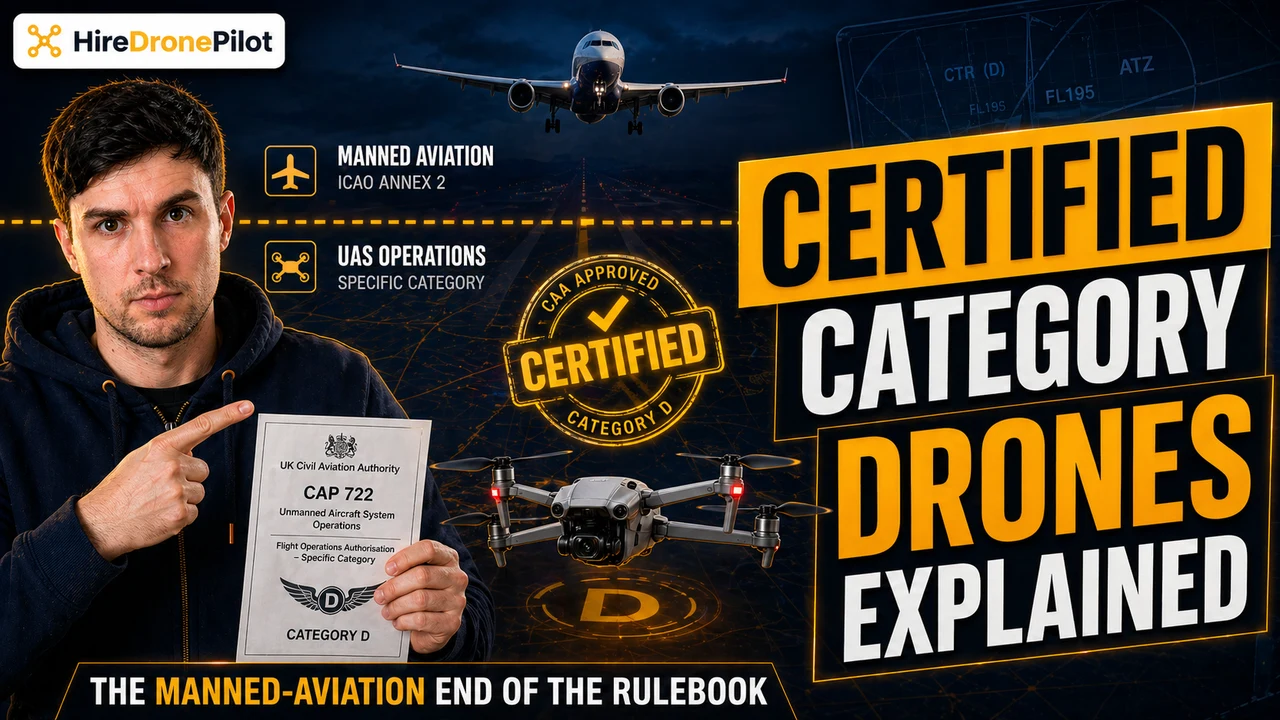
The Certified Category is the top rung of the three-tier ladder that governs UK drone laws, and it is the rung almost nobody who reads this article will ever climb. It exists for drone operations whose risk profile is simply too severe for the Open or Specific frameworks, so the Civil Aviation Authority regulates them the same way it regulates manned aircraft — through airworthiness certification of the drone itself, approval of the operating organisation, and formal licensing of the remote drone pilot at the controls.
If you fly a sub-250g drone in a park, you are in the Open Category. If you run roof inspections under PDRA01, you are in the Specific Category. If you are building a passenger-carrying eVTOL, or a heavy cargo drone destined for routine flights over towns, you are looking at the Certified Category. The difference is not a step up; it is a move into a different regulatory world.
The Certified Category is the top of a three-tier risk ladder, not just a bigger version of the Specific Category
UK drone rules sit inside UK Regulations (EU) 2019/947 and 2019/945, which split operations by risk into three named categories. The Open Category covers low-risk flying — consumer drones, recreational use, most commercial photography and inspection work under the A1/A2/A3 sub-categories.
The Specific Category covers moderate-risk flying that needs an Operational Authorisation from the CAA, either through PDRA01 or through a UK SORA risk assessment. That is where most professional drone pilots working commercially in the UK actually sit.
The Certified Category sits above both. It is reserved for operations whose intrinsic risk is equivalent to crewed aviation — the kind of flight where a failure threatens people in the air or large numbers of people on the ground. At that point the CAA stops treating the drone as a special class of machine and starts treating it like an aircraft. The rulebook changes accordingly.
That is the conceptual shift worth holding onto. Open and Specific ask, what conditions will keep this flight safe enough? Certified asks, is this drone, this operator, and this remote drone pilot fit to operate inside the national airspace system on the same basis as a helicopter or a light aircraft?
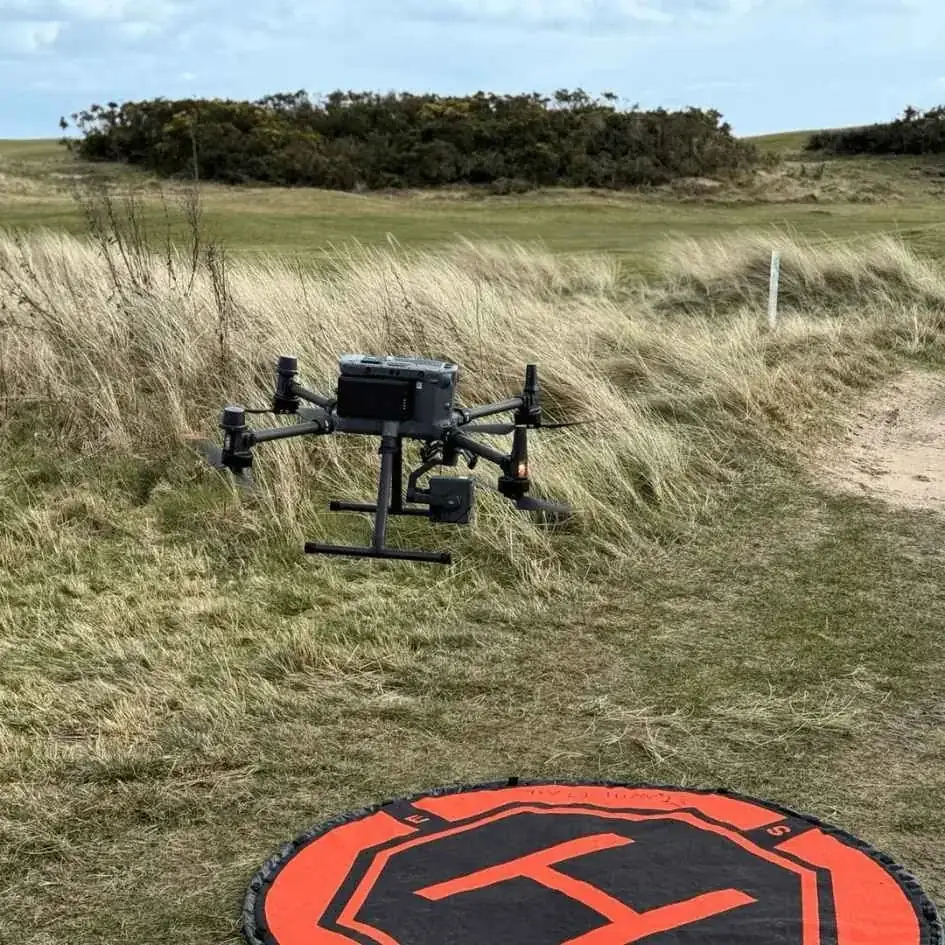
The Certified Category is triggered by operations whose risk mirrors a manned aircraft, not by drone size alone
The CAA defines a small set of operation types that automatically fall inside the Certified Category rather than the Specific Category. The trigger is the combination of mission, drone, and environment, not just the weight of the drone on its own.
The headline example is carrying people. Any drone designed to transport passengers — the urban air taxi and eVTOL concepts that have been in trials for several years — sits inside the Certified Category because the lives of the occupants are directly at stake. That is the same safety logic that governs an air ambulance or a light aircraft.
Two other triggers round out the list. The first is flying a drone with a characteristic dimension of 3 metres or more directly over assemblies of people. The second is transporting dangerous goods — fuel, industrial chemicals, anything whose release in an accident would create a serious public hazard. Either of those crosses the line on its own, regardless of weight.
Beyond those named triggers, UK SORA can land an operation in the Certified Category on the basis of its risk-assessment score alone. If the ground risk and air risk together put the flight at the top of the CAA's severity scale, the operation is pushed out of the Specific Category no matter what type of drone is being used. Typical examples are scheduled BVLOS cargo routes over populated areas and long-range international drone flights using instrument flight rules.
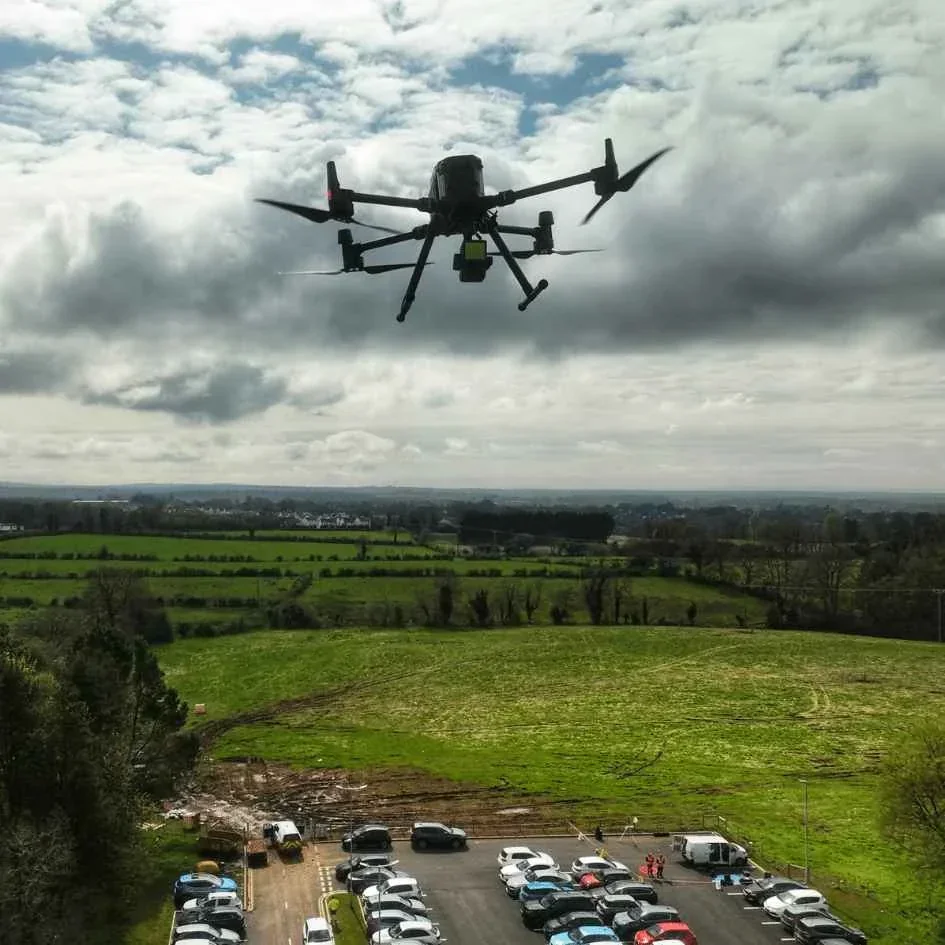
Certification is not one document, it is three — the drone, the operator, and the remote drone pilot
This is where the Certified Category most clearly breaks from the rest of the drone rulebook. An Open or Specific Category flight only needs a compliant drone and a qualified person to be legal. A Certified Category flight needs three separate, formal approvals, each issued by the CAA against aviation-grade standards.
The drone itself must hold a type certificate and a certificate of airworthiness. That is the same two-part process a crewed aircraft goes through. The type certificate covers the design — proving, through tests and documented engineering analysis, that the drone's structure, flight control system, software, and safety features meet CAA airworthiness codes. The certificate of airworthiness then attests that the specific serialised drone in front of you has been built and maintained to that approved type.
The operator — the legal organisation running the flights — needs a dedicated operator certificate, broadly modelled on the Air Operator Certificate (AOC) that commercial airlines hold. That covers the safety management system, maintenance arrangements, crew training programme, operations manual, and the financial and organisational fitness of the business to run the operation.
The person at the controls must hold a formal drone pilot licence rather than any of the Open or Specific Category qualifications. In practice this means a licence issued under aviation-pilot standards, with medical, experience and examination requirements that sit in the same bracket as the Commercial Pilot Licence or Airline Transport Pilot Licence held by the crew of a manned aircraft. A GVC does not unlock a Certified Category flight, and neither does the wider RPC framework the CAA uses for the Specific Category.
All three approvals sit on top of the standard building blocks — Operator ID, Flyer ID, third-party drone insurance — rather than replacing them.
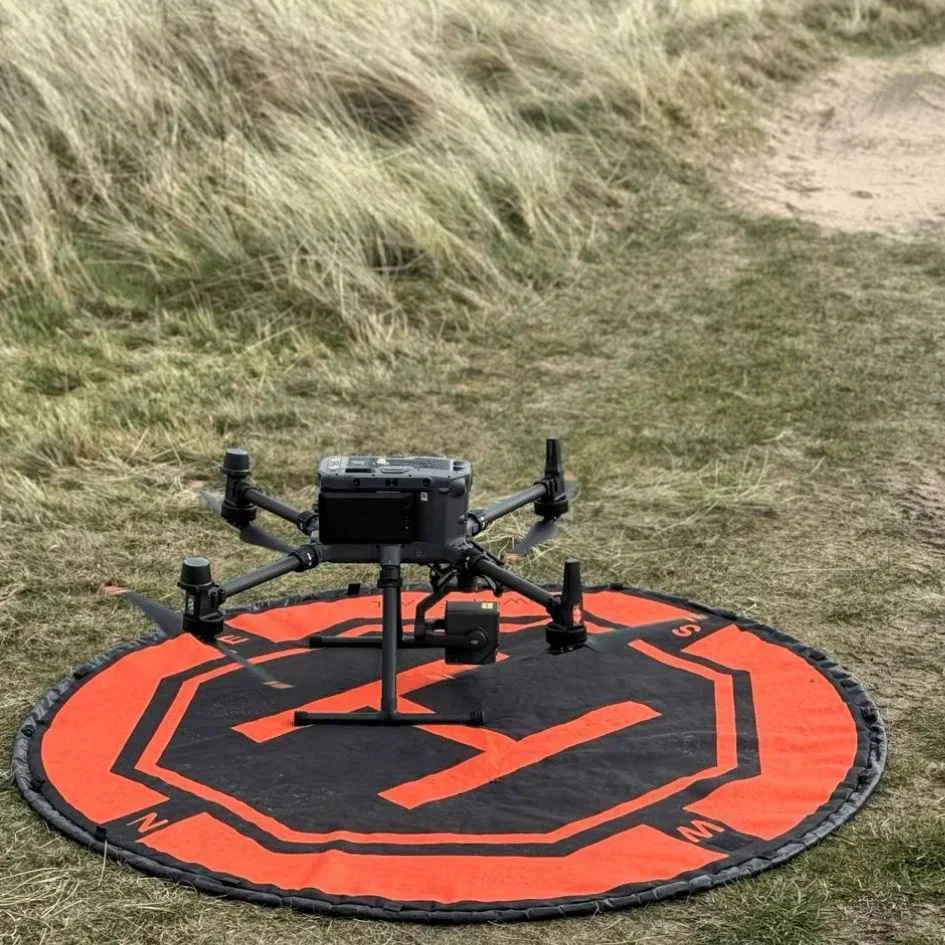
Open, Specific and Certified solve different problems, and most UK drone pilots only ever need the first two
The cleanest way to understand Certified is to line it up next to Open and Specific and look at what each category actually asks of you. The table below is the shape of the three-tier ladder.
| Category | Risk level | Drone approval | Operator approval | Pilot qualification |
|---|---|---|---|---|
| Open | Low | Class mark (UK0–UK4 / C0–C4) | Operator ID only | Flyer ID, plus A2 CofC for A2 |
| Specific | Moderate | Declared compliance, no type certificate | Operational Authorisation (PDRA / UK SORA) | GVC or RPC-L1/L2/L3/L4 |
| Certified | Equivalent to manned aviation | Type certificate + certificate of airworthiness | Dedicated operator certificate (AOC-style) | Formal drone pilot licence (CPL/ATPL-equivalent) |
The Civil Aviation Authority's published advice is explicit that any drone operator with a plausible high-risk operation should first check whether the same work could be authorised through PDRA01 or UK SORA before attempting the Certified route. That is not gatekeeping — it is practical. The Specific Category is designed to stretch, and for most industrial and commercial use cases it stretches far enough.
From a working drone pilot's perspective, the Specific Category is the ceiling. Commercial drone pilots running inspections, surveys, film work, and industrial missions do that work under an Operational Authorisation, and the overwhelming majority will never need to cross into Certified territory.
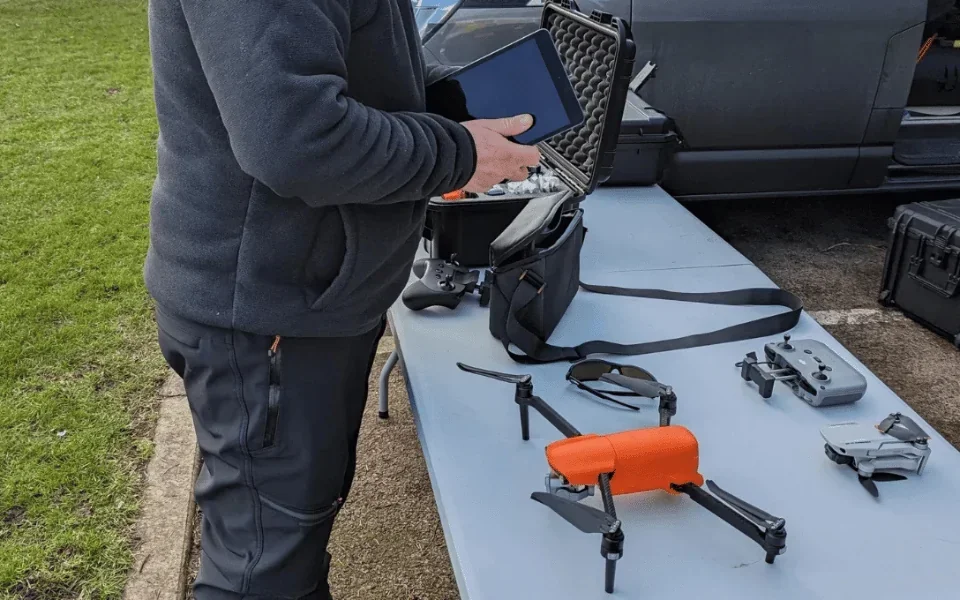
The Certified Category is being built for the next decade of drones, not for the fleet flying today
It is fair to say the Certified Category is still being populated. Worldwide, only a small number of drone designs have been taken through the full type-certification process, and the CAA in the UK — working alongside the wider BVLOS Policy Concept and associated airspace integration work — is still shaping the detailed rules that will govern everyday Certified operations.
Where the category is active right now is in trials. Passenger-carrying eVTOL manufacturers have been working toward type certification with both the CAA and EASA, and scheduled BVLOS cargo corridors have been granted on a mission-specific basis for medical logistics and offshore resupply. These are the shape of things to come, but they are still a long way from the volume of daily flight you see in the Open and Specific Categories.
What this means practically is that the Certified Category is, today, a future-facing framework. It matters because it defines the regulatory pathway that has to exist before passenger drones, routine large-scale delivery, and permanent urban air mobility can appear in UK skies.
For the rest of us — the drone operators with roof inspection jobs, wedding film shoots, thermal surveys, and volumetric mapping contracts on the calendar — the practical answer is the same one the CAA offers. Default to the Open Category where your operation fits, step up to the Specific Category when it does not, and leave the Certified Category to the handful of businesses genuinely building the next generation of aviation.
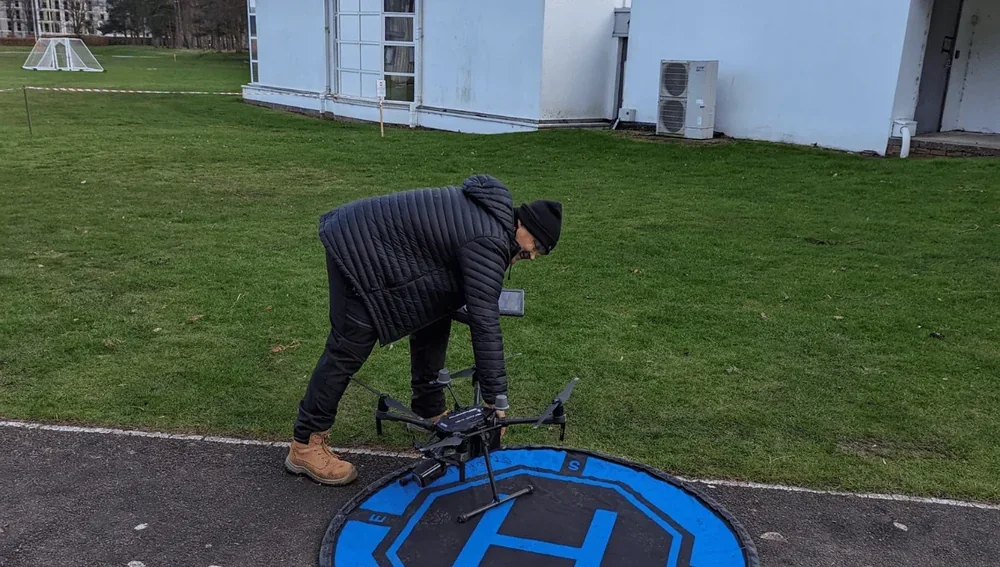
If you have skimmed this article looking for a licence that upgrades you into the Certified Category, the honest answer is that no such licence exists for the day-to-day drone pilot. The Certified Category is deliberately scoped to keep out the work that the Open and Specific Categories were built to handle, and that is a feature rather than a bug.
Got a borderline operation, a high-risk mission proposal, or a question about whether your work might be pushing into UK SORA territory? Drop a note to peter@hiredronepilot.uk and I will come back to you directly. If you prefer the video version of this explainer, the comments are open on YouTube.
References
Primary source material for this article is the UK Civil Aviation Authority. External links open in a new tab.
- UK CAA — Introduction to more advanced flying · three-tier structure of Open, Specific and Certified categories
- UK CAA — UK Regulatory Framework for Drones · legal basis in UK Regulation (EU) 2019/947, 2019/945, and the ANO 2016
- UK CAA — Specific Category overview · PDRA01 and UK SORA as the routes that sit beneath Certified
- UK CAA — Beyond Visual Line of Sight (BVLOS) · BVLOS, drone delivery and policy concept feeding Certified operations
- UK CAA — Remote Pilot Qualifications Overview · confirms Open and Specific qualifications sit below any Certified licence
- UK CAA — Insurance requirements · third-party insurance obligations carried across every category
Peter Leslie
Founder & GVC Drone Pilot
Peter is the founder of HireDronePilot. With thousands of logged commercial flight hours, he writes about drone technology, commercial surveying tactics, and UK aviation compliance.
Connect on LinkedIn