Drone Jammers in the UK: Illegal Under the Wireless Telegraphy Act

Peter Leslie
16 Apr 2026
Key Takeaways
- Drone jammers are illegal for private individuals to use, keep in working order, or advertise in the UK under the Wireless Telegraphy Act 2006
- The offence is built around deliberate interference with licensed radio spectrum, and it does not matter whether the target is a drone, a phone, or a car key
- Only a narrow set of public bodies, working under specific authorisations from Ofcom and the Home Office, can lawfully deploy counter-drone radio-frequency effectors
- A jammer switched on in a back garden does not stop at the garden fence, which is why the law treats it as a threat to emergency services and air traffic communications
- If a drone is bothering you, the legal route is the police on 101, a report to the CAA, and documented evidence that helps identify the drone operator
A drone appears over the back garden, the camera is pointing in the wrong direction, and within about ten seconds somebody in the house says the words "can I not just jam it". The gadgets are all over the internet, marketed with a rifle stock and a trigger, and the listings make it sound like a neighbourhood-watch accessory.
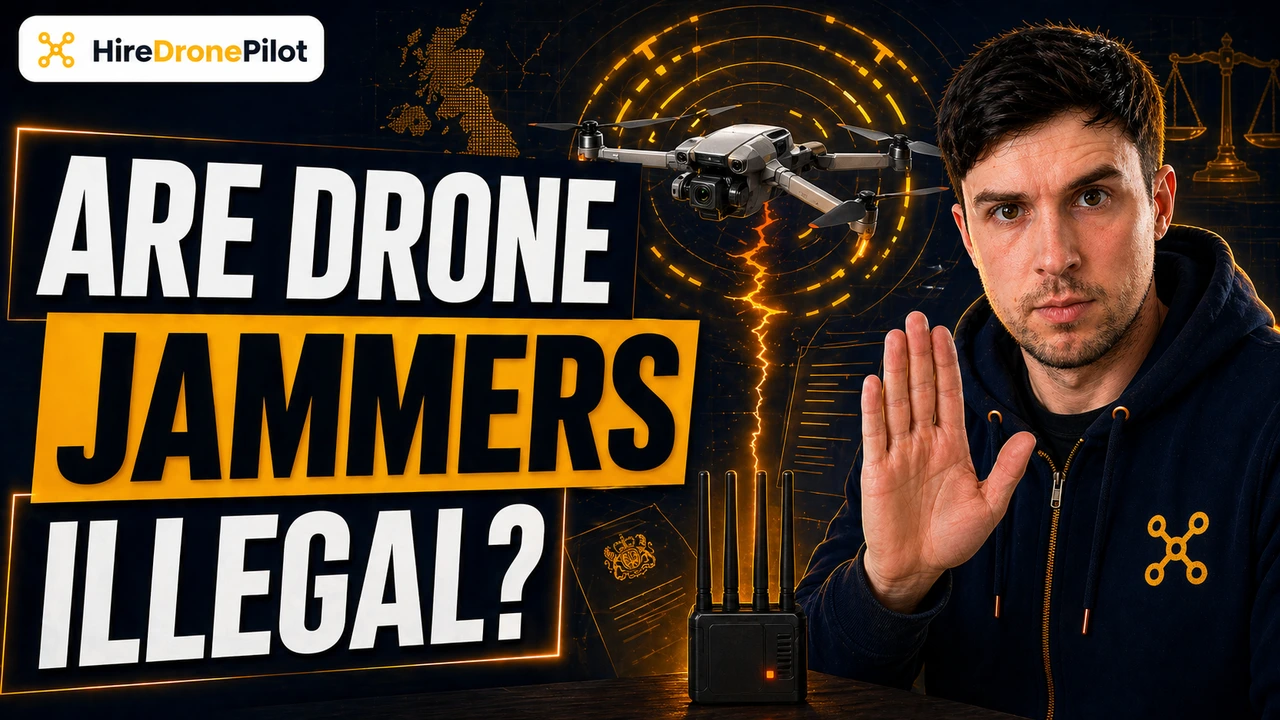
The short answer is that in the UK a drone jammer is not a grey area and not a consumer product. Switching one on is a criminal offence under the Wireless Telegraphy Act 2006, and the people who can lawfully use one are a very small club with paperwork you and I cannot get.
A drone jammer is a radio transmitter, and UK law regulates the radio spectrum before it ever mentions drones
The mistake most people make is framing jammers as a question of drone law. They are not. A jammer is a deliberate-interference transmitter. It floods the radio bands a drone uses — typically the 2.4 GHz and 5.8 GHz control and video links, and sometimes the 1.5 GHz GNSS band — with noise strong enough to drown the real signal. The drone loses its controller, GNSS, or both, and falls back to whatever failsafe the manufacturer built in.
Ofcom, not the CAA, regulates who is allowed to transmit on which frequencies and at what power. The Wireless Telegraphy Act 2006 makes it an offence to install or use any apparatus for wireless telegraphy without a licence, and a further offence to deliberately interfere with any wireless telegraphy. Jammers exist for the sole purpose of doing the second thing. That is why Ofcom has held for many years that sale, keeping in working order, and use of jammers by the general public is unlawful, and why customs will seize them at the border.
The Air Navigation Order 2016 and the UK Regulations (EU) 2019/945 and 2019/947 govern how drones fly. The Wireless Telegraphy Act governs what you are allowed to shout at them over the air. A jammer lives in the second world, not the first.
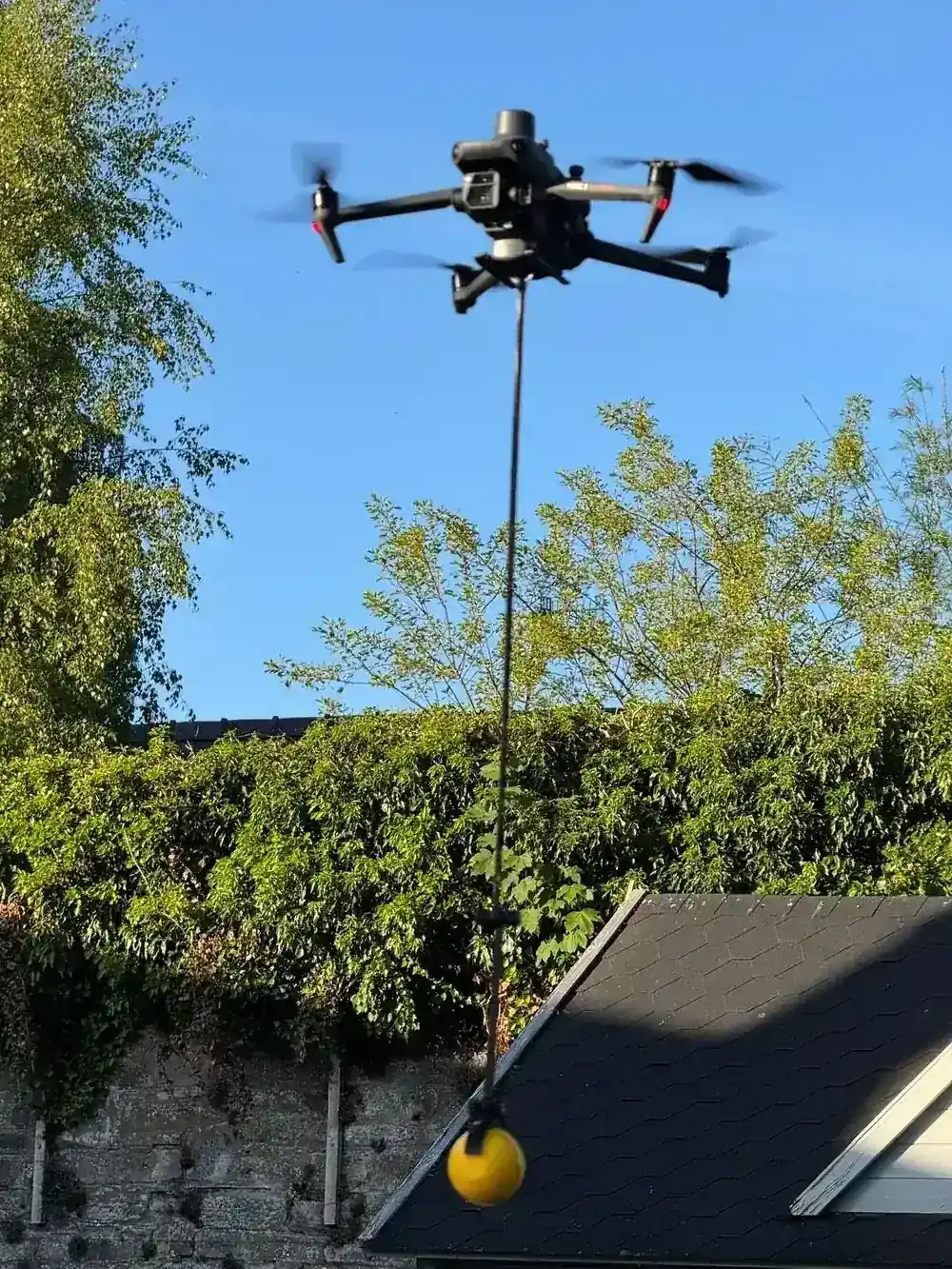
The penalties for jamming are criminal, and they bite whether the drone falls or not
Using a jammer is a summary offence under section 68 of the Wireless Telegraphy Act, carrying an unlimited fine on conviction. Deliberate interference under section 116 sits alongside it, and the same Act allows a court to order forfeiture of the equipment. If the jamming is part of a broader course of conduct — harassment, criminal damage, or endangering an aircraft — the prosecution can pile on charges under those statutes as well.
This is the part people underestimate. A jammer does not care whose signal it breaks. The same pulse that knocks a hobby drone out of the sky will cheerfully interfere with mobile networks, emergency-service radios, licensed point-to-point links, and GNSS receivers in cars, tractors, and air ambulances operating overhead. That is exactly why the law frames jamming as a threat to the spectrum itself rather than a proportionate response to one nuisance drone.
Endangering an aircraft in flight is a separate offence under the Air Navigation Order, with a maximum sentence of five years. If a jammer brought down a drone that then struck a person, a building, or another aircraft, a prosecutor would not stop at the Wireless Telegraphy Act charge. They would reach for the ANO and the Offences Against the Person Act as well.
Only a narrow set of authorised public bodies can lawfully deploy counter-drone jammers in the UK
There is a legitimate counter-drone industry in the UK, and parts of it do deploy radio-frequency effectors. That industry exists under Crown exemptions, specific Ofcom authorisations, and Home Office operational approvals. It covers police counter-drone teams, the Ministry of Defence, prison service deployments near category-A establishments, and contracted security at critical national infrastructure such as airports and power stations.
Even within that narrow club, deployment is tightly controlled. An airport counter-drone capability will almost always prioritise detection and tracking first, passing the intrusion to police for lawful resolution, and only escalating to active effectors under defined trigger conditions.
Professional drone pilots, private security firms, and facilities managers do not sit inside this club. If you run a stadium, a data centre, or a film set, the commercial product you are actually allowed to buy is detection hardware — not jammers. Detection systems listen passively for drone control signals, identify the make and model, triangulate the pilot, and log the data. That last piece is what makes identifying the drone operator possible after the fact.
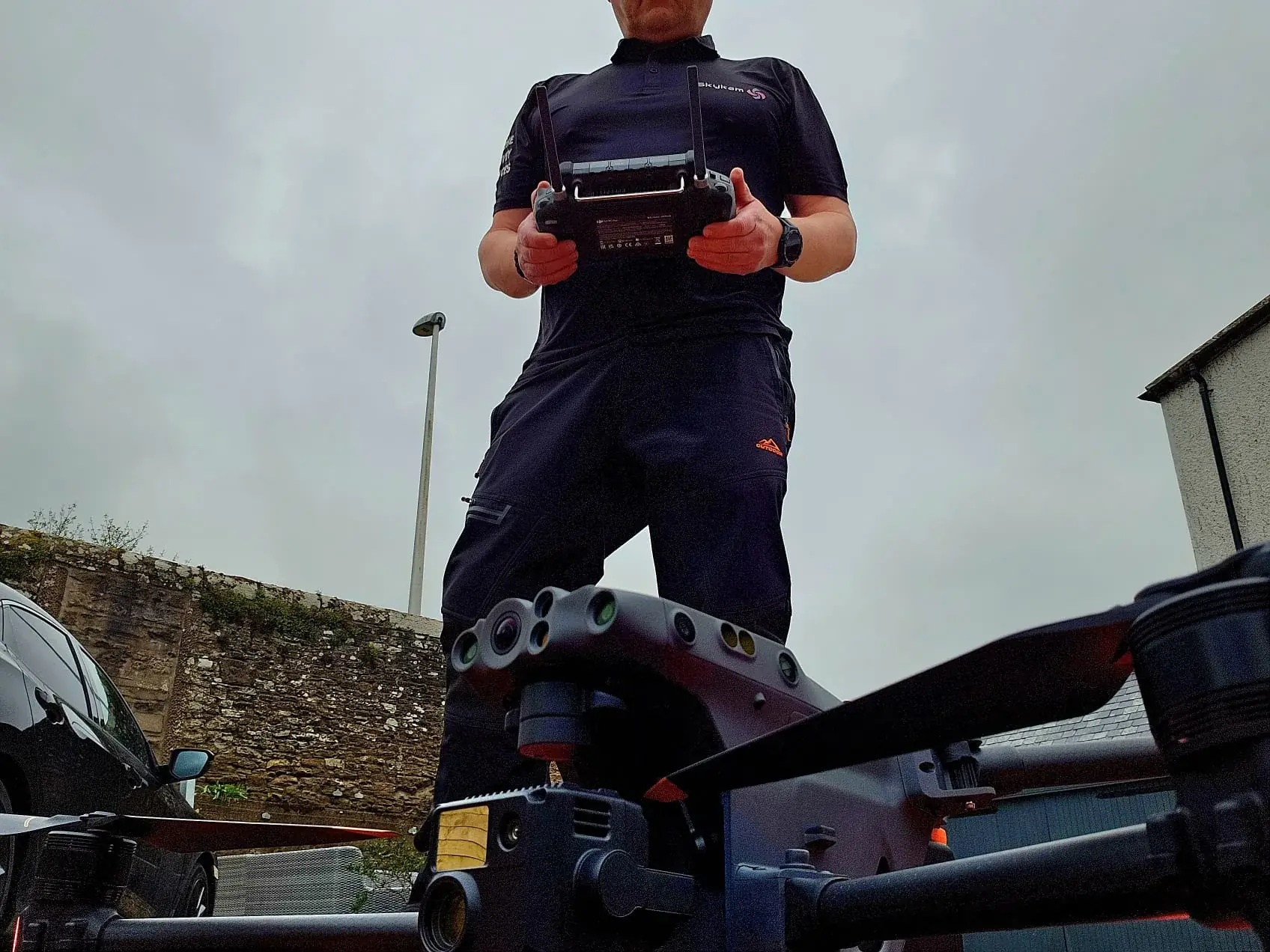
Shooting, netting, or hacking a drone sits alongside jamming in the same legal bin
The impulse behind reaching for a jammer is the same impulse that reaches for a shotgun, a net gun, or a laptop. All of them share one legal feature. They are all unlawful interferences with an aircraft in flight, and the Air Navigation Order does not care that the drone is small, unmanned, or flying over your lawn.
We have written up shooting down drones separately because the firearms angle layers extra offences on top. The short version is that taking direct physical action against a drone, regardless of method, is likely to leave you with a worse legal position than the drone operator who was annoying you in the first place.
Spoofing or "takeover" devices — which pretend to be the drone's controller and fly it to a safe landing — live in a different technical place but the same legal place. They still interfere with the wireless link, and they are still regulated under Ofcom's rules. A member of the public cannot lawfully operate one.
The legal route for an unwanted drone is documentation, the police, and identification — not hardware
If a drone is genuinely bothering you, the response the law expects is the slower one. Start with evidence. Note the time, the location, a rough description of the drone, and the direction it was flying from and returning to — the drone operator is almost always within 500 metres. A phone video from inside the house is usually enough.
Then escalate. The CAA's guidance is direct: report illegal or dangerous drone flying to your local police on 101, and call 999 only if there is an immediate danger to life or a threat of violence. Sensitive-site overflights — prisons, airports, hospital helicopter pads, airshows — are already criminal, and the police have powers under the ANO and the Air Traffic Management and Unmanned Aircraft Act 2021 to land the drone, inspect it, and demand the drone operator's Operator ID.
If the complaint is about privacy rather than flight safety — the drone was hovering and staring — the overlay is UK GDPR and the Data Protection Act 2018, policed by the Information Commissioner's Office. A neighbour with a camera drone over your garden is subject to the same privacy laws as a neighbour with a long lens on a phone, and the ICO publishes a straightforward complaint route.
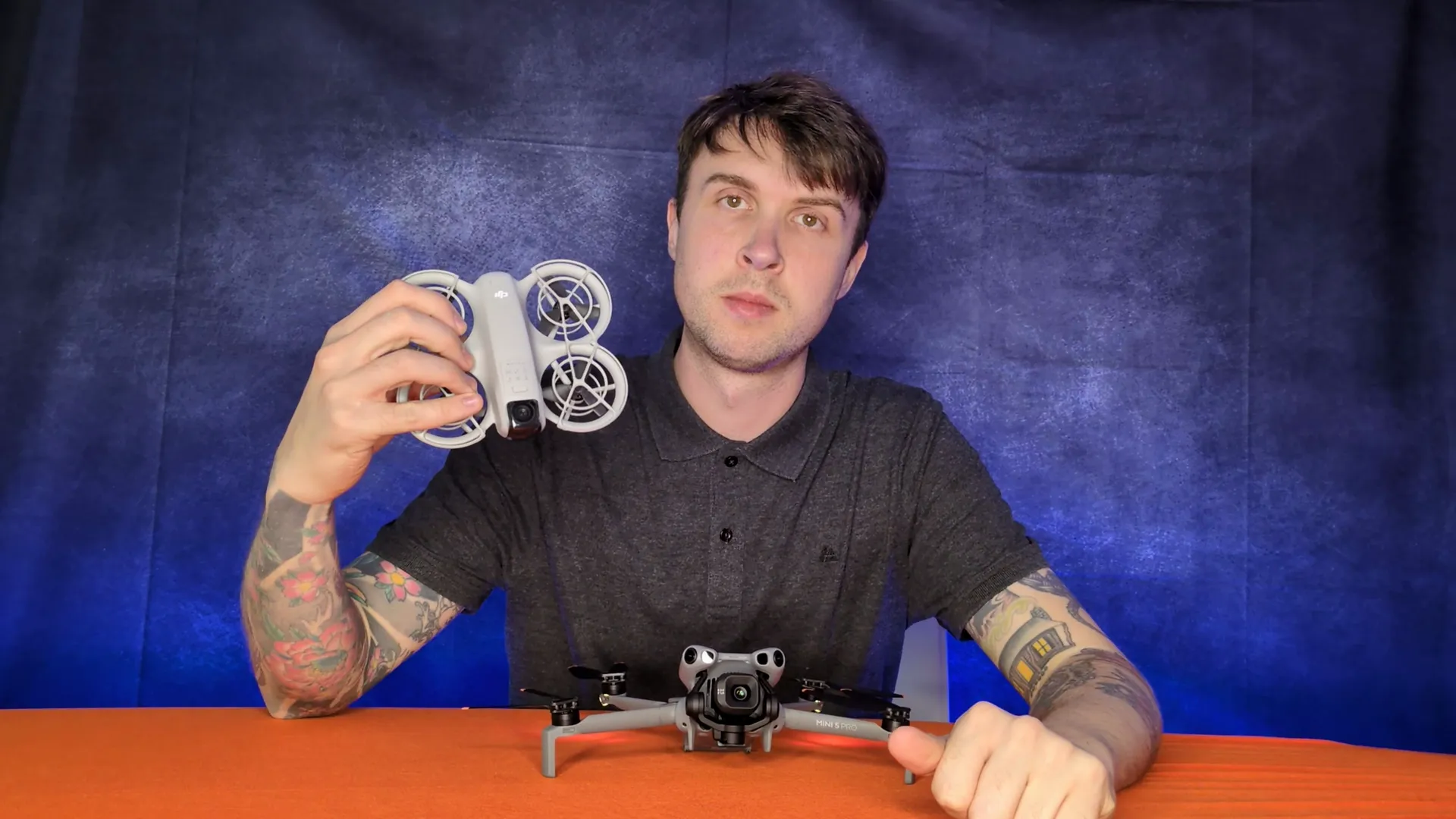
Physical and procedural measures are where a private citizen actually has headroom
Working drone pilots see the other side of this every week. Most complaints that reach us turn out to be legitimate flights that somebody did not realise were happening — a roof inspection two streets away, or a film job with authorised overflight. A small number are genuinely rogue, and the legal toolkit for the homeowner or site manager in those cases is narrower than the gadget sites suggest but still useful.
Signage matters more than people think. A clearly posted "no drone zone" notice is not a legal prohibition by itself, but it is evidence that a subsequent overflight was deliberate, and it strips away the drone operator's defence of honest mistake. Nets, canopies, and tree cover work because they remove the shot the drone is trying to take, which is almost always the real point. If you own the property you can refuse to allow take-off and landing from it, and you can withdraw permission mid-flight.
Detection hardware — the passive listening kind — is available off the shelf for sites that genuinely warrant it. It does not touch the drone, it does not transmit, and it is lawful to install. For most homes, the phone video and the 101 call do the same job for the price of nothing. We have a longer piece on stopping drones flying over your property that walks through the homeowner side in more detail, and a companion on a neighbour's drone over the garden for the specific residential case.
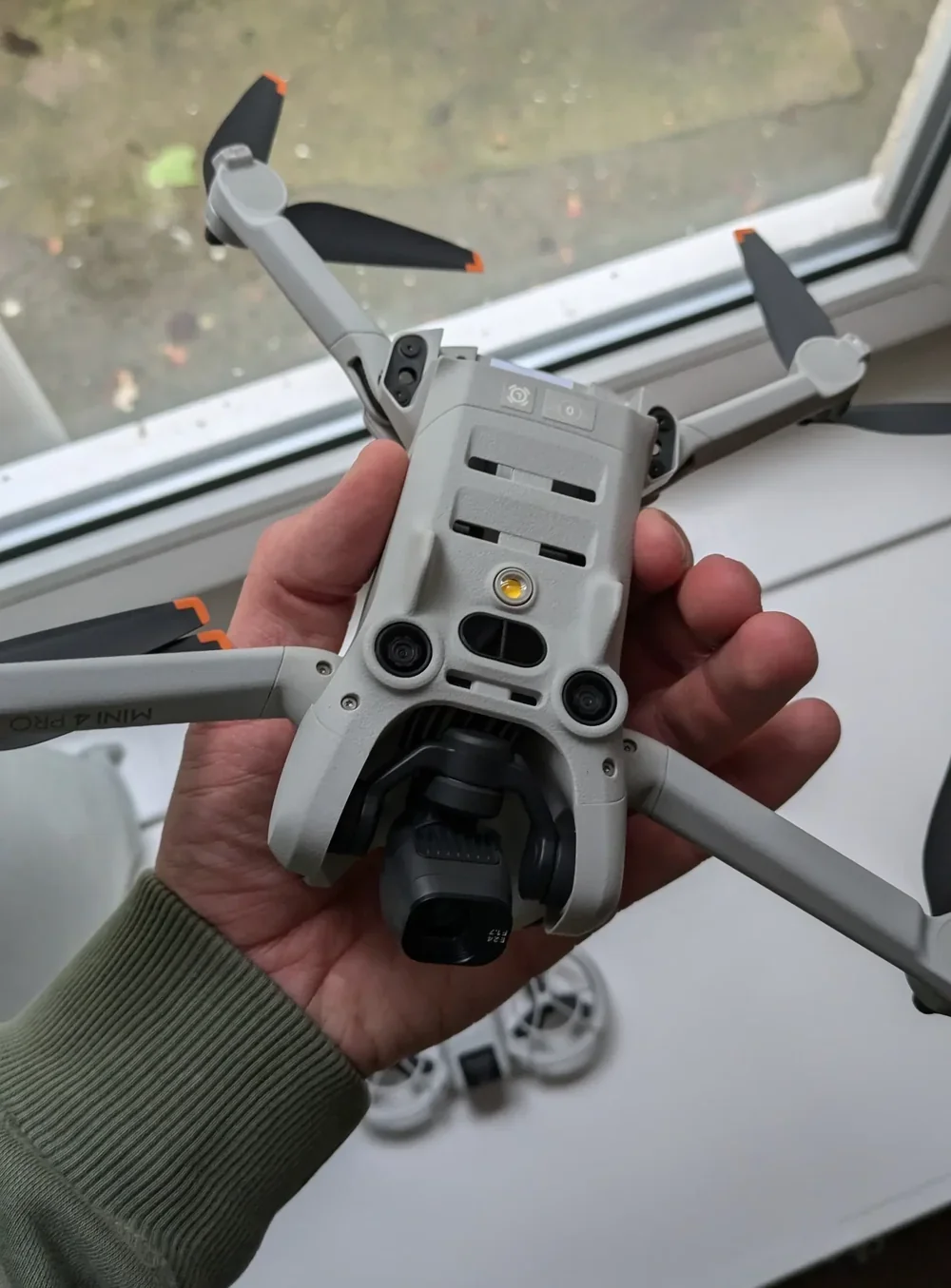
So the answer to the back-garden question is still no. A jammer is not a consumer product in the UK, it is not a neighbourhood-watch accessory, and turning one on is a criminal offence regardless of whether the drone it targets was doing anything wrong. The legal tools — evidence, 101, the CAA, the ICO, and in the right cases a passive detection system — are duller but they work, and they do not leave you with the charge sheet.
If you want the bigger legal picture, our evergreen explainer on UK drone laws stitches the framework together. For the specific airport case where counter-drone effectors do exist lawfully, the airport drone detection piece explains how that system actually works from the inside.
Got a specific scenario you want covered — a drone that keeps returning, a site with a live counter-drone brief, or a jammer listing you want a view on? Drop a note to peter@hiredronepilot.uk and I will come back to you directly. If you prefer the video version of this explainer, the comments are open on YouTube.
References
Primary source material for this article is UK legislation, the Civil Aviation Authority, and Ofcom. External links open in a new tab.
- UK Government — Wireless Telegraphy Act 2006 · primary offence framework for unlicensed transmission and deliberate interference
- Ofcom — Jammers and interference enforcement · Ofcom's position on sale, keeping, and use of jammers by the general public
- UK CAA — UK Regulatory Framework for Drones · Air Navigation Order 2016 and the UAS Regulations, including endangering-aircraft offence
- UK CAA — Reporting concerns about privacy and illegal drone flying · 101 / 999 reporting route, sensitive-site restrictions
- UK Government — Air Traffic Management and Unmanned Aircraft Act 2021 · police powers to land a drone and demand Operator ID
- Information Commissioner's Office — Drones and data protection · UK GDPR and Data Protection Act 2018 route for privacy complaints
Peter Leslie
Founder & GVC Drone Pilot
Peter is the founder of HireDronePilot. With thousands of logged commercial flight hours, he writes about drone technology, commercial surveying tactics, and UK aviation compliance.
Connect on LinkedIn