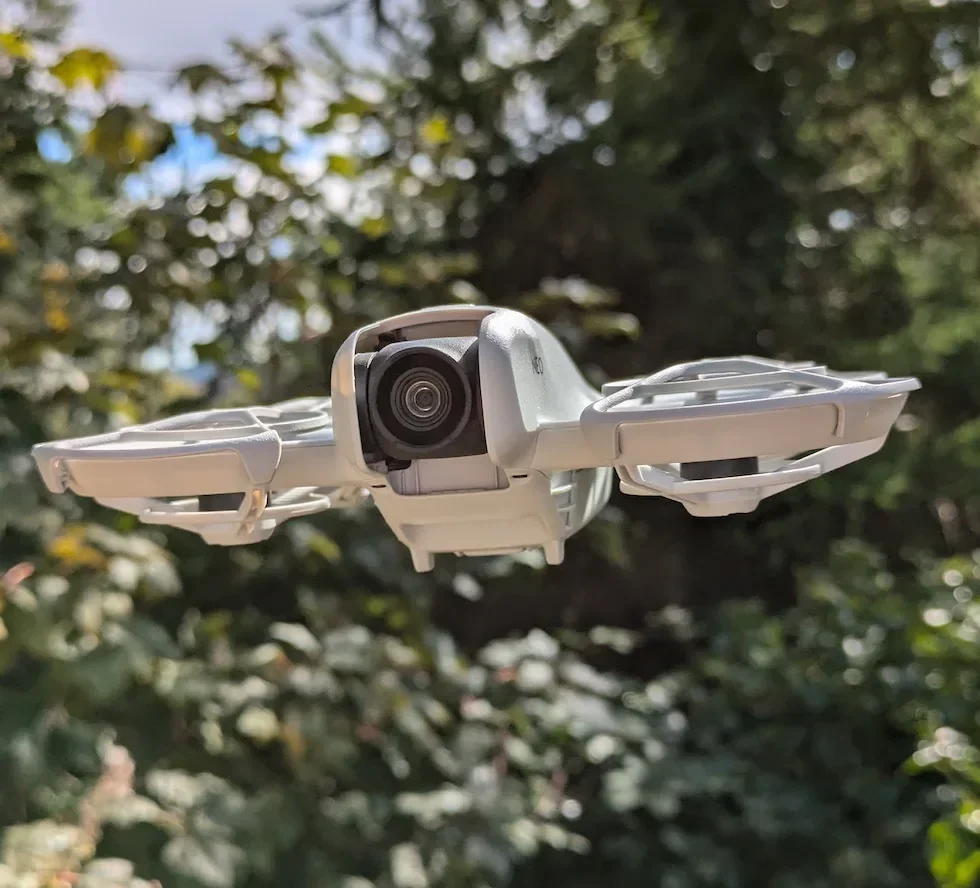
CAP 722 Explained: What It Is, What It Is Not

Peter Leslie
16 Apr 2026

Key Takeaways
- CAP 722 is the Civil Aviation Authority’s guidance document for drones in UK airspace, not the law itself
- The actual law is the Air Navigation Order 2016 plus UK Regulations (EU) 2019/945 and 2019/947, which CAP 722 translates into plain language
- CAP 722 sets out how the CAA expects drone operators to evidence compliance inside the Open, Specific and Certified Categories
- The CAP 722 series includes companion documents from CAP 722A through CAP 722H, each covering a specialised slice of the regime
- CAP 722 is re-issued regularly and the edition you reference must match the state of the law on the day of the flight
CAP 722 is the document almost every UK drone operator has heard of and almost none have read cover to cover. Its full title is Unmanned Aircraft System Operations in UK Airspace — Guidance, and the single most important word in that title is the last one. It is guidance, not legislation.
The confusion matters, because breaching CAP 722 is not in itself a criminal offence — breaching the law it describes is. This guide explains what CAP 722 actually does, which law sits above it, which sections drone pilots genuinely use, and how the wider CAP 722 series fits around it.
CAP 722 is the CAA’s guidance on how to comply with UK drone law, not the law itself
The legal framework for flying a drone in the UK sits in two places. The primary legislation is the Civil Aviation Act 1982 and UK Regulation (EU) 2018/1139, commonly called the Basic Regulation. The secondary legislation is UK Regulation (EU) 2019/947 (the UAS Implementing Regulation) and UK Regulation (EU) 2019/945 (the UAS Delegated Regulation), backed up by the Air Navigation Order 2016.
That stack is what binds you. CAP 722 sits one rung below it as what the CAA calls Guidance Material and Acceptable Means of Compliance. It is the document that takes the dense legal wording of 2019/947 and turns it into a practical narrative you can actually read on a site survey.
The distinction sounds academic until the first time a client asks whether CAP 722 itself is a legal requirement. The honest answer is no — following CAP 722 is the CAA’s accepted way of proving you have met the legal requirements, and you are free to propose an alternative, equally safe means of compliance. In practice almost nobody does, because re-inventing a safety case from scratch is slower, more expensive and rarely persuades an inspector.
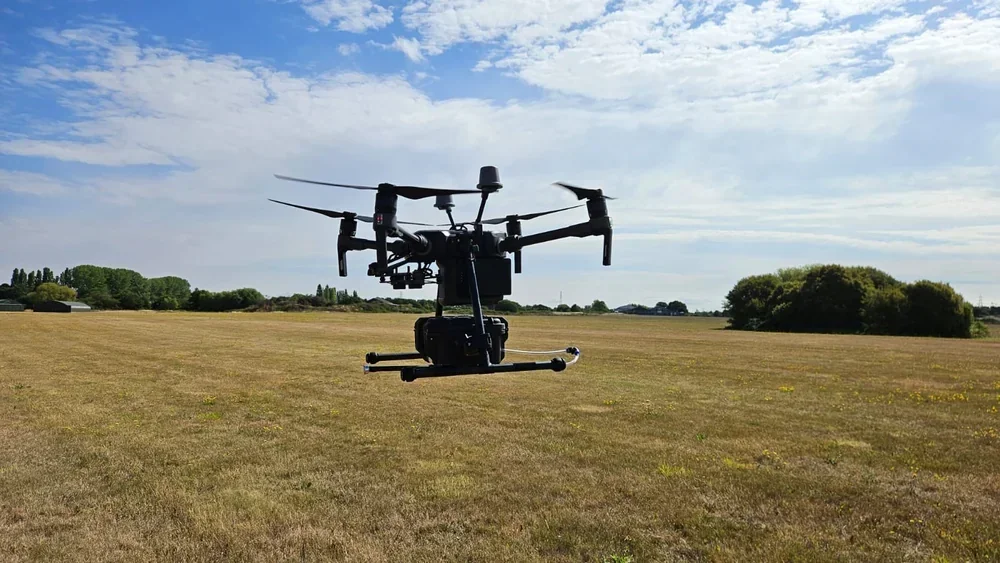
The document is structured around the three operational categories every drone operator will recognise
CAP 722 mirrors the framework introduced by the UAS Implementing Regulation. Every flight in the UK falls into one of three buckets: the Open Category for the lowest-risk hobby and commercial work, the Specific Category for flights that need an Operational Authorisation, and the Certified Category for the highest-risk work where the drone itself is type-certified like a manned aircraft.
The bulk of CAP 722 is devoted to the Specific Category, because that is where the CAA does the heavy lifting. The Open Category has its own plain-English companion in the Drone and Model Aircraft Code, so CAP 722 only summarises it. The Certified Category is still an emerging space in 2026, so the coverage there is thinner and more forward-looking.
For most commercial drone operators, the sections that earn their keep are the ones covering risk assessment methodology, operational authorisation application guidance, Visual Line of Sight procedures, and the responsibilities of the drone operator versus the Remote Pilot. Those sections are where the document stops summarising and starts actually telling you what to do.
CAP 722 explains how to build a risk assessment the CAA will actually accept
The single most valuable part of CAP 722 for drone operators is the guidance on risk assessment. Any flight outside the Open Category requires evidence that you have thought through what can go wrong and planned for it, and the CAA does not leave the structure of that evidence to chance.
There are two routes to an Operational Authorisation: the PDRA01 pre-defined risk assessment, and UK SORA — the Specific Operations Risk Assessment. UK SORA replaced the Operating Safety Case method on 23 April 2025, so any older reference to an OSC route for new applications is now out of date. CAP 722 sets out the PDRA01 route in clear, step-by-step form and points heavier or more complex operations at UK SORA.
On top of the risk assessment itself, CAP 722 tells you what an Operations Manual has to contain, how the Accountable Manager fits into the company, how you record flight logs and incidents, and how the CAA expects you to handle changes of scope after the authorisation is granted. From a drone operator’s perspective this is the part of the document you return to again and again — not as a rulebook, but as a template.
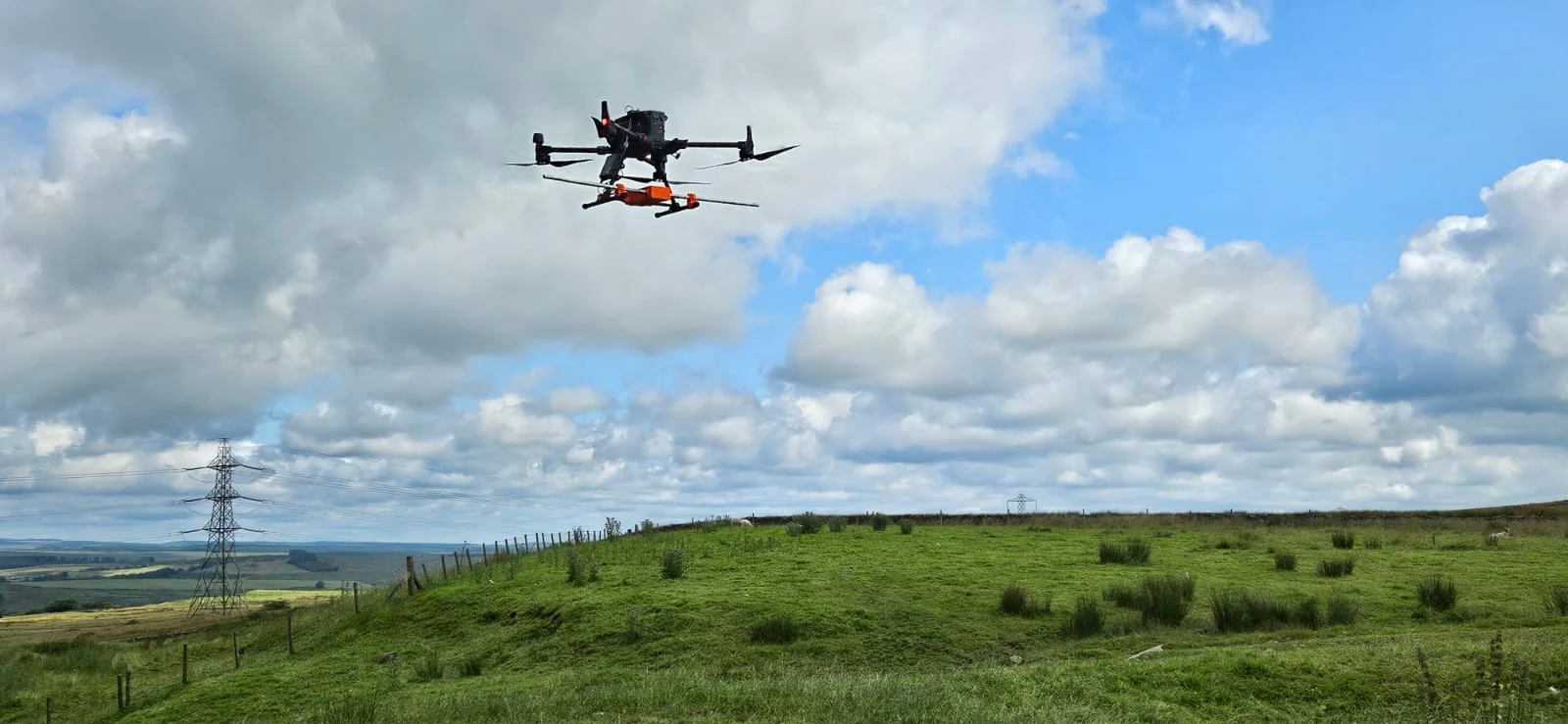
The CAP 722 series runs from 722A through 722H and each companion covers a different slice
CAP 722 is the spine of a series, not a standalone publication. The CAA splits specialised content into lettered companions so the main document does not swell past the point of usefulness. Every drone operator should at least know which companion covers which topic.
| Document | What it covers |
|---|---|
| CAP 722 | The main guidance document — UAS operations in UK airspace |
| CAP 722A | Operating Safety Cases — legacy guidance retained for historic OSC holders in transition |
| CAP 722B | The UK Recognised Assessment Entity (RAE) scheme |
| CAP 722C | UAS airspace restrictions, guidance and policy |
| CAP 722D | The master glossary and list of abbreviations |
| CAP 722E | UAS rotary-wing swarm operations under Visual Line of Sight |
| CAP 722H | Pre-defined Risk Assessment requirements, guidance and policy |
If you are preparing a PDRA01 application, CAP 722H is the companion you will spend the most time inside. If your operation sits near controlled airspace, CAP 722C is unavoidable. If you are sitting the theory exam for a GVC or an A2 Certificate of Competency through a Recognised Assessment Entity, CAP 722B is the scheme your RAE itself sits under.
CAP 722 is re-issued regularly and you must always reference the current edition
The single most common mistake I see on client-supplied Operations Manuals is a reference to a superseded edition of CAP 722. The document is live. It is updated whenever the regulatory framework shifts, and the UK drone regime has shifted more than once in the past few years.
As of April 2026, drone operators should verify the current CAP 722 edition number and publication date directly on the CAA site before quoting it in an Operations Manual. The January 2026 changes to the UK drone regime — most notably the end of the transitional class-mark concessions — mean any CAP 722 reference fetched before then must be sanity-checked against the post-January-2026 state of the law.
The practical habit is simple. When you open an Operations Manual, the first thing you check is the edition number of CAP 722 it quotes. When you write one, you cite the live edition by number and date, and you diary a review the next time the CAA issues a change.
Ignoring CAP 722 does not break CAP 722 — it usually ends up breaking the law it maps to
Because CAP 722 is guidance, you cannot be prosecuted for breaching the document itself. You can, and will, be prosecuted for breaching the underlying law — and CAP 722 is the roadmap the CAA uses to decide whether your flight did or did not comply.
A drone operator who flies inside the Open Category but busts the 50-metre distance from people rule, or climbs above the 120-metre drone height limit, has broken the ANO 2016 via UK Regulation (EU) 2019/947. A drone operator who holds an Operational Authorisation and ignores the conditions inside it has breached the authorisation itself, which the CAA can suspend or revoke without a court involved at all.
On top of the criminal penalties, flying outside the rules invalidates your third-party drone insurance. That turns any accident into a direct personal liability and, for commercial operators, usually ends the job and the client relationship before anyone has asked to see the paperwork. CAP 722 is the cheapest way to stay the right side of all of it.
The short version is this. CAP 722 is guidance, the law is the ANO 2016 and UK Regulations 2019/945 and 2019/947, and every commercial flight you run is easier when you treat CAP 722 as the template you work inside rather than the book you avoid reading.
If you want the bigger legal picture, our UK drone laws explainer stitches the whole stack together, and our guide to the RPC framework covers the qualifications CAP 722 assumes you already hold.
Got a CAP 722 question of your own — a tricky section, a PDRA01 application that stalled, an auditor asking for something you cannot place? Drop a note to peter@hiredronepilot.uk and I will come back to you directly. If you prefer the video version of this explainer, the comments are open on YouTube.
References
Primary source material for this article is the UK Civil Aviation Authority. External links open in a new tab.
- UK CAA — Regulations, Consultations and CAA Publications (CAPs) · the CAP 722 series index and companion document list
- UK CAA — UK Regulatory Framework for Drones · ANO 2016, UK Regulations 2019/945 and 2019/947, AMC and GM hierarchy
- UK CAA — Specific Category Overview · PDRA01 and UK SORA application routes for Operational Authorisation
- UK CAA — The Drone and Model Aircraft Code (CAP2320) · plain-language Open Category companion to CAP 722
- UK CAA — PDRA01 Operational Authorisation Overview · the pre-defined risk assessment route CAP 722 and CAP 722H describe
Peter Leslie
Founder & GVC Drone Pilot
Peter is the founder of HireDronePilot. With thousands of logged commercial flight hours, he writes about drone technology, commercial surveying tactics, and UK aviation compliance.
Connect on LinkedIn