How to Stop a Drone Flying Over Your Property in the UK

Peter Leslie
9 Sept 2025
Key Takeaways
- Shooting down, jamming, or physically interfering with a drone is a criminal offence under UK law, even when it is flying directly over your own garden
- Most drones weighing 250 grams or more must stay at least 50 metres from your home under the Drone Code, and heavier drones in the A3 sub-category must stay 150 metres from residential areas
- If a drone captures identifiable footage of you in a private space, you can report the operator to the Information Commissioner's Office under the Data Protection Act 2018
- Call your local police on 101 for non-emergency illegal or nuisance flying, or 999 if a drone poses an immediate danger to life
- A detailed incident log with dates, times, photos, and a description of the drone is what turns a complaint into an enforceable report
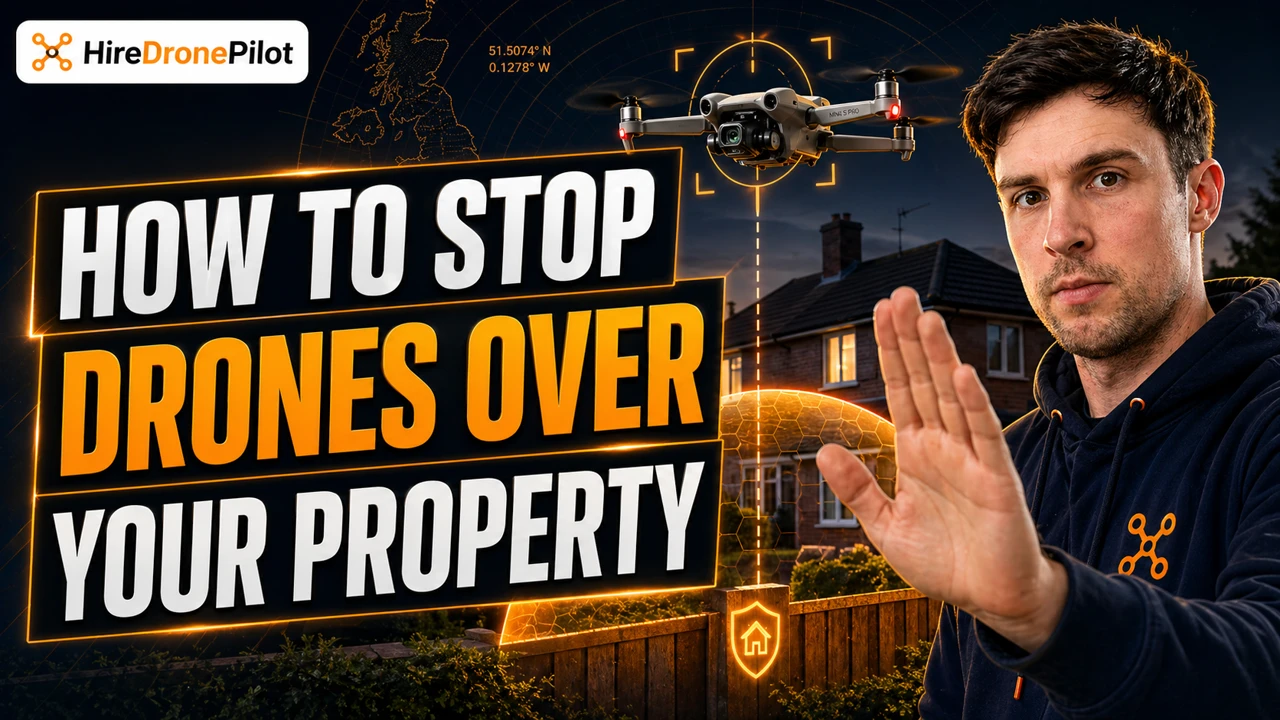
You have spotted a drone hovering over your garden and you want it gone. That is a completely reasonable reaction. As a GVC-qualified drone pilot, I understand both sides of this: no one wants an uninvited camera above their back garden, and most drone pilots do not want to be anywhere near your property in the first place.
The short answer is that you cannot touch the drone, but UK law gives you several clear routes to deal with the situation. The rules on where drones can and cannot fly are tighter than most people realise, and the reporting channels are straightforward once you know which one to use.
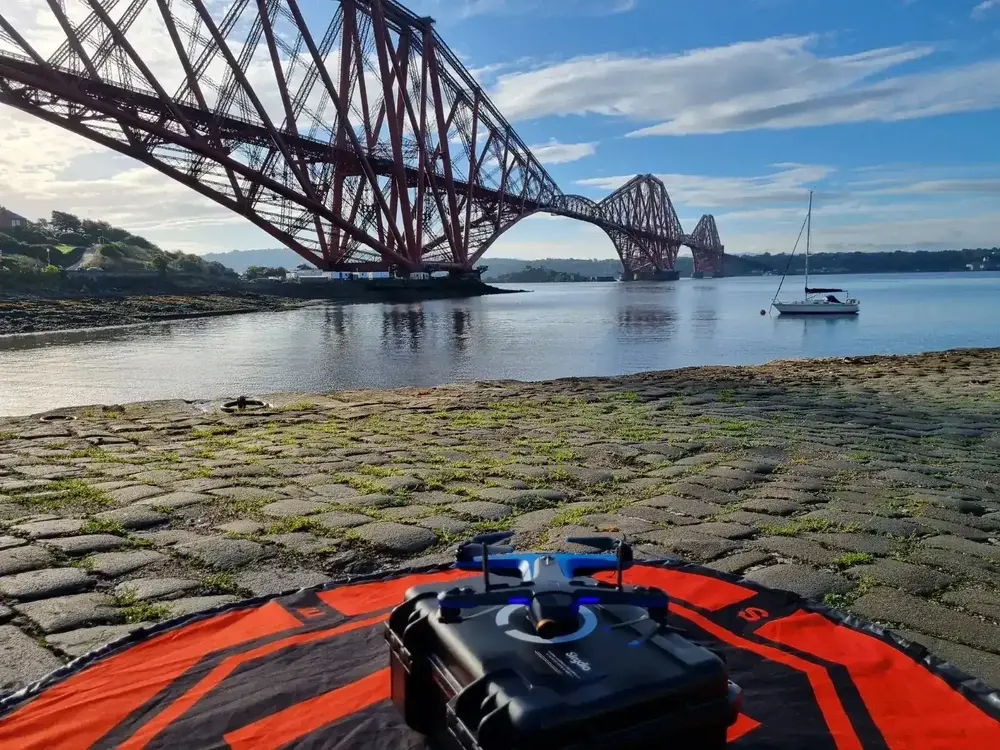
Interfering with a drone is a criminal offence, even when it is flying directly over your own land
This is the part that surprises most homeowners. Your instinct might be to knock the thing out of the sky, but doing so puts you on the wrong side of the law. Under the Criminal Damage Act 1971, deliberately damaging or destroying someone else's property is a criminal offence, and a drone is someone else's property regardless of whose airspace it is in.
Signal jamming is even more serious. The Wireless Telegraphy Act 2006 makes it illegal to use, install, or possess equipment designed to interfere with radio signals. That covers every drone jammer sold online, no matter how it is marketed.
From a drone pilot's perspective, jamming a signal does not simply switch the drone off. It can cause the drone to behave erratically or trigger an uncontrolled flyaway, which creates a far bigger risk to people and property than the original flight ever did.
The Air Navigation Order 2016 adds another layer. It makes it an offence to recklessly or negligently cause or permit a drone to endanger any person or property. That provision cuts both ways: it binds the drone pilot, but it also means that anyone who causes a drone to crash into a crowd or a building by interfering with it could face prosecution themselves.
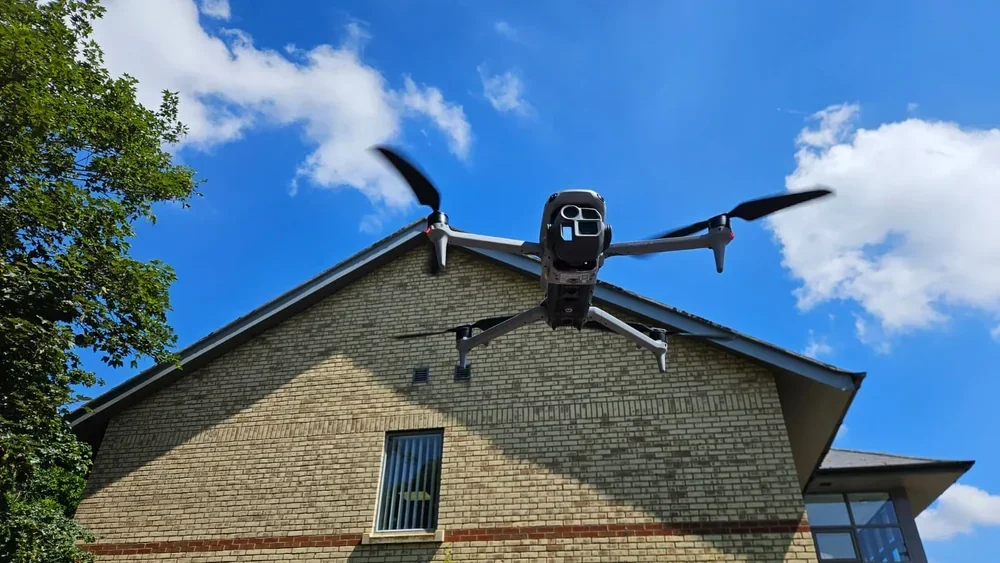
The Drone Code already restricts how close most drones can legally fly to your home
Before you report anything, it helps to know what the rules actually require. The Drone and Model Aircraft Code (CAP2320) sets out the distance and altitude limits that every drone pilot in the Open Category must follow.
The baseline rule is a minimum horizontal distance of 50 metres from uninvolved people, and that includes people inside buildings and vehicles. Your home counts. If you are sitting in your living room or standing in your garden and you did not invite the drone pilot, you are an uninvolved person and the 50-metre buffer applies.
Heavier drones flying in the A3 (Far from People) sub-category face a stricter rule: they must stay at least 150 metres from residential, recreational, commercial, and industrial areas. A cluster of houses within 50 metres of each other counts as a residential area. If your street has neighbours, 150 metres is the legal minimum for A3 drones.
There is one important exception. Drones weighing under 250 grams, or carrying a UK0 or C0 class mark, are allowed to fly in residential areas and can fly closer than 50 metres to people. They still cannot fly over crowds, and they still must respect privacy, but the distance buffers do not apply in the same way.
The maximum altitude for every drone in the Open Category is 120 metres (400 feet).
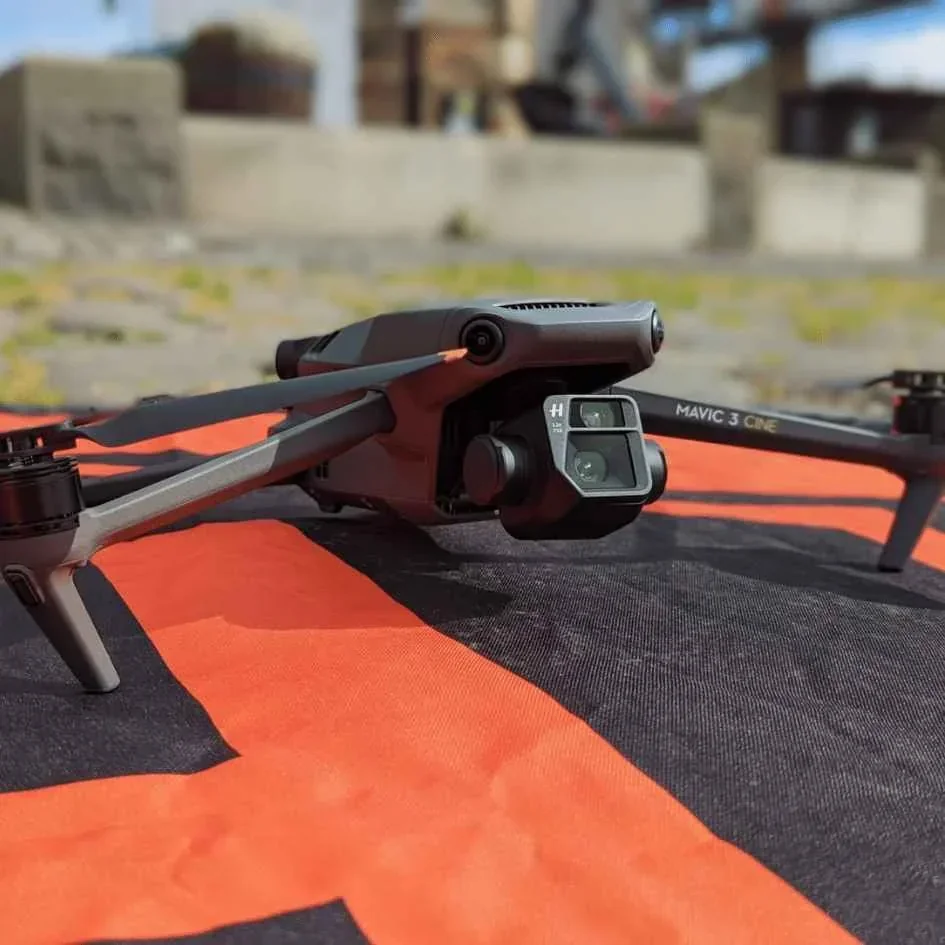
Privacy law protects you the moment a drone captures identifiable footage in a private space
Distance rules are only half the picture. Even if a drone is flying at a legal distance, the camera changes everything. The General Data Protection Regulation (GDPR) and the Data Protection Act 2018 apply to any photos or recordings in which people could be identified, and that includes footage captured unintentionally.
The CAA's own guidance states that using a camera or listening device where people can expect privacy, such as inside their home or garden, is likely to break data protection laws.
If you believe a drone has recorded identifiable footage of you in a private space, you can report the operator to the Information Commissioner's Office (ICO). The ICO handles complaints about misuse of personal data and has the power to investigate and issue enforcement notices.
Beyond data protection, two other legal routes may apply. If a drone is repeatedly flying over your property in a way that causes you alarm or distress, the operator's behaviour could amount to harassment under the Protection from Harassment Act 1997, which is a criminal matter for the police.
And if persistent low-level flights interfere with your reasonable enjoyment of your land, you may have grounds for a private nuisance claim, which is a civil matter that would need legal advice. For a deeper look at what drone cameras can and cannot actually see, our guide to whether drones can see inside houses covers the technical reality.
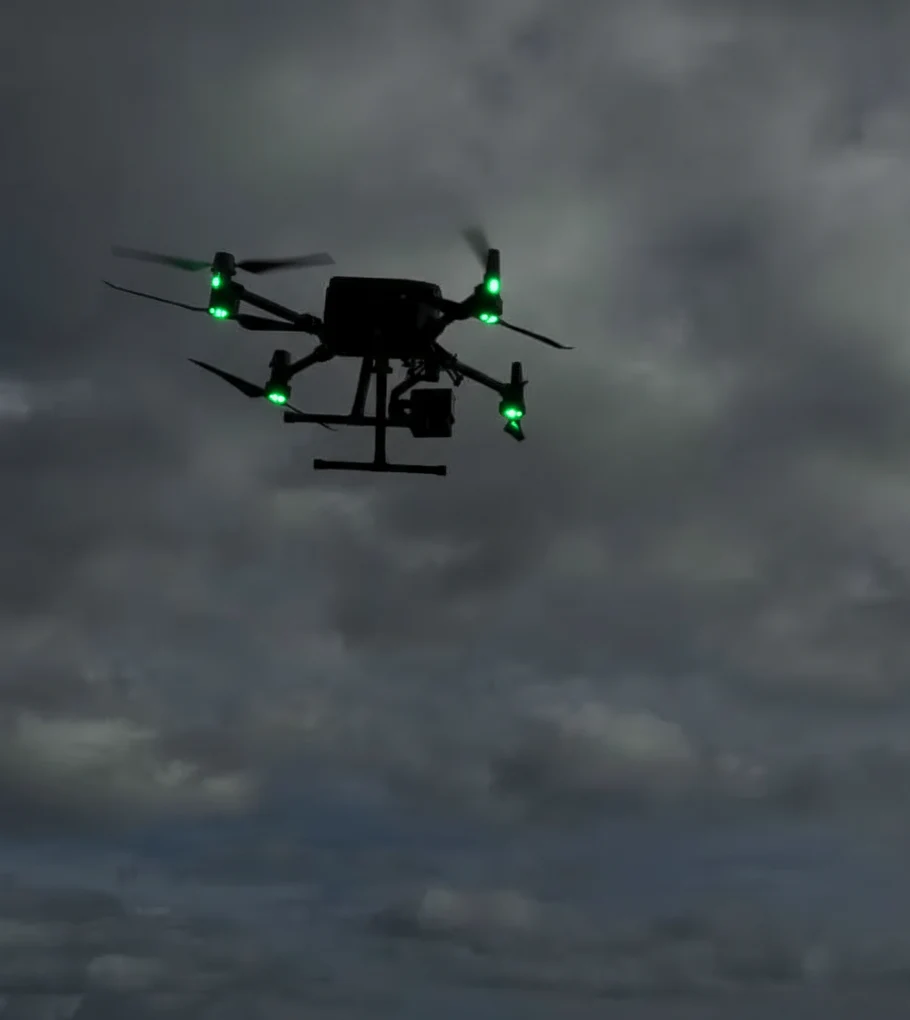
Your first call should be the police on 101, not the CAA
One of the most common mistakes people make is trying to report a drone directly to the Civil Aviation Authority. The CAA writes the rules, but the police enforce them. Depending on the circumstances, police action can range from a warning to confiscation of the drone to imprisonment.
For most situations involving illegal or nuisance flying, call your local police on 101. If a drone poses an immediate danger to life, or there is a threat of violence, call 999. The CAA does accept reports of serious incidents and near misses through its ECCAIRS 2 portal, and those reports can be made anonymously, but that route is designed for safety-critical occurrences rather than neighbourhood disputes.
If your concern is purely about privacy and data protection, the Information Commissioner's Office is the right contact. Here is a quick guide to matching the situation to the right authority:
| Situation | Who to contact | What to provide |
|---|---|---|
| Immediate danger to life | Police: 999 | Your location, the drone's position and direction of travel, and a description of the danger |
| Illegal or dangerous flying (breaking Drone Code rules, flying too close to homes) | Police: 101 | Date, time, location, photos or video, and a description of the rule being broken |
| Persistent harassment (repeated targeted overflights causing distress) | Police: 101 | A log of every incident with dates, times, and any evidence showing a pattern |
| Privacy breach (drone recording you in a private space) | Information Commissioner's Office | Details of the incident and why you believe your data privacy has been breached |
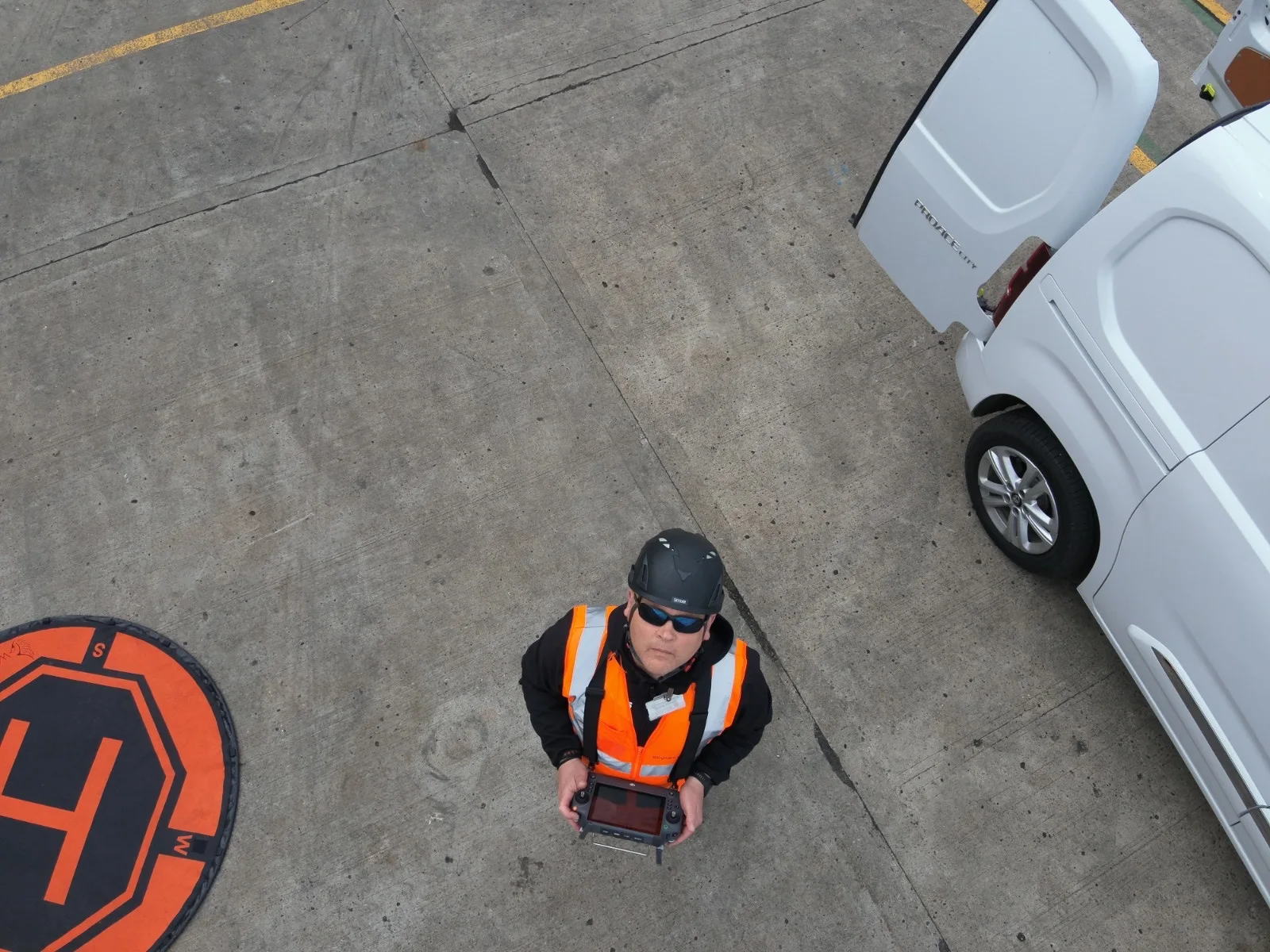
A detailed incident log is what turns a noise complaint into an enforceable report
Calling the police is straightforward. Making the report stick is the part that requires a little effort on your side.
The single most useful thing you can do is document the flight while it is happening. Use your phone to record the drone in the air, noting its position relative to your property. Write down the date, the time, the duration of the flight, and the drone's appearance: its colour, approximate size, and how many propellers it has.
If you can see the drone operator, note where they are standing and what they look like. If you cannot, note that too, because a drone pilot who is not visible may well be flying outside the legal requirement to maintain direct Visual Line of Sight.
If the flights are repeated, keep a running log. A pattern of incidents is far stronger evidence than a single sighting, and it is what the police need to pursue a harassment case. For more on working out who is behind the controls, our guide to identifying a drone operator walks through the practical steps.
If you do spot the drone pilot and feel safe approaching them, a calm conversation will usually clear things up. In my experience, most professional drone pilots are happy to explain what they are doing, show you their Flyer ID and Operator ID, and walk you through the job. An angry confrontation, on the other hand, rarely produces anything useful.
The vast majority of drone pilots in the UK, especially those who hold a GVC or A2 CofC and carry insurance, are flying legally and want to respect your privacy. Reporting the ones who do not helps keep the system honest for everyone. For the full legal picture, our UK drone laws explainer ties all of these rules together in one place.
Got a specific scenario you want covered — a neighbour's drone, a persistent overflight, a privacy concern? Drop a note to peter@hiredronepilot.uk and I will come back to you directly. If you prefer the video version of this explainer, the comments are open on YouTube.
References
Primary source material for this article is the UK Civil Aviation Authority. External links open in a new tab.
- UK CAA — The Drone and Model Aircraft Code (CAP2320) · distance rules, privacy obligations, penalties
- UK CAA — Privacy Rules When Flying Drones · GDPR and Data Protection Act 2018 obligations for drone operators
- UK CAA — Concerns About Privacy and Illegal Use of Drones · reporting routes, police contact numbers, what counts as illegal flying
- UK CAA — Drone Regulations for Police Forces · enforcement authority, penalty range from warnings to imprisonment
- UK CAA — UK Regulatory Framework for Drones · Air Navigation Order 2016, trespass, privacy law
- UK CAA — Where You Can Fly (A1, A2, A3 sub-categories) · sub-category distance and area rules
Peter Leslie
Founder & GVC Drone Pilot
Peter is the founder of HireDronePilot. With thousands of logged commercial flight hours, he writes about drone technology, commercial surveying tactics, and UK aviation compliance.
Connect on LinkedIn