What Happens If You Get Caught Flying a Drone Illegally in the UK

Peter Leslie
19 Apr 2026
Key Takeaways
- Police can stop you, require the drone to land, inspect your Flyer ID and Operator ID, and seize the kit the moment a drone offence is suspected
- Penalties run as a ladder — warning, seizure, fine, prosecution — and the CAA's own framing is warnings through drone confiscation to imprisonment
- Endangering the safety of an aircraft in flight is the heaviest single offence and carries up to five years in prison under the Air Navigation Order 2016
- A conviction quietly damages three other things: your CAA register entry, your drone insurance cover, and any future commercial paperwork
- The whole ladder is avoidable with five items on every flight: Flyer ID, Operator ID, the physical label, third-party insurance, and a recent flight log
You fly a drone in the UK often enough and the question eventually lands in someone's lap. A member of the public rings 101 to report a drone that looks dangerous, a counter-drone system at an airport or prison flags your Operator ID in the air, or an officer happens to be passing when the drone climbs above a crowd. What actually happens to drone pilots caught flying outside the rules in the UK? The answer is a ladder, not a single outcome — it runs from a recorded warning at the kerbside through a seized drone and a prosecution up to a five-year prison sentence, and the rung you land on matches almost exactly what you were doing.
This guide walks the ladder as a drone operator experiences it. Who stops you. What happens to the kit. How a case is prosecuted. And the quiet damage a conviction does to three other things — your CAA register entry, your drone insurance, and any future commercial paperwork.
The first thing that usually happens is the police asking you to land the drone and produce your IDs
A stop rarely comes out of nowhere. In almost every case it is triggered by one of three things — a member of the public ringing 101 to report a drone that looks dangerous, an emergency triage that routes the call straight to 999, or a counter-drone alert at a sensitive site where the drone has broadcast its way onto a screen before the officer has even moved.
When an officer arrives, the first move is almost always the same. They ask you to land the drone, and then they ask to see your paperwork. The statutory powers behind that request are real — a constable can require a drone to be grounded the moment a drone offence is suspected, and refusing or deliberately delaying compliance is a separate criminal offence on top of whatever triggered the stop. Land as soon as it is safe, stop the rotors, and leave the drone where the officer can see it.
After the drone is on the ground, the paperwork check begins. The officer is entitled to inspect your Flyer ID, your Operator ID, and the physical Operator ID label stuck to the main body of the drone in block capitals taller than three millimetres. Remote ID for UK1, UK2 and UK3 class drones has been active since January 2026, which means the broadcast from a compliant drone has usually linked it to your Operator ID before the officer has even walked over.
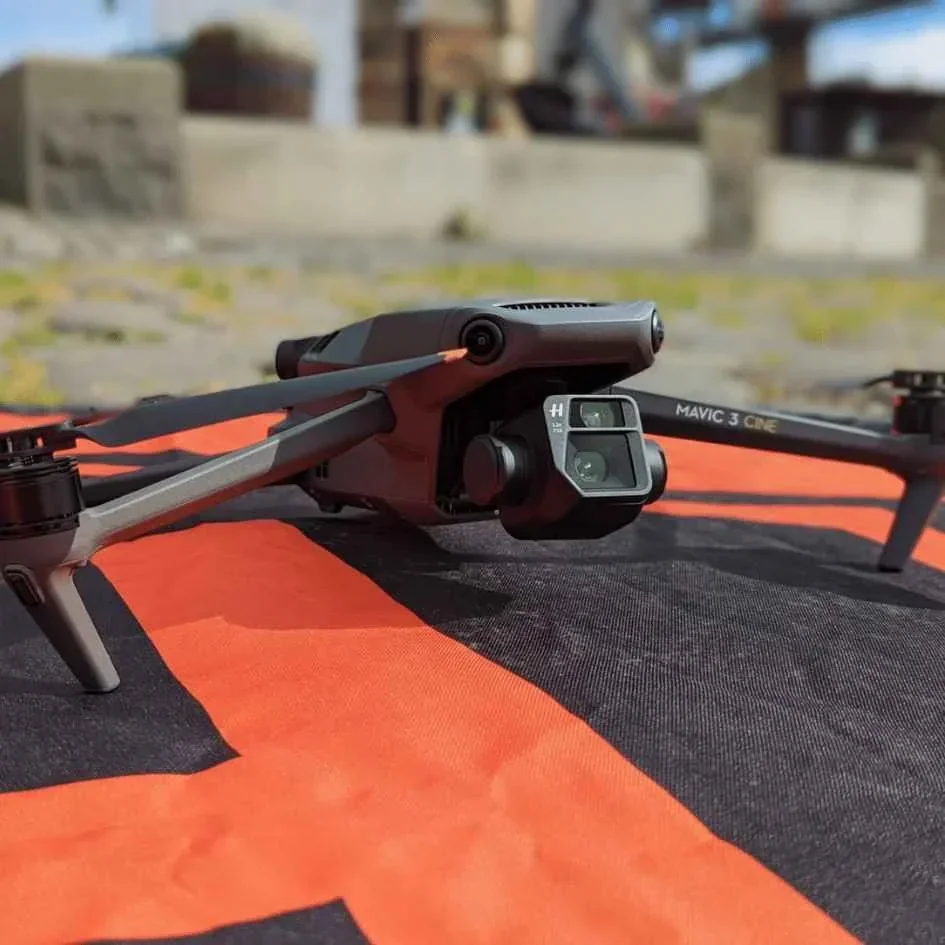
For low-level breaches the most common outcome is a recorded warning and a five-minute conversation about the rules
At the bottom of the ladder, most stops end without a prosecution. The CAA's own published position on how police enforce drone rules is that penalties range from warnings through drone confiscation to imprisonment, and the warning layer is the one most drone operators will ever encounter.
What tends to land here is paperwork-grade breaches. A forgotten Operator ID label on the drone. A Flyer ID that has lapsed because you did not retake the free theory test at the five-year renewal. An unintentional dip into the fifty-metre people buffer in an otherwise empty park. The officer confirms you understand the rule that was breached, logs the stop, and you walk away with the drone.
A recorded warning does not carry a criminal record. It is, however, on file. A repeat breach months later will be treated very differently once the stop history is visible, and a second stop at the same kind of location is usually where the ladder steps up. If you want the broader legal picture this sits inside, the UK drone laws explainer is the hub.
More serious breaches see the drone seized as evidence and the case sent for formal investigation
The middle of the ladder is where the drone leaves the site without you. Seizure happens where the officer reasonably believes the drone is evidence of an offence, or where continued possession would be a risk — a flight inside a Flight Restriction Zone without permission, a flight over a crowd or an airshow, a flight near a hospital helicopter landing site, a flight inside airport-grade detection, or a flight that has already breached a prison perimeter.
What gets seized is more kit than most drone operators expect. A seizure usually covers the drone itself, the controller, the batteries, the goggles if the flight was FPV, the phone or tablet running the control app, and any SD cards that might hold flight logs or footage. Everything goes into evidence, and everything stays there while the offence is investigated.
The same sharp end is reached the moment a drone climbs above the 120-metre altitude ceiling in controlled airspace, or inside a Flight Restriction Zone around an airfield. On conviction, the court can issue a forfeiture order — meaning the drone is not returned, even after the case closes. For a commercial drone operator this is where the financial damage starts to multiply.
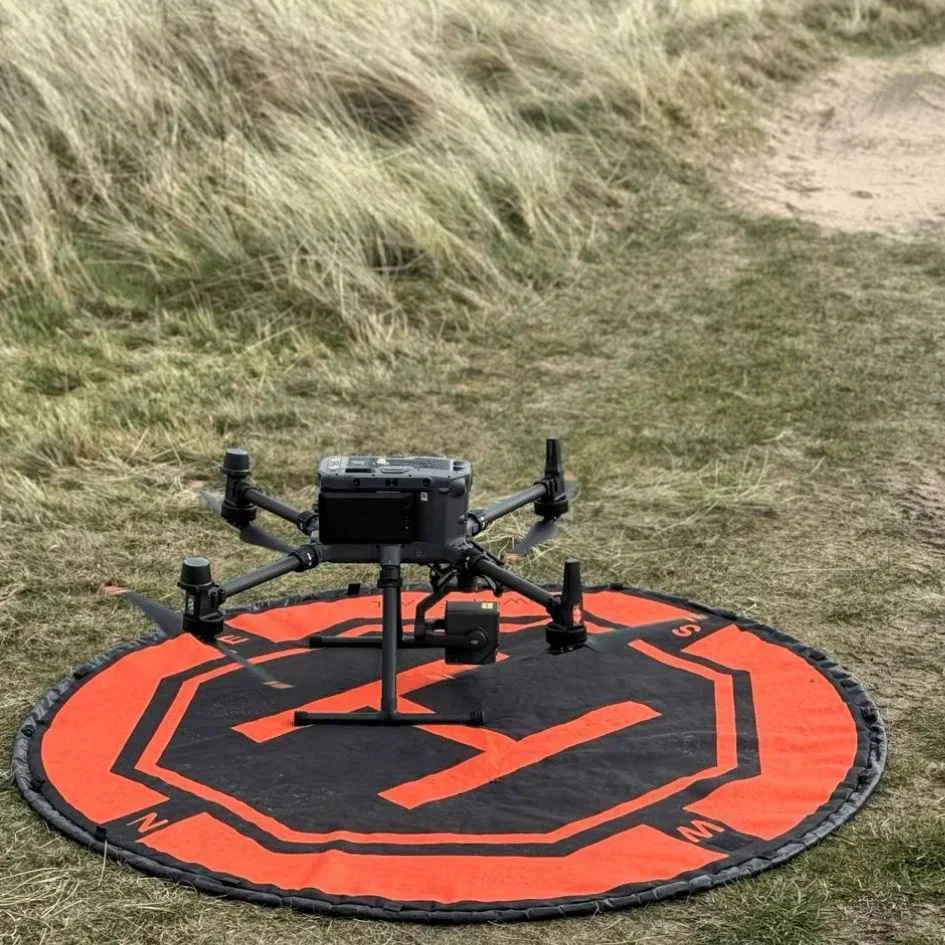
Once a case is prosecuted you are looking at a fine in the magistrates' court — and at the top end up to five years in prison
The legal backbone for prosecution sits in the Air Navigation Order 2016, working alongside UK Regulations (EU) 2019/945 and 2019/947. Breaching the rules in the Drone and Model Aircraft Code is not a civil matter or a breach of etiquette. It is a criminal offence, and the CAP2320 Drone Code itself states the consequence in plain English — you could be fined for breaking the law when flying. In the most serious case, you could be sent to prison.
The prosecution route itself is unremarkable. Most drone cases are summary offences heard in the magistrates' court, which means a fine and the possibility of a short custodial sentence. The more serious cases — flights that endangered a manned aircraft or flights into genuinely sensitive airspace — go up to the Crown Court, where the sentencing power is bigger and so is the reputational damage.
At the top of the ladder sits one offence that towers over the rest. Endangering the safety of an aircraft in flight carries a maximum sentence of five years in prison. The CAA is unambiguous about it: the Drone Code's own Key facts page states that endangering an aircraft can carry five years in prison, and the wording appears in the police-enforcement guidance as well. In practice this is the offence that drives the headlines — a drone flown near a landing airliner, a drone that pushes an air ambulance off station, a drone in a helicopter's path.
The consequence ladder at a glance
| What you did | Typical outcome |
|---|---|
| Forgotten label, expired Flyer ID, a stray dip inside the fifty-metre buffer in an empty park | Recorded warning at the scene, drone retained |
| Flying without any registration at all, flying over uninvolved people, above 120 metres | Fine in the magistrates' court, likely drone forfeiture |
| Flying inside a Flight Restriction Zone, over a crowd, over a prison, near a helipad | Drone seized, prosecution, larger fine and possible custody |
| Endangering the safety of an aircraft in flight | Up to five years in prison under the Air Navigation Order 2016 |
A note on the sub-250g class. The weight floor gives you a wider legal envelope, but it is not a free pass — the sub-250g drone laws still prohibit flights over crowds, inside Flight Restriction Zones, and above the 120-metre ceiling, and the penalty ladder above applies identically. Creative counter-measures also tend to become their own offences — shooting a drone down is criminal damage before the Air Navigation Order even enters the room, and using a drone jammer is prohibited under the Wireless Telegraphy Act 2006.
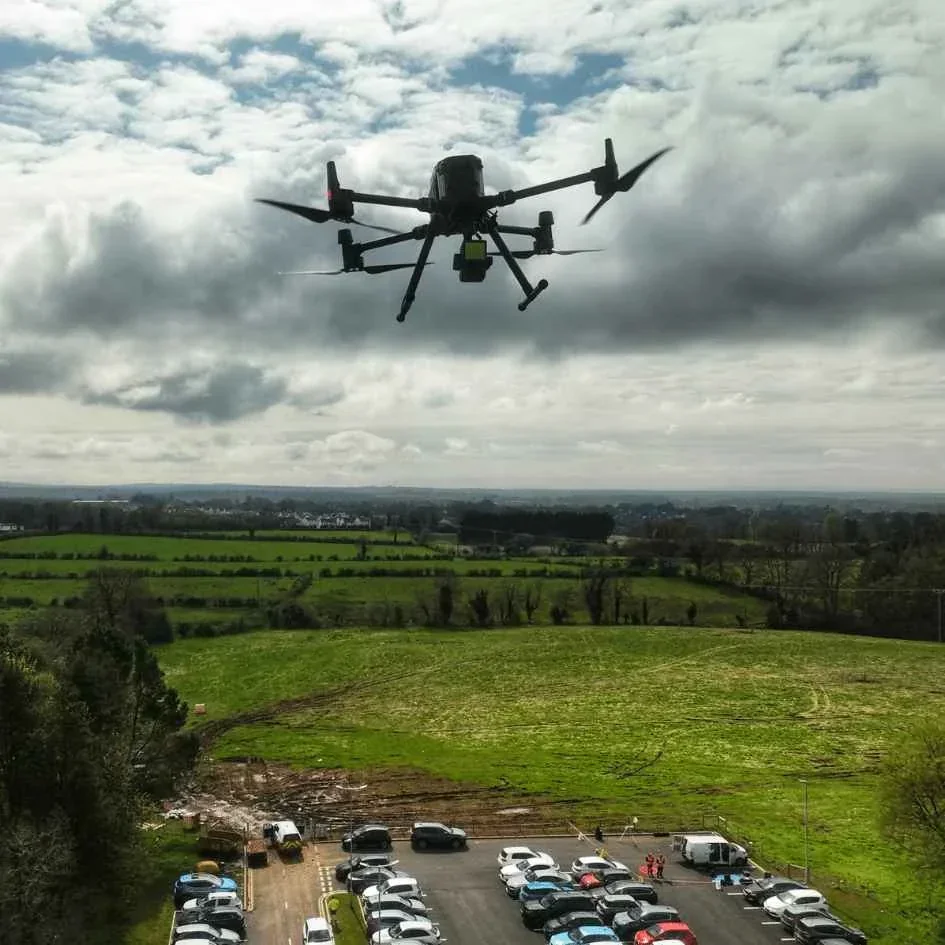
A conviction quietly does damage in three other places — your CAA register entry, your insurance cover and any future commercial paperwork
The criminal penalty is the part that makes the headlines. The collateral damage is the part that follows you around for years after the case closes.
The first hit lands on your CAA register entry. Operator ID renewal is annual and costs £12.34 each year, and the CAA is the body that decides who gets one. In practice, a conviction linked to the drone makes renewal awkward at best and unavailable at worst — and the same applies to the professional tier of qualifications sitting above it, the GVC, the A2 CofC, and any Operational Authorisation tied to them. The CAA's identification trail through Remote ID and the Operator ID register means the link between a convicted drone operator and their paperwork is not a hard one to make.
The second hit lands on insurance. Third-party drone insurance is mandatory for commercial work and for any drone of twenty kilograms or more, and flying outside the rules almost always invalidates the cover in force at the time of the incident. A conviction on top of that pushes the next premium up sharply — see the working figures in the current drone insurance cost guide — and some insurers decline to quote convicted operators at all. For a working drone operator this is often the most expensive consequence on the whole page.
The third hit is the criminal record itself. A summary conviction under the Air Navigation Order 2016 shows up on enhanced DBS checks for years, complicates US ESTA applications, and flags on the kind of employer screening used by security-sensitive clients. On top of that, if the flight involved identifiable people in the footage, UK GDPR and the Data Protection Act 2018 stack a second, separate set of obligations on top of the aviation offence — and recording for a criminal or terrorist purpose is a standalone offence in its own right.
Carrying your IDs, your insurance and a recent flight log on every flight is what keeps you out of all of this
The whole ladder is avoidable, and the cost of avoiding it is almost nothing. The CAA's own position is that enforcement exists for the minority of flights that cross a real line, and the officers who run stops are, in my experience, reasonable to work with as long as the paperwork is there.
What a sensible drone operator keeps to hand on every flight:
- Flyer ID — screenshot on the phone, or a printed card. Free, valid five years.
- Operator ID — on the phone plus a physical label on the main body of the drone in block capitals taller than three millimetres. £12.34 per year.
- Proof of insurance — third-party cover is mandatory for any commercial flight and for any drone of twenty kilograms or more.
- A recent flight log — most app-controlled drones keep one automatically, and it closes the conversation faster than anything else you can show.
- For commercial flights: a copy of the Operational Authorisation or PDRA01 certificate, the Operations Manual, and the relevant RPC or GVC certificate.
North of the border the rules and the penalty ladder are identical — the Scottish forces use the same 101 and 999 triage and prosecute under the same Air Navigation Order 2016. The devolved angle touches land access and wildlife protection rather than the aviation rulebook.
The bottom line is straightforward. The penalty ladder in UK drone law is real — warnings, seizure, fines, prosecution, five years for endangering an aircraft — and the collateral damage to your register entry, your insurance, and your record is often the part that costs you the most. The cheapest possible way to avoid all of it is paperwork-first flying, every single time. For a sister-piece on how police enforcement at an active scene escalates even faster than this guide describes, see the guide on flying over emergency services.
Got an enforcement scenario you want covered — a stop that did not go to plan, a counter-drone alert at a job site, a question about what your insurance actually covers if the worst happens? Drop a note to peter@hiredronepilot.uk and I will come back to you directly. If you prefer the video version of this explainer, the comments are open on YouTube.
References
Primary source material for this article is the UK Civil Aviation Authority. External links open in a new tab.
- UK CAA — Drone Regulations for Police Forces · penalties range from warnings to confiscation to imprisonment, police as the enforcement body, 101 and 999 triage
- UK CAA — Concerns About Privacy and Illegal Use of Drones · list of illegal-flight scenarios (prisons, airports, crowds, helipads, 120 m, restricted airspace)
- UK CAA — The Drone and Model Aircraft Code (CAP2320) · five-year maximum for endangering an aircraft, fines and prison for breaking the rules, Remote ID post-January 2026
- UK CAA — Register Drones (Flyer ID and Operator ID) · Flyer ID free and valid five years, Operator ID £12.34 annually, criminal offence to fly without them
- UK CAA — UK Regulatory Framework for Drones · Air Navigation Order 2016, UK Regulations (EU) 2019/945 and 2019/947 as the legal basis for offences
- UK CAA — Remote ID · Remote ID broadcasts Operator ID for UK1, UK2 and UK3 class drones from 1 January 2026
Peter Leslie
Founder & GVC Drone Pilot
Peter is the founder of HireDronePilot. With thousands of logged commercial flight hours, he writes about drone technology, commercial surveying tactics, and UK aviation compliance.
Connect on LinkedIn