UK Drone Pilot Qualifications: The Full Ladder Explained

Peter Leslie
16 Apr 2026
Key Takeaways
- The UK has a ladder of eight drone pilot qualifications: Flyer ID, Operator ID, A2 CofC, GVC, RPC-L1, RPC-L2, RPC-L3, and RPC-L4
- The Flyer ID is free, the Operator ID costs twelve pounds and thirty-four pence per year, and everything above them is a paid course run by a CAA-approved provider
- From 1 January 2026, the Flyer ID is mandatory for anyone flying a drone weighing 100g or more, down from the old 250g threshold
- The GVC is Visual Line of Sight only — the jump from the GVC to an RPC-L2 is the jump into lawful Beyond Visual Line of Sight work
- Nothing in this list qualifies you on its own — you also need a registered operator, an Operational Authorisation for Specific Category work, and valid insurance
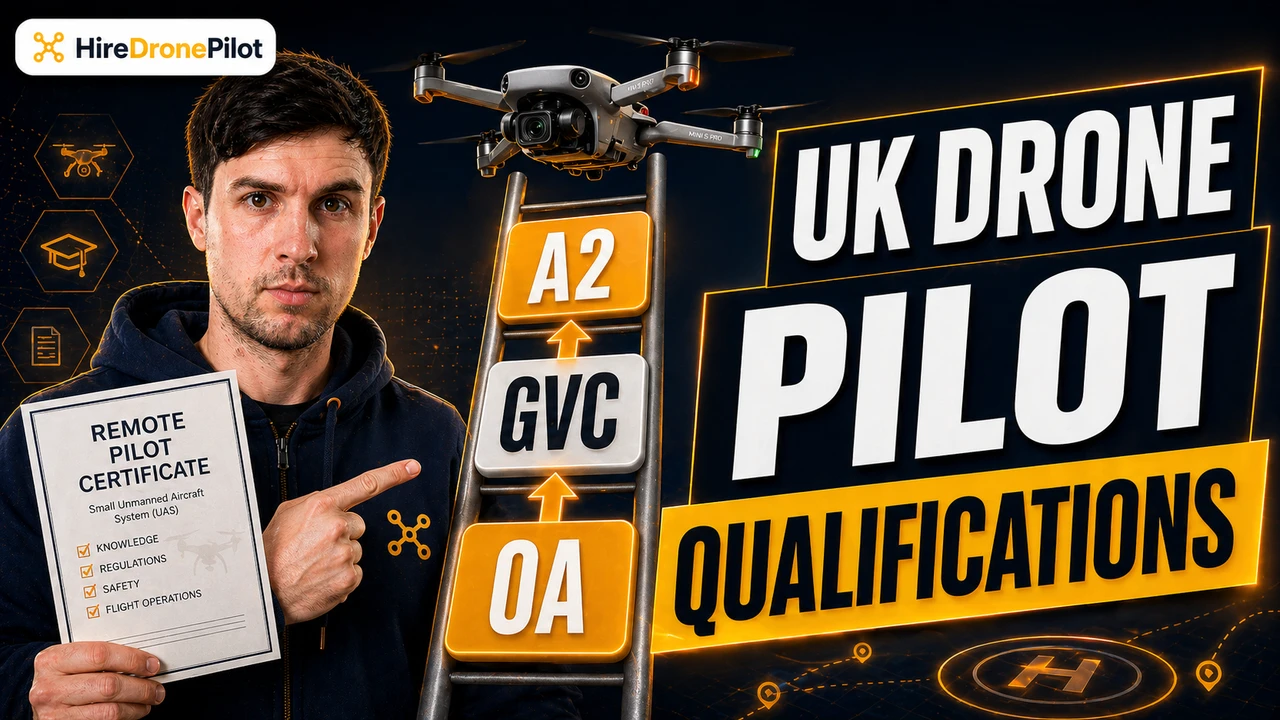
There is no single drone licence in the UK. What there is instead is a ladder of eight separate qualifications that sit under the Civil Aviation Authority, each one unlocking a specific kind of flying. Most drone pilots only ever need the first two. A small minority climb all the way to the top.
This is the hub guide. It maps every rung of the ladder, what each qualification unlocks, what it costs in time and money, and how it connects to the wider UK drone laws that govern where and how you fly.
Every legal flight in the UK starts with a Flyer ID and an Operator ID, and those two alone cover most recreational drone pilots
The bottom of the ladder is the CAA registration scheme. It is made up of two things that are easy to confuse, because everybody calls the whole bundle "the drone licence" in casual conversation, and it is neither a single document nor a real licence at all.
A Flyer ID is the free online theory test that proves you have read and understood the basic safety rules. An Operator ID is the paid registration that marks you as the person responsible for the drone, and its number has to be labelled on every drone you own. You can hold both, you can hold just one, and in a household with a child under eighteen the adult is typically the operator while the child is the flyer.
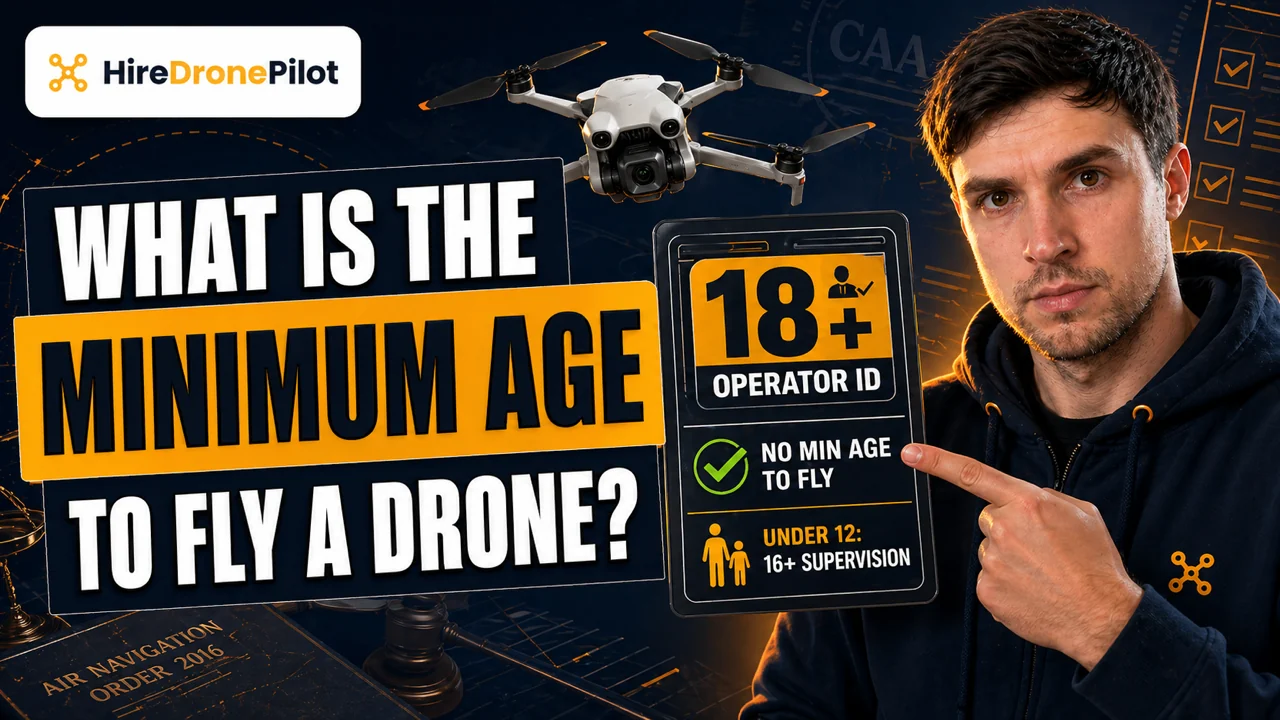
Since 1 January 2026, the weight threshold for the Flyer ID dropped from 250g to 100g, which pulled almost every sub-250g drone on sale into the registration regime. The Operator ID sits at £12.34 per year and has to be renewed annually; the Flyer ID is free and lasts five years. You must be eighteen or over to be the operator, but there is no minimum age for the Flyer ID itself.
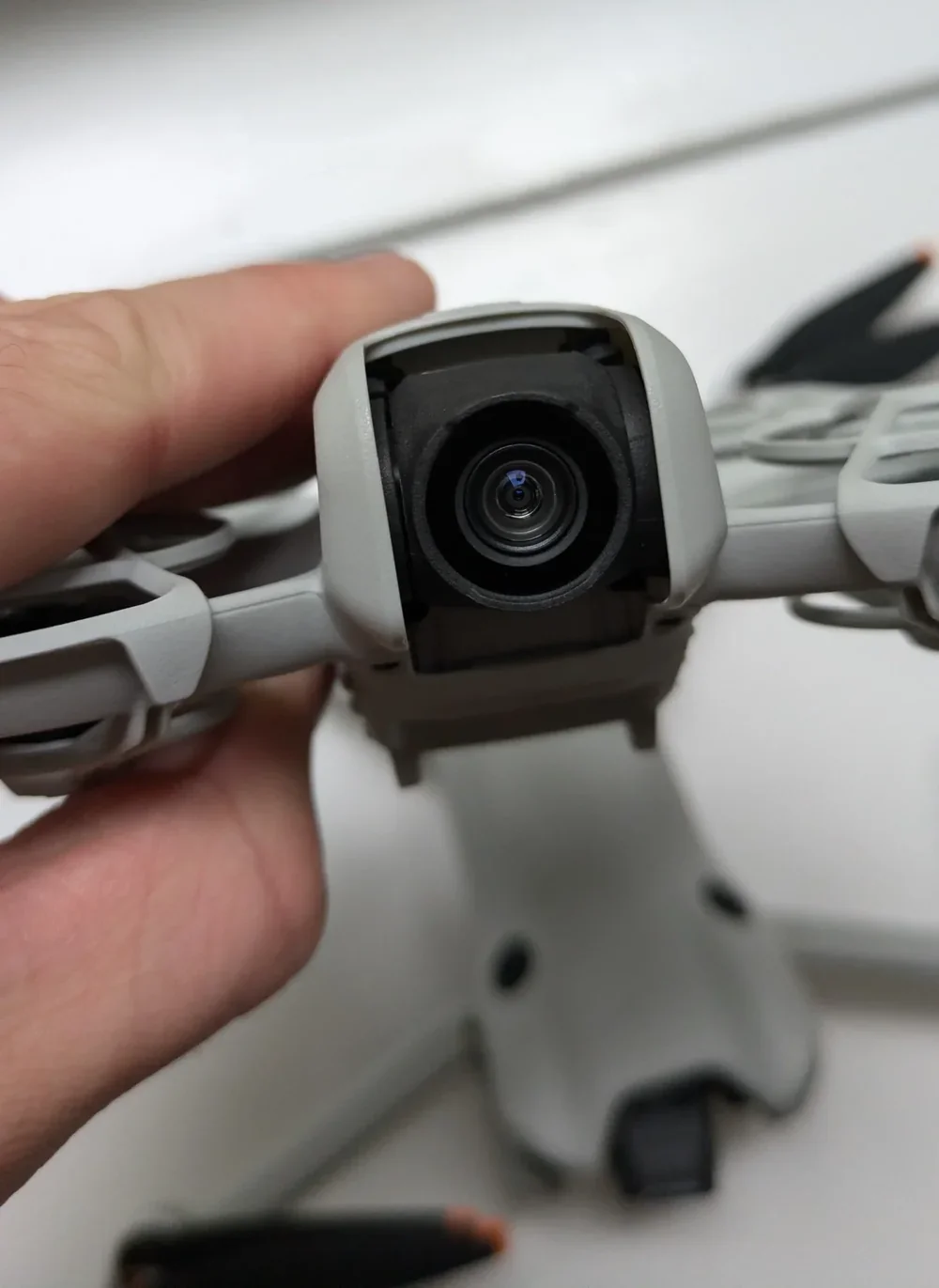
For a huge proportion of recreational drone pilots — anyone flying a sub-250g DJI Mini or Neo in a park, a back garden, or on holiday — this really is the whole qualification picture. You do not need anything above this to fly legally inside the Open A1 and A3 sub-categories, provided you follow the Drone Code and stay under the 120 metre altitude ceiling.
The A2 Certificate of Competency is the first paid qualification, and it exists to let you fly closer to people
The A2 Certificate of Competency is the first rung above the free registration scheme. It lives inside the Open Category, which means it does not require an Operational Authorisation from the CAA — it is a simple certificate of competence, not a permission.
What the A2 CofC unlocks is proximity. With it you can fly an appropriately class-marked drone inside the Near People (A2) sub-category, which from 1 January 2026 replaced the old Open A2 label. The rule of thumb is that it lets you operate closer than the default 50 metres from uninvolved people that the rest of the Open Category requires, provided you do not intentionally overfly anyone.
To earn it you hold a valid Flyer ID, then sit a theory test of at least thirty multiple-choice questions through a CAA-approved provider — a Recognised Assessment Entity — covering meteorology, flight performance, and technical and operational mitigations for ground risk. The practical side is self-directed. There is no minimum age. The certificate is valid for five years. Providers set their own fees, and in practice that lands in the low hundreds of pounds.
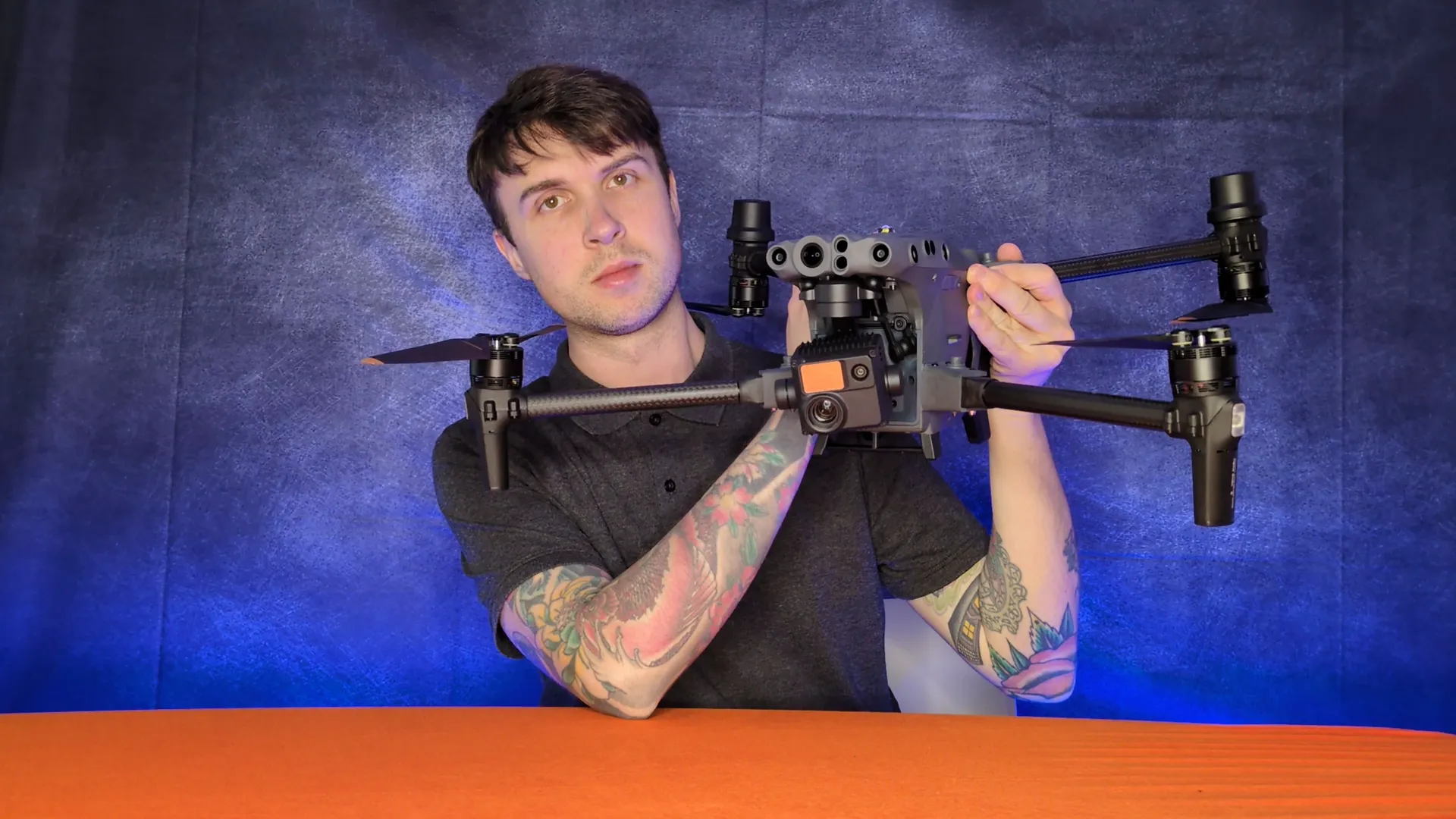
The A2 CofC is VLOS only — that is Visual Line of Sight. It is the right qualification for a confident hobbyist who wants to move into small jobs with a sub-2kg class-marked drone, but it is not the one most commercial drone pilots end up holding.
The GVC is the qualification most commercial UK drone pilots actually hold, and it is your gateway into the Specific Category
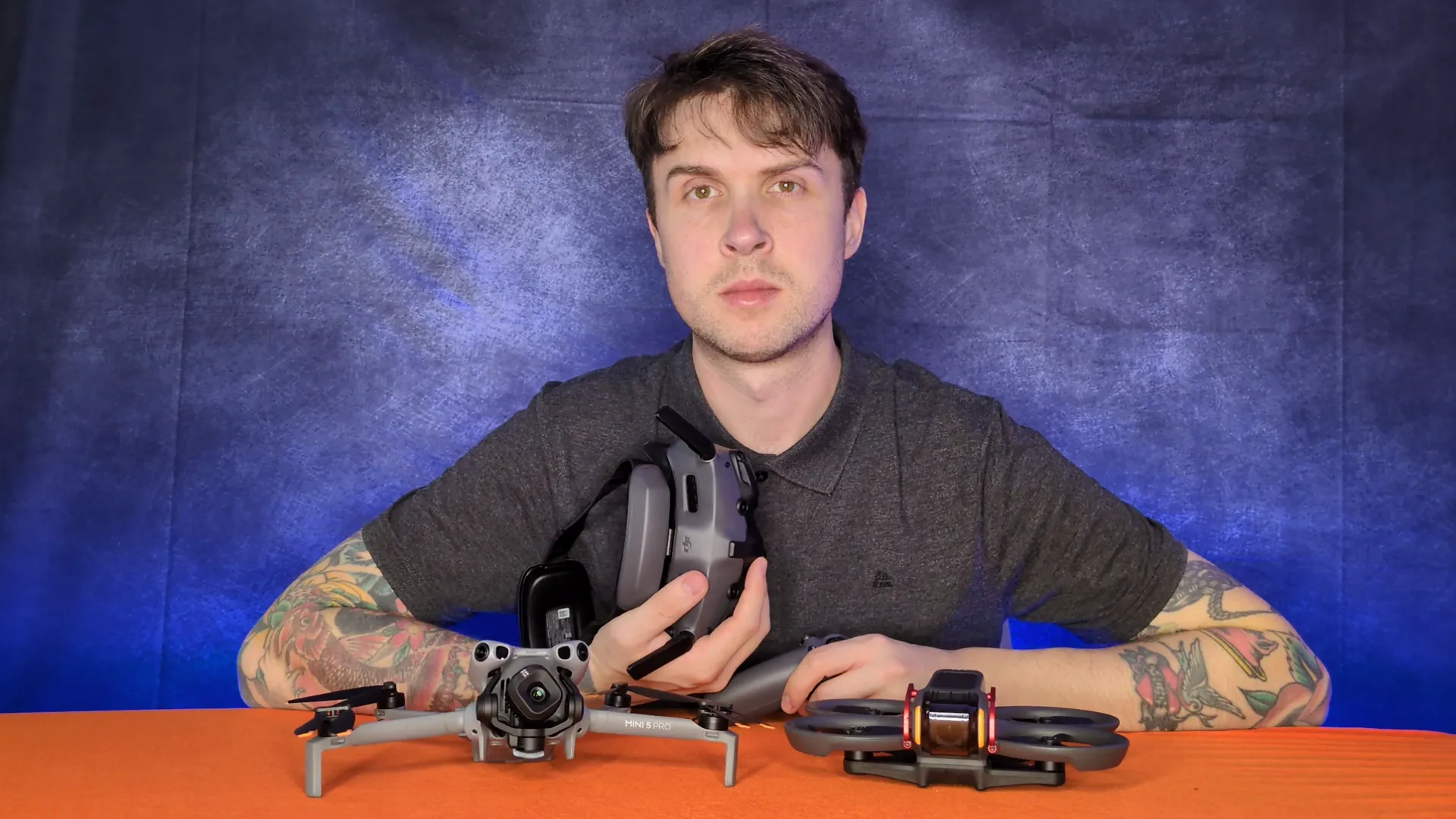
The General Visual Line of Sight Certificate — the GVC — is the most common professional qualification in the UK, and for most newcomers into paid drone work it is the right first target. It is the entry ticket into the Specific Category, which is where anything more risk-bearing than a sub-250g leisure flight legally sits.
On its own the GVC is a competence certificate, not a permission. To actually fly commercially in the Specific Category you pair the GVC with an Operational Authorisation granted by the CAA. The most common shape that takes is a pre-defined authorisation — notably PDRA01 — which the CAA turns around quickly once you have the GVC and an Operations Manual in place.
Structurally the GVC requires a theory course, a theory exam, an Operations Manual, and a practical flight test, all run through a CAA-approved provider. The flight test is where a lot of candidates feel the weight of it — you are demonstrating planned flight, emergency drills, and site management to an assessor. It has no minimum age, a Flyer ID as the entry condition, and is valid for five years. It covers both multirotor and fixed wing unmanned aircraft.
One hard constraint people forget: the GVC is VLOS only. It does not authorise Beyond Visual Line of Sight flying. If your business plan involves BVLOS — corridor inspections, long-linear surveys, delivery — the GVC is not the ceiling, it is the start.
The Remote Pilot Certificate framework — RPC-L1 to RPC-L4 — is the newer competence ladder built specifically for the Specific Category
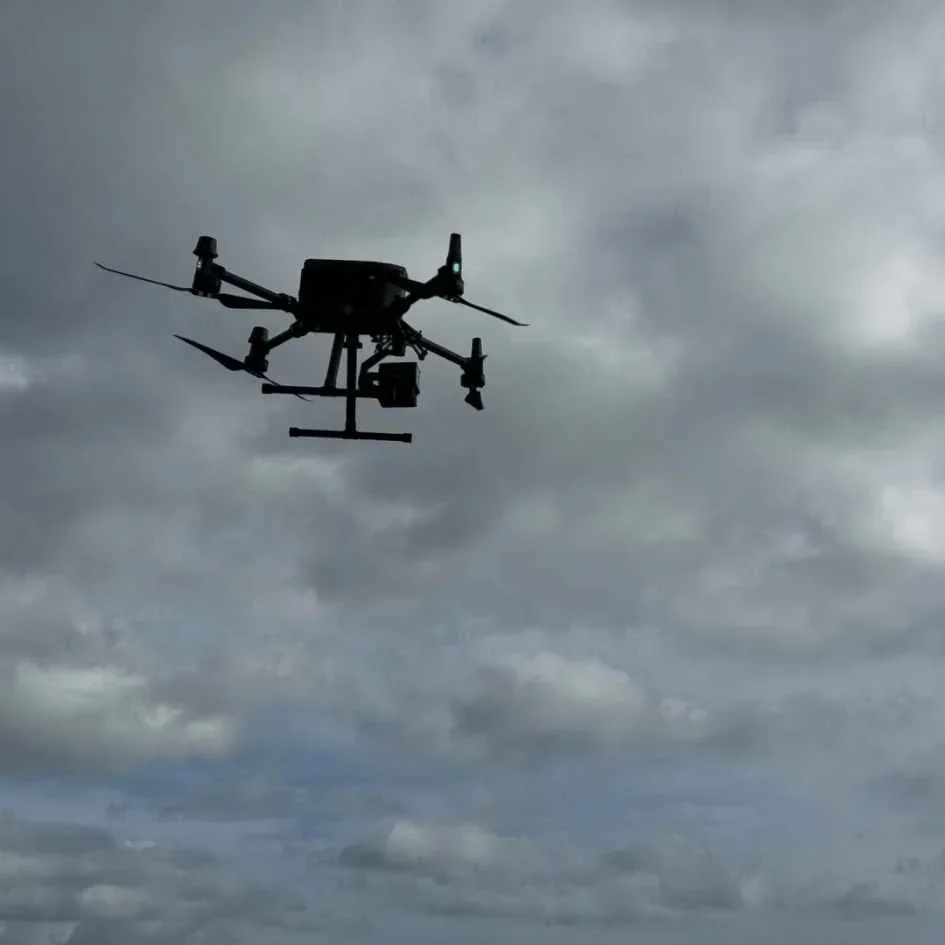
Alongside the GVC, the CAA operates a second qualification route — the Remote Pilot Certificate framework. It is a four-level ladder built around increasing operational risk, and it is the route most serious BVLOS operators climb. The four certificates stack: each higher level assumes you already hold the one below.
RPC-L1 is the entry level. It is VLOS only, available in Rotorcraft or Fixed Wing variants, has no minimum age, and is valid for five years. Its entry condition is a Flyer ID, and holding a valid GVC exempts you from the RPC-L1 theory test — a useful detail if you already have the GVC and want to step onto this ladder. For a side-by-side comparison, our RPC-L1 vs GVC piece walks through which one earns its place for which kind of drone pilot.
RPC-L2 is the step that unlocks lawful BVLOS work in ARC-a airspace — environments with no other air traffic. It requires a minimum age of eighteen, a Flyer ID, a same-category RPC-L1, and a minimum of fifty logged flight hours. It is valid for three years rather than five, which reflects the higher risk profile.
RPC-L3 is the advanced certificate. It covers VLOS and BVLOS operations up to ARC-c — which includes airspace integrated with other traffic. It requires the RPC-L2, a minimum of fifty logged BVLOS flight hours, and a LAPL medical certificate. Like the L2 it is valid for three years.
At the top of the tree sits RPC-L4, the expert-level certificate. It is the qualification held by drone operators running the most demanding Specific Category missions.
The full qualification ladder, in order, with what each rung unlocks
| Qualification | What it unlocks | Entry condition | Validity |
|---|---|---|---|
| Flyer ID | Lawful Open Category flight of any drone 100g+ | Online theory test (free) | 5 years |
| Operator ID | Legal responsibility for a registered drone | Age 18+, £12.34/year | 1 year |
| A2 CofC | Near People (A2) sub-category operations | Flyer ID + 30-question theory test | 5 years |
| GVC | Specific Category VLOS (with Operational Authorisation) | Flyer ID + theory + practical + Ops Manual | 5 years |
| RPC-L1 | Specific Category VLOS (Rotorcraft or Fixed Wing) | Flyer ID (GVC exempts theory) | 5 years |
| RPC-L2 | BVLOS in ARC-a airspace | Age 18+, RPC-L1, 50 logged flight hours | 3 years |
| RPC-L3 | BVLOS up to ARC-c (integrated traffic) | Age 18+, RPC-L2, 50 BVLOS hours, LAPL medical | 3 years |
| RPC-L4 | Expert-level Specific Category operations | Advanced — verify current CAA conditions | Verify |
Choosing the right qualification is really a question about what kind of flying you want to be doing in two years
The trap most people fall into is picking the qualification that matches the drone they already own. That works for the Flyer ID and Operator ID — those really are mandatory for almost everyone — but it is the wrong way to think about the paid rungs above them.
The better question is what the flights you want to be paid for look like. Indoor inspection of a small commercial property, with a sub-2kg class-marked drone, in a handful of square metres of airspace? The A2 CofC probably covers it. Outdoor commercial work with a larger drone — property marketing, construction progress, drone photography on a site with people around — that is the GVC with PDRA01. Corridor surveys, linear infrastructure, anything approaching BVLOS? That is the RPC-L2 or L3 ladder, and the jump in time and cost is real.
Budget and time matter too. The drone pilot training cost for the GVC is meaningfully higher than the A2 CofC because of the practical assessment and the Operations Manual, and the RPC ladder stacks additional hours and medicals on top. On the income side, UK drone pilot salary data shows the higher qualifications do open higher-value work — but only if the work actually exists in your area.
One more note worth making. Every one of these qualifications is about proving pilot competence. None of them covers liability. Before you take a paid job, the other thing that has to be in place is valid drone insurance that meets the commercial minimums your clients expect.
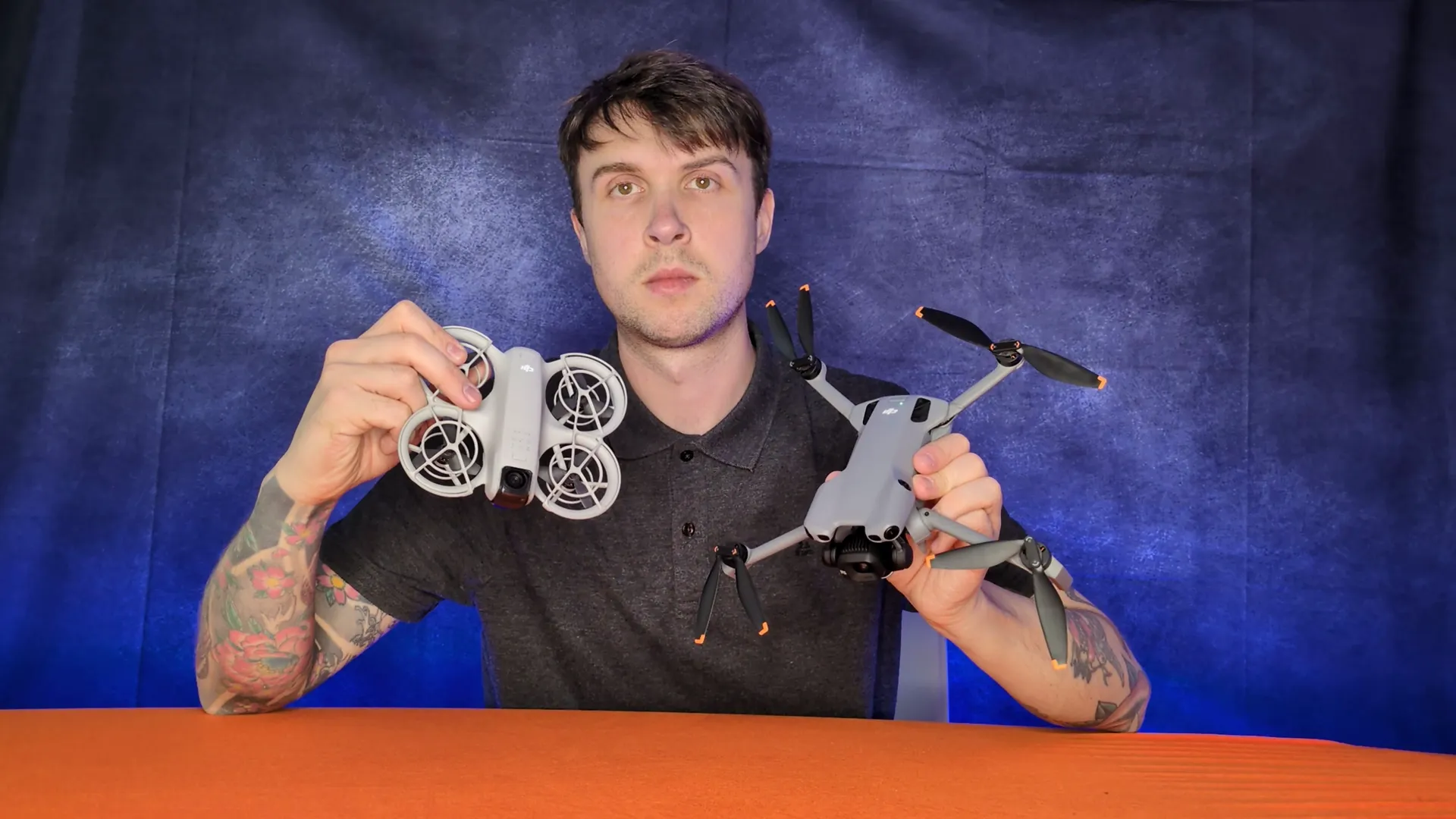
Every qualification above the Flyer ID is delivered by a CAA-approved provider, not by the CAA itself
A detail that confuses almost every newcomer: the CAA does not teach or examine any of the paid drone qualifications. The A2 CofC, the GVC, and every RPC level are run by Recognised Assessment Entities — private training companies approved by the CAA to deliver specific qualifications.
That has two consequences. Providers set their own fees, so there is genuine variation in price for the same certificate, and the quality of the training varies as well. The other consequence is that the paperwork you receive at the end is issued by the provider under CAA approval, and the CAA only gets involved directly when you apply for an Operational Authorisation on top of the certificate.
The full legal basis for all of this sits in the Air Navigation Order 2016 and UK Regulations (EU) 2019/945 and 2019/947, and the implementation detail sits in CAP 722. You do not need to read any of those cover to cover to earn a qualification, but your provider will be working from them, and the training is only as good as the provider's grip on them.
Most UK drone pilots will never need anything above the Flyer ID and Operator ID. A meaningful minority will earn a GVC and build a commercial business on that one certificate alone. A small but growing group will climb the RPC ladder into BVLOS work, and that route is going to be where the next decade of UK drone services is built.
Got a specific scenario you want covered — a qualification you cannot choose between, a training provider question, or a route from hobby to paid work? Drop a note to peter@hiredronepilot.uk and I will come back to you directly. If you prefer the video version of this explainer, the comments are open on YouTube.
References
Primary source material for this article is the UK Civil Aviation Authority. External links open in a new tab.
- UK CAA — Remote Pilot Qualifications Overview · the full list of Open and Specific Category qualifications
- UK CAA — A2 Certificate of Competency (A2 CofC) · A2 CofC syllabus, entry conditions, and five-year validity
- UK CAA — GVC and RPC Level 1, 2 and 3 · entry conditions, operational scope and validity for the GVC and RPC-L1/L2/L3
- UK CAA — Flyer IDs and Operator IDs · Flyer ID and Operator ID costs, validity, and age rules
- UK CAA — UK Regulatory Framework for Drones · Air Navigation Order 2016 and the UAS Regulations
- UK CAA — The Drone and Model Aircraft Code (CAP2320) · Open Category rules that Flyer ID holders are expected to know
Peter Leslie
Founder & GVC Drone Pilot
Peter is the founder of HireDronePilot. With thousands of logged commercial flight hours, he writes about drone technology, commercial surveying tactics, and UK aviation compliance.
Connect on LinkedIn