EVLOS Explained: The Observer-Chain Step Between VLOS and BVLOS

Peter Leslie
16 Apr 2026
Key Takeaways
- EVLOS stands for Extended Visual Line of Sight, and it sits between VLOS and BVLOS on the UK risk ladder
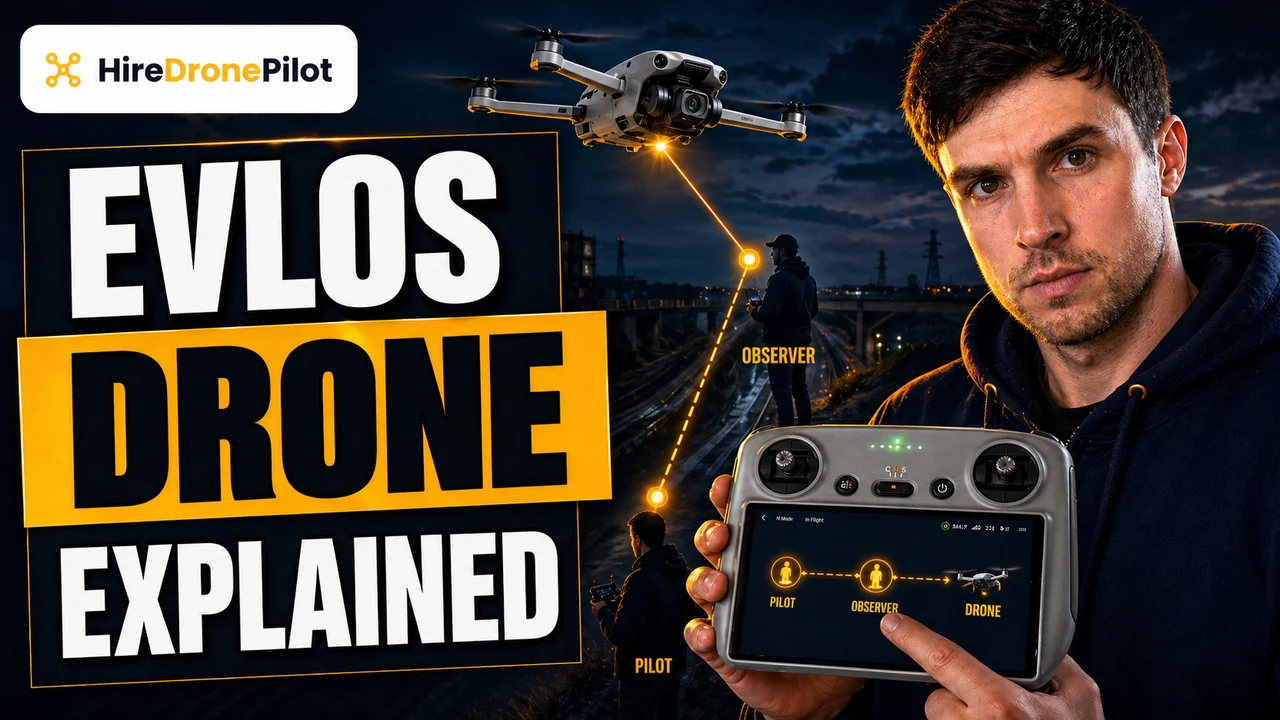
- Under EVLOS, the Remote Pilot cannot see the drone directly, but a down-range observer holds direct sight and feeds the pilot by radio
- EVLOS is not permitted in the Open Category, and it sits outside PDRA01 — it requires an Operational Authorisation in the Specific Category, assessed through UK SORA
- EVLOS is not the same as the FPV observer rule, where the observer stands next to the drone pilot and personally holds the VLOS leg
- The commercial draw of EVLOS is covering long linear assets — pipelines, railways, pylons, coastlines — without the cost and complexity of full BVLOS
EVLOS — Extended Visual Line of Sight — is the middle rung of the UK drone sight ladder. It is the point at which the Remote Pilot can no longer see the drone directly, but a trained down-range observer can, and the observer feeds that view back to the pilot by radio. It is not a casual habit you can adopt on your next job. It is a Specific Category operation that has to be written into an Operational Authorisation before you take off.
It is also the concept most often confused with two others. EVLOS is not the same as the FPV observer rule, and it is not the same as BVLOS. Understanding where each one ends and the next one begins is what unlocks the commercial use cases this technique was built for.
EVLOS is the point where your own sightline runs out and someone else's takes over
Start with the sight ladder. Visual Line of Sight is the baseline: the drone pilots flying in the Open Category must see the drone with their own eyes, unaided, clearly enough to tell which way it is facing and clearly enough to spot other aircraft entering the airspace. No binoculars, no camera feed, no goggles.
EVLOS is what happens when the drone has flown far enough that the pilot can no longer hold that direct view, but a co-operating observer stationed down the route still can. The observer is a trained member of the crew, positioned deliberately so their own unaided eyes cover the next stretch of flight. Their job is to watch the drone, watch the airspace around it, and report both back to the pilot in real time over a reliable radio link.
In a longer operation, that observer will hand off to a second observer further along the route, and so on. The drone is never out of someone's direct sight; the sight has simply been passed down a human chain instead of belonging to one person standing in one place.
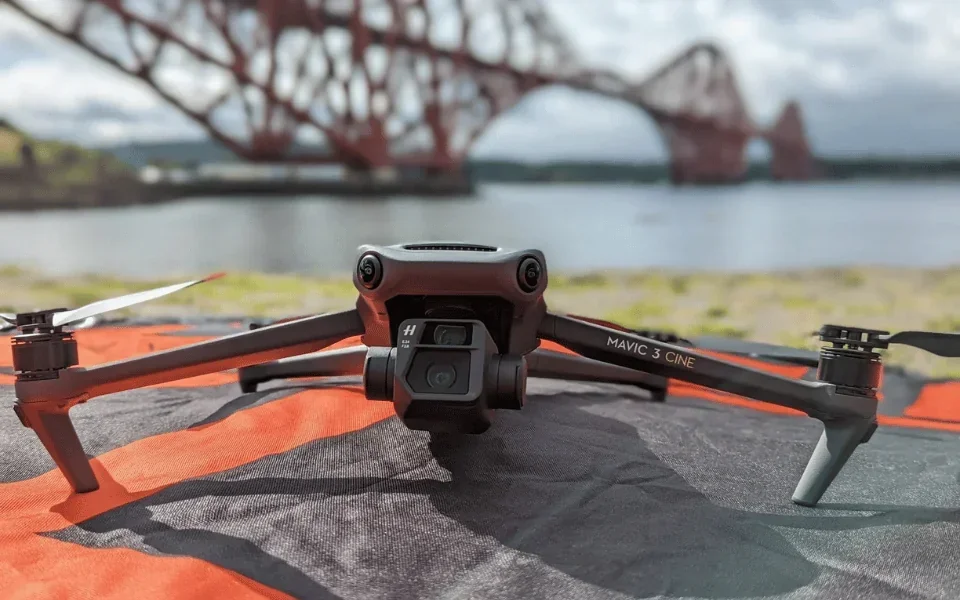
The EVLOS observer is not the same thing as the FPV observer, and conflating the two is where most misunderstandings begin
The FPV rule, published by the CAA for First Person View flying, does also involve an observer — but the geometry is the opposite of EVLOS. Under the FPV rule, the drone pilot is looking at a screen or a pair of goggles. The observer stands directly next to the pilot and holds the unaided line of sight on the pilot's behalf. The observer is the VLOS holder. The pilot is the one who has ceded the direct view.
EVLOS inverts that relationship. In an EVLOS operation, the drone pilot is looking at the controller and at the telemetry, and the observer is hundreds of metres down-range, standing somewhere near the drone. The observer holds direct sight of the drone and reports what they see. The pilot translates that report into inputs and judgements. The sight leg belongs to the observer because the pilot is out of position to hold it — not because the pilot is watching a screen instead.
That distinction matters because the FPV model sits inside the Open Category and PDRA01, where both the rule and the observer are already defined. EVLOS does not. EVLOS is a different sight regime and it needs a different authorisation.
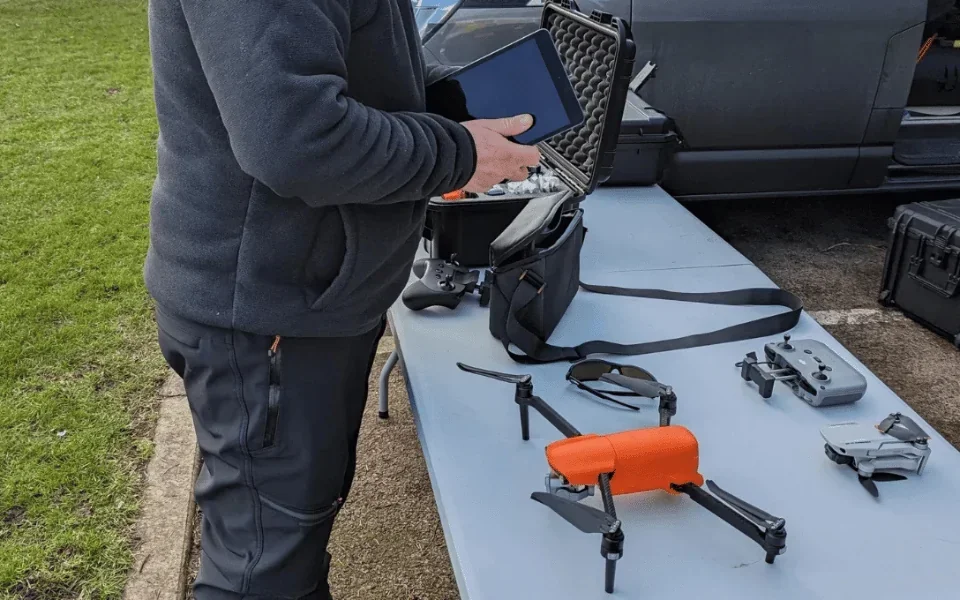
EVLOS is not permitted in the Open Category and it sits outside PDRA01, which means you need a Specific Category authorisation to do it legally
The Open Category is built around VLOS. The Drone Code requires the drone pilot to hold the unaided line of sight personally, with the sole narrow exception of the FPV observer standing alongside. There is no provision in the Open Category for a down-range observer feeding sight back to a pilot who cannot see the drone. That alone puts EVLOS outside of it.
PDRA01, the one pre-defined Specific Category authorisation routinely held by UK commercial drone operators, is also VLOS-only. The PDRA01 conditions specifically require the Remote Pilot to maintain VLOS as defined in UK Regulation (EU) 2019/947, and permit a competent observer only if they are co-located with the Remote Pilot — the same geometry as the FPV rule. Hard 500-metre range limit. Co-located observer only. No chain of observers stationed along a route.
So an EVLOS operation in 2026 is routed through a bespoke Operational Authorisation assessed under UK SORA, the Specific Operations Risk Assessment method that replaced the old Operating Safety Case on 23 April 2025. The application has to set out the observer procedures, the radio protocols, the hand-off choreography, and the contingencies. There is no short cut.
UK SORA sits below BVLOS on the risk ladder, which is exactly the point. The whole appeal of EVLOS is that you carry human-eyed mitigations forward into the authorisation, instead of needing the technical detect-and-avoid infrastructure that full BVLOS demands.
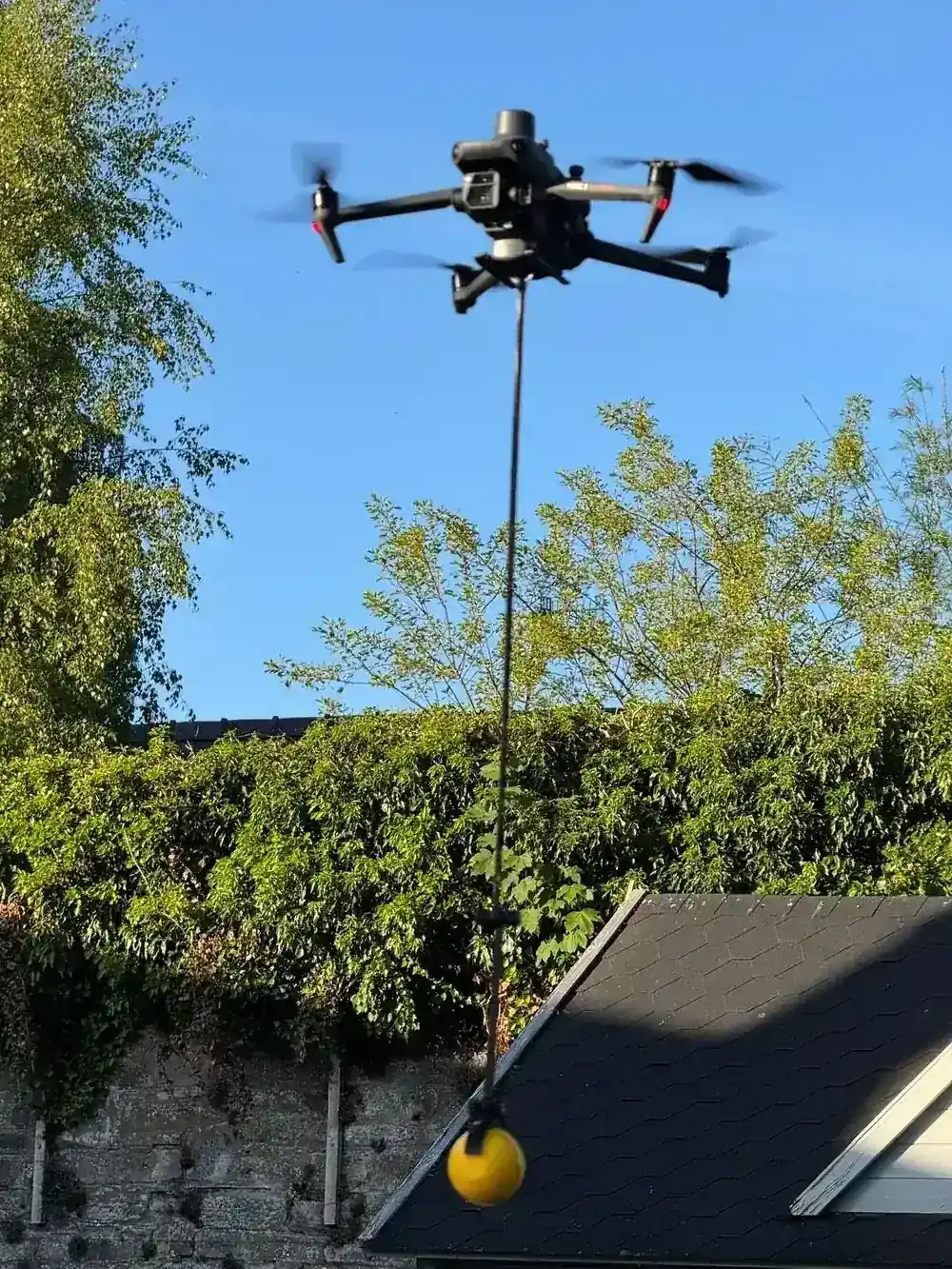
EVLOS earns its keep on long linear assets where VLOS is too short and full BVLOS is too expensive
If you sketch the commercial flights that currently route through EVLOS authorisations in the UK, almost all of them are the same shape: a long, thin corridor of infrastructure that cannot reasonably be inspected from a single standpoint. Pipelines running across open country. Rail corridors between stations. Overhead power lines stitched between pylons. Coastlines, river embankments, flood-defence walls, sea outfalls. Solar farms and wind farms large enough that one walk-around would take an hour before the drone even left the ground.
On a pure VLOS flight you are capped at roughly the distance your eyes can realistically hold, which in practice is a few hundred metres at best. On a PDRA01 flight the cap is a hard 500 metres from the Remote Pilot. Either way, the drone pilot has to be physically moved and re-set-up every time the flight exhausts that radius, and the project schedule fills up with travel and tripod-shuffling rather than actual flying.
EVLOS fixes that with people. Place competent observers at intervals along the route, equip them with radios and binoculars for situational monitoring — the CAA's definition of unaided direct sight still applies to the drone itself — and the operation can cover far more ground in a single mobilisation. BVLOS would cover even more, but it requires the technical mitigations, the engineering case, and the spend to go with them. EVLOS is the middle path that many linear inspection contracts are built around.
It is worth being honest that the crew cost rises. You are paying two or three trained people instead of one, plus the radios, plus the planning time to write the operation into the authorisation. That shows up in the quote.
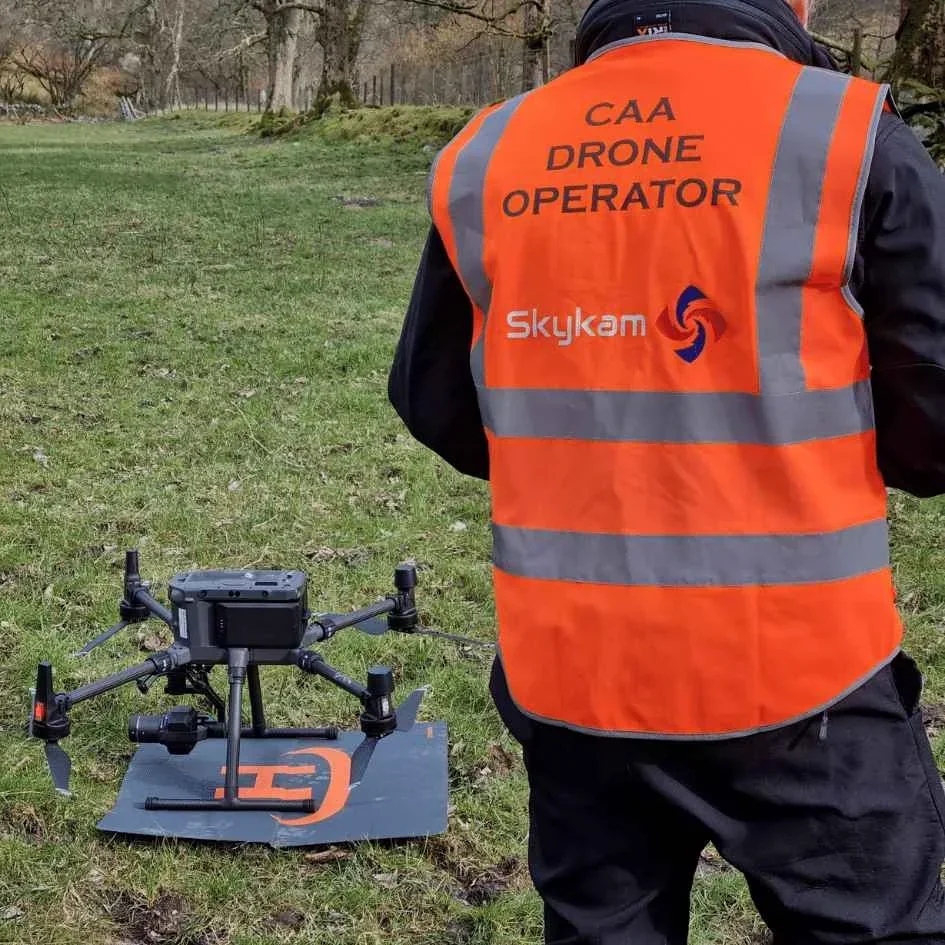
The drone pilot still carries the legal weight of the flight even when the observer is the one holding direct sight
An EVLOS crew is a team sport, but the regulatory responsibility is not shared out evenly. The Remote Pilot remains the person accountable for the flight under the Air Navigation Order 2016 and the UK Regulations (EU) 2019/945 and 2019/947. The observer is a competent member of the crew; the pilot is the legal duty-holder.
In practice that means the pilot still owns the airspace scan, the site brief, the emergency procedure, the flight log, and the decision to abort. It means the observer's radio report is a piece of information the pilot acts on, not a transfer of command. And it means a qualified commercial drone pilot at the controls — typically a GVC holder or RPC-L1 working under a Specific Category authorisation, or, for more ambitious EVLOS envelopes, an RPC-L2 holder.
The radio protocol is where most EVLOS operations live or die in practice. Observers need standardised call-outs for bearing, altitude band, proximity to obstacles, and any other aircraft in the area. The Remote Pilot needs a clean channel back for instructions and questions. And the insurance position depends on the whole of this being documented in the Operations Manual and actually followed on the day — cover written against an Operational Authorisation is cover for flights that stay inside the Authorisation, and nothing more.
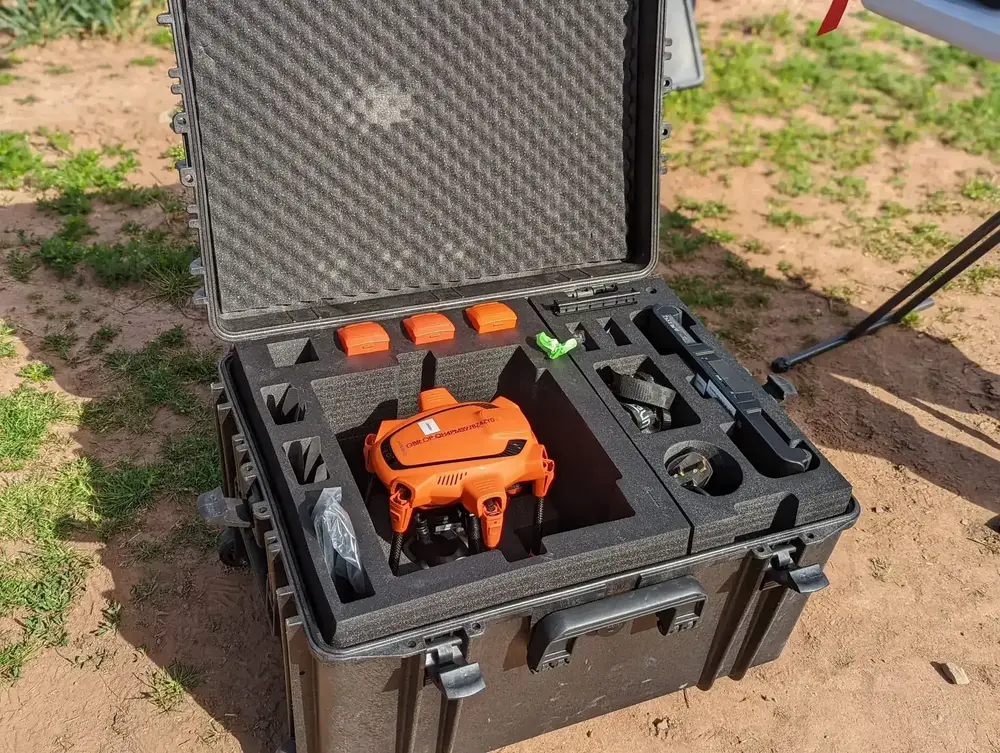
EVLOS is the bridge most commercial UK drone operators reach for before they commit to BVLOS
From a planning perspective, the cleanest way to think about EVLOS is as the intermediate stop on the way up from routine UK drone laws to full beyond-sight work. A new commercial operator spends the first few years inside VLOS and PDRA01, building the logged hours and the Operations Manual maturity that an EVLOS authorisation asks for. When the contracts start demanding longer routes — utility corridors, rail inspection, wind-farm maintenance — the operator moves to a bespoke Operational Authorisation that permits EVLOS.
BVLOS only comes after that, once the operator has the experience to write a SORA that mitigates the sight-loss without human observers in the loop, usually by adding detect-and-avoid technology and an engineered safety case for the drone itself.
So the short version is this. EVLOS is the middle step on the sight ladder; it is a Specific Category operation, never an Open Category one; its observer is down-range, not next to you; it is the authorised way to cover linear infrastructure without BVLOS; and the Remote Pilot still owns every flight they command, no matter how many observers are watching the drone.
For the bigger regulatory picture, the CAP 722 explainer stitches the categories together, and if you are still weighing up which certificate a commercial EVLOS role actually asks for, the drone pilot qualifications guide walks through the full GVC and RPC ladder.
Got a specific scenario you want covered — a pipeline route, a railway inspection, a coastal flight where EVLOS is the obvious fit? Drop a note to peter@hiredronepilot.uk and I will come back to you directly. If you prefer the video version of this explainer, the comments are open on YouTube.
References
Primary source material for this article is the UK Civil Aviation Authority. External links open in a new tab.
- UK CAA — Beyond Visual Line of Sight (BVLOS) · the sight ladder and the rule that BVLOS requires an Operational Authorisation
- UK CAA — First Person View (FPV) · the co-located observer rule and the unaided-sight definition
- UK CAA — Specific Category Overview · Operational Authorisation as the legal mechanism; PDRA and UK SORA routes
- UK CAA — PDRA01 Operational Authorisation Overview · 500-metre range limit, VLOS requirement, co-located competent observer
- UK CAA — Moving from OSC to UK SORA · UK SORA replaced the OSC application method on 23 April 2025
- UK CAA — The Drone and Model Aircraft Code (CAP2320) · VLOS as the baseline sight rule in the Open Category
- UK CAA — UK Regulatory Framework for Drones · Air Navigation Order 2016 and the UK UAS Regulations
Peter Leslie
Founder & GVC Drone Pilot
Peter is the founder of HireDronePilot. With thousands of logged commercial flight hours, he writes about drone technology, commercial surveying tactics, and UK aviation compliance.
Connect on LinkedIn