Do You Need a Licence to Fly a Drone Under 250g in the UK?

Peter Leslie
18 Apr 2026
Key Takeaways
- The word licence covers three different things in UK drone law — registration IDs, certificates of competence, and Specific Category authorisations. Sub-250g recreational flying only ever touches the first of those three
- From 1 January 2026 you need a Flyer ID to fly any drone from 100 grams upwards, so almost every consumer sub-250g model crosses that line. The test is free, takes roughly thirty minutes online, and is valid for five years
- If your sub-250g drone carries a camera you also need an Operator ID on the person responsible for the drone. The Operator ID costs £12.34 per year, renews annually, and the holder must be eighteen or over
- You do not need a GVC, an A2 CofC or any RPC certificate to fly a sub-250g drone recreationally. Those qualifications exist for the Specific Category or for heavier UK1 drones in the A2 sub-category
- Commercial work on a sub-250g drone does not add a certificate of competence, but it does add mandatory third-party insurance under assimilated EU Regulation 785/2004
The word licence is the problem. It gets used for at least three different things in UK drone law, and the answer to "do I need a licence for my sub-250g drone?" depends entirely on which one you mean.
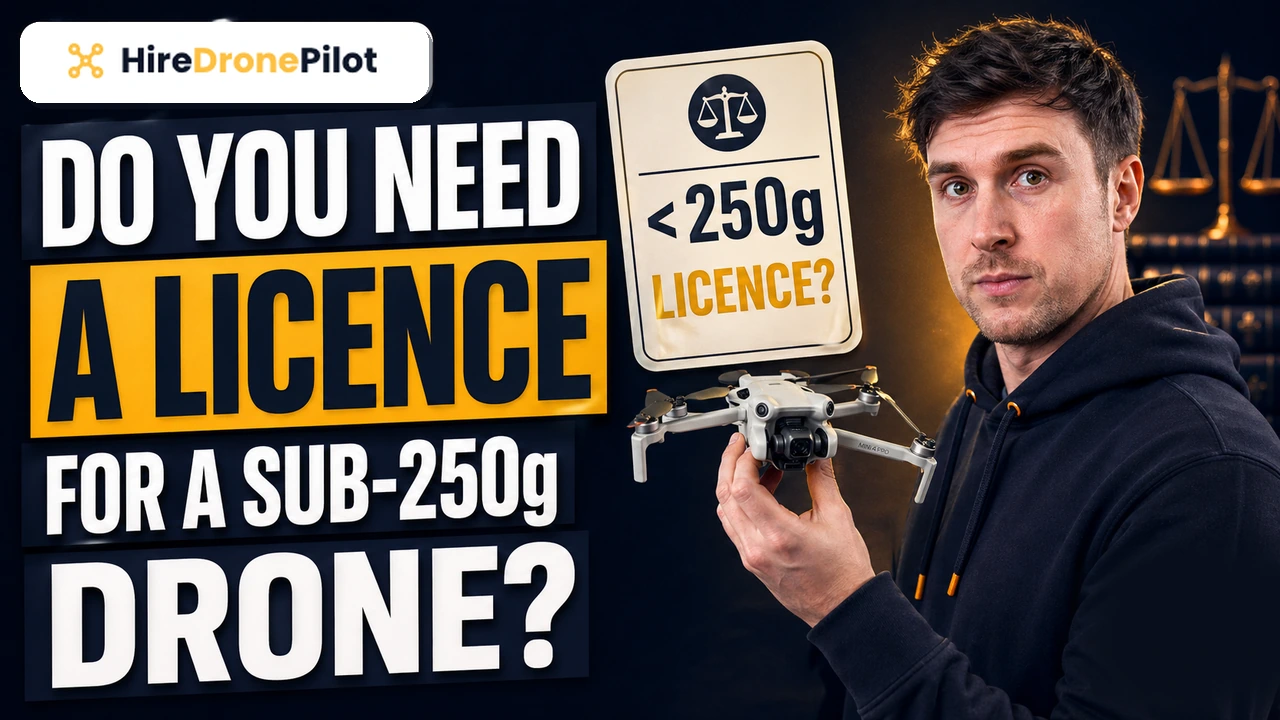
The short version: yes, almost every sub-250g drone needs at least a Flyer ID, and most of them need an Operator ID on top. What you do not need is a GVC, an A2 CofC or any other certificate of competence. Here is the full breakdown, and the bits the pre-2026 guides get wrong.
"Licence" in UK drone law covers three different things, and only the first one applies to sub-250g flying
Before the paperwork makes sense, the vocabulary has to. UK drone law has three layers that people casually call "the licence," and they are not interchangeable.
The first layer is registration IDs. A Flyer ID sits with the person actually flying the drone and proves they have passed the CAA's theory test. An Operator ID sits with the person or organisation responsible for the drone itself. Almost every sub-250g drone flown in the UK in 2026 needs both.
The second layer is certificates of competence. The A2 Certificate of Competence unlocks the A2 sub-category of the Open Category on a UK1-class drone. The GVC and the RPC-L1, RPC-L2 and RPC-L3 certificates unlock Specific Category work, which is a completely different regulatory regime. None of these are needed for sub-250g recreational flying.
The third layer is Specific Category authorisations — things like PDRA01, UK SORA and bespoke Operational Authorisations. People rarely call these "licences" but they often get conflated. Again, a sub-250g hobby drone never touches this layer.
So when the question is "do I need a licence for my sub-250g drone?" the honest answer is: you need registration. The rest is optional and usually unnecessary unless you plan to fly a bigger drone or move into commercial Specific Category work.
Any drone from 100 grams upwards needs a Flyer ID, and every popular sub-250g model crosses that line
The registration everyone thinks of as "the drone licence" is the Flyer ID. Before January 2026, a Flyer ID was only required for drones of 250 grams or more, or lighter drones carrying a camera. That threshold moved. From 1 January 2026, a Flyer ID is required for any drone weighing 100 grams or more, camera or no camera.
That change narrows the sub-250g loophole considerably. A DJI Mini, a DJI Neo, an Autel Nano, and almost every other consumer sub-250g drone on the market sits well above 100 grams. In practice that means if you have bought a mainstream sub-250g drone in the UK, you need a Flyer ID on the person who will be flying it.
The Flyer ID is the regulator's way of making sure even light drone pilots have actually read the rules. You earn it by passing a free online theory test of forty multiple-choice questions, of which thirty must be correct. The test is open-book, takes about thirty minutes, and you can retake it straight away if you fail. The Flyer ID itself is free and valid for five years, and it is the same test regardless of which drone you fly.
There is no minimum age to pass the test — children can and do. Children under thirteen have to take it with a parent or guardian present for data-protection reasons, but there is no age floor on the Flyer ID itself.
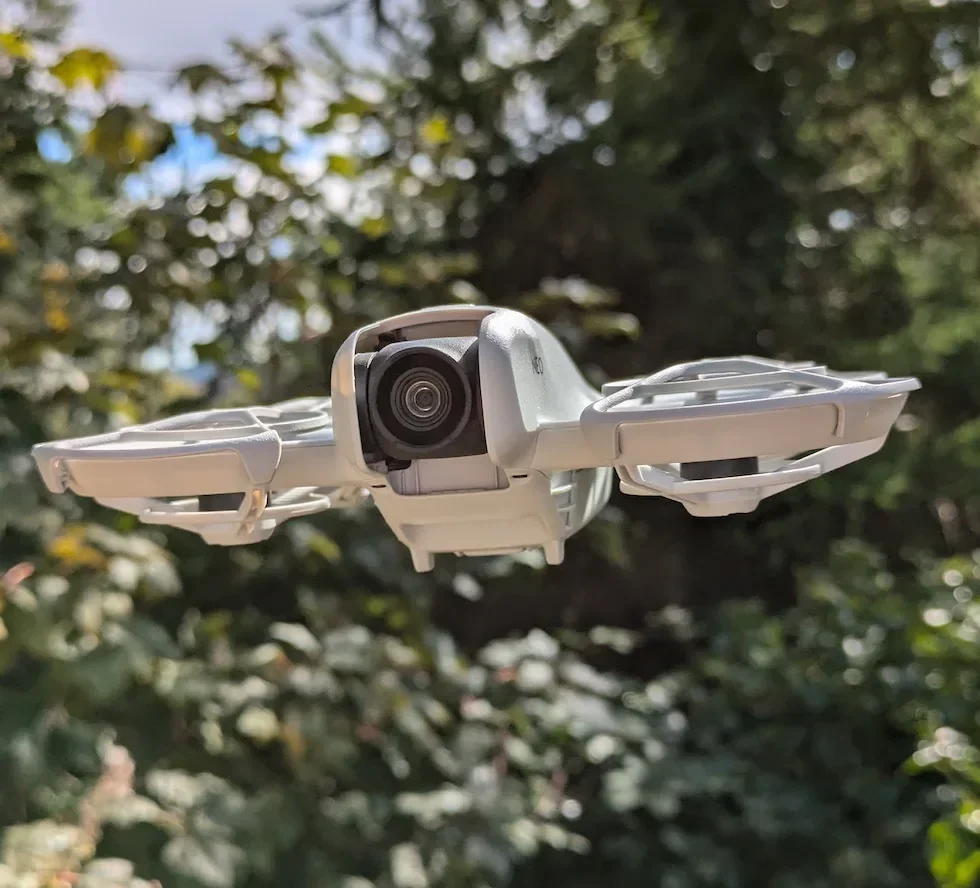
A camera on your sub-250g drone also triggers an Operator ID requirement
Running alongside the Flyer ID is the Operator ID. The trigger rule is written in the Drone and Model Aircraft Code: an Operator ID is required if your drone weighs 250 grams or more, or if it weighs 100 grams or more and carries a camera.
Read that carefully. In the sub-250g bracket, the camera is what triggers the registration, not the weight. A 180-gram camera drone needs an Operator ID. A 180-gram toy drone with no camera does not. The practical reality is that almost every consumer sub-250g drone ships with a camera, which means almost every sub-250g drone flown in the UK today needs both a Flyer ID and an Operator ID.
The Operator ID costs £12.34 per year, renews annually, and must be labelled on the drone in block capitals at least three millimetres tall. You must be eighteen or over to hold an Operator ID. If a child owns the drone, a parent or guardian registers as the operator and takes on that responsibility — the child can still be the one flying.
Sub-250g ID requirements at a glance
| Weight and camera | Flyer ID | Operator ID |
|---|---|---|
| Less than 100g (any, camera or not) | Optional | Optional |
| 100g to less than 250g, no camera | Required | Optional |
| 100g to less than 250g, with camera | Required | Required |
Both IDs are issued through the CAA's online drone and model aircraft registration service. The Flyer ID and Operator ID are the only two pieces of paperwork the vast majority of sub-250g drone pilots will ever need.
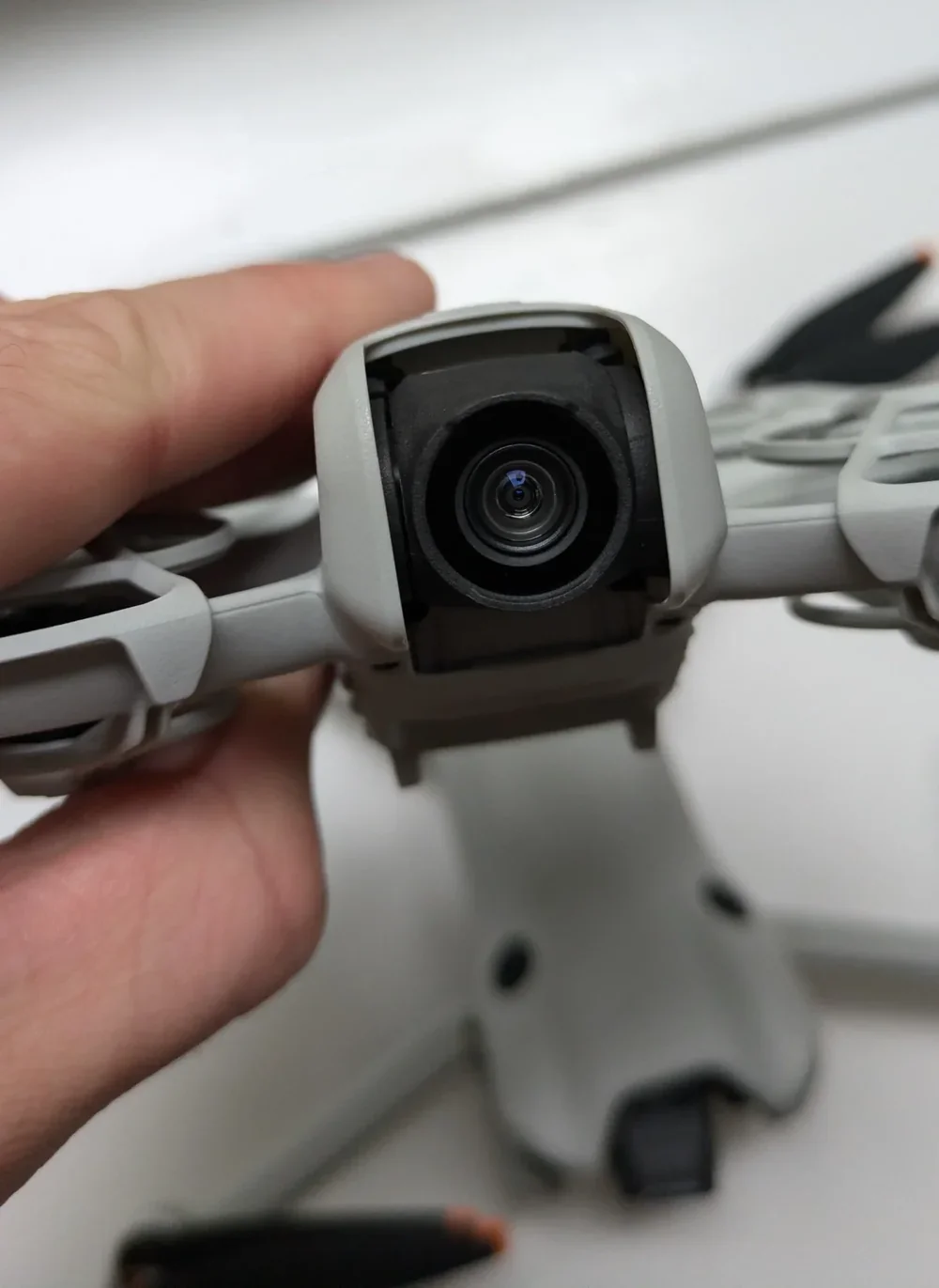
No GVC, A2 CofC or RPC certificate is required to fly a sub-250g drone recreationally
This is the section that saves drone pilots the most money. There is a genuine industry of training providers marketing competence certificates, and a surprising number of sub-250g drone owners are told they "should probably get the A2 CofC or the GVC to stay on the right side of the law." That is wrong, and the Drone Code makes it clear.
The A2 Certificate of Competence exists to drop a UK1-class drone into the A2 sub-category, which allows flights closer than fifty metres to uninvolved people. A sub-250g drone sits in UK0 and already has A1 Over People access without any certificate. If you fly sub-250g, the A2 CofC buys you nothing you do not already have.
The GVC and the newer RPC-L1 certificate are both entry points into the Specific Category under the RPC framework. They are the qualifications you need for PDRA01 work or bespoke Operational Authorisations. Sub-250g recreational flying does not enter the Specific Category at all, so the GVC and the RPC-L1 are unnecessary.
The rule I give drone pilots coming to this fresh: look at the full qualifications ladder once, decide whether your ambitions stay inside the Open Category, and if they do, skip the certificates entirely. They become worth the money the moment you want to fly a heavier drone closer to people, or take on Specific Category work — not before.
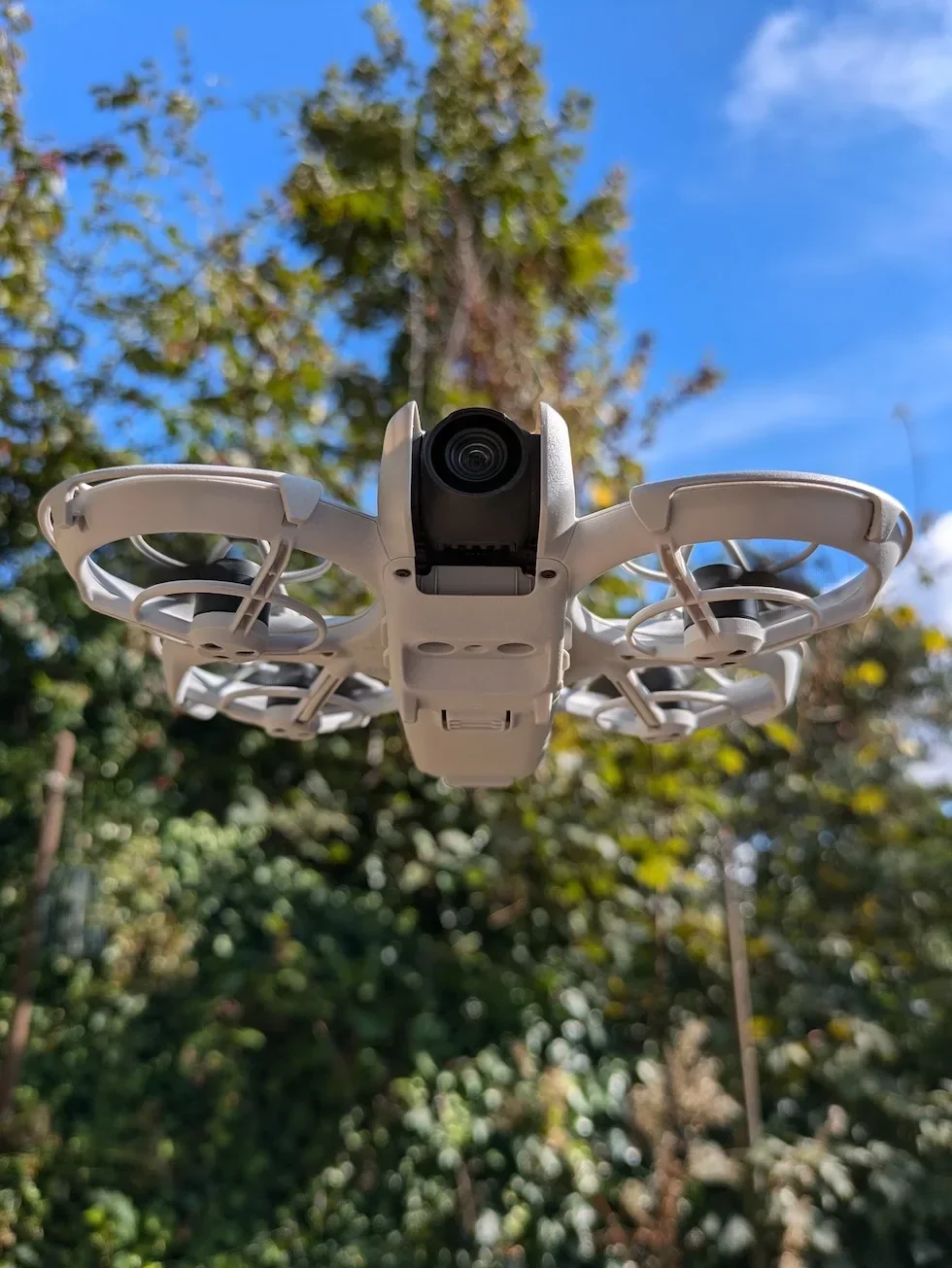
Commercial work with a sub-250g drone does not add a certificate of competence, but it does add mandatory insurance
One of the most persistent myths in the industry is that commercial flying requires a new licence. It does not. In the Open Category, the rules apply the same way whether the flight is for fun or for money. A sub-250g drone flown commercially follows the same A1 rules as the same drone flown recreationally, with no extra certificate of competence triggered by the fact that money is changing hands.
What does change is insurance. Recreational, sport and hobby flying on a drone under twenty kilograms is covered by an insurance exemption — third-party liability is optional but sensible. The moment the flight becomes commercial, that exemption falls away and third-party insurance becomes mandatory under assimilated EU Regulation 785/2004. The drone's weight does not change that — a 249-gram paid flight carries the same insurance obligation as a Matrice 300 on the same job.
Paid drone photography, paid video, a roof survey on a sub-250g drone — they all need the insurance in place before the flight. The cost is modest for a sub-250g drone, but the obligation is real.
The flight rules still bind you once the licences are sorted
Registration is the paperwork. It is not the airmanship. The licences sort out who you are and who is responsible for the drone — they do not change the rules of the flight itself, and this is where newer drone pilots get into trouble.
The 120 metre altitude ceiling applies to every sub-250g drone flight. The Visual Line of Sight requirement applies. Flight Restriction Zones around airports and airfields bind a sub-250g drone exactly the same way they bind a Matrice. And the crowd ban still applies regardless of weight — the Flyer ID does not let you fly over a festival any more than a DJI Inspire does.
If you want the broader privileges map that sub-250g unlocks — the A1 Over People access, the 50-metre buffer drop, the UK0 class-mark framework — the sub-250g drone laws explainer covers that in full. The drone pilots working in this directory all fly inside these rules daily, and the ones worth hiring will hold the IDs and the insurance and know exactly which certificates they need for the job in front of them.
So the answer to "do I need a licence to fly a drone under 250 grams in the UK?" boils down to two pieces of paperwork for almost everyone flying a modern consumer drone: a Flyer ID on the person flying, and an Operator ID on the person responsible for the drone. No certificate of competence, no competence test beyond the free Flyer ID theory exam.
Commercial flying bolts mandatory third-party insurance onto that checklist. Nothing else in the Open Category changes just because money is involved.
Got a specific sub-250g licensing scenario you want covered — a borderline weight, a shared family drone, a step up into Specific Category work? Drop a note to peter@hiredronepilot.uk and I will come back to you directly. If you prefer the video version of this explainer, the comments are open on YouTube.
References
Primary source material for this article is the UK Civil Aviation Authority. External links open in a new tab.
- UK CAA — The Drone and Model Aircraft Code (CAP2320) · 100g Flyer ID threshold, Operator ID camera rule, 120m ceiling, VLOS, crowd ban
- UK CAA — Flyer IDs and Operator IDs · Flyer ID free and valid five years; Operator ID £12.34 per year; age rules; online registration service
- UK CAA — Registering to Fly · Weight and camera matrix for Flyer ID and Operator ID; 3mm labelling rule
- UK CAA — Where You Can Fly (A1, A2, A3 sub-categories) · A1 Over People privileges for UK0 drones; why no A2 CofC is needed for sub-250g
- UK CAA — Class Marks · UK0 sub-250g class definition from 1 January 2026
- UK CAA — UK Regulatory Framework for Drones · Air Navigation Order 2016; UK Regulations (EU) 2019/945 and 2019/947; assimilated EU Regulation 785/2004
- UK CAA — Flying for Commercial Purposes · Mandatory third-party insurance for any commercial drone flight regardless of weight
Peter Leslie
Founder & GVC Drone Pilot
Peter is the founder of HireDronePilot. With thousands of logged commercial flight hours, he writes about drone technology, commercial surveying tactics, and UK aviation compliance.
Connect on LinkedIn