Drone Laws in Scotland: What Actually Changes North of the Border

Peter Leslie
16 Apr 2026
Key Takeaways
- Scotland has no separate drone law — the Drone Code, the Air Navigation Order 2016, and UK Regulations 2019/947 and 2019/945 apply exactly as they do in England and Wales
- The Land Reform (Scotland) Act 2003 grants a statutory right of responsible access on foot, but that right does not extend to flying a drone over the same land
- Take-off and landing still need the landowner's permission, and in Scotland that landowner is often a large private estate, Forestry and Land Scotland, or a National Trust for Scotland property
- Highland and Island airports run by HIAL generate Flight Restriction Zones that are easy to miss on a remote glen or coastal flight, and they are legally identical to the FRZs around Heathrow or Gatwick
- Wildlife and deer disturbance is a criminal offence under Scottish legislation, separate from aviation law, and NatureScot enforces it actively
The first thing to clear up is the thing most people get wrong. There is no separate Scottish drone law. The rules you fly under in Skye are the same rules you fly under in Surrey, and every single one of them is written and enforced by the UK Civil Aviation Authority.
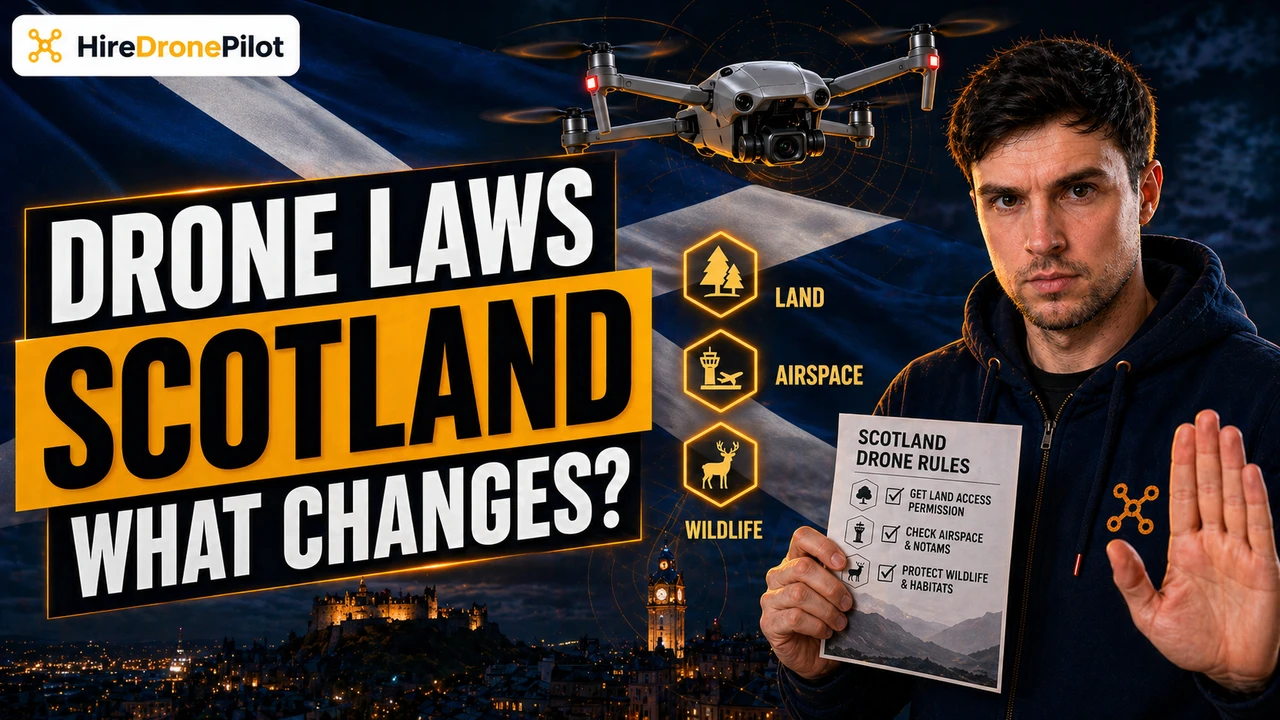
What changes north of the border is the ground you are flying over, not the law in the air. Scotland layers four distinct bodies of law on top of the UK drone laws — land access, regional airspace, wildlife protection, and a different common-law approach to trespass — and every one of them can catch you out if you assume Scotland is just England with bigger hills.
Scottish drone law is UK drone law — the Drone Code, the ANO 2016, and the UK UAS Regulations apply identically across the border
Aviation is a reserved matter under the Scotland Act 1998, which means Holyrood cannot legislate on it. Every rule that governs your drone — altitude, distance from people, class marks, registration, qualifications, insurance — is set in Westminster and enforced by the CAA on a UK-wide basis.
The legal backbone is the same three documents that govern a flight in London or Leeds. The Drone and Model Aircraft Code, the Air Navigation Order 2016 and the UK Regulations (EU) 2019/947 and 2019/945. The 120-metre altitude ceiling, the 50-metre people-buffer, and the Visual Line of Sight requirement are identical.
So are the categories. The Open Category covers most recreational flights, the Specific Category covers anything that needs an Operational Authorisation, and the Certified Category covers the manned-equivalent end of the scale. The class-mark transition closed in January 2026, so the framework you are working under is the same UK and retained EU class marks that a drone pilot in Cornwall is using.
What this means in practice: if you already hold a drone pilots qualification earned in England, it is valid in Scotland without any additional paperwork. Your Flyer ID, your Operator ID, and your Remote ID work the same way from Gretna to Shetland.
The Land Reform (Scotland) Act 2003 gives you a right to walk across most land, but it does not give you a right to fly a drone over it
This is the single biggest misconception a visiting drone operator carries into Scotland. The Land Reform (Scotland) Act 2003 — the statute behind the Scottish Outdoor Access Code — grants a statutory right of responsible access for walking, wild camping, cycling, and related outdoor activity across most land and inland water. It is a genuinely remarkable piece of legislation, and it is also the reason so many drone pilots end up in an argument with an estate manager.
The right of responsible access covers access on foot, not aerial access. Flying a drone is not listed anywhere in the Act or in the NatureScot-maintained Access Code as a right-of-access activity. That means the landowner's position on drone flight is whatever they say it is, regardless of whether you are standing on a public footpath at the moment of take-off.
Aviation law sits on top of this. The Drone Code is clear that you need the landowner's permission to take off and to land. Overflight itself is governed by aviation law, but the moment your drone touches the ground again — planned or unplanned — you need permission for that piece of ground to be used.
From my experience flying across the Highlands and the Southern Uplands, the practical answer is to identify the landowner before you drive there. Large swathes of Scotland are held by a small number of private estates, by Forestry and Land Scotland, by the Crown Estate Scotland, by the National Trust for Scotland, or by community buyouts. Each has a different policy, and most will say yes if you ask in advance.
Who owns the ground you want to fly from
| Landholder type | Typical drone position |
|---|---|
| Forestry and Land Scotland | Permit system for commercial flights; recreational usually tolerated with common sense |
| National Trust for Scotland | Ban on most drone flights at properties without written permission |
| Private estate | Case by case; often yes for commercial, often no during stalking or lambing |
| Crown Estate Scotland / foreshore | Foreshore between high and low water typically permissible; check individual site |
| Community-owned estate | Approach the community trust directly; usually constructive |
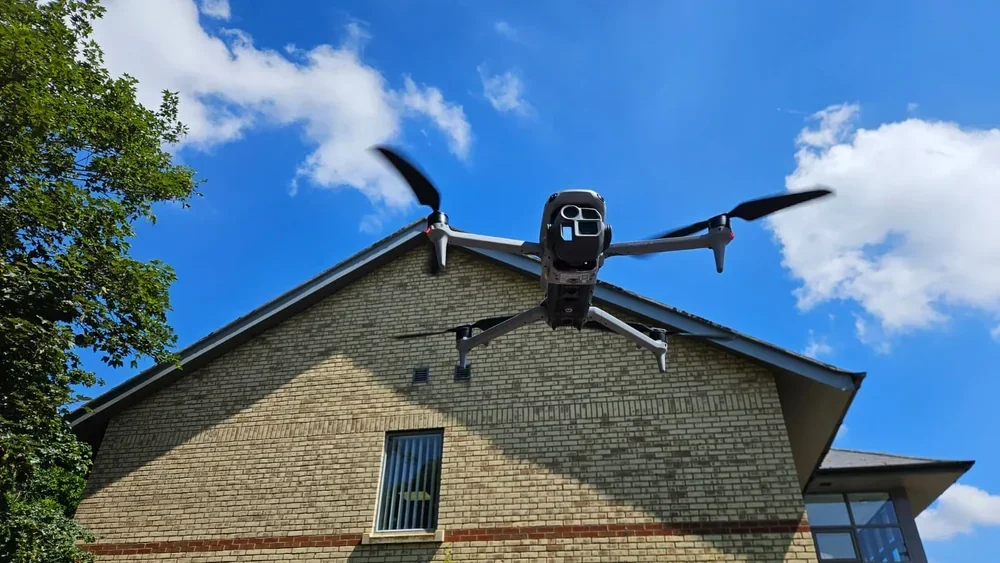
Highlands and Islands Airports generate Flight Restriction Zones that are easy to miss on a glen or coastal flight
The second Scotland-specific issue is airspace density. Scotland has a network of small regional airports run by Highlands and Islands Airports Limited — HIAL — serving places like Stornoway, Benbecula, Wick, Kirkwall, Sumburgh, Tiree, and Inverness. Each one sits inside a legally binding Flight Restriction Zone extending from the ground upward, usually out to around 2 nautical miles around the runway with runway-aligned extensions.
The FRZ rules are the same as the ones around Heathrow. Flying inside one without permission is a criminal offence under the Air Navigation Order 2016, and the fact that the airport sits inside an otherwise empty glen or moor does not reduce the legal weight of the restriction.
In my experience the HIAL FRZs are the ones most often missed, because the landscape around them looks like classic remote flying territory. A drone operator setting up in Benbecula or at the Dornoch Firth can be several miles from the nearest building and still inside controlled airspace.
The fix is the same as anywhere else. Check the CAA where-you-can-fly guidance and the Drone Assist app before you travel, not on arrival. For the Ministry of Defence sites — Lossiemouth, Leuchars, Kinloss, Cape Wrath training area, the Hebrides range — the same principle applies, with the additional point that MOD airspace is actively monitored.
NatureScot enforces wildlife disturbance rules that are tougher than the aviation rules
Scotland has some of the strictest wildlife protection legislation in the United Kingdom, and it sits in parallel with aviation law rather than underneath it. The Wildlife and Countryside Act 1981 applies across Great Britain, but Scotland adds the Nature Conservation (Scotland) Act 2004 on top, and the two together cover disturbance as well as direct harm.
Intentional or reckless disturbance of a Schedule 1 species — golden eagles, white-tailed eagles, ospreys, divers, hen harriers, ptarmigan at the lek — is a criminal offence. So is disturbance of a cetacean at sea, which covers the dolphins around the Moray Firth and the whales off the west coast. NatureScot is the enforcing body, and the prosecutions that do occur are public-profile cases because the conservation stakes are high.
Deer are a separate headline issue. The Deer (Scotland) Act 1996 and the subsequent amendments give land managers legal cover for stalking operations, and a drone overflying a stalking party during the season — red stag from the start of July to 20 October, hinds through the winter — is both an ethical problem and a practical one. Estates will and do call in incidents, and the police response is often faster than on an aviation complaint.
A drone that flushes a nesting raptor or spooks a hind off a calf is not an aviation matter. It is a wildlife-crime matter, and the investigating officer is NatureScot or Police Scotland, not the CAA.
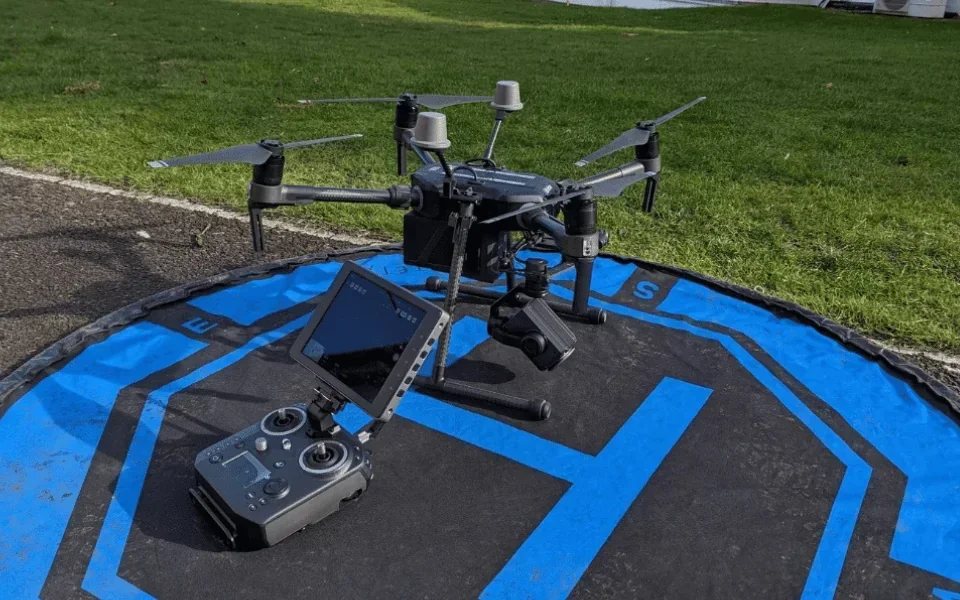
Scottish common law treats take-off and landing permission more rigidly than English law, and that matters on every flight
Scots law diverges from English law on land and trespass in ways that affect drone operators directly. There is no general civil wrong of trespass in Scotland in the way there is in England, but there is the Trespass (Scotland) Act 1865, which criminalises lodging or encamping on private land without permission, and there are separate provisions around aggravated trespass for disruptive entry.
From a drone pilot's perspective the practical consequence is narrow but important. The Drone Code requires permission for take-off and landing. In Scotland the legal vehicle for that permission is the landowner's consent under Scots property law, not an implied English common-law right. If you set up a flight on private ground without consent and are asked to leave, you are obliged to leave, and you may be liable under the 1865 Act if you do not.
On public roads and verges, the position is also distinctive. Many Scottish single-track roads have passing places that are designed for traffic management, and local authorities take a dim view of drone operations launched from a passing place, regardless of whether anyone is directly obstructed. The pragmatic rule I use is to launch from a lay-by, a public car park, or a piece of ground where I have explicit permission, and to treat a passing place as an operational non-starter.
Where privacy is concerned, the UK GDPR and the Data Protection Act 2018 apply in Scotland exactly as they do elsewhere, and so does the Information Commissioner's Office remit. Scottish sheriff courts hear the civil side of any privacy claim, but the legal standard is the same one a drone operator in Manchester would meet.
The Scottish weather genuinely changes what you can fly and how long you can stay up
This section is not a legal point but it is the one that catches visiting drone operators most often, and it feeds directly back into the law through VLOS and aircraft safety. Scottish weather is famously local. A glen can generate its own orographic wind, its own rotor turbulence behind a ridge, and its own microclimate rainfall that does not appear on any forecast model at the scale you are looking at.
The Drone Code requires you to maintain unaided visual line of sight throughout the flight. In hill fog or a squall that arrives off the Atlantic faster than the forecast suggested, that requirement becomes binding much sooner than you expect. Sub-250g drones are particularly vulnerable — a 20-knot gust at ridge height is a different flight envelope to a 20-knot gust on a calm-day forecast.
Practically, I build a margin into every Scottish flight. I check the general forecast, then check the mountain-weather forecast, then look at the webcams for the nearest coast or ridge, and I plan the flight so that I have a clear return path even if visibility drops. Most of the near-misses I have had in Scotland have been weather-driven rather than airspace-driven.
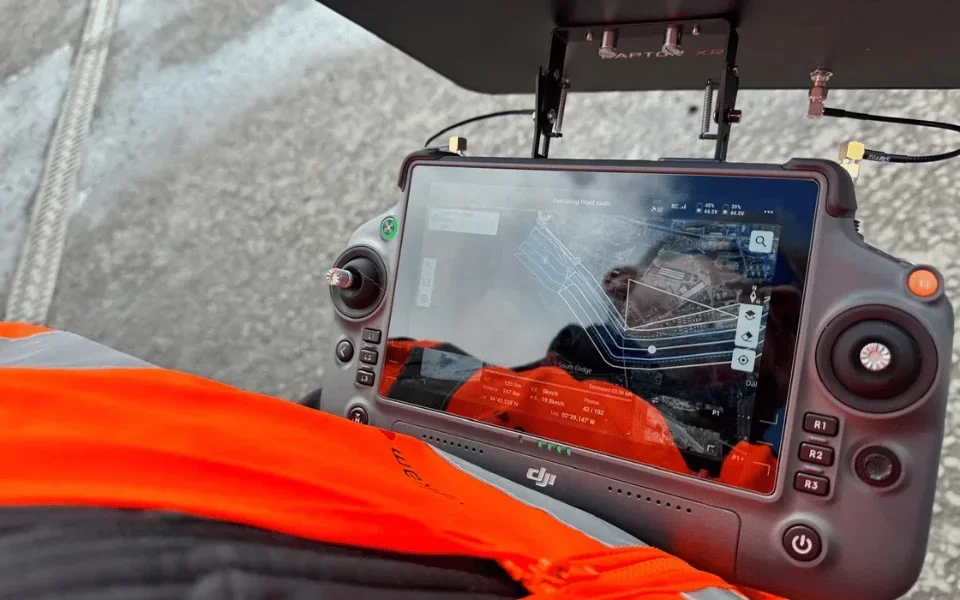
The CAA penalties are UK-wide, but prosecutions in Scotland go through the Procurator Fiscal and the sheriff courts
If a drone flight in Scotland goes wrong enough to trigger a prosecution, the route is a Scottish one. Police Scotland investigates, the Procurator Fiscal decides whether to prosecute, and the case is heard in a sheriff court or, for the most serious matters, in the High Court of Justiciary.
The offences themselves are UK-wide. Endangering an aircraft in flight under the Air Navigation Order 2016 carries a maximum sentence of five years and is the most serious aviation charge a drone operator is likely to face. Routine breaches of the Drone Code — flying above 120 metres, within 50 metres of people, inside an FRZ — are criminal offences capable of being prosecuted summarily.
There is one practical difference. Scottish prosecutors have full discretion on whether to pursue a case, and in rural and island areas the operational relationship between Police Scotland, HIAL, the Mountain Rescue teams, and the landowner community is closer than in much of England. Reports travel quickly. A drone flight that causes annoyance at Glenfinnan at ten in the morning can be the subject of a call to the local police office by eleven.
Insurance and the commercial-work picture are the same as the rest of the United Kingdom, but the job mix is different
Third-party liability insurance compliant with EC Regulation 785/2004 is mandatory for any commercial drone operation in Scotland, and the requirement is identical to the rest of the United Kingdom. For recreational flying it is not legally required, although I would not fly without it. The full breakdown is in our drone insurance requirements guide.
Qualifications likewise carry over. A GVC, an A2 CofC, or any level of the RPC framework earned elsewhere in the UK is valid in Scotland. For an overview of the whole qualification landscape our drone pilot qualifications article is the hub.
The job mix is what changes. A commercial drone operator working in Scotland sees more drone surveys of large rural estates, more renewable-energy inspection work across wind farms and hydro installations, more construction-monitoring above the new Far North transmission projects, and more thermal imaging on the distillery and fish-farm estates. The regulatory envelope is UK-wide; the client portfolio is Scottish.
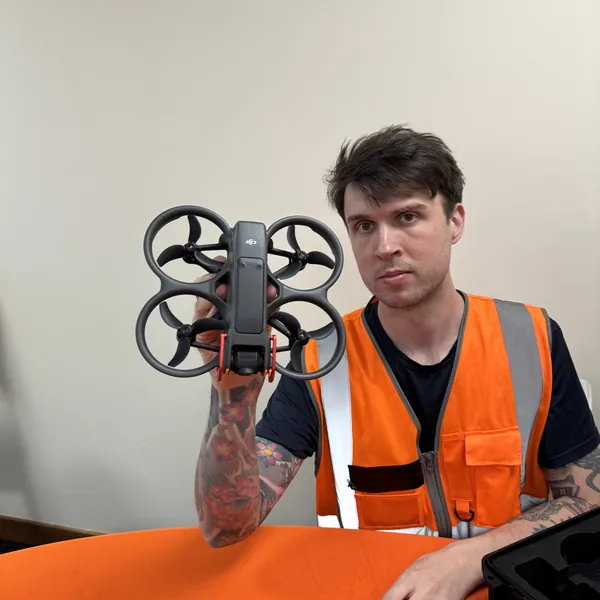
So the headline holds. Flying a drone legally in Scotland is the same UK legal exercise it is anywhere else — the Drone Code, the ANO, the UAS Regulations, and the class marks. What Scotland adds is a layer of land access under the 2003 Act, a layer of airspace density around HIAL and MOD sites, a layer of wildlife protection under the 2004 Act and the 1981 Act together, and a set of Scots-law specifics around take-off and landing consent. Every one of those layers is a planning exercise, not a flying one, which is why the Scottish drone pilots who stay out of trouble are the ones who treat the pre-flight phase as the main event.
Got a specific Scottish scenario you want covered — a Highland estate flight, an island airport clearance, or a raptor-sensitive site? Drop a note to peter@hiredronepilot.uk and I will come back to you directly. If you prefer the video version of this explainer, the comments are open on YouTube.
References
Primary source material for this article is the UK Civil Aviation Authority and the Scottish Government. External links open in a new tab.
- UK CAA — The Drone and Model Aircraft Code (CAP2320) · the 120 m ceiling, 50 m people-buffer, VLOS requirement, and take-off/landing permission rule
- UK CAA — UK Regulatory Framework for Drones · Air Navigation Order 2016 and the UK UAS Regulations 2019/947 and 2019/945
- UK CAA — Where You Can Fly · Flight Restriction Zones, Open Category A1/A2/A3 sub-categories
- Land Reform (Scotland) Act 2003 · statutory right of responsible access on foot — does not extend to aerial access
- Scottish Outdoor Access Code (NatureScot) · practical guidance on the right of responsible access
- Nature Conservation (Scotland) Act 2004 · disturbance offences for protected species in Scotland
- Highlands and Islands Airports Limited (HIAL) · operator of the regional airports whose FRZs affect Scottish drone flight planning
Peter Leslie
Founder & GVC Drone Pilot
Peter is the founder of HireDronePilot. With thousands of logged commercial flight hours, he writes about drone technology, commercial surveying tactics, and UK aviation compliance.
Connect on LinkedIn